



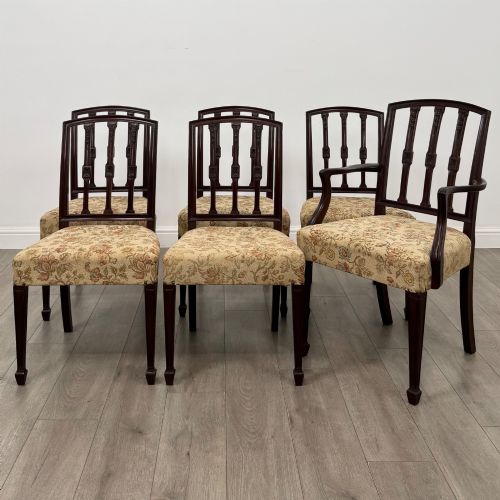
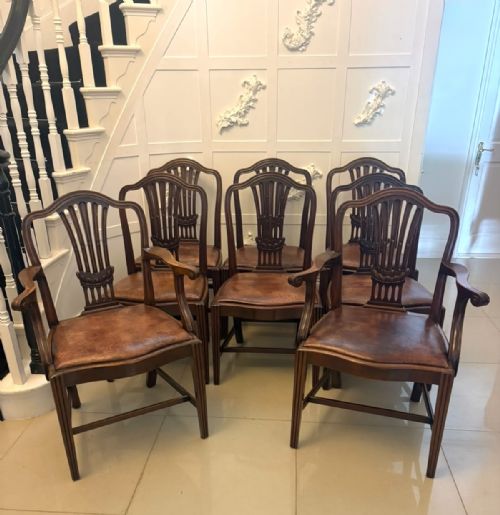
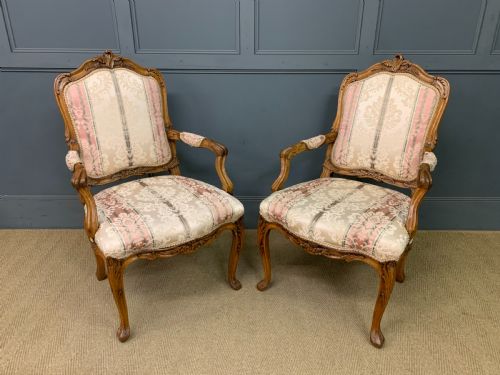
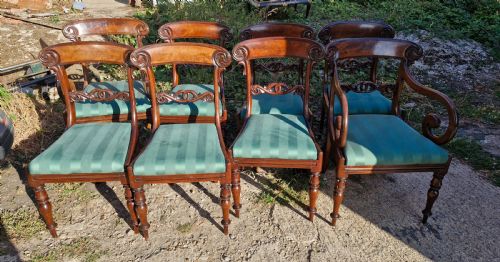
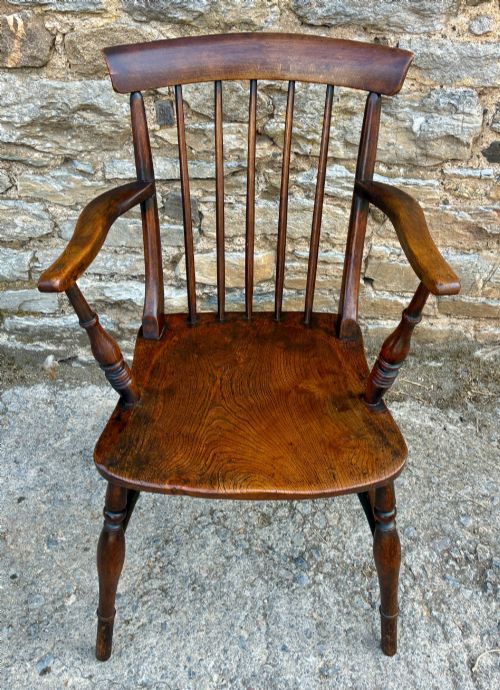
Vintage Wooden Carver Seat
These vintage wooden carver seat designs bring sturdy timbers and generous armrests to the dining table or desk.
Vintage Wooden Carver Seat
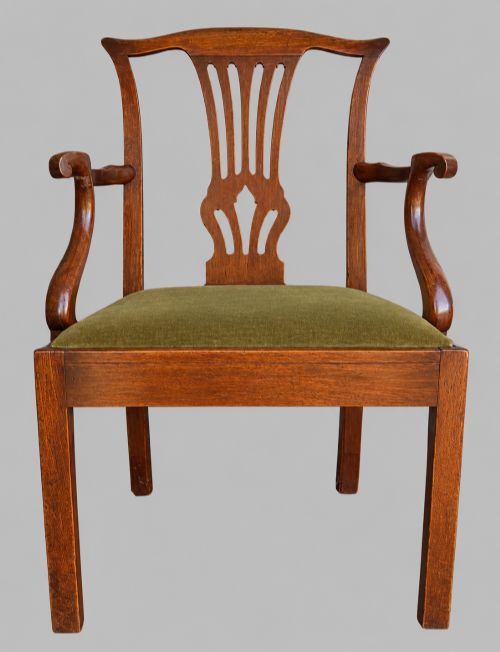
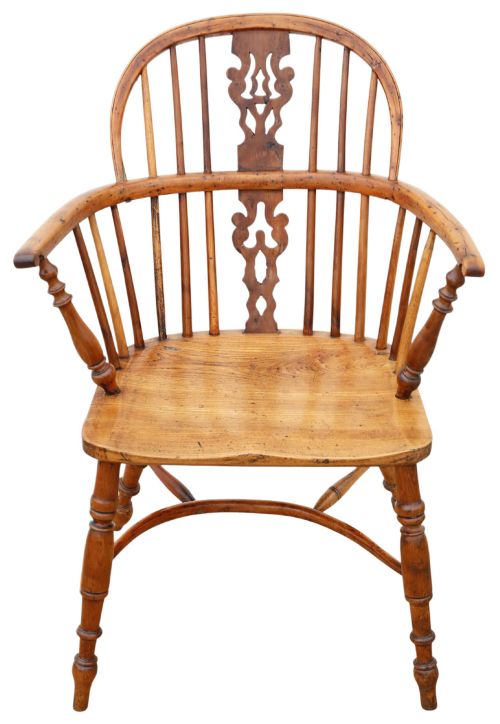
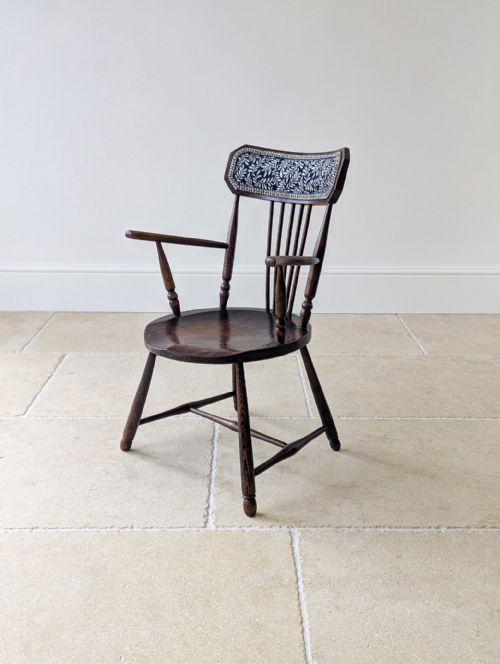
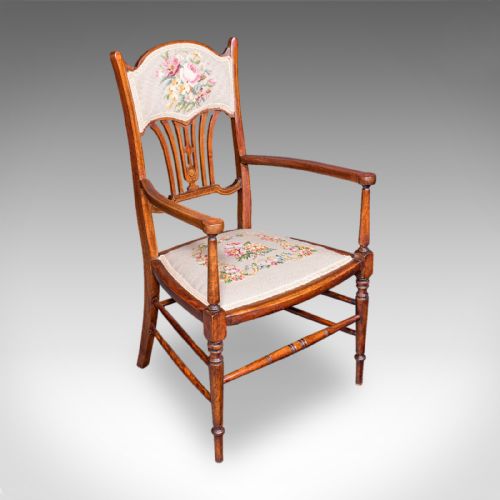
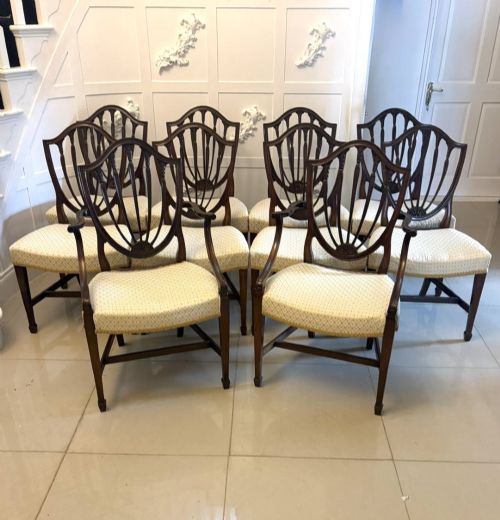
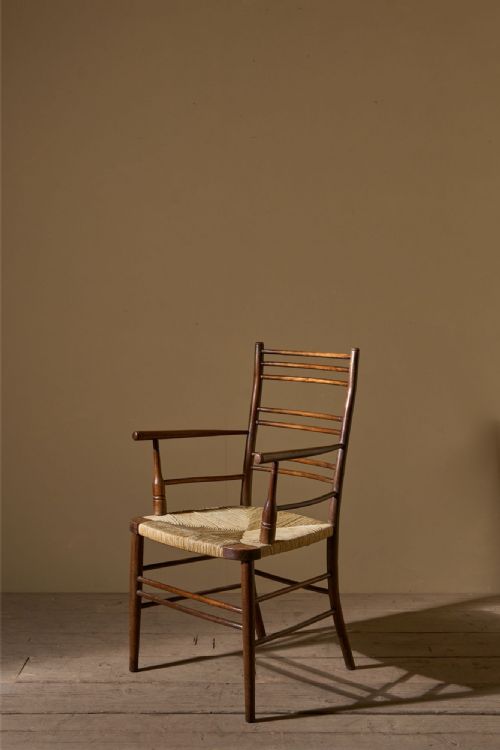
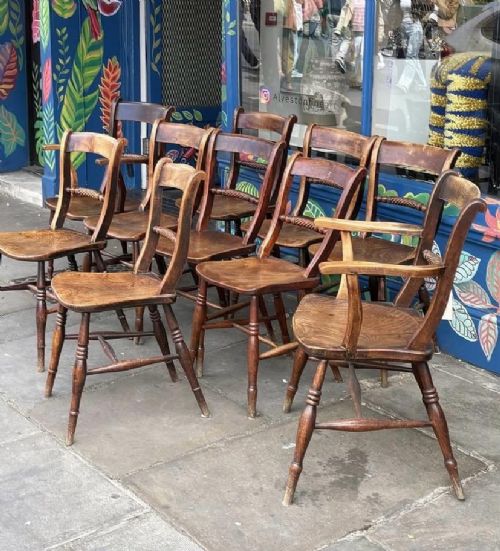
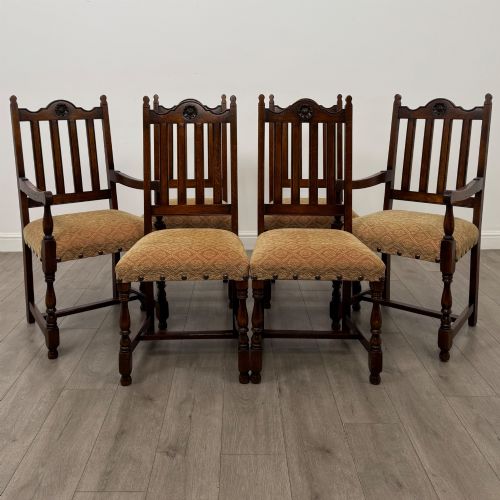
A vintage wooden carver seat acts as the principal armchair at the head of a dining table or functions independently as an office and desk chair. When searching for a vintage wooden carver seat, collectors frequently encounter robust country windsor chairs alongside formal mahogany and walnut dining armchairs.
The selections span multiple periods, ranging from Georgian and Regency eras through Victorian, Edwardian, and mid-century revivals. English country vernacular traditions heavily influence the domestic forms, featuring low backs, spindle backs, and lath backs.
Makers such as Liberty, Morris and Co., Maple and Co., and Thonet appear among the offerings, providing both vernacular charm and workshop attribution. Formats vary from single armchairs to expansive sets paired with matching dining chairs.
Materials and construction methods
Cabinetmakers and rural bodgers utilised domestic hardwoods including elm, oak, ash, beech, mahogany, walnut, and satinwood. Many country windsor examples combine multiple timbers within a single frame, bending ash for bows and turning beech for spindles.
Rush, fabric, cane, and original leather provide the supporting surfaces for seats and backs. Turned components rely on traditional pole lathes, while formal dining carvers employ mortise and tenon joinery with carved shield or ladder backs.
Some provincial windsor chairs retain the subtle saddle indentations left by centuries of shifting sitters.
Assessing quality in construction and timber
The grade of timber selection and the integrity of the original joints dictate the standing of a piece. Dense, well-figured grain in mahogany, burr walnut, or properly seasoned elm separates superior examples from ordinary production.
Subtleties in hand-turning, crispness of carved details on shield backs, and the retention of original surface patination distinguish workshop output from later revival pieces.
Liberty·Morris and Co·Maple and Co·Thonet
The Vintage Wooden Carver Seat Glossary
- Carver seat
- An armchair, traditionally placed at the head of a dining table, distinguished by supportive armrests.
- Windsor chair
- A wooden chair built with a solid saddle-shaped seat into which the legs and back spindles are wedged directly.
- Rush seat
- A woven seating surface constructed from dried marsh rushes twisted into cords.
- Lath back
- A chair back featuring a horizontal flat wooden slat or lath supporting the upright splats.
- Spindle back
- A chair back composed of numerous turned wooden uprights arranged vertically between the seat and the top rail.
Vintage Wooden Carver Seat: Frequently Asked Questions
What is a carver seat?
A carver seat is an armchair designed to match a set of dining chairs, traditionally placed at the head of the table. The term identifies a seat with integrated armrests suitable for formal dining or desk use.
Such chairs appear in various styles, including country windsor formats and formal mahogany dining suites.
How do I identify a windsor chair?
A windsor chair is built around a thick wooden seat plank into which the undercarriage legs and upper back components are tenoned directly. These vernacular pieces frequently combine timbers like elm, ash, and beech within a single frame.
Originating in rural workshops, they utilise turned spindles, bentwood bows, and saddle-shaped seats for comfort.
Are these chairs suitable for daily use?
These wooden armchairs were constructed to withstand generations of domestic service using dense hardwoods like oak, mahogany, and elm. Their robust joinery makes them practical for daily seating around a dining table or desk.
Routine maintenance involves checking joints and treating natural wood surfaces with appropriate waxes.
How do I distinguish Georgian from Victorian carvers?
Georgian carvers often display restrained classical proportions, featuring mahogany frames with pierced splats or Hepplewhite shield backs. Victorian interpretations tend to be heavier, incorporating elaborate turning, revival styles, and mixed timbers like elm and beech.
Examining the tool marks, timber shrinkage, and joinery methods helps clarify the period of manufacture.