

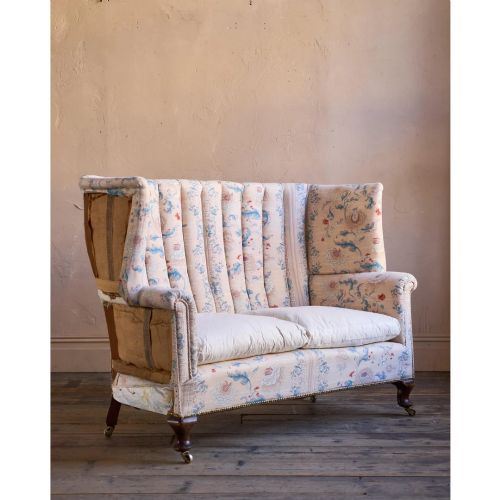
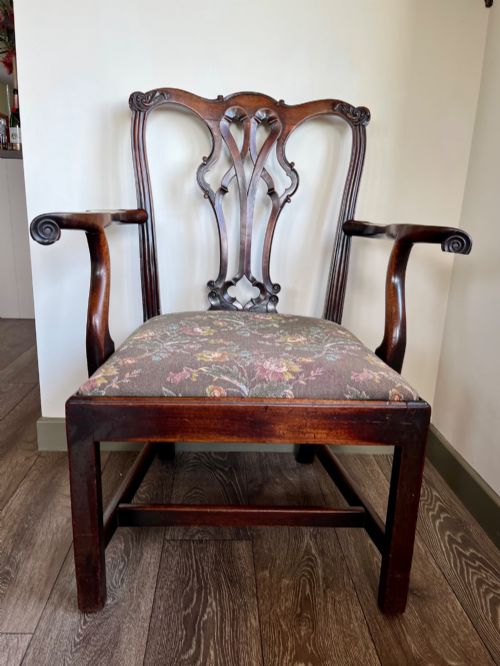


Georgian Floral Armchair
These georgian floral armchair examples bring period character to a room, offering substantial timber frames and patterned upholstery for daily seating.
Georgian Floral Armchair
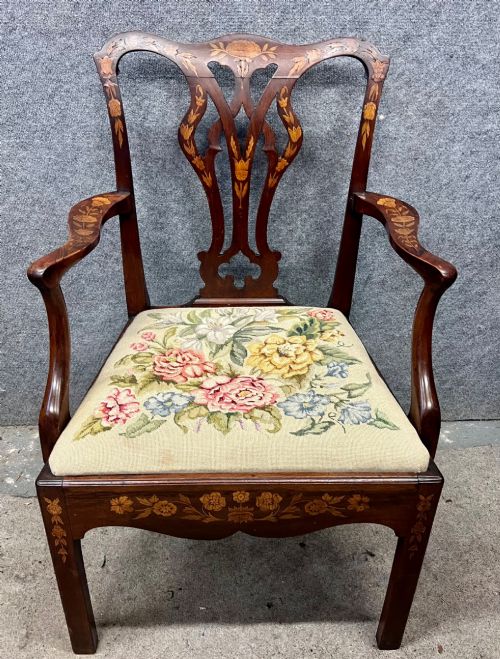
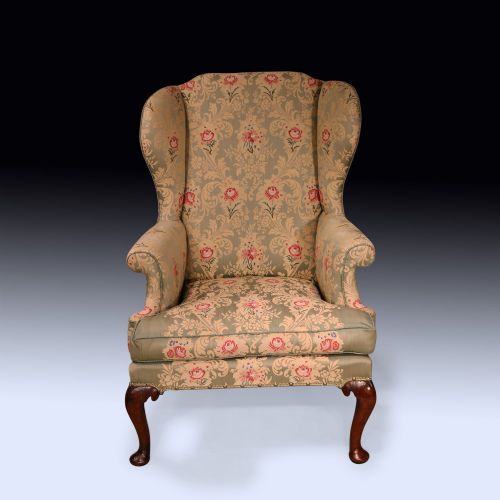
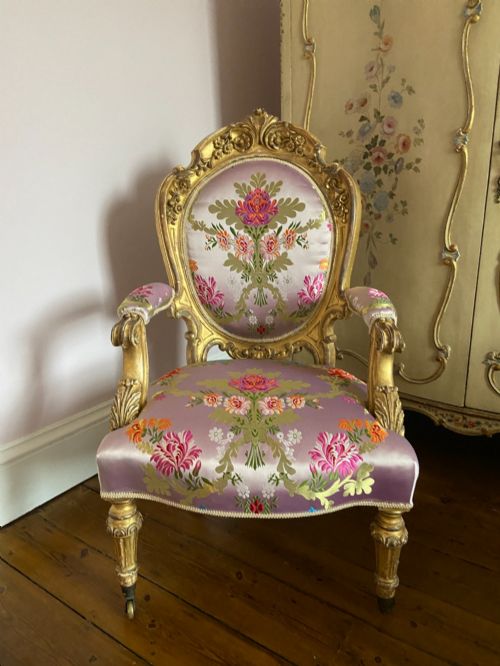
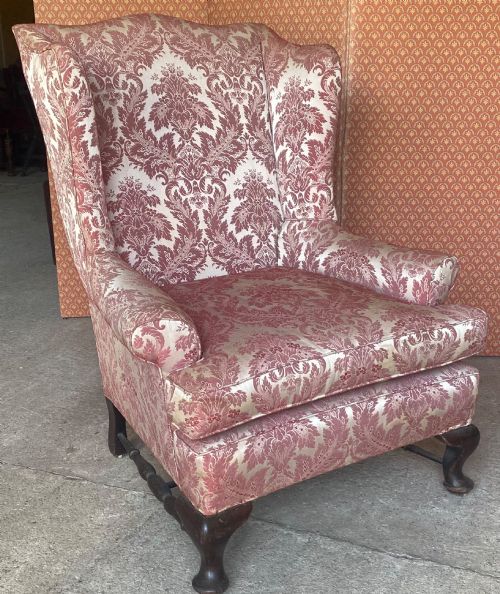
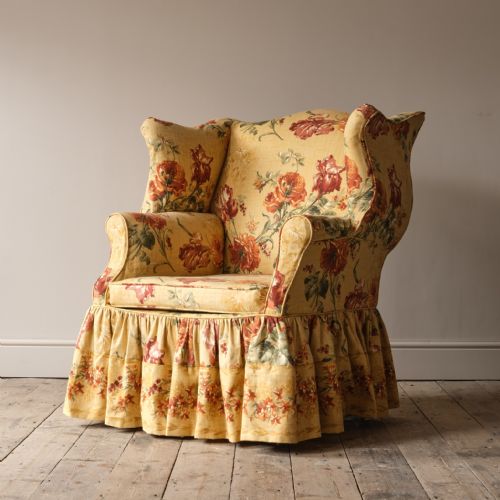
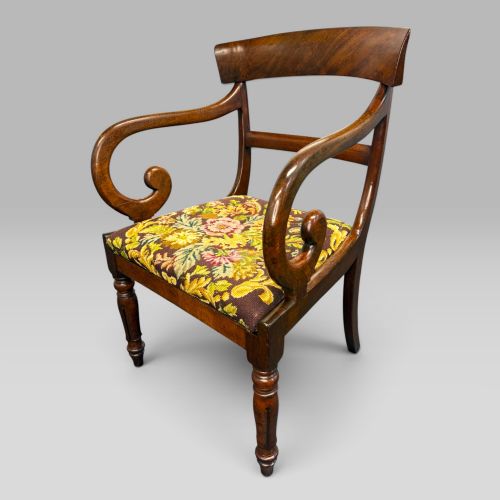
A georgian floral armchair combines robust timber construction with decorative fabric, taking forms such as wingbacks, elbow chairs, and carver chairs. The selection spans authentic period pieces from the eighteenth and early nineteenth centuries alongside later revival interpretations.
Buyers encounter various stylistic influences within this group, including George III, Sheraton, and Regency designs, often featuring mahogany or oak frames paired with tapestry upholstery or painted decoration.
Factors of quality
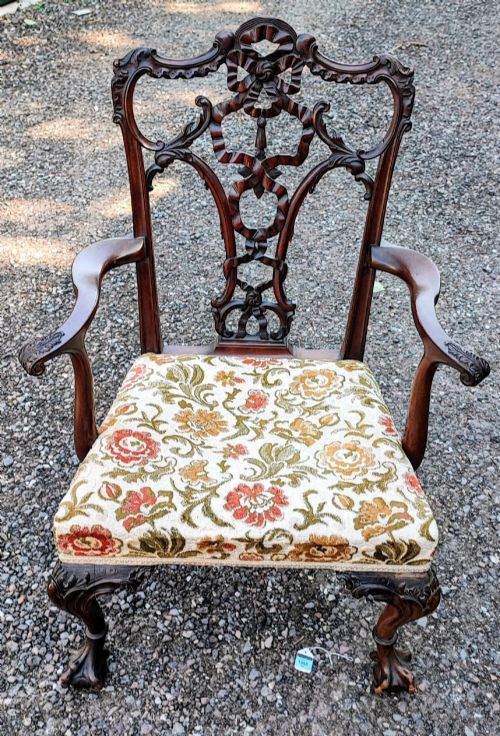
The standard of carving and the crispness of detail on the wooden framework separate master work from standard production, visible in the execution of splats, arms, and legs. Period integrity and the survival of original decorative finishes also influence standing.
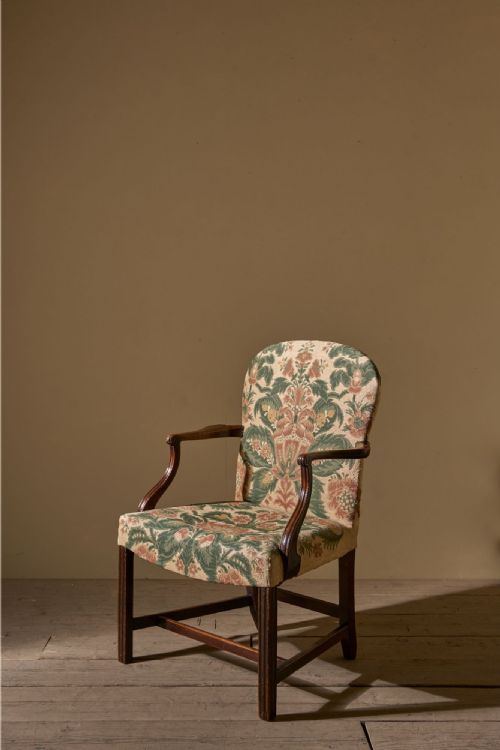
The condition and authenticity of the upholstery scheme matter greatly, whether dealing with period tapestry or later fabric coverings that respect the historical context of the frame.
Georgian Floral Armchair Retail Price Guide 2026
Typical asking prices for georgian floral armchair among the pieces listed under this phrase on Sellingantiques today, from the lower quarter to the upper quarter. They describe what is for sale here now, not the wider market.
Listings feature armchairs spanning the eighteenth century through to the 1930s, utilising mahogany, oak, brass, and tapestry fabrics.
Jas Shoolbred
The Georgian Floral Armchair Glossary
- Carver chair
- A sturdy armchair designed to match a set of dining chairs, usually featuring open arms and a supportive back. These pieces often sat at the head of a dining table.
- Wingback armchair
- A high-backed seating form with characteristic side panels designed to shield the occupant from drafts. The upholstered wings extend from the armrests.
- Splats
- The vertical wooden slats positioned in the centre of a chair back, frequently shaped into vase or ribbon motifs. They provide lumbar support while displaying the carver's skill.
- Tapestry upholstery
- Heavy woven textile featuring pictorial or floral patterns used to cover chair seats and backs. This material provides both decorative appeal and durable texture.
Georgian Floral Armchair: Frequently Asked Questions
What defines a georgian floral armchair?
These chairs feature traditional eighteenth or nineteenth-century wooden frames paired with patterned fabric or tapestry upholstery. Forms range from wingbacks to open-arm carvers.
They reflect historical design periods such as George III and Sheraton, combining structural timber work with decorative textiles.
How do I identify the period of a chair?
Dating relies on timber selection, joinery techniques, and stylistic markers associated with periods like the eighteenth century or the Regency era. Revival pieces often emulate these earlier characteristics.
Examining the construction beneath the upholstery and the style of the legs provides further clues to the age of the piece.
Were these chairs used at dining tables?
Many examples function as carver chairs, which were traditionally placed at the ends of a dining table while matching smaller side chairs. They offered wider seats and armrests for comfort.
Other forms, such as wingbacks and desk chairs, served different domestic purposes in libraries, parlours, and bedrooms.
How should I care for the upholstery?
Protecting fabric and tapestry upholstery involves gentle vacuuming with a soft brush attachment to remove dust without damaging the woven fibres. Avoiding direct sunlight prevents fading of the floral patterns.
Timber frames benefit from occasional dusting and maintenance with appropriate furniture wax to keep the wood nourished.