

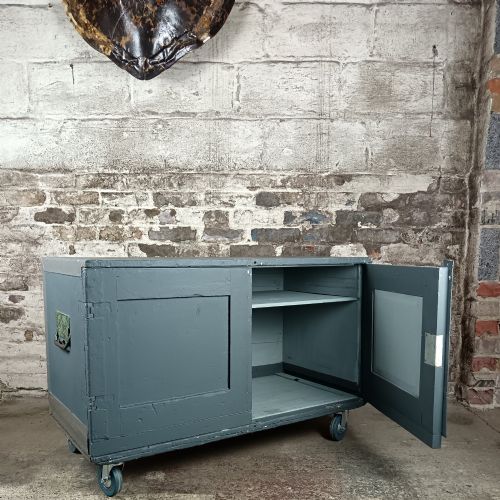
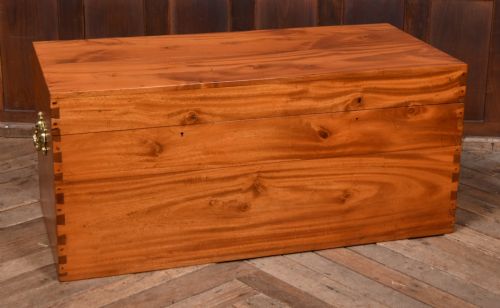
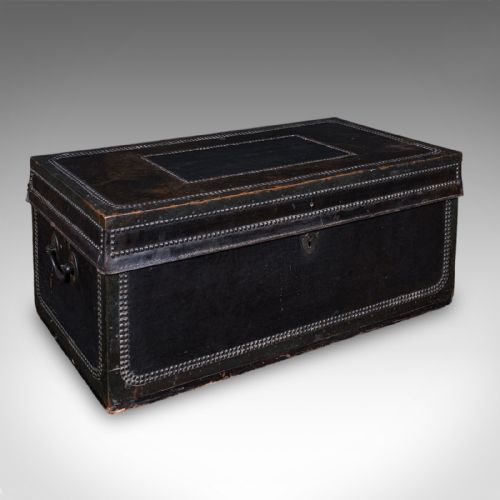
Vintage Wooden Campaign Chest
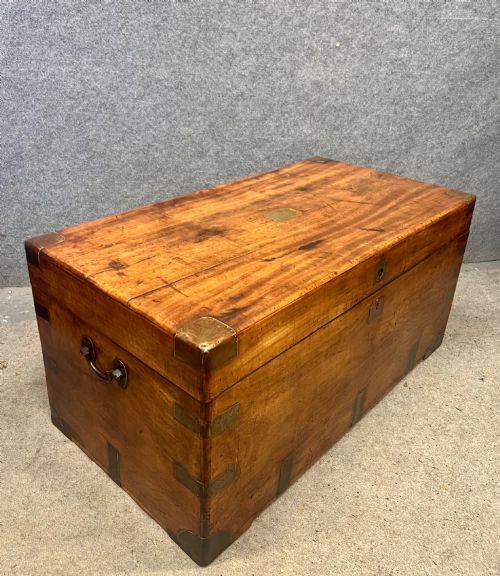
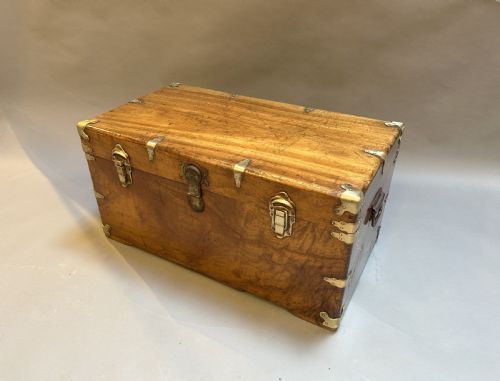
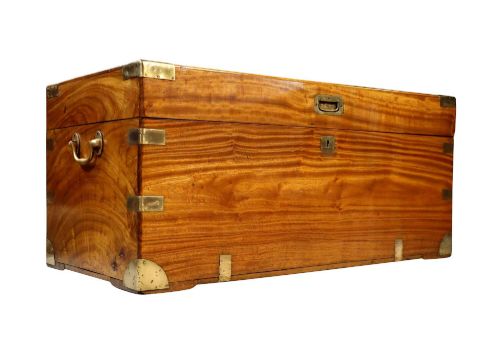
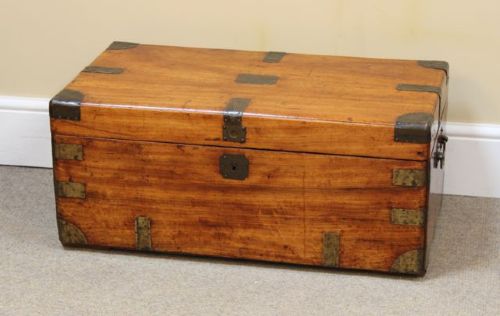
A vintage wooden campaign chest is a portable case built for travel, offering sturdy storage with solid brass bindings.
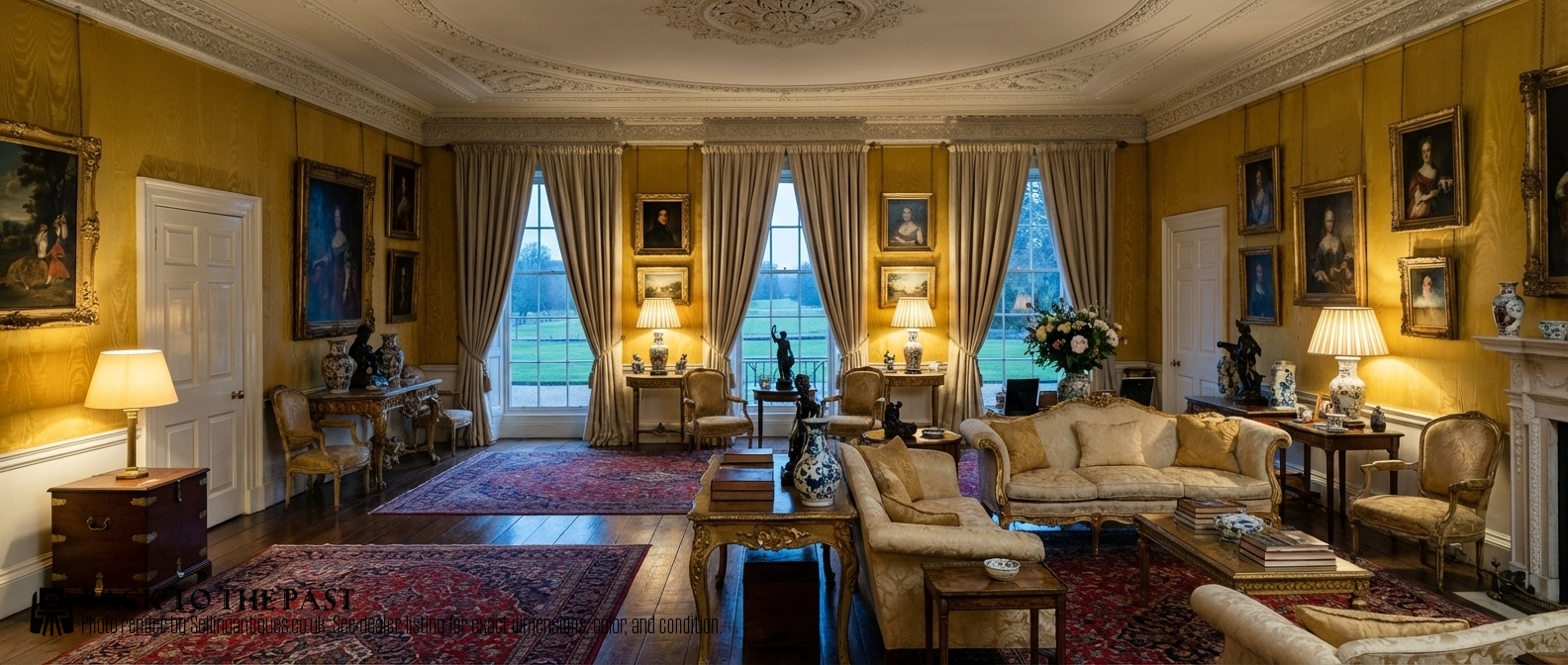
Vintage Wooden Campaign Chest
When buyers search for a vintage wooden campaign chest, they encounter portable furnishings designed for military officers and travellers during the eighteenth, nineteenth and early twentieth centuries. These pieces split into sections or present as tough trunks meant for transit.
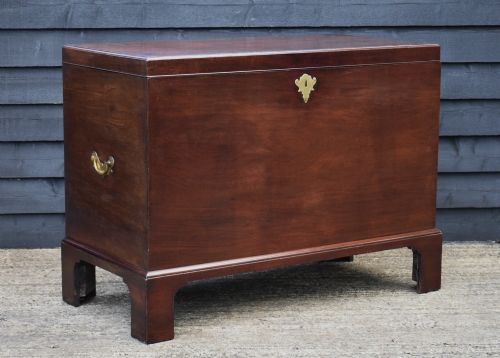
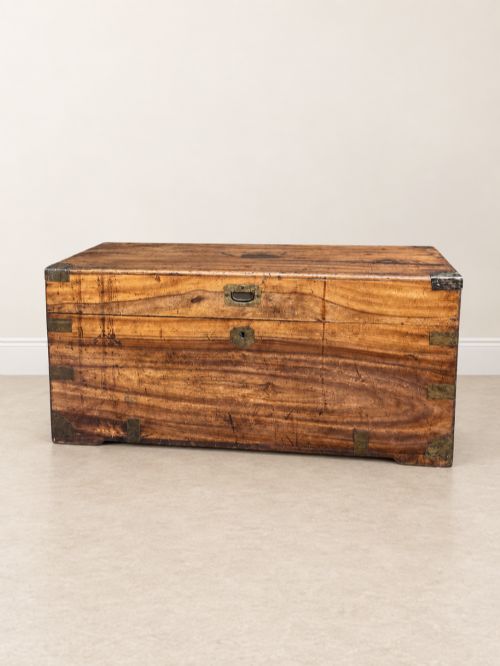
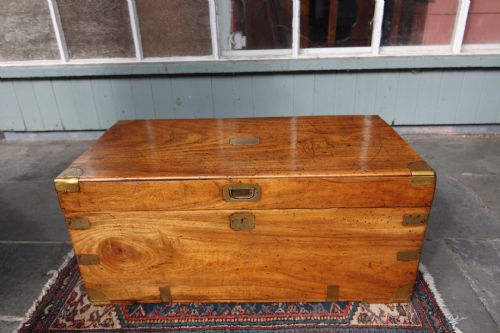
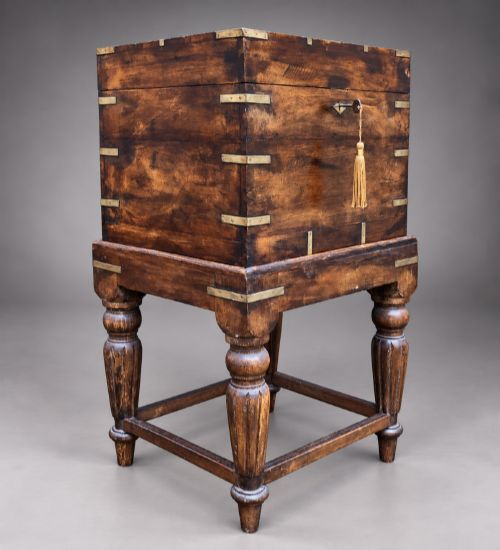
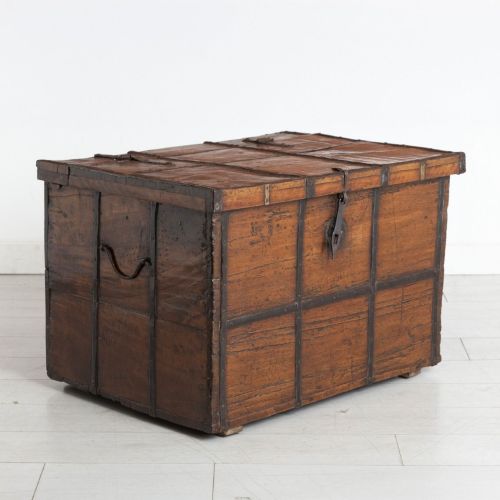
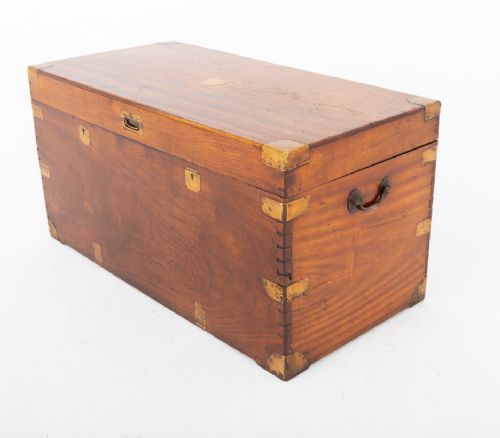
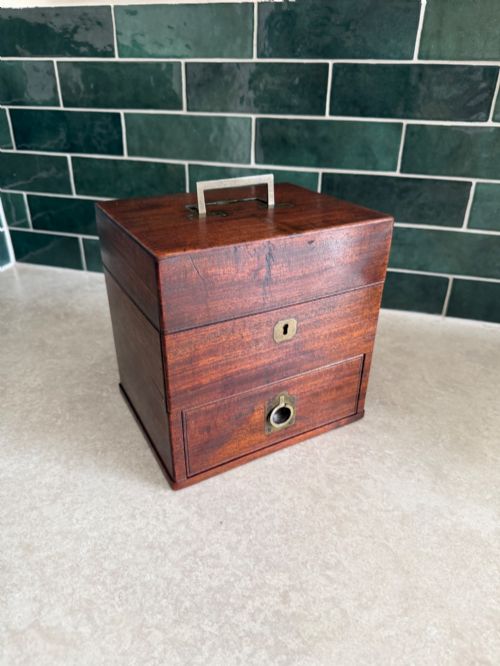
The versions most frequently met on this page include nineteenth-century chests made from camphor wood, teak and mahogany, often reinforced with brass corners and recessed handles. Alongside standard rectangular storage trunks, listings feature specialised forms like wine cellarettes, washstands and writing boxes.
Origins stretch across British colonial territories, including Anglo-Indian and Ceylonese workshops, alongside domestic British cabinetmakers working in Georgian and Victorian styles. The unifying thread remains practical utility combined with robust construction for life on the move.
How they were made
Maker construction relies heavily on durable timbers such as camphor wood, teak, mahogany, padouk and pine, chosen to withstand fluctuating climates and heavy transport. Camphor wood additionally repels insects, making it a frequent choice for clothing storage.
Metal reinforcement defines the manufacturing technique, utilising brass corners, straps and iron bindings screwed or nailed into the wood to protect vulnerable edges during transit. Flush-fitting hardware and recessed drop handles ensure that no protruding parts catch on ropes or packing cases.
Many examples utilise sectional designs that divide into two separate stacking modules, secured by side brackets and pins for ease of loading onto horses, wagons or ships.
Current listings span the Georgian, Victorian and Edwardian periods, utilising teak, camphor wood, mahogany and pine.
What varies in quality
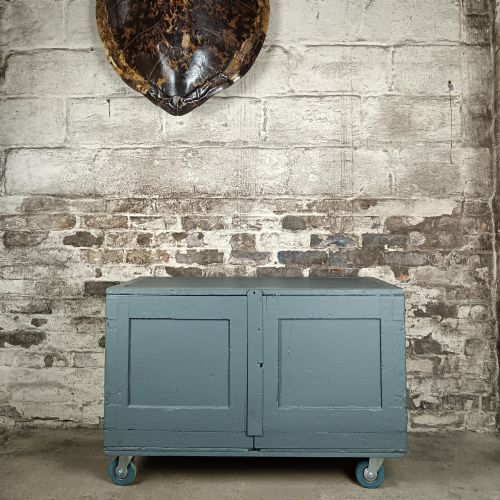
Quality differences emerge in the selection and figure of the timber, where dense, richly grained woods like padouk, rosewood and figured mahogany indicate superior workshop commissions. Plain pine and utility transit crates sit at the other end of the scale.
The execution of the hardware separates standard production from finer cabinet work, visible in heavy, hand-beaten brass fittings, precise dovetail joints and original working locks with matching keys. Secondary woods and internal partitions reveal whether a piece received careful individual assembly or hurried mass production.
The Vintage Wooden Campaign Chest Glossary
- Camphor wood
- An aromatic timber native to Asia, utilised extensively for nineteenth-century trunks. Its strong scent deters moths and protects stored textiles.
- Cellarette
- A lockable container designed for holding bottles of wine or spirits. In campaign contexts, these were heavily padded and bound for travel.
- Dovetail
- A joint formed by interlocking wedge-shaped fingers, prized for structural strength in drawer and box construction. Fine examples show tight, numerous pins.
- Brass bound
- Edges and corners reinforced with brass plates and strips. This technique added impact resistance and structural rigidity to travelling luggage.
Vintage Wooden Campaign Chest: Frequently Asked Questions
What is a campaign chest?
A campaign chest is a piece of portable furniture designed for officers and officials on military or colonial service. They are built to dismantle or travel easily.
These chests often feature inset brass handles and reinforced corners to withstand rough handling during transport across land and sea.
Why are many trunks made of camphor wood?
Camphor wood was favoured for campaign furniture because its natural aromatic oil acts as a powerful insect repellent. This kept uniforms and woollens safe from moths in tropical climates.
The timber is also lightweight yet durable, resisting warping in humid conditions.
How do I date a campaign chest?
Dating relies on timber choices, construction methods, and hardware styles. Nineteenth-century examples often display brass strapping and dovetailing characteristic of the Victorian era.
Earlier Georgian pieces tend to use solid mahogany with simpler iron or brass mounts, while later twentieth-century items show different manufacturing tolerances.
How were campaign chests used?
Owners used them to transport personal belongings, documents, uniforms and tableware during military campaigns or colonial postings. They doubled as writing desks or dressing tables in the field.
Modular versions stacked together inside tents or campaign quarters to save floor space.