
Vintage Wooden Bucket
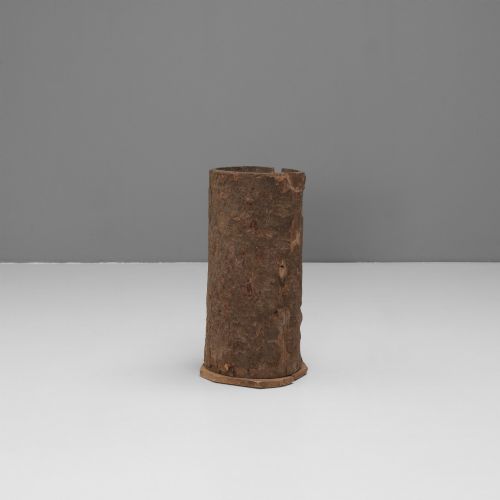
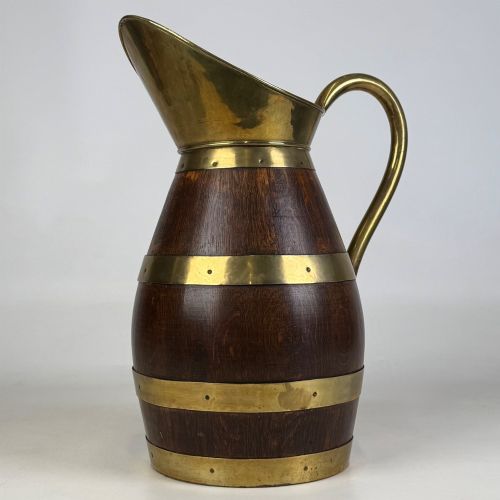
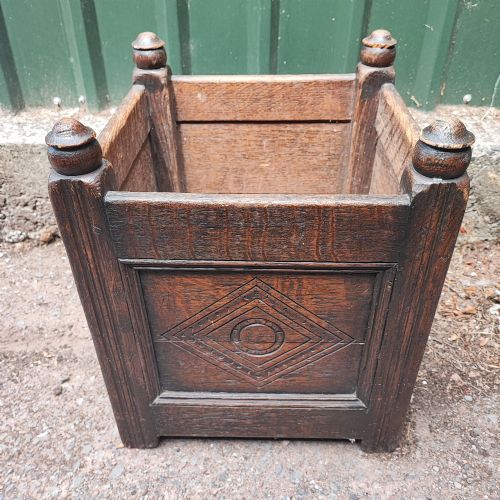
A vintage wooden bucket brings solid character to a hearth or hallway, serving as a sturdy container for coal, logs, or umbrellas.
Vintage Wooden Bucket
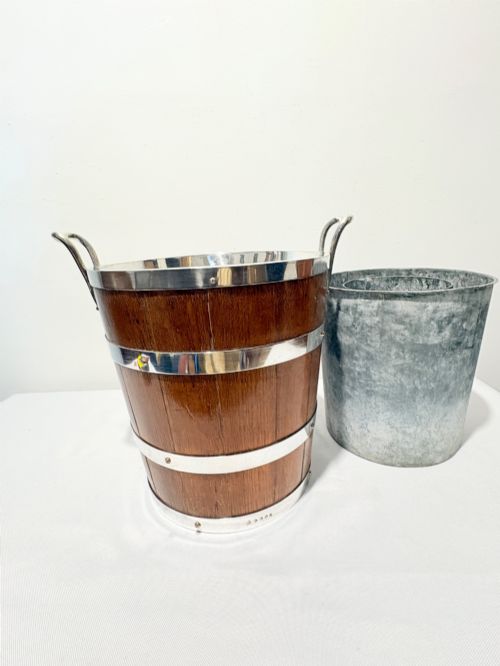
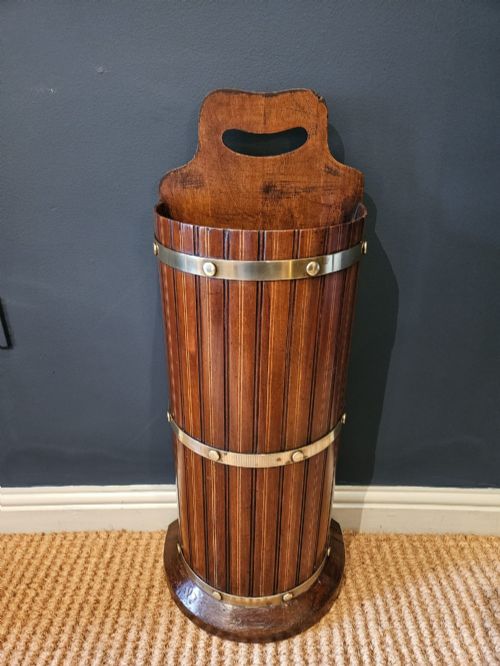
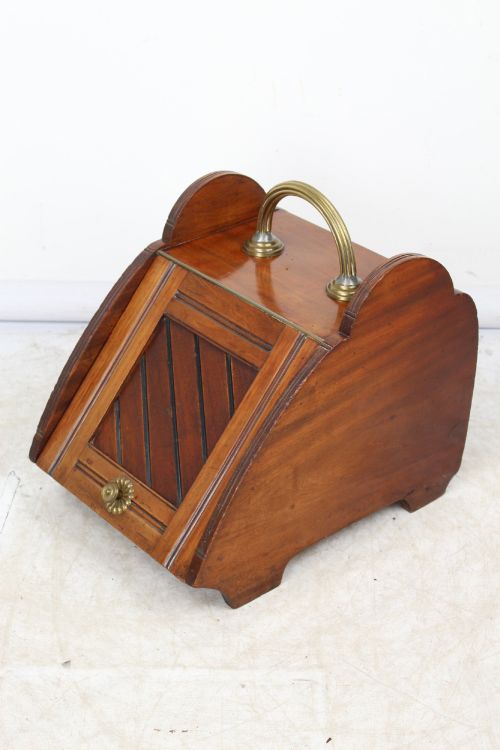
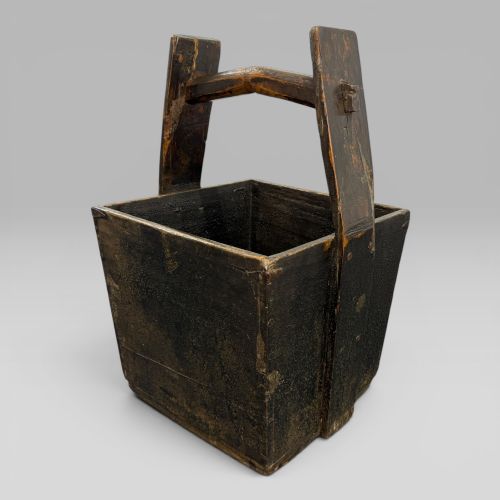
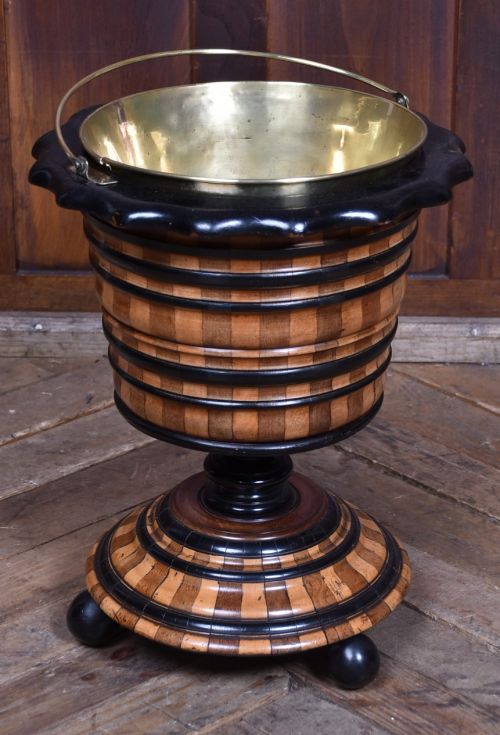
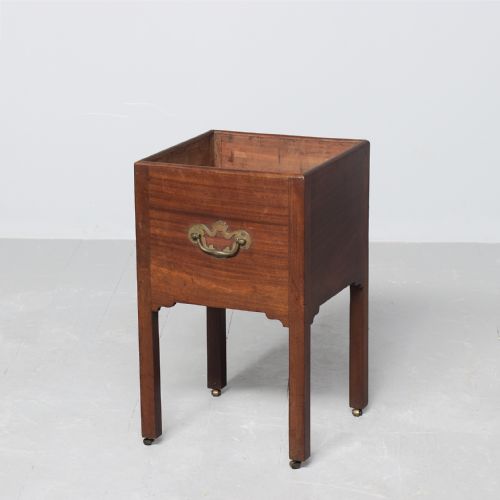
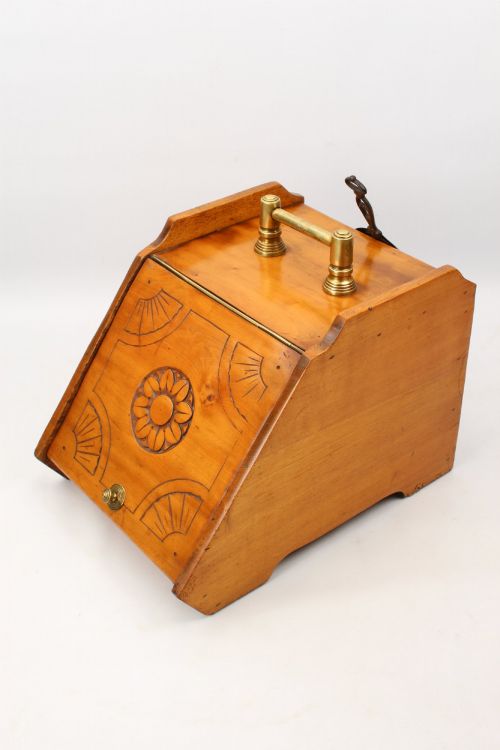
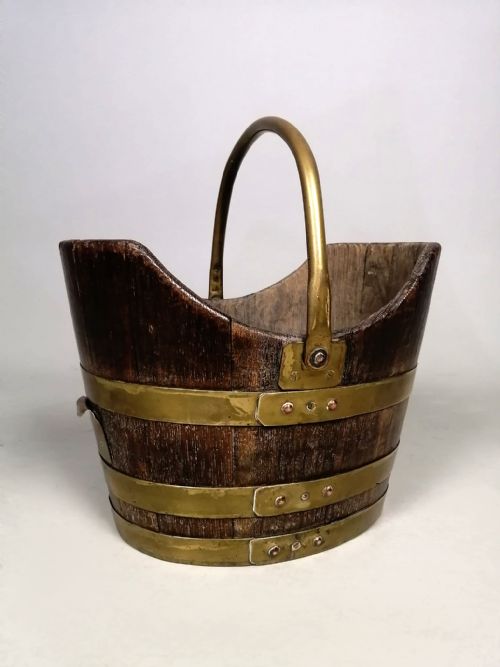
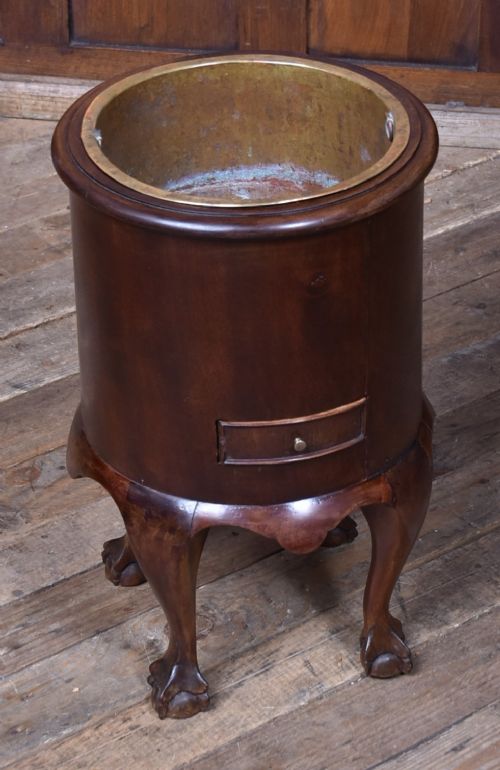
A vintage wooden bucket encompasses domestic vessels from the eighteenth, nineteenth, and early twentieth centuries, spanning periods from the Georgian era through to the Edwardian years. The selection on this page centres on utilitarian forms transformed into interior decor, including coal scuttles, wine coolers, jardiniere stands, and umbrella holders.
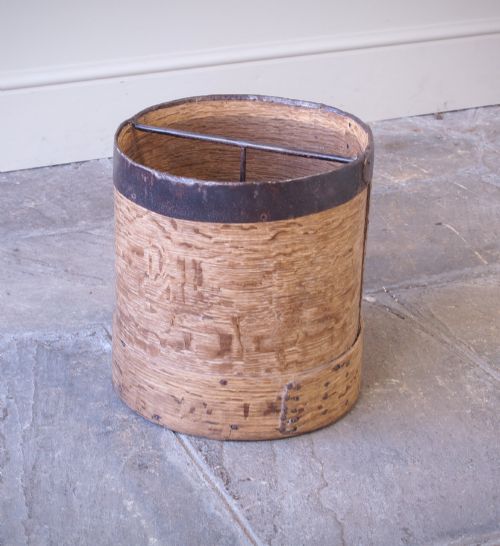
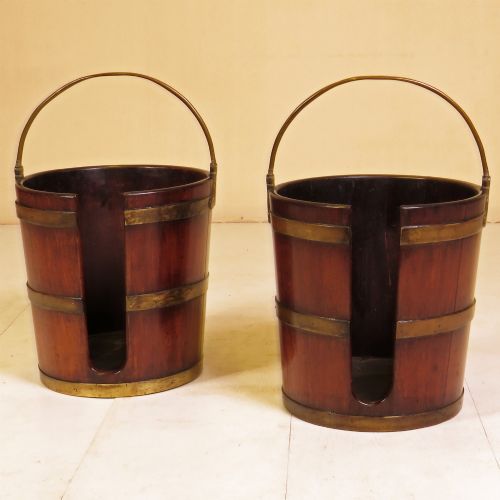
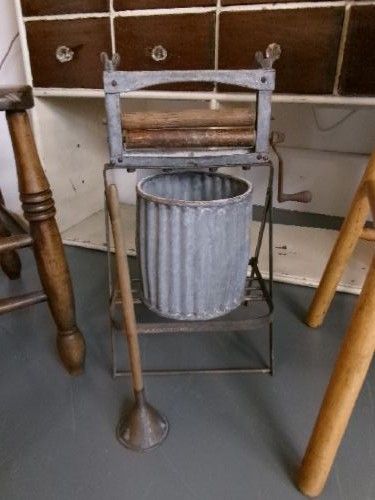
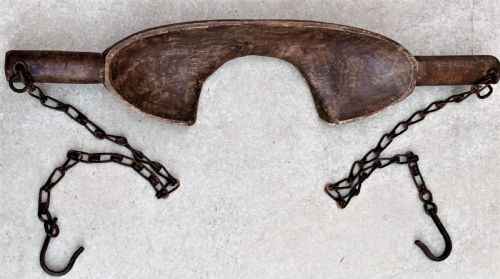
Buyers will encounter items built for specific historic tasks, such as coopered washing tubs, dairy maid shoulder yokes, grain measures, and harvest baskets. Oak and mahogany examples dominate, often banded with brass or iron to secure the staves.
Forms range from small table wine coolers to large fireside log bins and well buckets originating from English, French, Chinese, and Scandinavian workshops.
How they were made
Master coopers shaped timber staves and fitted them tightly together around a base, binding the vessel with heavy metal hoops of brass or iron to hold the construction firm. Woods such as oak, mahogany, walnut, and elm provide the sturdy foundation for these containers.
Many items incorporate metal liners made of brass or copper to protect the timber from moisture and burning fuel. Carpenters and joiners turned pedestals, carved handles, and applied inlaid details to refine utilitarian items for formal reception rooms.
Materials appearing across the inventory range from traditional hardwoods like walnut and elm to functional brass and iron hardware.
What varies in quality
The standard of a vintage wooden bucket rests on the precision of the cooperage and the selection of timber grain. Pieces exhibiting tight, well-fitted staves and substantial metal banding demonstrate superior workshop practice.
Refined detailing separates standard utility ware from pieces designed for formal spaces, such as mahogany grain and inlaid decoration, original brass handles, and fitted metal liners.
The Vintage Wooden Bucket Glossary
- Coopered
- Built from curved wooden staves assembled together like a barrel by a craftsman known as a cooper. This technique ensures the vessel holds together securely without relying on modern adhesives.
- Cellarette
- A lockable container used for storing wine bottles near the dining table. Georgian and Victorian examples often feature brass banding and lead-lined interiors.
- Purdonium
- A specialised coal box designed for domestic hearths, usually featuring a sloping front and a carrying handle. These containers kept solid fuel tidy beside Victorian fireplaces.
- Jardiniere
- An ornamental pot or stand designed to hold indoor plants and flowers. They frequently appear in oak or mahogany with metal liners to catch water runoff.
- Staves
- The narrow vertical strips of wood fitted together to form the sides of barrels, buckets, and tubs. The skill of the maker is visible in how tightly these pieces join.
Vintage Wooden Bucket: Frequently Asked Questions
How were these wooden buckets used originally?
These vessels served demanding everyday tasks in domestic and agricultural settings, carrying coal, peat, and logs to hearths, or holding water and washloads.
Over time, many of these utilitarian containers transitioned into decorative roles within the home, acting as planters, umbrella stands, or wine coolers.
Can I use a vintage wooden bucket for plants?
Many of these containers, such as jardiniere stands and well buckets, suit plant display particularly well. Many historical examples include metal liners designed to contain soil and moisture.
Checking for a protective inner liner helps preserve the integrity of the antique timber when watering plants indoors.
How do I care for a wooden bucket?
Keeping wooden items away from direct heat sources and extreme temperature shifts prevents the timber staves from drying out and shrinking.
Applying a traditional wax polish occasionally helps nourish the wood surface and maintain the natural lustre of the grain.
How do I identify the period of a bucket?
Georgian and late eighteenth-century items often feature rich mahogany with fine brass banding intended for dining rooms and formal parlours.
Victorian and Edwardian pieces frequently utilise oak, pine, or beech, reflecting the robust requirements of nineteenth-century hearths and utility rooms.