



Vintage Wooden Board Games
Vintage wooden board games bring tactile entertainment into a room, spanning folding travel sets, heavy scoreboards, and inlaid tables.
Vintage Wooden Board Games
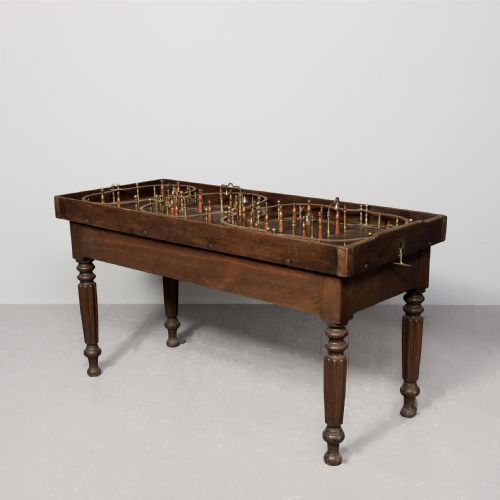
Vintage wooden board games encompass a wide range of antique pastimes, from freestanding bagatelle tables and folding chess boards to intricate games boxes and wall-hung scoreboards. Buyers searching for vintage wooden board games will encounter items spanning the Georgian, Victorian, and early twentieth-century periods, reflecting both domestic parlor leisure and public games rooms.
The objects take diverse forms, including specialised cribbage boards, solitaire boards with marbles, compendiums of games, and fairground panels. Materials range from humble oak and sycamore to luxurious rosewood, walnut, and mahogany, often embellished with brass, bone, or mother-of-pearl.
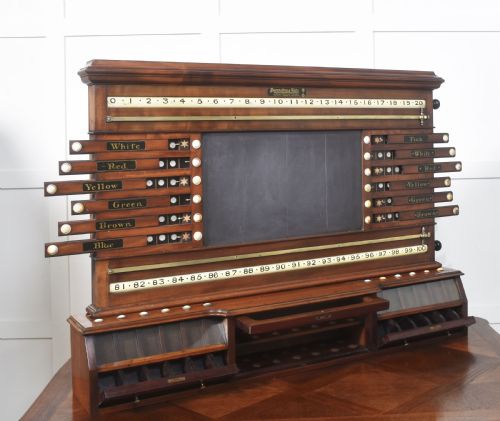
Originating from British workshops as well as Anglo-Indian, Swedish, and Chinese makers, these pieces demonstrate the global reach of nineteenth-century and early twentieth-century play. Folding chess and backgammon boards designed for travel sit alongside substantial pub scoreboards by makers such as Orme & Sons and Thurston & Co Ltd.
How they were made
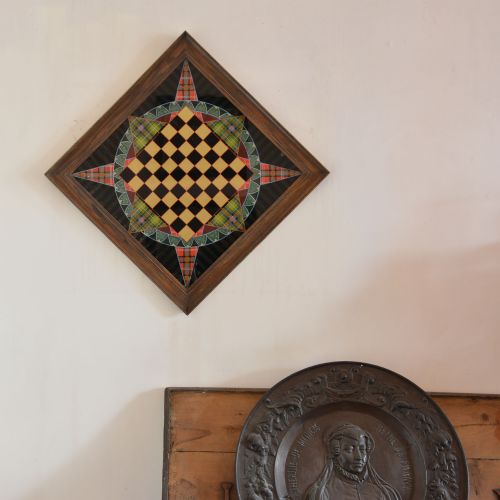
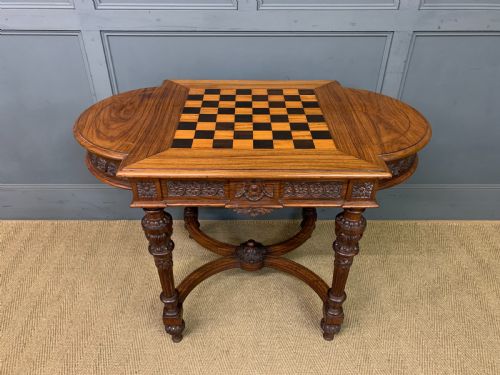
Cabinetmakers constructed these objects using dense hardwoods like mahogany, walnut, and rosewood, frequently employing contrasting timbers such as boxwood and sycamore for inlay and chess squares. Woodwork was often combined with reverse glass painting, mother-of-pearl, and brass fittings to create durable and decorative surfaces.
Joinery techniques varied by form, utilising sturdy box construction for games compendiums and cribbage boxes, alongside folding hinges for portable travel chess sets. Scoreboards incorporated sliding wooden indicators and brass pointers mounted on backing boards of oak or mahogany.
Listings feature 19th-century materials including mahogany, brass, bone, boxwood, rosewood, slate, and walnut across various games tables and boards.
What varies in quality
The standard of a piece rests upon the precision of its woodworking, the choice of timber, and the integrity of its decorative details such as marquetry or reverse glass painting. Substantial scoring boards by established firms display superior mechanical fittings and robust timber framing compared to utilitarian examples.
Completeness dictates utility and collectability, with pieces retaining original components - such as marbles for solitaire, matching chess sets, and intact internal compartments - holding greater integrity. The finesse of the carving, the selection of figured veneers like burr walnut, and the crispness of inlaid borders distinguish finer parlor items from standard items.
Orme & Sons Manchester·Thurston & Co Ltd·British Chess Company
The Vintage Wooden Board Games Glossary
- Compendium
- A fitted box containing multiple games and accessories, such as chess, backgammon, and drafts, designed for comprehensive parlor entertainment.
- Cribbage board
- A scoring board featuring tracks of small holes for pegs, used to keep score in the card game cribbage.
- Bagatelle
- A precursor to modern billiards where balls are struck with a cue up an inclined wooden board into numbered cups.
- Marquetry
- Decorative woodwork where pieces of veneer are fitted into a backing to form geometric or pictorial designs on tabletops and boards.
- Staunton
- A standardised style of chess piece with conventionalized, heavily weighted designs that became the tournament standard in the mid-nineteenth century.
Vintage Wooden Board Games: Frequently Asked Questions
How do I date a wooden games board?
Dating relies on timber selection, construction methods, and prevailing furniture styles like Victorian revival or Georgian simplicity. Maker signatures and patent marks stamped into wood or brass also provide reliable chronological markers.
Secondary indicators include the presence of hand-cut dovetails, brass hinges, and accompanying game pieces styled to specific decades, such as nineteenth-century Staunton chess sets.
Were these games meant for travel or home?
Many items were designed specifically for portability, featuring folding boards, compact locking mechanisms, and self-contained compartments for pieces. Travelling chess and backgammon sets allowed Victorians to play during long journeys.
Conversely, heavy billiard scoreboards, freestanding bagatelle tables, and large games compendiums remained stationary furniture pieces intended for permanent placement in parlors, billiard rooms, and clubs.
How do I care for antique wood and inlay?
Keep wooden games away from direct sunlight and fluctuating radiator heat to prevent timber from splitting and veneers from lifting. Regular dusting with a dry, soft cloth preserves the polish without introducing moisture.
Avoid chemical polishes that can degrade nineteenth-century wax finishes or loosen delicate mother-of-pearl and bone inlays. A gentle application of microcrystalline wax can occasionally feed dry timber.
What is a games compendium?
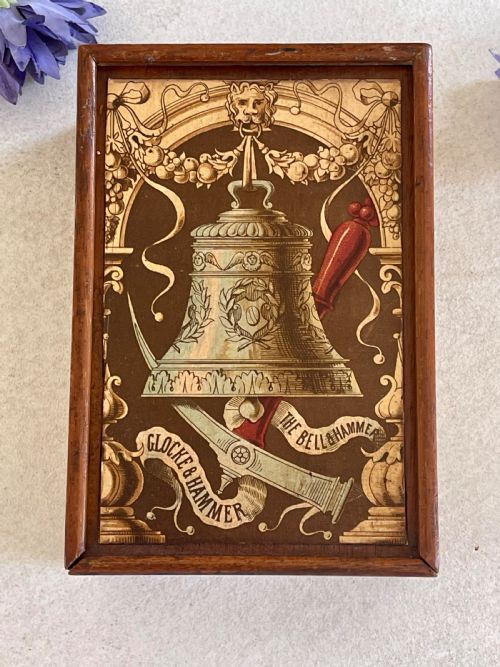
A games compendium is a multi-game box housing equipment for several pastimes, such as chess, backgammon, cribbage, and draughts, arranged in fitted trays. These boxes offered Victorian households a space-saving solution for entertaining guests.
They often feature lockable burr walnut or mahogany cases with brass hardware, containing folding boards and matching turned wooden markers or dice.