

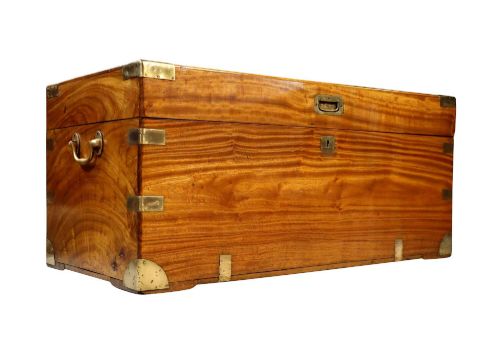
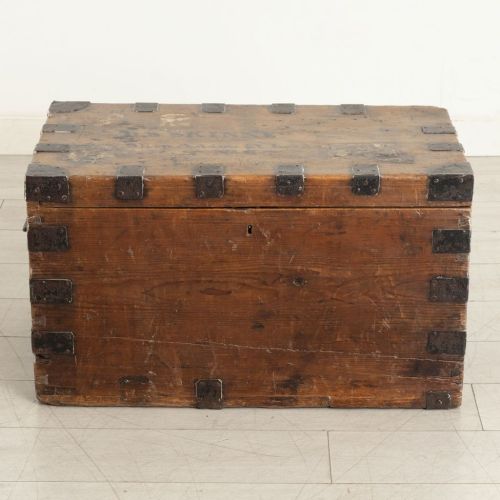
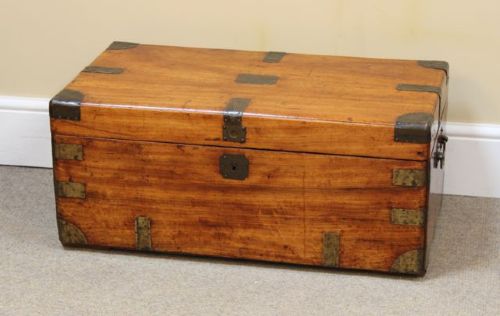
Vintage Wooden Blanket Chest
A vintage wooden blanket chest provides sturdy storage with historic character, bringing practical charm and rich timber grain to any room.
Vintage Wooden Blanket Chest
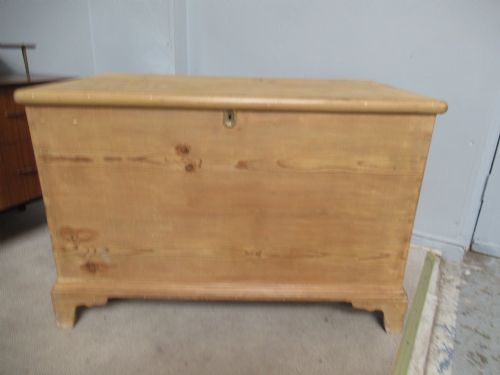
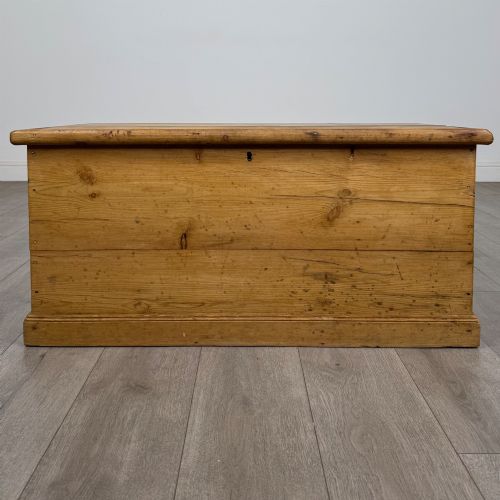
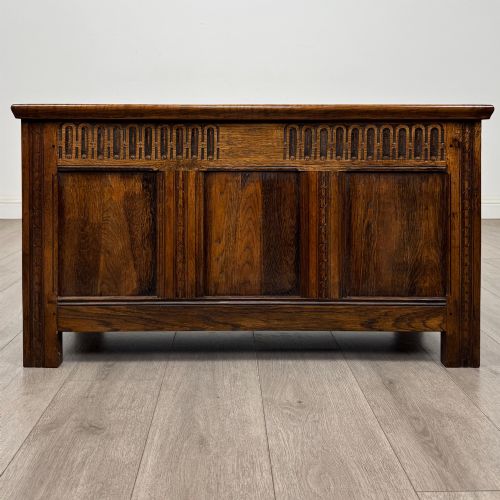
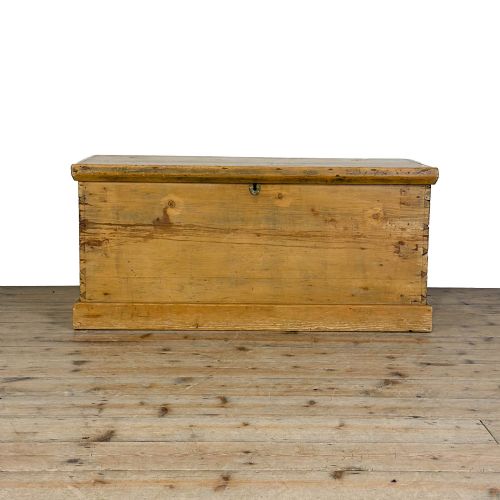
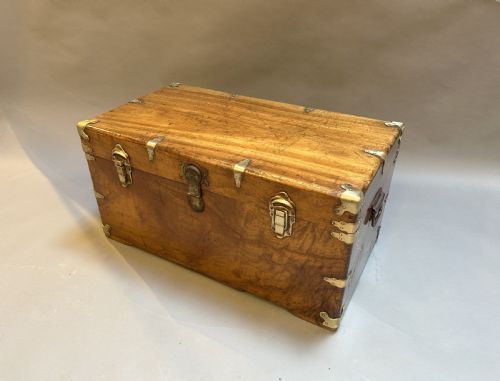
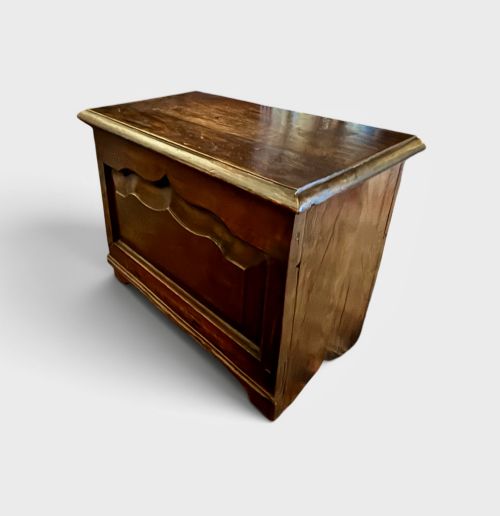
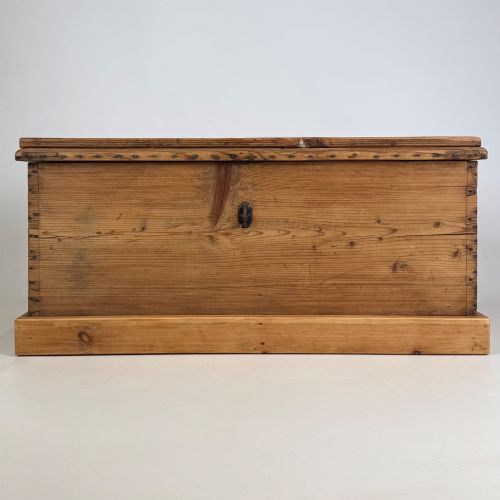
A vintage wooden blanket chest is a substantial storage piece designed to hold household linens, blankets, and personal possessions. When exploring this selection, buyers will most frequently encounter pine and oak examples dating from the Victorian era and the nineteenth century, often configured as traditional blanket boxes or sturdy travel trunks.
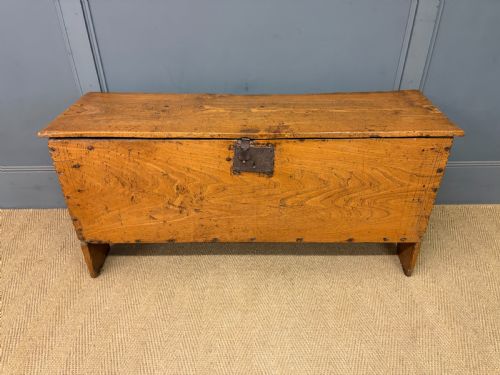
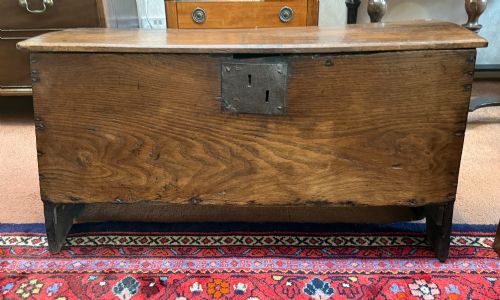
Beyond simple domestic storage boxes, the inventory encompasses specialised regional and travel forms including campaign chests and dowry chests. These pieces originate from various periods spanning from the seventeenth century through to the early twentieth century, reflecting diverse utilitarian and decorative traditions.
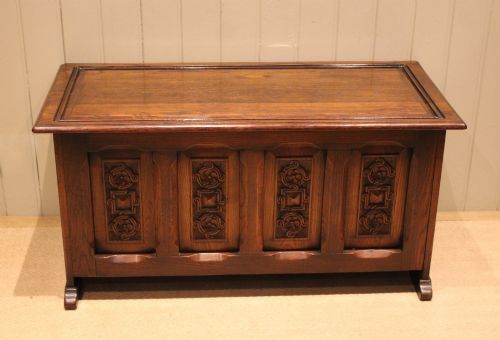
The objects serve as both functional furniture and historical artefacts, utilising durable timbers to ensure longevity. Whether found as a stripped pine travel trunk or a carved oak coffer, each item offers a direct link to historical storage methods.

Construction and Materials
These chests rely on solid timbers such as pine, oak, camphor wood, and teak, chosen for their structural strength and distinctive grain patterns. Carpenters joined heavy planks using traditional methods to withstand the rigours of domestic use and travel.
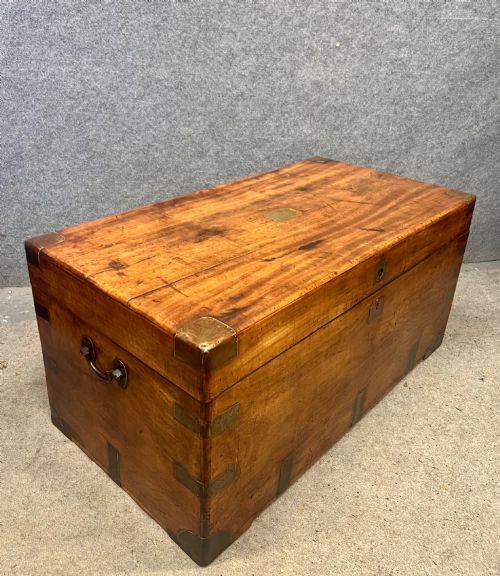
Metalwork played a crucial structural role, with blacksmiths and metalworkers adding hand-forged iron strapwork, brass bindings, and decorative studs. These metal reinforcements protected the corners and edges while securing the heavy wooden lids and panels.
Surface treatments vary from natural waxed finishes and dark polish to painted folk art designs and mother of pearl inlay. Artisans shaped the wood through carving or smoothing, leaving visible tool marks and patination that record the manufacturing era.
Vintage Wooden Blanket Chest Retail Price Guide 2026
Typical asking prices for vintage wooden blanket chest among the pieces listed under this phrase on Sellingantiques today, from the lower quarter to the upper quarter. They describe what is for sale here now, not the wider market.
Listings span multiple centuries, incorporating seventeenth-century coffers and nineteenth-century campaign chests.
Assessing Quality
Quality in these chests rests upon the selection of timber and the integrity of the joinery rather than mere decorative flourish. Denser hardwoods and carefully chosen quartersawn oaks provide superior stability compared to utilitarian utility grade softwoods.
The refinement of the hardware and metal fittings distinguishes standard pieces from superior examples. Finely chased brass bindings, original hand-forged iron strapwork, and intact internal compartments indicate higher craftsmanship and purposeful design.
The preservation of original surface finishes and patination dictates the overall desirability of a piece. Retaining authentic paintwork, natural wax buildup, or untouched patinated hardware elevates the historical integrity of the box.
The Vintage Wooden Blanket Chest Glossary
- Coffer
- A heavy wooden chest traditionally used for storing valuables, documents, or textiles. These sturdy boxes often feature carved panels and robust hinges.
- Campaign chest
- A portable trunk or chest made in sections with recessed brass handles and corner brackets designed for military transport. Officers utilised these collapsible or stackable units during campaigns.
- Camphor wood
- An aromatic hardwood valued for its insect-repellent properties, commonly used for maritime and travel chests. The distinct scent helps protect stored woollens and blankets.
- Strapping
- Metal bands, usually of iron or brass, affixed across the exterior of a chest to reinforce the wooden structure. This metalwork provides both physical strength and visual contrast.
- Dowry chest
- A large storage box commissioned or gifted upon a marriage to hold the bride's household linens and possessions. These pieces often display elaborate carving or decorative studwork.
Vintage Wooden Blanket Chest: Frequently Asked Questions
How were blanket chests originally used?
These chests served primarily to store heavy woolen blankets, household linens, and personal valuables away from dust and pests. In domestic settings, they often doubled as seating benches at the foot of a bed.
For travellers and military officers, specialised trunks transported clothing and equipment across long distances. Their robust construction ensured contents remained secure during transit.
How do I care for a vintage wooden chest?
Maintain the timber by applying a microcrystalline wax periodically to nourish the dry wood and protect the surface. Avoid placing the chest in direct sunlight or near heat sources to prevent timber splitting.
Ensure the interior remains well-ventilated, particularly with aromatic woods like camphor, to preserve both the fabric contents and the natural scent of the timber.
How can I tell the period of a chest?
Examine the construction methods, tool marks, and hardware types used to assemble the box. Hand-forged iron strapwork and pegged joints often suggest earlier eighteenth or seventeenth-century origins.
Later Victorian and Edwardian pieces frequently incorporate machine-sawn timber, standardised brass hinges, and internal locking mechanisms that reflect industrial manufacturing advances.
What is a campaign chest?
A campaign chest is a portable storage trunk built for military officers on the move. These pieces feature flush brass handles and reinforced corners to withstand frequent transport.
Many separate into distinct modular sections or contain internal compartments designed to organise clothing and paperwork efficiently on active service.