



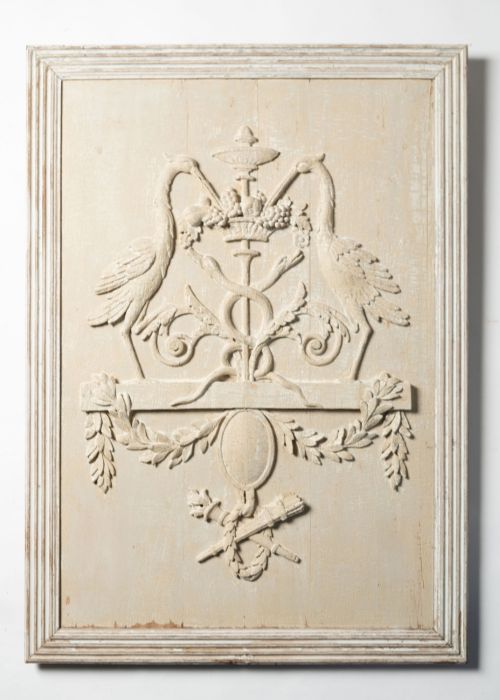

Vintage Wood Panel Painting
These vintage wood panel painting pieces bring direct hand-painted artistry on rigid wooden supports into your rooms.
Vintage Wood Panel Painting
A vintage wood panel painting represents a diverse group of works where artists applied oil paint directly onto wooden boards, panels, or carved supports rather than stretched canvas. When searching for a vintage wood panel painting, you encounter pieces spanning from the eighteenth century through the mid-twentieth century, encompassing British landscapes, French decorative panels, and naive animal portraits.
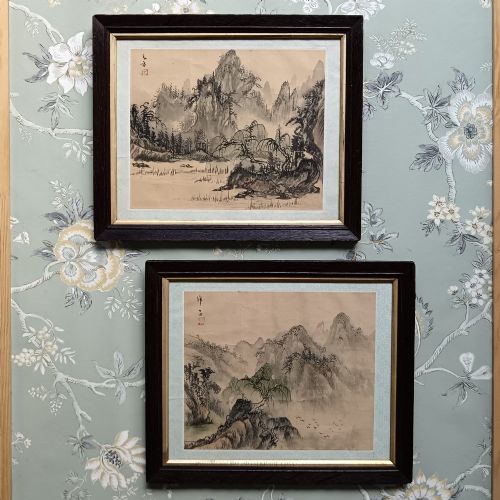
The selection on this page includes landscape scenes, still lifes of fruit, portraits, and fairground panels, reflecting the wide range of subjects executed on wood. Many examples originate from British, French, and Italian schools, showing both formal academic training and folk art traditions.
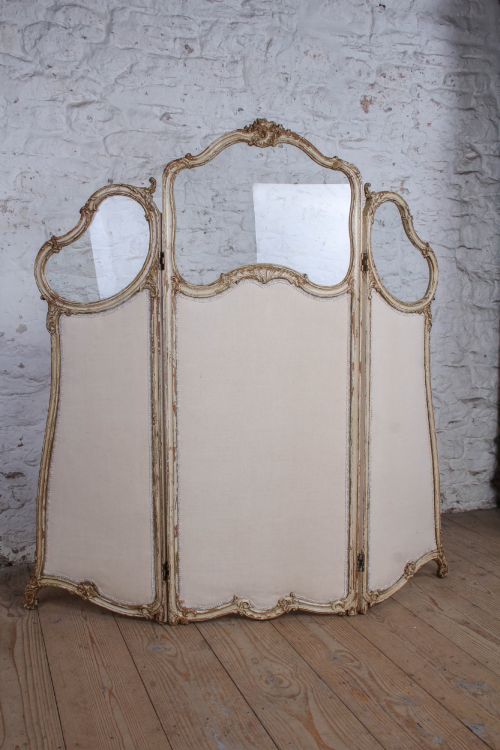
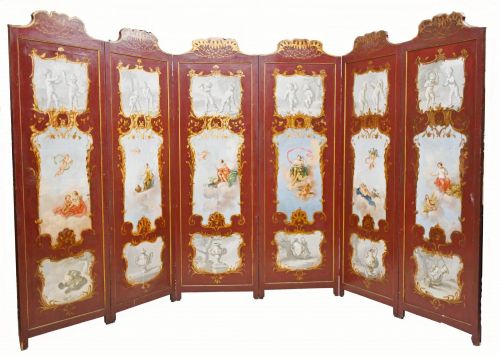
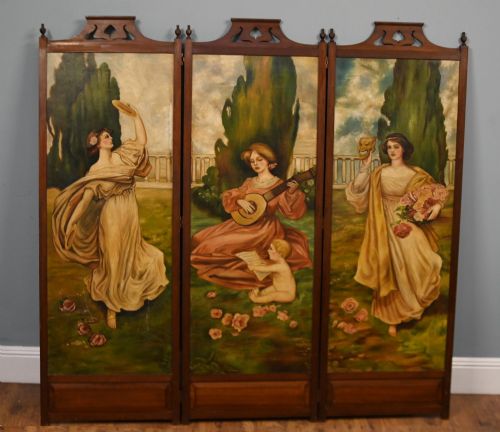
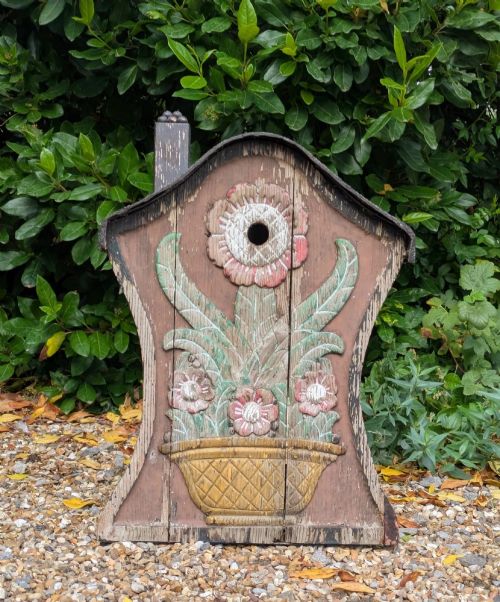
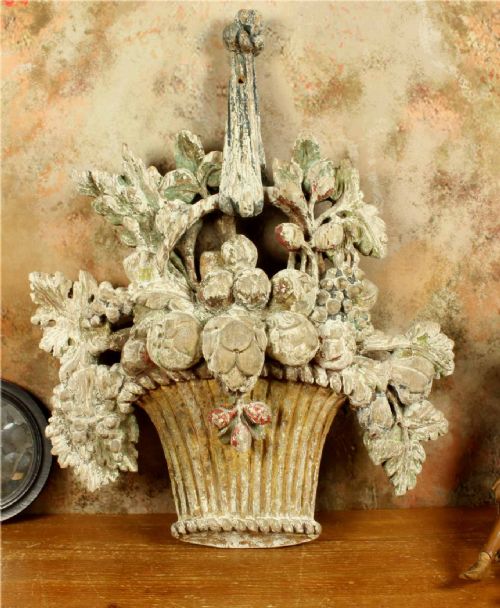
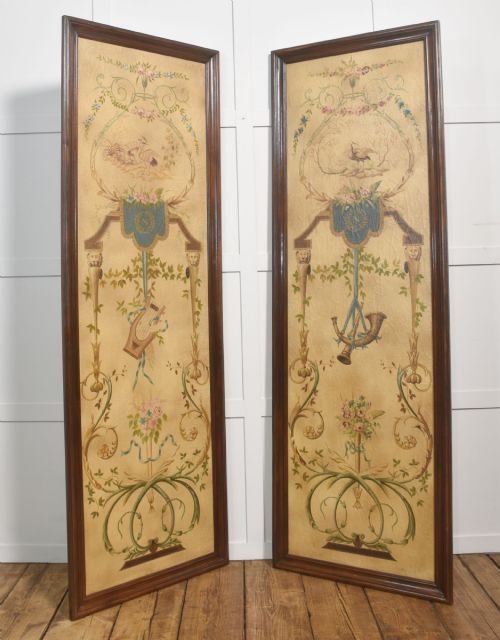
The physical form varies from single framed pictures and wall reliefs to folding screens and architectural panels. The wooden support itself frequently shows age, grain variations, and the marks of its original construction.
Materials and construction methods
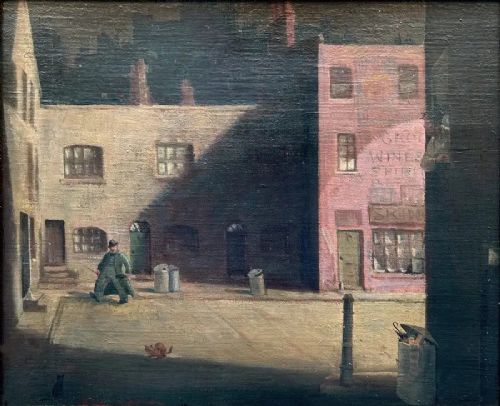
Makers utilised solid wood boards, wooden panels, and wooden boards as the primary support for these artworks, occasionally employing carved wooden relief elements. Oil paint was applied directly to the prepared surface, sometimes retained in solid wood period frames or original frames.
The physical build ranges from simple planks used by naive painters to finely prepared panels utilised by academic artists. Supporting structures can include brass fixtures or glass elements depending on whether the piece functions as a painting, screen, or mirror surround.
Vintage Wood Panel Painting Retail Price Guide 2026
Typical asking prices for vintage wood panel painting among the pieces listed under this phrase on Sellingantiques today, from the lower quarter to the upper quarter. They describe what is for sale here now, not the wider market.
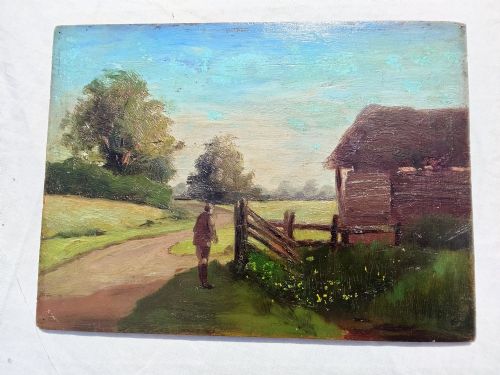
A painted soldier stands quietly on a panel, waiting for a parade that stopped in the early twentieth century.
Qualities of distinction
Quality in these works rests upon the precision of the brushwork and the confidence of the composition. Stronger pieces display assured handling of light and subject matter, whether in a Scottish Highland landscape or a still life of fruit.
The condition and character of the wooden support also influence the piece, with well-preserved panels retaining stable paint layers without excessive flaking. The integration of the work within its period frame or original setting contributes to its overall integrity.
Tom Campbell·Francisco Sancha·Florence Adelina Hess·Paul-Élie Gernez·Hubert Wellington·Fernando Del Basso·Hans Temple·Quirijn Van Brekelenkamp
The Vintage Wood Panel Painting Glossary
- Wood panel
- A flat piece of timber used as a rigid support for painting in place of stretched canvas.
- Oil paint
- Pigment mixed with a drying oil, applied to create durable artworks with rich depth of colour.
- Folk art
- Artistic work created within a traditional culture by self-taught makers, often seen in decorative panels and naive paintings.
- Trumeau
- A decorative wall panel or mirror, frequently incorporating painted scenes set into wood framing.
- School
- A group of artists associated with a particular region, period, or shared stylistic approach.
Vintage Wood Panel Painting: Frequently Asked Questions
What periods do these pieces date from?
The pieces span from the eighteenth century through the nineteenth century and into the mid-twentieth century. Dates cover specific years like nineteen hundred and nineteen twenty alongside broader era labels.
Most items reflect the aesthetic preferences of their respective decades, ranging from early nineteenth-century naive works to mid-twentieth-century European landscapes.
How should I hang a heavy panel?
Wooden panels possess more weight than standard canvas paintings due to the solid timber support. Ensure your wall fixings match this substantial weight.
Utilise secure picture wire or direct wall brackets suited to heavy wooden objects to keep the piece stable.
Are these works signed by artists?
Certain pieces carry visible signatures from painters, while others remain unattributed works from regional schools. Signed examples often record the maker's hand directly on the painted surface.
Unsigned pieces rely on stylistic indicators and subject matter to suggest their origin and period.
What subjects appear on these panels?
Common subjects include pastoral landscapes, valley scenes, still life arrangements of fruit, and animal portraits. Artists also painted figurative scenes and decorative architectural panels.
Fairground panels and folding screens introduce alternative formats beyond traditional rectangular wall art.