
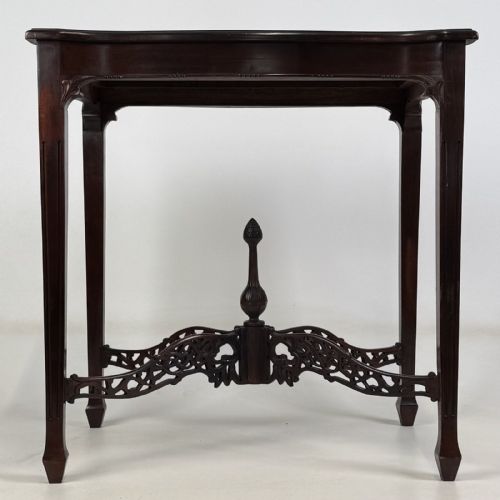
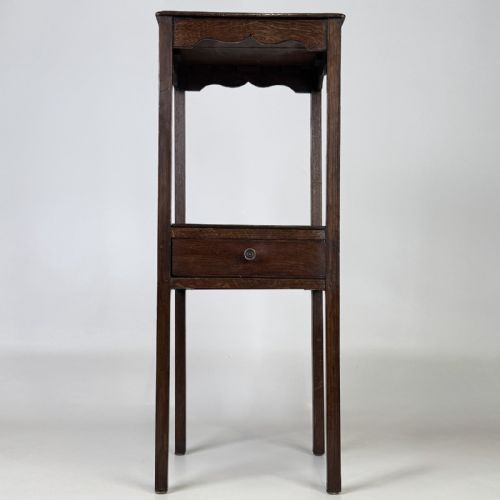
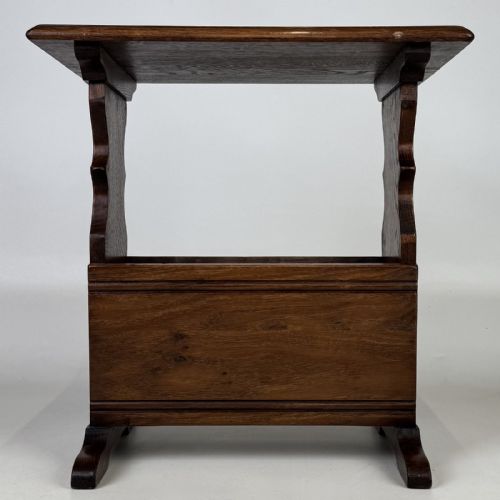
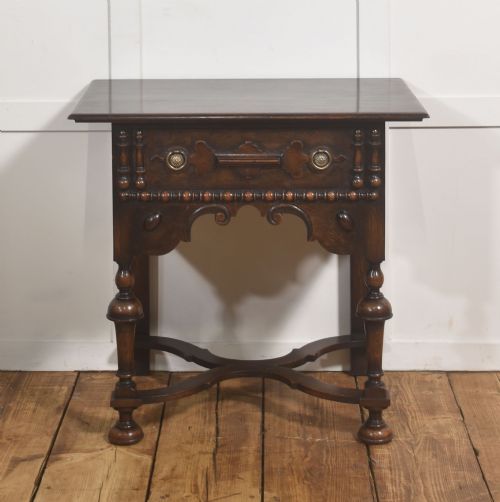
Vintage Wood Lamp Table
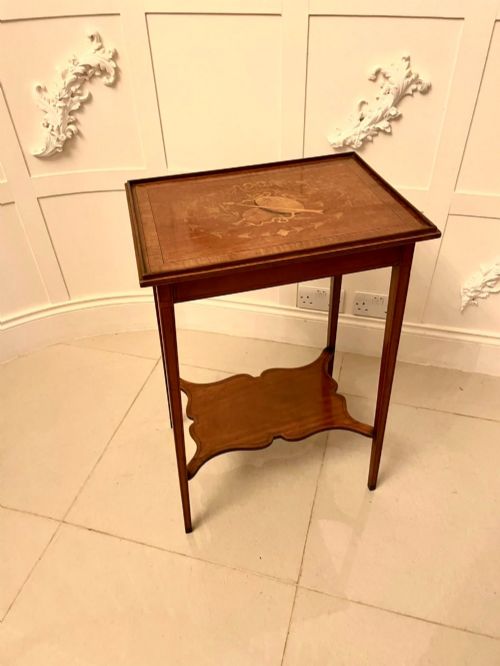
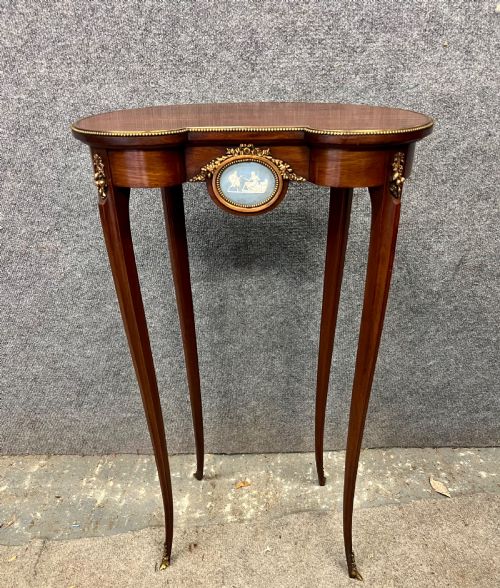
These vintage wood lamp tables bring practical surfaces and period character to a room, spanning Edwardian, Victorian and Art Deco designs.
Vintage Wood Lamp Table
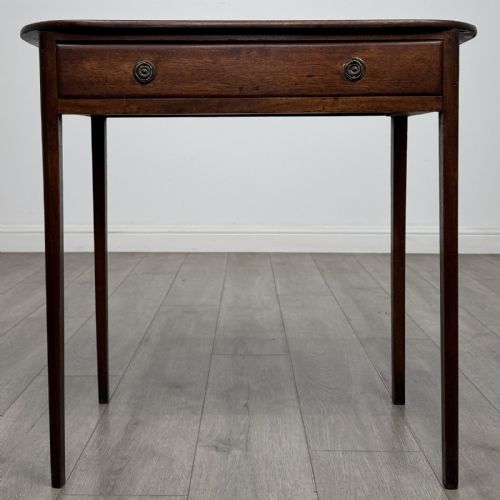
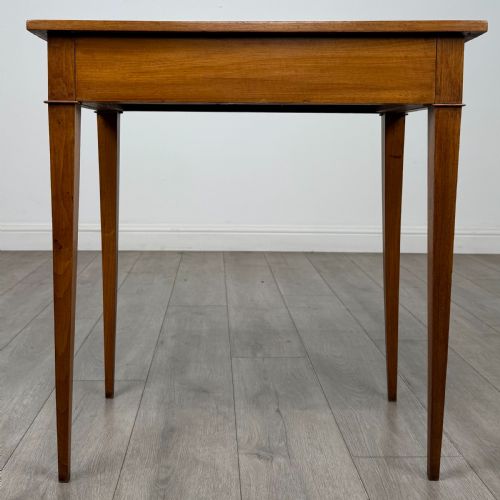
A vintage wood lamp table provides a compact surface for lighting and display, appearing across periods from the 18th century through to the 1930s. The selection relies heavily on Edwardian and Victorian examples, alongside Art Deco and 1930s pieces.
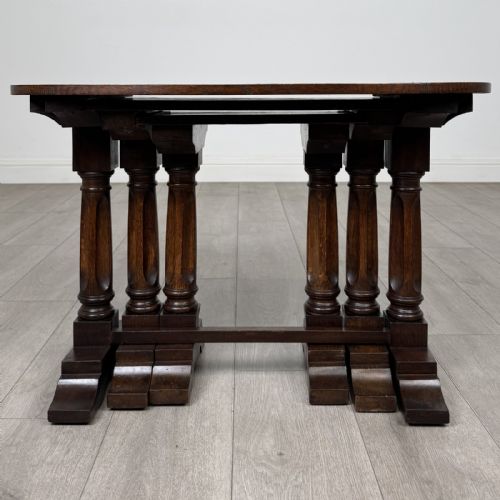
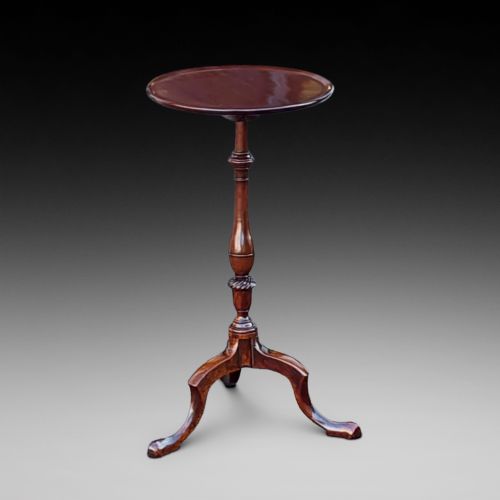
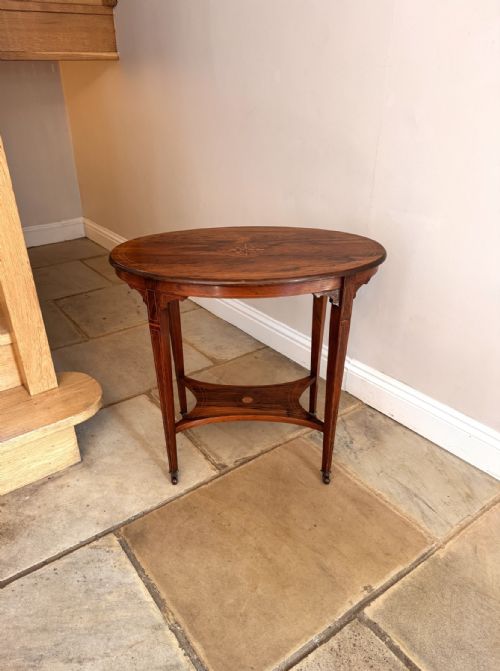
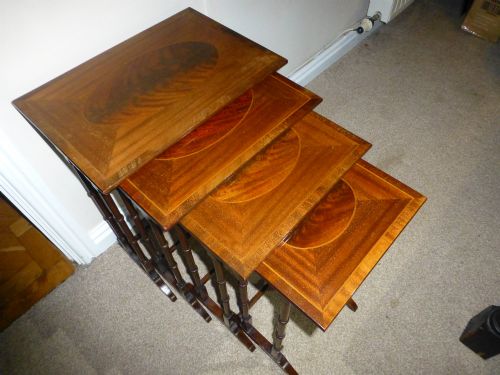
Forms span wine tables, occasional tables, side tables, and nests of tables, often overlapping with bedside cabinets and lamp bases. Buyers encounter these versatile surfaces in formats ranging from small octagonal tops to carved oak and mahogany structures.
Materials and construction methods
Cabinet makers utilised hardwoods such as mahogany, oak, walnut, rosewood, and yew, frequently pairing timber frames with brass details, marble tops, or fabric elements. Surface finishes include wax polish, painted floral decoration, ochre lacquer, and gilding.
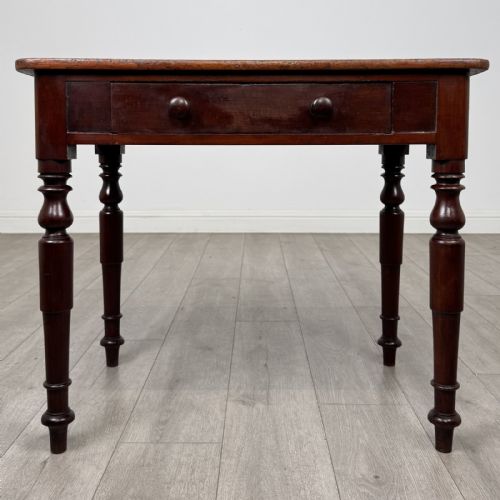
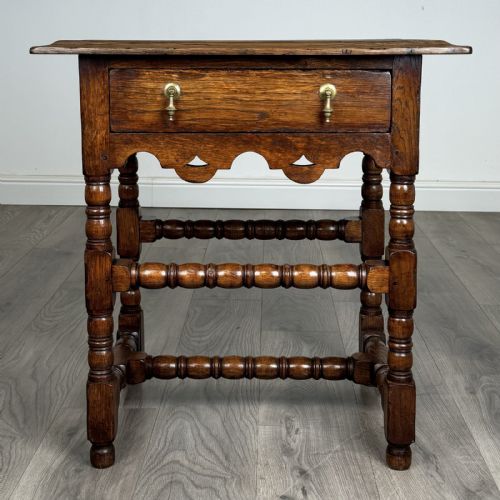
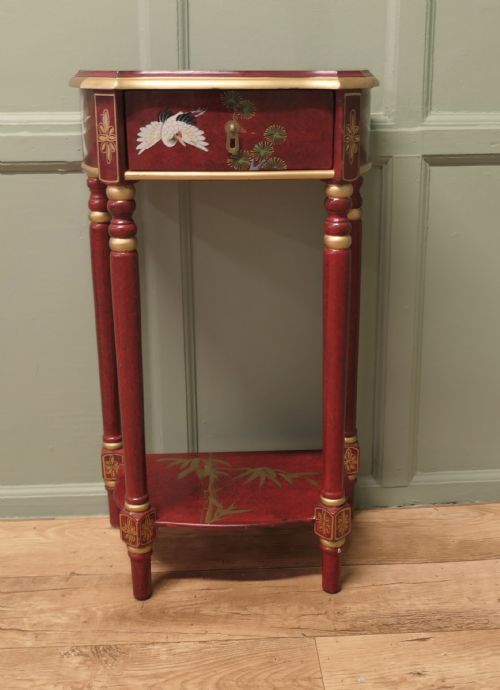
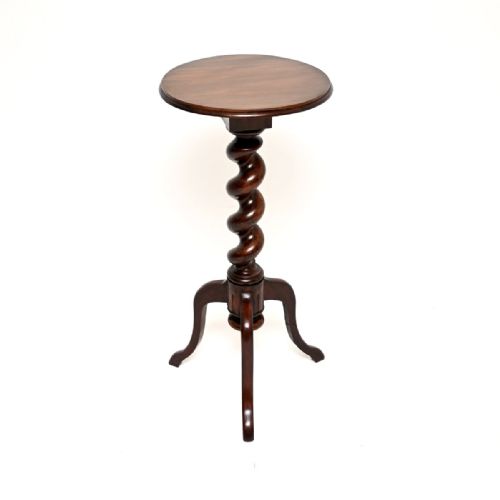
Construction techniques incorporate carved wood details, barley twist turnings, and Chinoiserie lacquering alongside structured drawer joinery. Tables from the Art Deco period display figured veneers, while earlier Victorian and Edwardian items often feature solid timbers and turned supports.
A Japanese carved brush pot lamp from the Meiji period sits alongside traditional British occasional tables.
Assessing quality in period tables
Quality rests in the selection of timber, such as highly figured walnut, rosewood, or solid yew, contrasted against simpler painted surfaces or standard oak. The precision of carving, the integrity of turned elements like barley twists, and the execution of decorative finishes distinguish finer workshop output.
Construction depth dictates longevity, seen in stable joinery, matching wood grains across panels, and the integration of secondary materials like gilded brass or marble inserts. Finer pieces demonstrate careful proportion and well-executed stylistic revivals, from Jacobean to Regency.
The Vintage Wood Lamp Table Glossary
- Occasional table
- A small, movable table designed for general use in a reception room rather than a specific dining or writing function. These pieces serve well beside seating to hold small objects.
- Etagere
- A set of open shelves for displaying small ornaments and decorative items. These tiered pieces often feature in mahogany, satinwood or rosewood.
- Barley twist
- A spiral turning carved into furniture legs and upright supports. This decorative technique appears frequently on Edwardian oak furniture.
- Chinoiserie
- European imitation and adaptation of Chinese artistic traditions, typically executed through lacquer and painted decoration. This style brings distinctive colour and pictorial detail to wooden surfaces.
- Serpentine
- A furniture front or edge shaped with a central convex curve flanked by concave curves. This contour requires skilled carpentry to shape timber accurately.
Vintage Wood Lamp Table: Frequently Asked Questions
What is a lamp table used for?
These small tables hold lighting, drinks, or decorative objects beside a sofa or armchair. Their compact footprints make them suitable for spaces where a full-sized side table proves too large.
Historically, specific designs like wine tables and occasional tables emerged to serve these exact domestic needs, offering a stable surface without dominating the room layout.
How do I identify an Edwardian wood table?
Edwardian pieces often feature lighter timbers such as satinwood, or polished mahogany and oak with understated decoration. Barley twist legs and delicate proportions are common hallmarks of this era.
Makers frequently drew inspiration from earlier styles while building lighter, more functional items suited to Edwardian drawing rooms and parlours.
Are these tables solid wood?
Construction varies between solid timbers like oak, yew, and mahogany, and pieces utilising decorative veneers over secondary woods. Walnut and rosewood examples often highlight figured grain patterns across flat surfaces.
Examining the underside and edges helps reveal whether a piece is built from solid timber or relies on period veneering techniques.
How do Art Deco tables differ from Victorian ones?
Art Deco tables from the 1930s favour geometric lines, figured walnut veneers, and smooth, unadorned surfaces. They reflect a modern aesthetic distinct from earlier periods. NINETEENTH-CENTURY Victorian designs lean towards darker, heavier timbers, rich burr walnut, and more ornate carving or classical revival styles.