



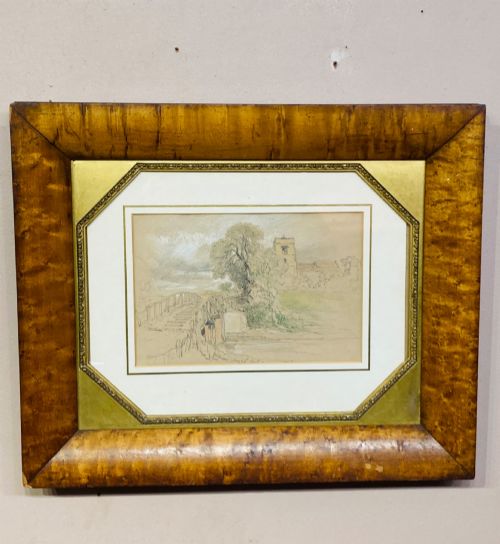
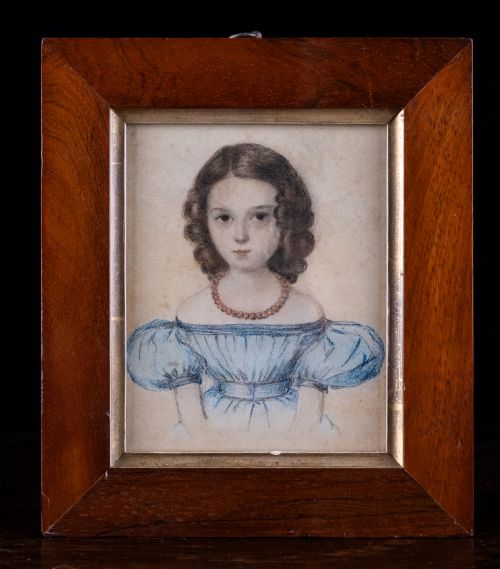
Vintage Wood Frame
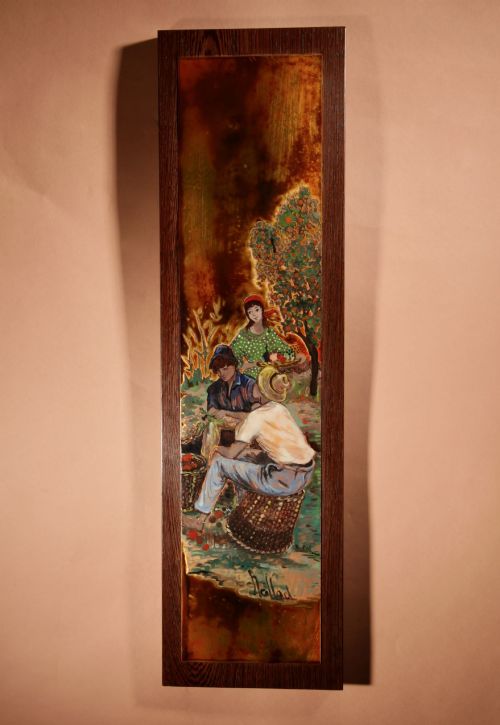
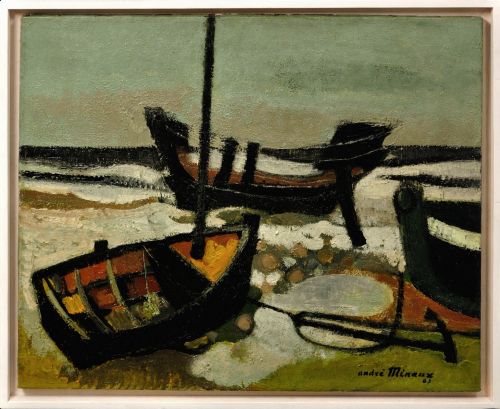
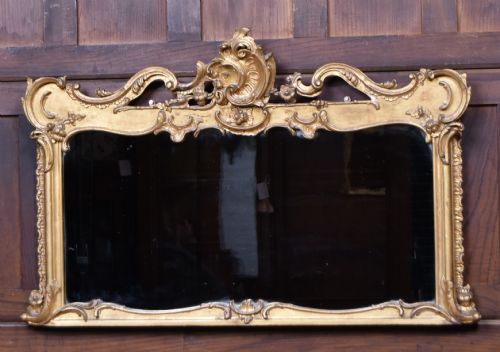
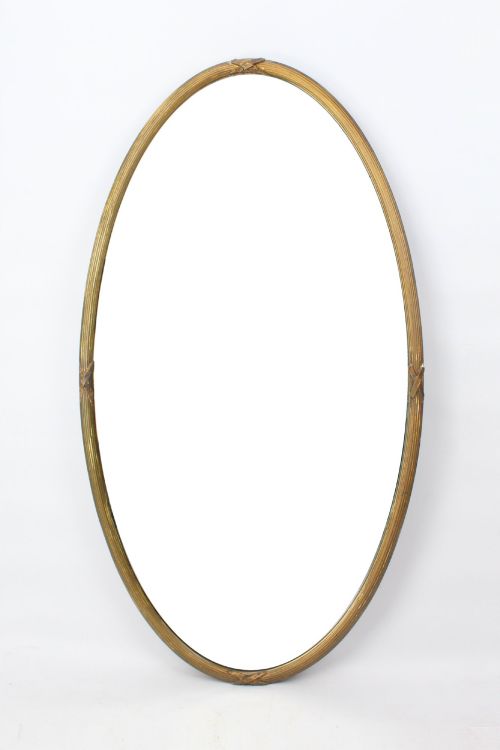
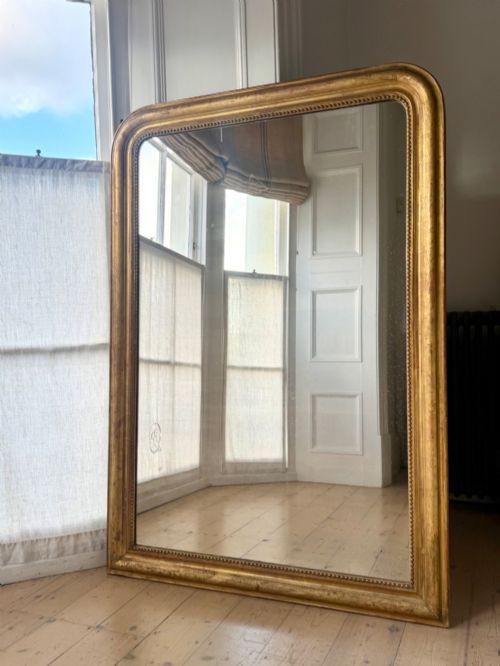
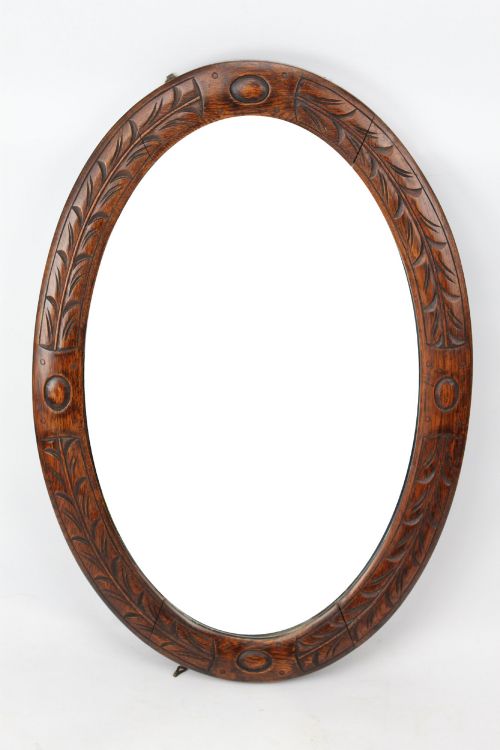
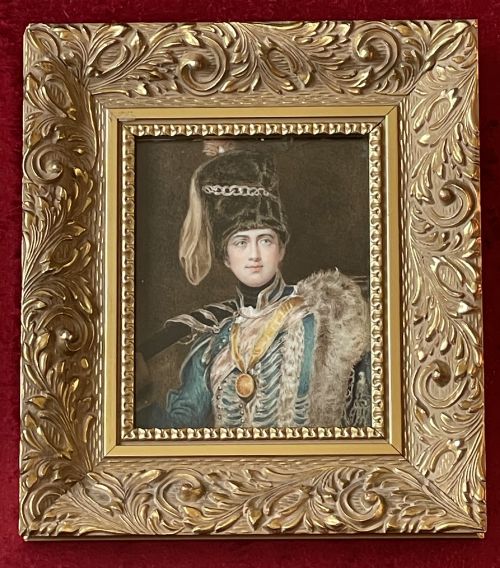
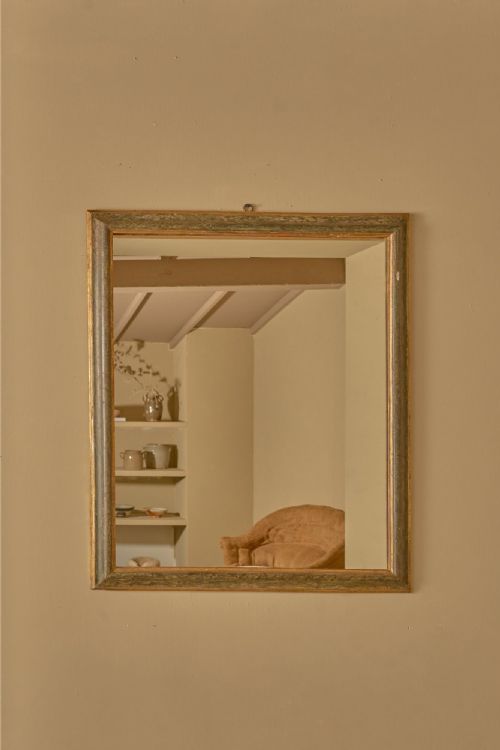
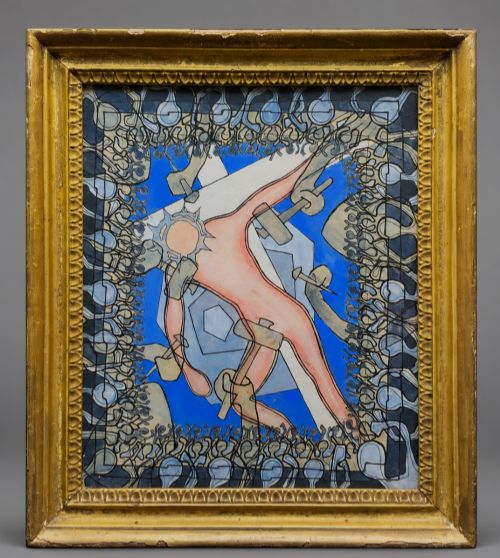
A vintage wood frame holds a mirror or canvas, bringing centuries of skilled carving and polished timber into a modern room.
Vintage Wood Frame
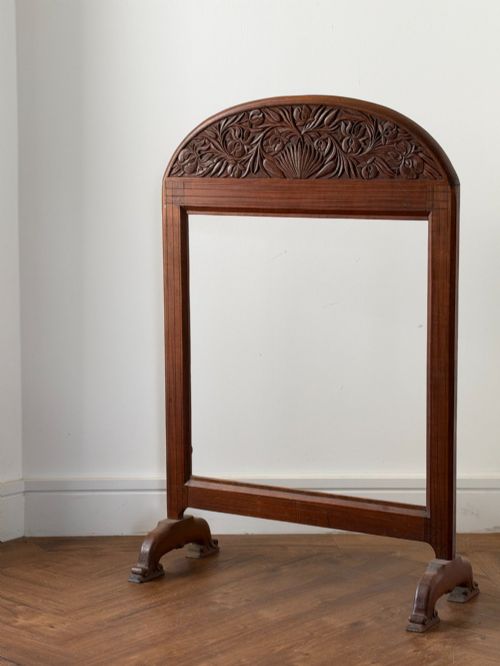
When you search for a vintage wood frame, you encounter a wide selection of mirrors, paintings, and furniture ranging from the eighteenth century to the mid-twentieth century. The selection includes walnut, mahogany, oak, and maple items shaped into wall mirrors, overmantels, armchairs, beds, and clocks.
The most common items meeting this search are wall mirrors and picture frames from the nineteenth century, alongside seating and tables built from hardwoods. Pieces span Georgian, Victorian, and Edwardian periods, reflecting diverse stylistic influences from French Rococo and Italian Florentine to Anglo-Indian and Kashmiri designs.
Objects vary from plain timber mouldings to heavily ornamented constructions incorporating carved details and painted finishes. Buyers select these items for their historical character, traditional materials, and functional utility within contemporary interior spaces.
How they were made
Craftsmen built these pieces using solid timbers such as mahogany, walnut, oak, and birds-eye maple, often joined with traditional cabinet-making methods. Structural frames frequently received decorative applications of gesso and giltwood to achieve ornamental surfaces.
Surfaces were finished with applied gold leaf, brass inlays, or carved mouldings that define styles from French chateau aesthetics to folk art. Artisans shaped timber by hand, employing carving, turning, and joinery techniques suited to the particular wood grain.
Vintage Wood Frame Retail Price Guide 2026
Typical asking prices for vintage wood frame among the pieces listed under this phrase on Sellingantiques today, from the lower quarter to the upper quarter. They describe what is for sale here now, not the wider market.
Listings feature items from the eighteenth, nineteenth, and early twentieth centuries, incorporating materials like brass, glass, mahogany, and gesso.
What varies in quality
The standard of carving and the crispness of moulded gesso separate standard examples from finer works produced by skilled artisans. Depth of relief work and the preservation of original gilt leaf indicate the level of craftsmanship invested in the object.
The selection and preparation of the underlying timber, whether figured mahogany, walnut, or satinwood, influence the visual presence of the finished piece. Intricacy in fretwork, brass inlay, and surface patination further distinguish higher grades of manufacture.
The Vintage Wood Frame Glossary
- Giltwood
- Timber coated with fine gold leaf over a prepared base. This finish appears frequently on nineteenth-century mirror frames.
- Gesso
- A plaster mixture applied to wood surfaces and carved or moulded into decorative reliefs before gilding. It provides the raised ornamentation on many antique frames.
- Fretwork
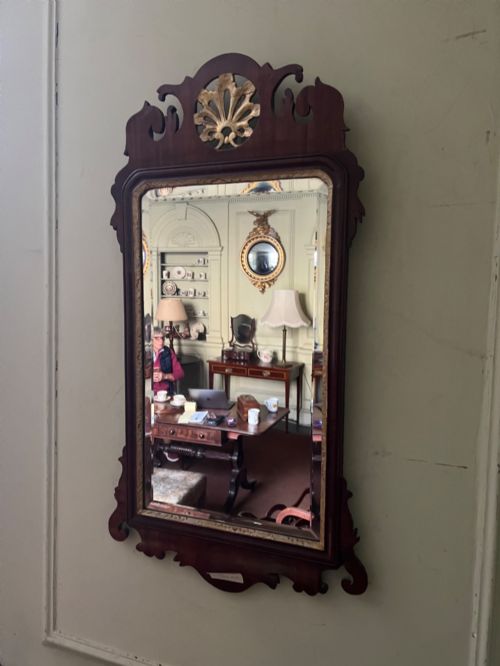
- Ornamental pattern work cut through thin wood with a fret saw. Georgian mirrors often utilise this technique in mahogany surrounds.
- Overmantel
- A large mirror designed to hang specifically above a fireplace mantel. These pieces often feature substantial proportions and ornate frames.
- Parcel-gilt
- Partially gilded woodwork where gold leaf highlights specific carved elements while leaving exposed timber visible elsewhere.
Vintage Wood Frame: Frequently Asked Questions
How do I clean a giltwood frame?
Dust surfaces gently with a soft, dry brush to avoid disturbing fragile gold leaf or aged gesso layers. Moisture and chemical cleaners damage historical gilding.
Keep frames away from direct sunlight and damp conditions to preserve the integrity of the wood and the underlying preparation layers.
Are these frames suitable for modern walls?
Sturdy timber and well-constructed hanging points allow many antique frames to support mirrors or artwork in contemporary interiors. Professional fixings matching the weight of the piece ensure secure wall placement.
Mixing period frames with modern decor adds texture and historical contrast to residential spaces.
What is the difference between Georgian and Victorian frames?
Georgian frames often display precise fretwork, mahogany construction, and restrained classical proportions. Victorian examples tend toward heavier ornamentation, deep profiles, and extensive use of giltwood and gesso.
Comparing the joinery techniques and decorative motifs helps identify the specific era of manufacture.
Can I replace the glass in an antique mirror?
Original glass often exhibits desirable foxing, bubbles, and subtle distortions characteristic of older manufacturing methods. Retaining original mirror plates preserves the historical authenticity of the piece.
Replacement should only occur if the existing glass is broken or completely silvered away.