

Vintage Wood Doors
Vintage wood doors appear in these listings as integrated components of cabinets, bookcases, wardrobes, and sideboards built across the nineteenth and twentieth centuries.
Vintage Wood Doors
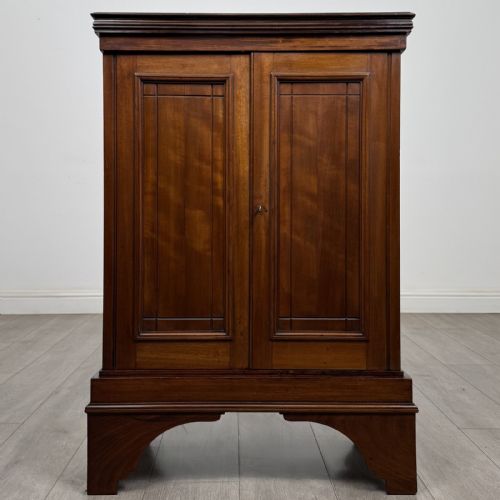
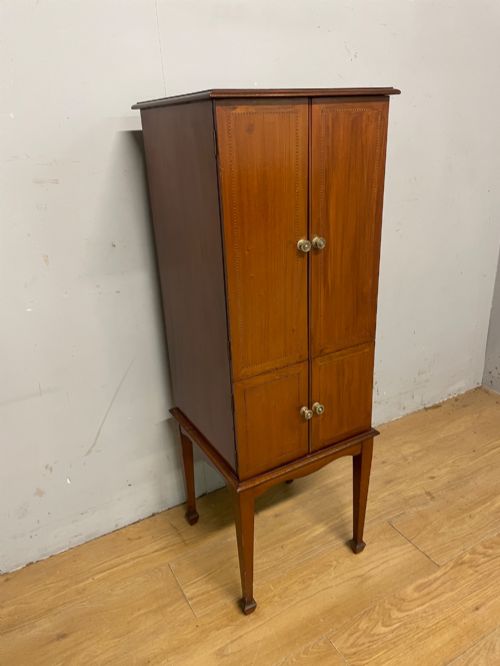
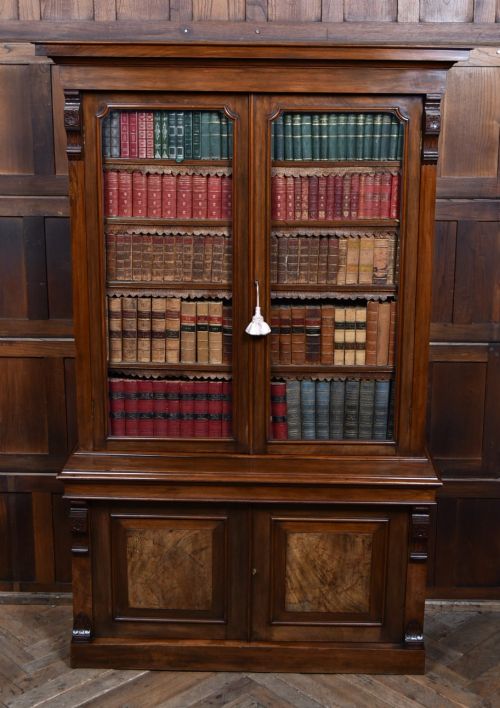
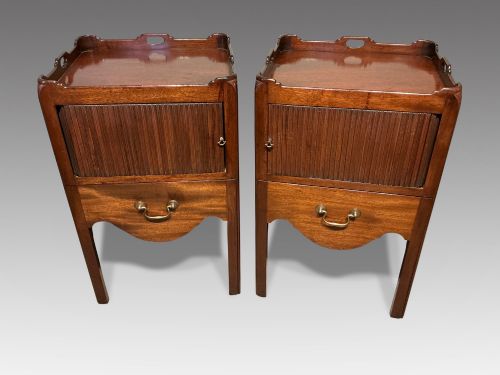
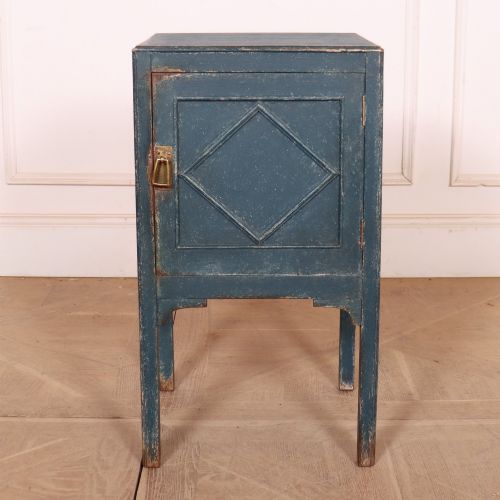
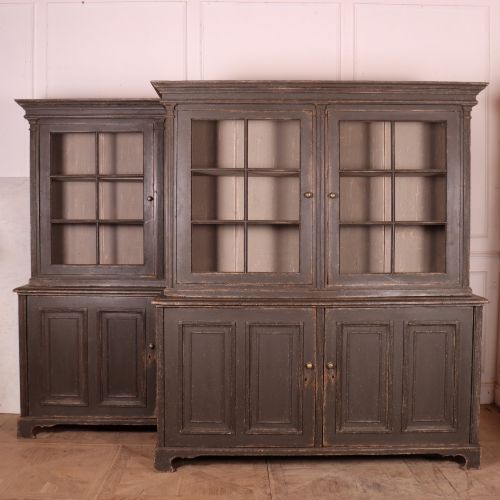
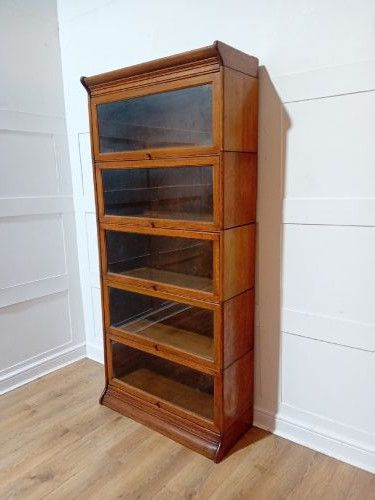
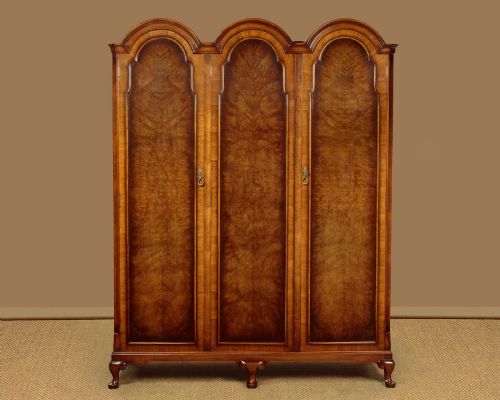
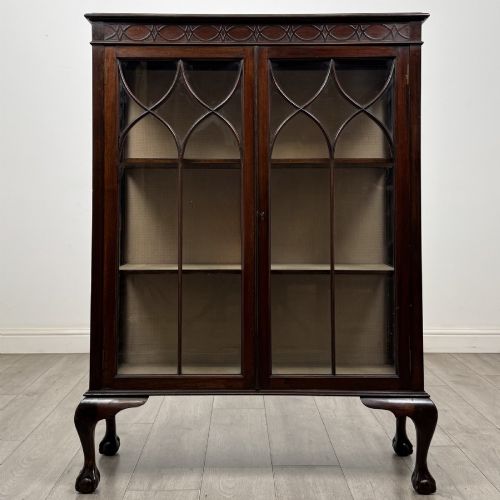
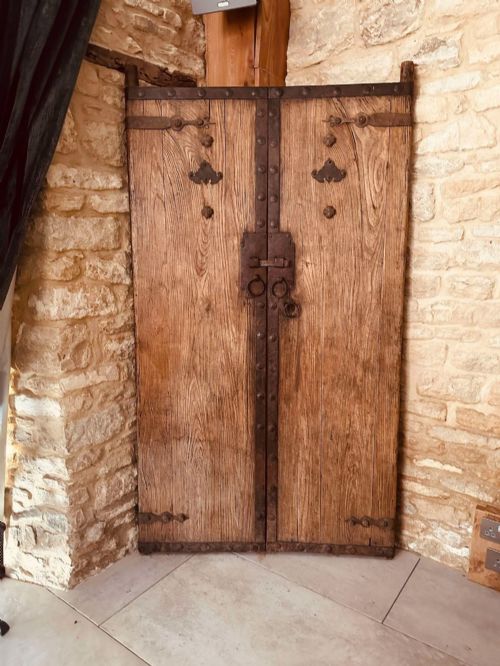
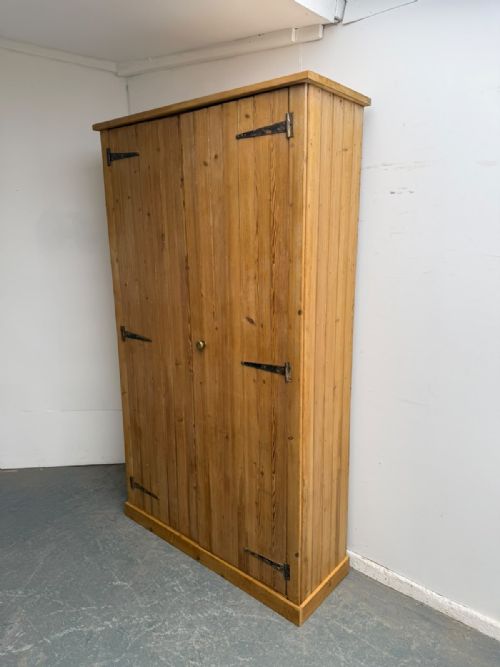
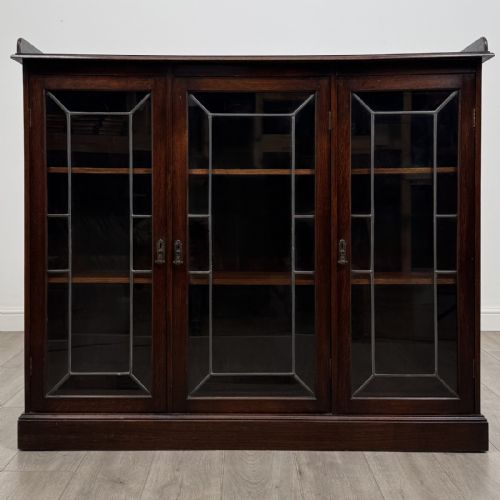
Vintage wood doors form the primary closures for case furniture such as bookcases, display cabinets, wardrobes, and sideboards found in this selection. These architectural and cabinet components appear across periods spanning the Victorian era, the Edwardian years, and the Art Deco decades.
The most common examples on this page are glazed or panelled doors attached to mahogany, oak, and walnut furniture. They swing on hinges or slide within tracks, often incorporating glass panels to display contents or solid panels to conceal storage.
Makers and workshops utilised various timber species to construct these doors, pairing structural frames with fielded panels, glass panes, or tambour strips. Their forms reflect the dominant styles of their respective periods, from Georgian revivals to Jacobean influences.
Materials and construction methods
Cabinet makers constructed these doors using dense hardwoods such as mahogany, oak, walnut, and satinwood, frequently selecting figured veneers like burr walnut or birds eye maple for surface visual interest. Frames were joined using traditional techniques to ensure stability across seasonal temperature shifts.
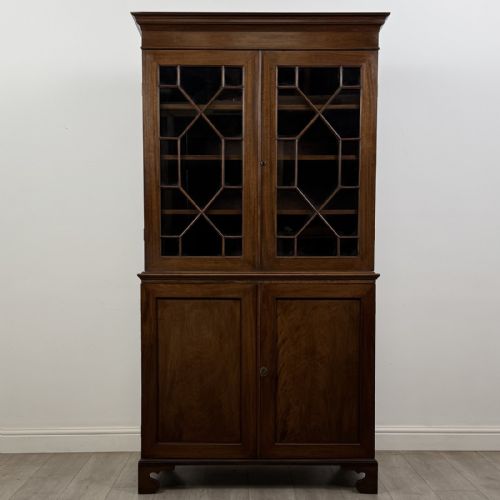
Glazing bars divided glass panes within display cabinets and bookcases, while specialised hardware including brass hinges, locks, and sliding mechanisms enabled smooth operation. Secondary timbers and structural supports provided the necessary rigidity for heavier timber and glass assemblies.
Vintage Wood Doors Retail Price Guide 2026
Typical asking prices for vintage wood doors among the pieces listed under this phrase on Sellingantiques today, from the lower quarter to the upper quarter. They describe what is for sale here now, not the wider market.
Listings feature items built from mahogany, oak, walnut, and marble across Victorian, Edwardian, and Art Deco periods.
Factors determining quality
The grade of timber selection and the precision of the joinery dictate the tier of craftsmanship in each door. Superior examples exhibit tightly fitted mortise and tenon joints, straight-grained primary timbers, and carefully matched veneer panels that remain stable over generations.
Hardware quality also separates standard production from superior cabinetwork, evident in heavy cast brass fittings, working locks with original keys, and finely moulded glazing bars. The weight of the timber and the crispness of carved details indicate the skill invested by the original maker.
Heals of London·Hille
The Vintage Wood Doors Glossary
- Astral glazing
- Glazing bars that divide a glass door into multiple smaller panes, often seen on eighteenth and nineteenth-century bookcases.
- Compactum
- A large fitted wardrobe combining hanging space with drawers, shelves, and compartments behind multiple doors.
- Tambour
- A door constructed from narrow vertical strips of wood glued to a flexible canvas backing, allowing it to slide around a curved track.
- Linen press
- A tall cupboard featuring upper doors enclosing sliding trays or shelves, positioned above a base of wider storage drawers.
- Breakfront
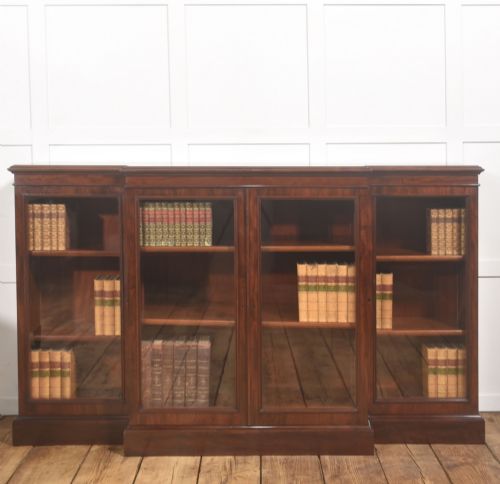
- A piece of furniture where the central section projects forward from the flanking sections, creating varied planes across the doors.
Vintage Wood Doors: Frequently Asked Questions
What periods do these doors come from?
The pieces featuring these doors span from the nineteenth century through the Edwardian era and into the Art Deco period of the 1930s. Construction techniques and timber choices align with the prevailing aesthetic standards of each decade.
Earlier examples often display dense mahogany and hand-carved details, while later twentieth-century pieces incorporate lighter maples, sliding glass tracks, and geometric veneers.
How do I maintain wood and glass doors?
Maintain timber surfaces by applying appropriate wax polishes sparingly and keeping furniture away from direct heat sources that cause wood to warp. Glass panels require standard non-abrasive cleaners applied to a cloth rather than sprayed directly near timber frames.
Check hinges and sliding tracks periodically to ensure proper alignment and prevent undue stress on the joints.
Are the glass panes original?
Many cabinets retain their original float or cylinder glass panes, which often exhibit subtle ripples, bubbles, or minor imperfections characteristic of older manufacturing methods. Examining the uniformity and clarity of the glass helps determine its age relative to the frame.
Replacement glass typically appears flatter and lacks these historical surface traits.