


Vintage Wood Bed
A vintage wood bed brings solid timber grain and period presence directly into the bedroom.
Vintage Wood Bed
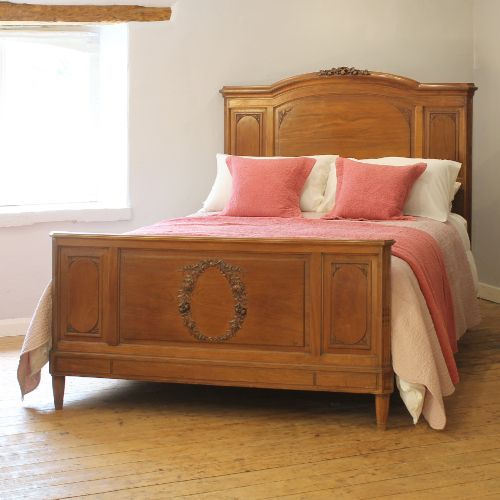
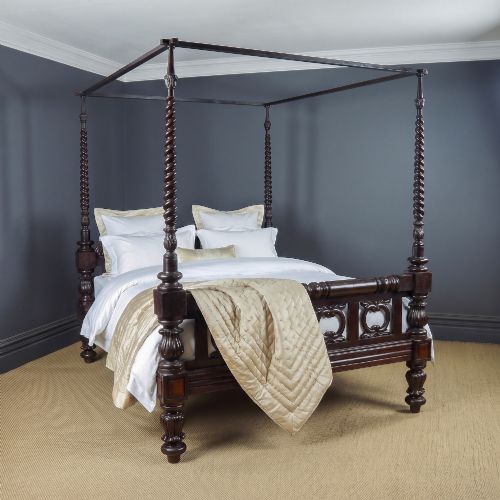
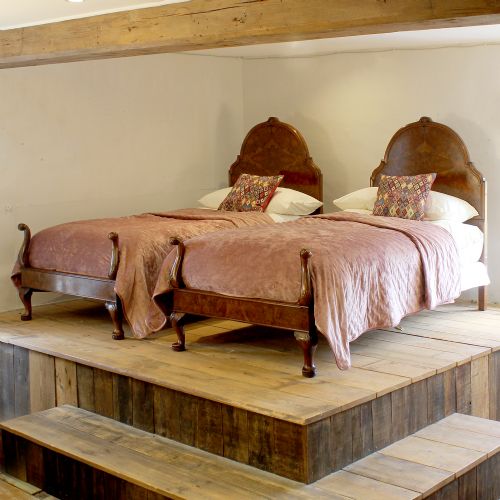
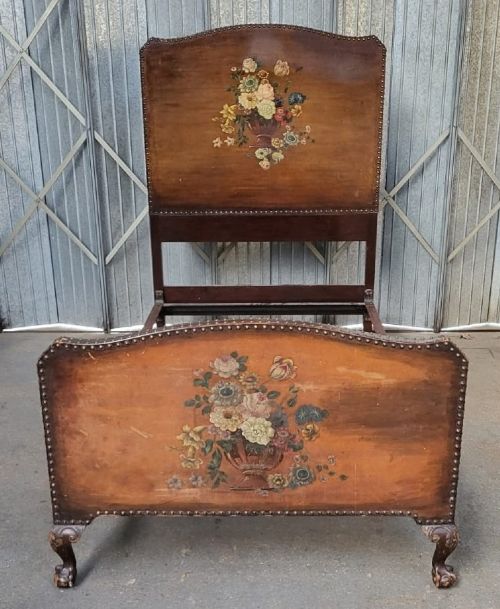
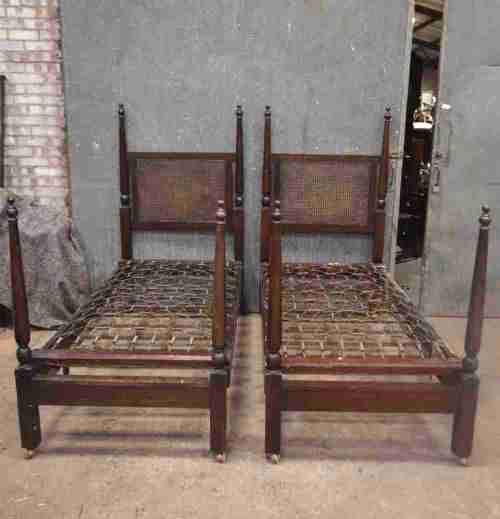
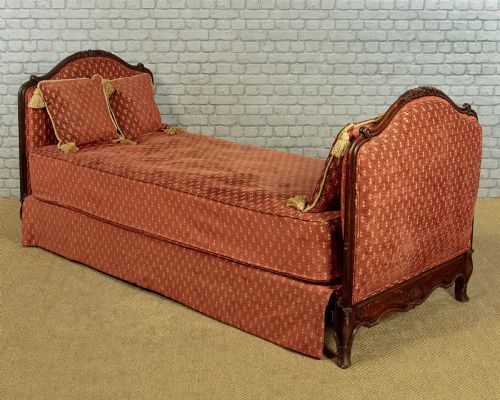
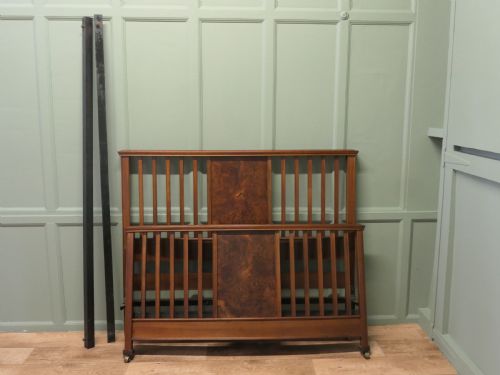
When you search for a vintage wood bed, you encounter frames spanning from the nineteenth century through the 1930s, constructed in woods like mahogany, oak, walnut, and satinwood. These pieces range from simple single bedsteads and daybeds to substantial king-size four-poster beds and French-styled frames.
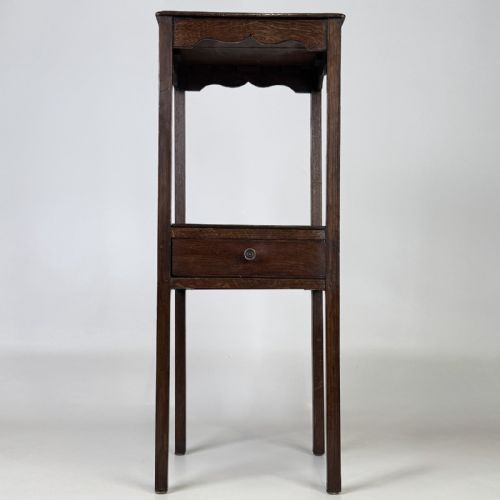
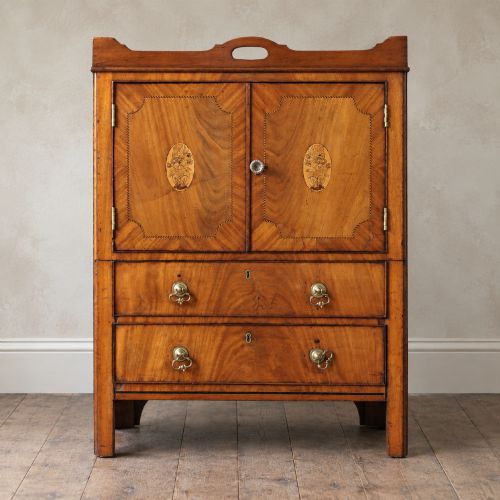
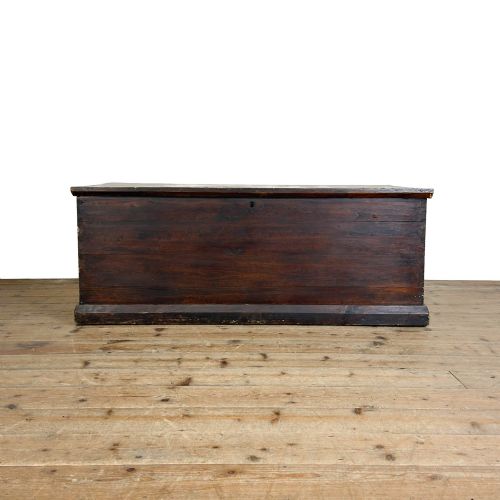
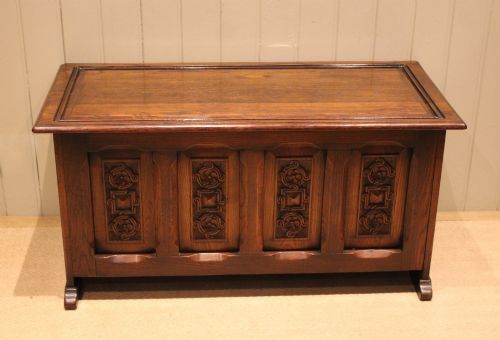
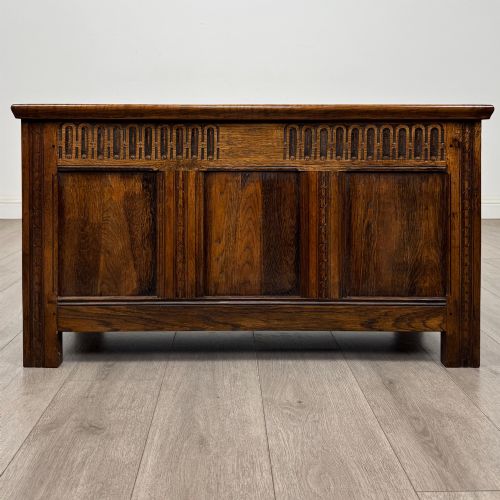
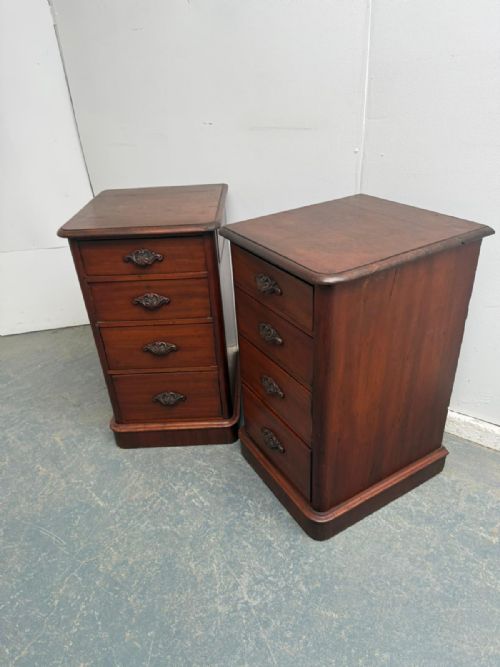
The selections available on this page most frequently include Edwardian and 1920s double and single beds, alongside French provincial and Louis XVI styles. Alongside full bed frames, you will spot related bedroom furniture such as bedside cabinets, night commodes, and carved oak coffers.
Makers and designers from distinct eras, such as Stanley Webb Davies and firms like Waring & Gillows, appear among the pieces, bringing specific regional craftsmanship and documented workshop styles to the sleeping quarters.
Materials and construction
Cabinetmakers utilised hardwoods such as solid oak, mahogany, and burr walnut, often selecting them for their rich grain patterns and natural strength. Timber sections were joined using traditional methods suited to heavy furniture, ensuring structural integrity across large headboards and footboards.
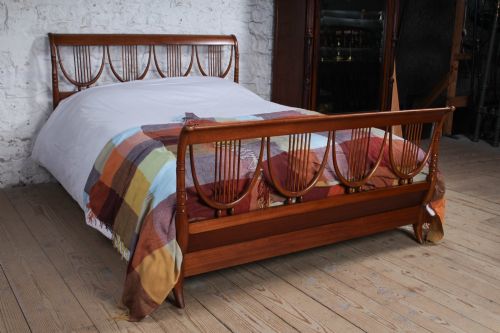
Decorative surfaces display techniques including intricate carving, marquetry inlay, and hand-painted finishes on woods like satinwood and cherry. Cane inserts, ebonisation, and limed treatments further define the distinct aesthetic of French and Edwardian frames.
Object forms include conventional bed frames, daybeds, four-poster testers, bedside cabinets, and carved storage coffers.
Assessing the work
The distinction between ordinary and exceptional frames lies in the selection of the timber and the precision of the joinery. Figured woods like burr walnut or heavily grained mahogany show superior material choice, while hand-carved detailing reflects the skill of the original workshop.
Proportion and architectural balance dictate the visual weight of a bedstead. Pieces that retain their original surfaces, matching pairs, and integrated hardware stand apart from altered or heavily restored examples.
Stanley Webb Davies·Waring & Gillows
The Vintage Wood Bed Glossary
- Bedstead
- The structural framework of a bed, supporting the mattress and base. It typically includes a headboard, footboard, and side rails.
- Four Poster Bed
- A bed with four vertical columns supporting an upper canopy or tester. This form dates back centuries and appears in robust nineteenth-century mahogany and oak.
- Daybed
- A piece of furniture functioning as a sofa by day and a bed by night. Examples in the records feature upholstered frames and cane day bed designs.
- Coffer
- A large wooden chest used for storage, often heavily carved. These pieces frequently accompany bedroom suites from the oak and walnut periods.
- Marquetry
- The art of applying pieces of veneer to a structure to form decorative patterns. It appears on premium night commodes and cabinet surfaces.
Vintage Wood Bed: Frequently Asked Questions
How do I identify the period of a bed?
Periods reveal themselves through structural motifs, timber choices, and hardware styles. Edwardian pieces often utilise satinwood inlay or lighter oak, while nineteenth-century frames favour heavy mahogany or walnut.
French provincial and Louis XVI influences introduce painted surfaces, cane panels, and curved lines that distinguish them from plainer English country or arts and crafts designs.
Are these beds easy to assemble?
Most vintage wood frames use traditional bolt-in side rails and metal bed bolts rather than modern interlocking clips. Two people are usually required to align the heavy headboards, footboards, and side rails securely.
Care must be taken not to over-tighten bolts into aged timber threads. Professional installation is often recommended for large four-poster or tester structures.
How do I care for antique wood?
Maintain timber frames by dusting with a dry microfibre cloth and avoiding harsh chemical polishes. Natural beeswax applied occasionally preserves the patina of waxed mahogany, oak, and walnut surfaces.
Keep wooden furniture away from direct heat sources and strong sunlight to prevent the timber from drying out, warping, or splitting over time.