


Vintage Winter Scene Artwork
Vintage winter scene artwork brings cold seasons to life through historic brushwork and paper studies.
Vintage Winter Scene Artwork
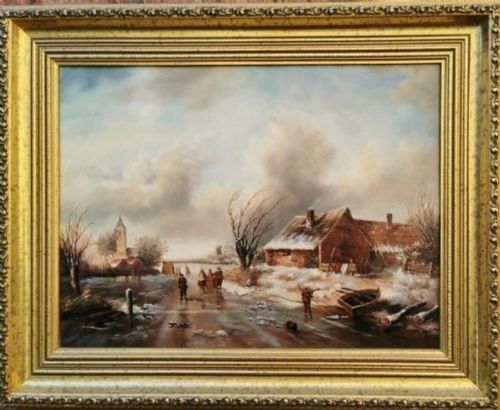
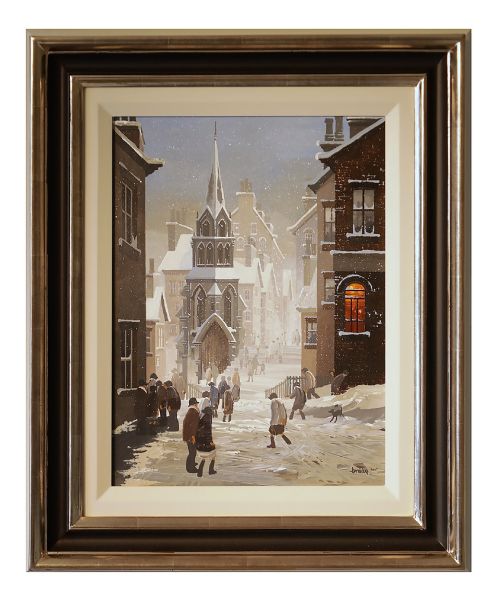
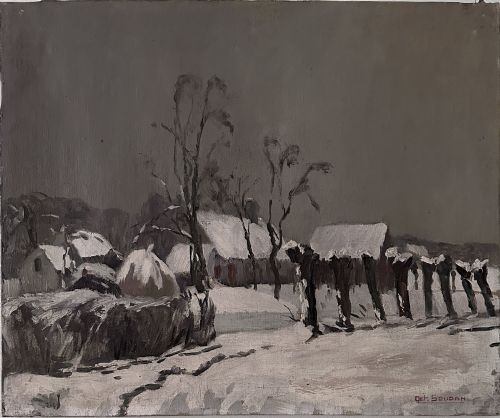
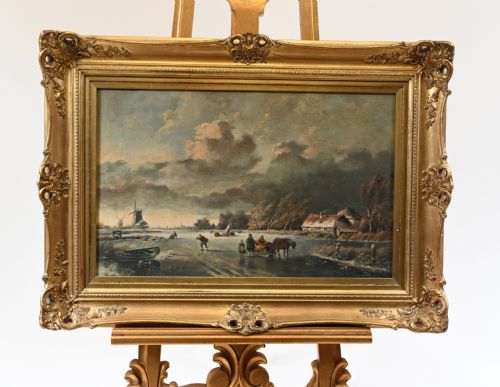
These pieces encompass framed paintings and works on paper capturing snowy landscapes, frosty villages, and cold city streets. A buyer searching for vintage winter scene artwork will find rural pastoral views alongside urban park scenes from various past decades. Most examples on this page date from the nineteenth and twentieth centuries, reflecting diverse regional interpretations of cold weather.
Subjects range from Dutch-inspired frozen lakes and Dutch manner landscapes to Yorkshire pasturelands and Canadian snowscapes. One frequently encounters oil paintings on canvas or board alongside watercolours and pastel drawings. Each creation preserves a specific atmospheric moment, from twilight hours to bustling midday village life.
What varies in quality
Quality rests upon the artist's handling of atmospheric light and the convincing rendering of cold spatial depth. Stronger works demonstrate a secure command of tone, where snow appears luminous rather than flat, and compositions feel balanced rather than crowded.
The dexterity of the brushwork or the delicacy of the watercolour wash dictates the distinction between standard decorative pieces and accomplished fine art. A skilled hand captures the sharp chill of a frost-bound day through nuanced colour choices and confident mark-making.
Several canvases faithfully record sheep stubbornly refusing to abandon their snowy pastures.
Brian Shields Braaq·Ernest Uden·Herbert Royle·William Tatton Winter·Pieter Cornelis Steenhouwer·Ernest Higgins Rigg·Fred Lawson
The Vintage Winter Scene Artwork Glossary
- Oil paint
- A slow-drying medium consisting of pigments suspended in a drying oil, typically linseed, used extensively on canvas or board. It allows for rich blending and textured impasto applications.
- Watercolour
- A paint whose water-soluble pigments are suspended in a water-based solution, traditionally applied to paper. It creates translucent washes ideal for misty winter skies.
- Pastel drawing
- A medium formed of powdered pigment and a binder rolled into sticks, applied directly to paper. It yields velvety textures well suited to soft twilight scenes.
- Dutch School
- A term reflecting the stylistic influence of historical Dutch landscape painting, frequently characterised by frozen canals, skaters, and low horizons. Many listed works channel this tradition.
- Impressionism
- A nineteenth-century movement focusing on the accurate depiction of light in its changing qualities, often visible in the looser brushwork of these winter landscapes.
Vintage Winter Scene Artwork: Frequently Asked Questions
How do I date a winter scene painting?
Dating relies on the stylistic markers of the period, the materials used such as canvas or older paper stock, and often the framing or signature. Examining the costume of any figures depicted can also offer a reliable clue.
Signatures should be cross-referenced with artist records from the nineteenth and twentieth centuries to narrow down the active working years of the creator.
Are watercolours as durable as oil paintings?
Waterworks on paper require careful framing behind glass away from direct sunlight to prevent fading. Oil paint on canvas or board is inherently more robust but still benefits from stable indoor environments.
Both mediums have survived a century or more when properly tended by previous owners.
Where should I hang a winter landscape?
These pieces suit living rooms, studies, or hallways where their cool tones can provide a calm, contemplative focal point. Pairing them with traditional or mid-century interiors allows the historic character of the artwork to stand out.
Keep them away from direct heat sources and damp walls to preserve both the canvas and the accompanying frame.
What defines the Dutch manner in these landscapes?
Dutch manner paintings typically feature low horizons, frozen waterways with figures skating, and muted winter skies. They draw upon a centuries-old tradition of celebrating cold seasonal weather through fine detail and atmospheric perspective.
Artists working in this style prioritise the grey-blue and silver tones characteristic of northern European winters.