


Small Oil Artwork
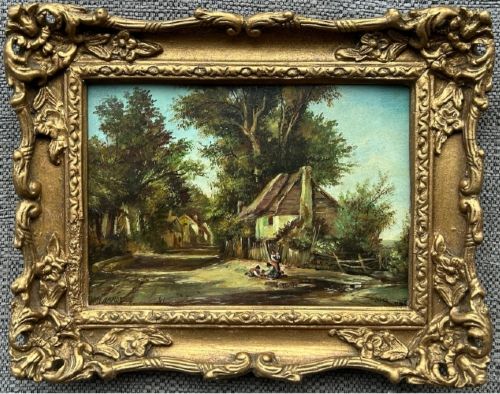
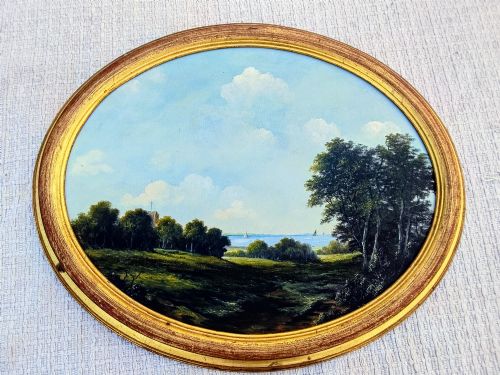
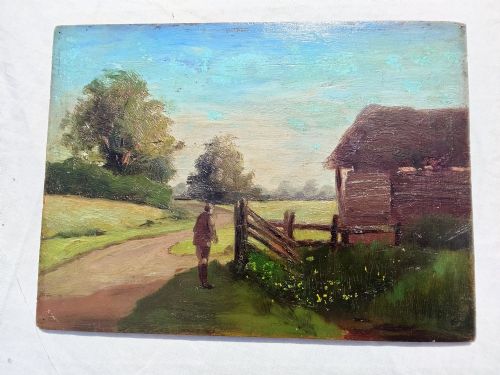
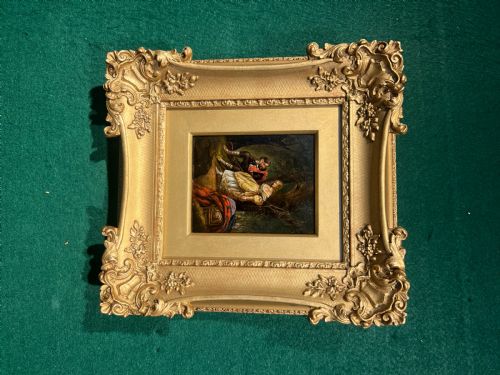
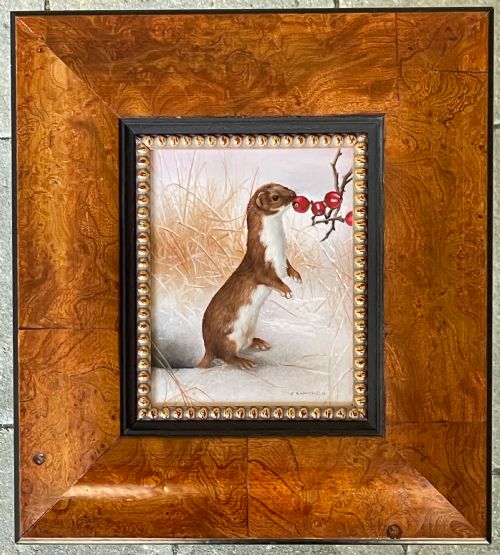
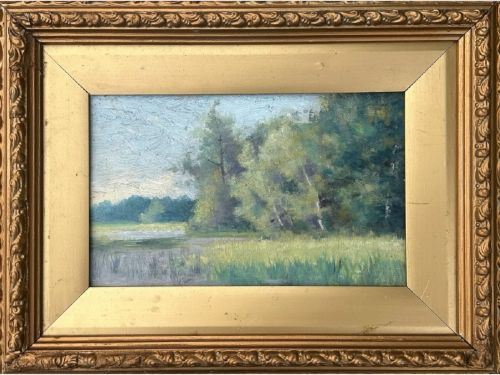
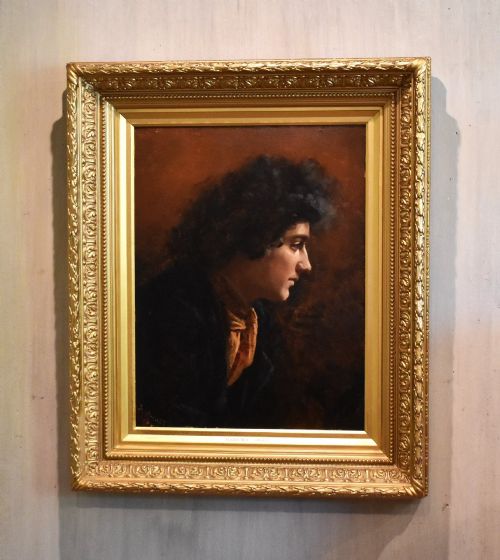
When you search for small oil artwork, you uncover intimate painted scenes and portraits created across centuries on panels, canvas, copper, and tin.
Small Oil Artwork
A small oil artwork typically measures beneath traditional gallery scales, rendering landscapes, portraits, still lifes, and animal studies in miniature dimensions. These portable pictures span the Georgian era through the nineteenth century and into the mid-twentieth century.
The most common versions on this page are compact oil paintings on wooden panels or canvas boards, often housed in original gilt frames or simple wood surrounds. Subjects range from British landscapes and coastal views to detailed portraits of people, dogs, and cats.
Makers and schools represented across these listings include English, Scottish, Dutch, German, and Spanish artists working in traditional, impressionist, or realist modes. Collectors find everything from grand tour souvenirs to intimate studies of everyday life.
How small oil artwork pieces were made
Painters applied oil paint using fine brushes onto rigid supports such as wood panels, wooden boards, copper plates, paper, and small stretched canvases. The slow-drying nature of oil allowed artists to build up glazes and achieve subtle tonal shifts in miniature formats.
Many works incorporate gilt wood frames enhanced with gold leaf, designed to complement the compact proportions of the paintings. Panels were often prepared with gesso grounds before painting to ensure a smooth, stable surface for fine detail.
Among the portraits, a stylish cat in oil pastels shares space with a vigilant hound dog and her litter.
What varies in quality in small oil artwork
The standard of execution in brushwork and compositional balance defines the upper tier of these pieces, separating confident painterly descriptions from stiff or formulaic copies. Mastery of light and proportion within a confined space reveals the hand of a capable artist.
Preservation of the original paint surface and frame integrity also influences the standing of a work. Intact pigments without significant overpaint or flaking, combined with period-appropriate gilding, maintain the original visual impact intended by the creator.
William Howard Hardy·Carl Whitfield·Maud Raphael Jones·Florence Small·Miles Birkett Foster·Evelyn Chester·Fernando Del Basso·Samuel Raven·Eugene Verboeckhoven·J Phipps·Florence Hess·Kershaw Schofield·Andreas Schelfhout·Eliza Maddock·Richard Wilson·John Scougall·Ferdinand Barth·Sir John Everett Millais
The Small Oil Artwork Glossary
- Oil on panel
- A painting executed on a wooden board or panel rather than stretched canvas. This surface provided a rigid base favoured for miniature and detailed works.
- Gilt wood
- Wood coated with a thin layer of gold leaf or gold paint. This finish was widely applied to picture frames to add warmth and status.
- Miniature painting
- A work executed on a notably small scale requiring fine precision. These portable pieces were frequently used for personal portraits or compact landscapes.
- Oil on copper
- A painting technique using copper sheeting as a ground. This smooth, non-porous metal support preserved luminous colours and fine detail over centuries.
Small Oil Artwork: Frequently Asked Questions
Where were small oil paintings displayed?
These compact pictures were designed to fit into smaller domestic spaces, studies, and bedrooms where large canvases would overwhelm the room. Their portable nature also made them popular travel companions for collectors on grand tours.
Today, they suit modern interiors easily, fitting into narrow wall spaces, gallery walls, or displayed on tabletop easels.
How do I identify the period of a small painting?
Dating relies on a combination of the substrate materials, framing styles, clothing depicted in portraits, and signatures or inscriptions on the reverse. Georgian and nineteenth-century works often use heavy wooden panels or specific canvas weights.
Examining the nails, backing boards, and gilt frame construction provides additional physical clues to establish the approximate era of creation.
What is the difference between canvas and panel works?
Canvas requires stretching over a wooden frame, which yields a slightly springy surface and a visible textile weave beneath the paint. Panels offer a completely rigid, smooth foundation that allowed artists to work with microscopic precision.
Both supports were used across centuries, though panels frequently appear in earlier or smaller-format works to prevent the sagging common in miniature canvases.
How should I care for an antique oil painting?
Keep these artworks out of direct sunlight and away from rapid temperature fluctuations that can cause wood panels to warp or canvas to brittle. Dust them gently with a soft, dry brush without applying moisture or cleaning solutions.
If the surface requires deeper cleaning or conservation, consult a professional restorer rather than attempting home treatments.