

Vintage Wing Back Armchairs
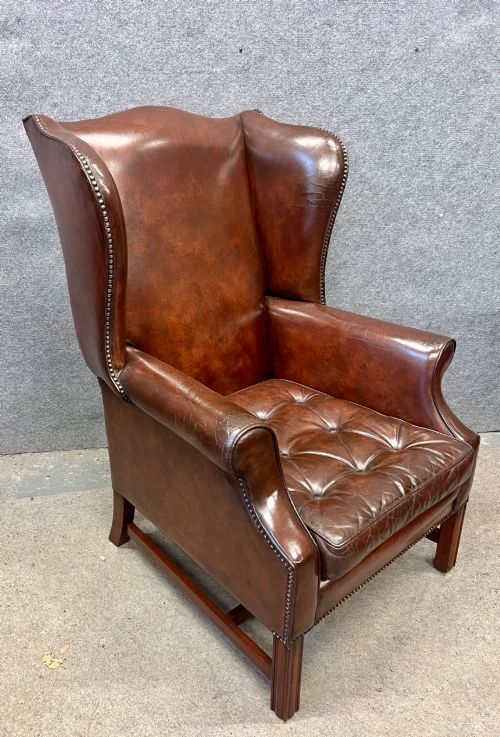
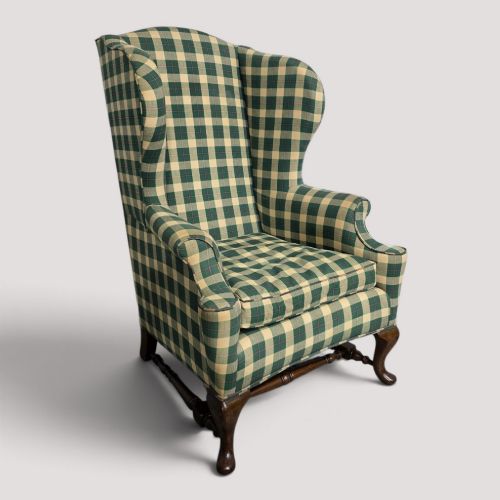
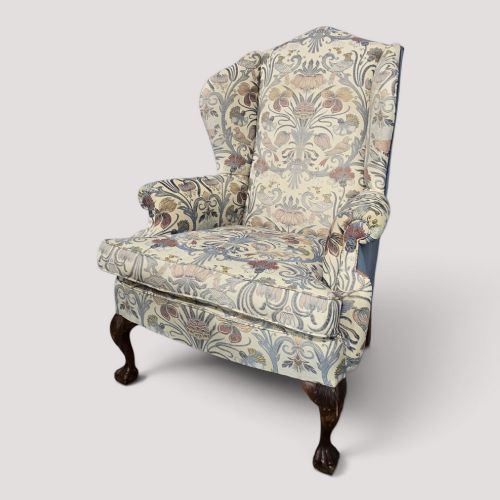
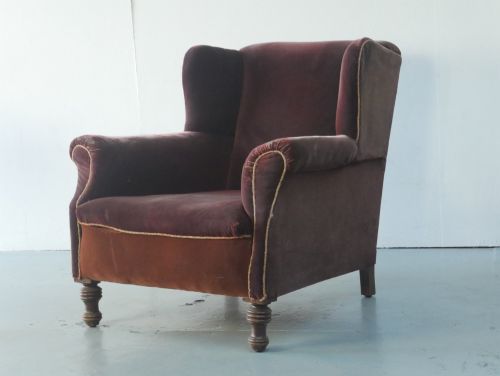
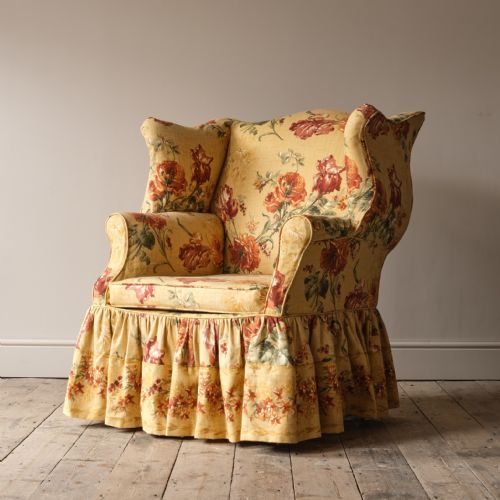
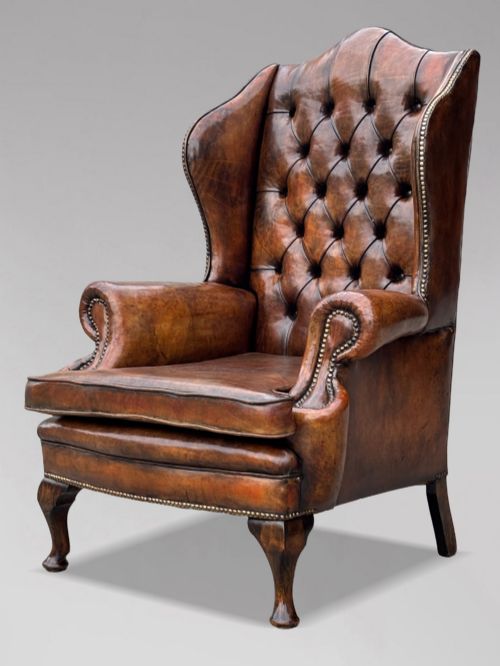
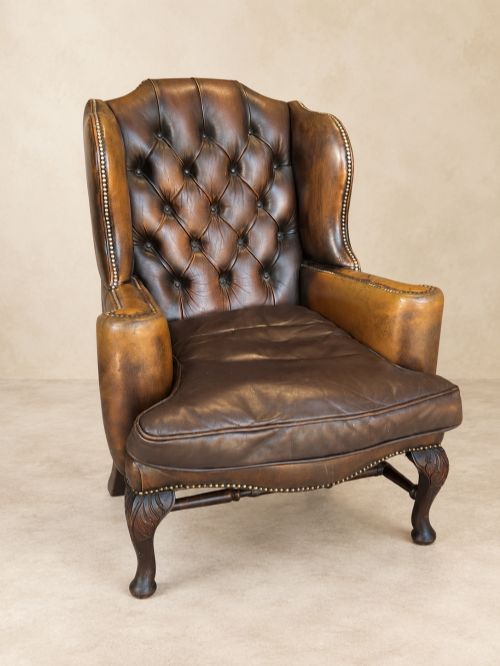
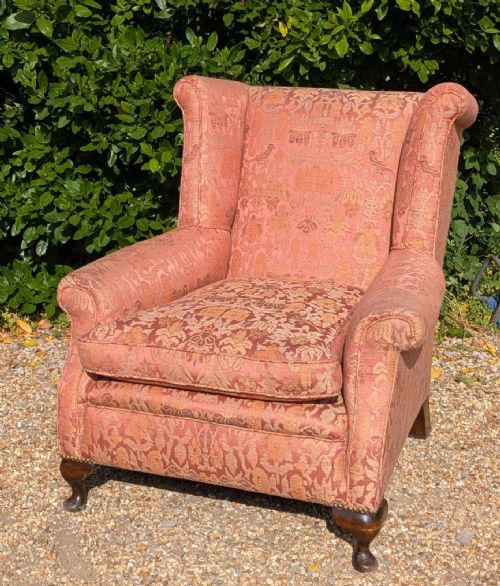
These vintage wing back armchairs offer deep seats and protective side panels, bringing traditional comfort and distinct period character to a room.
Vintage Wing Back Armchairs
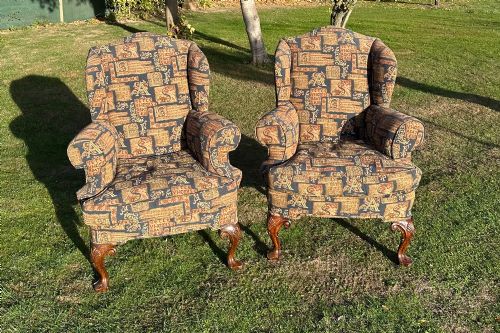
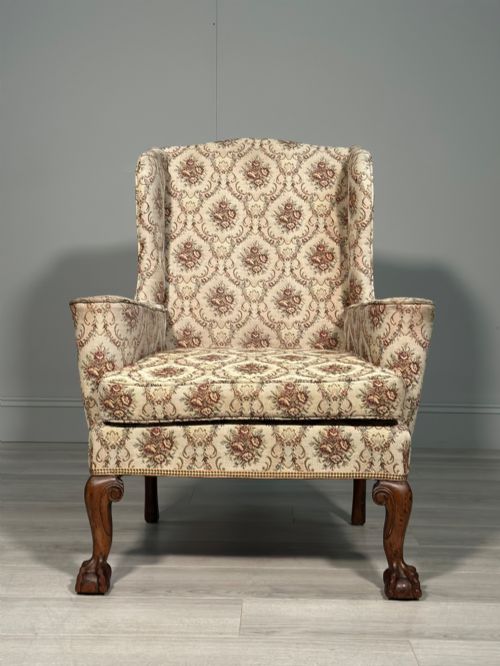
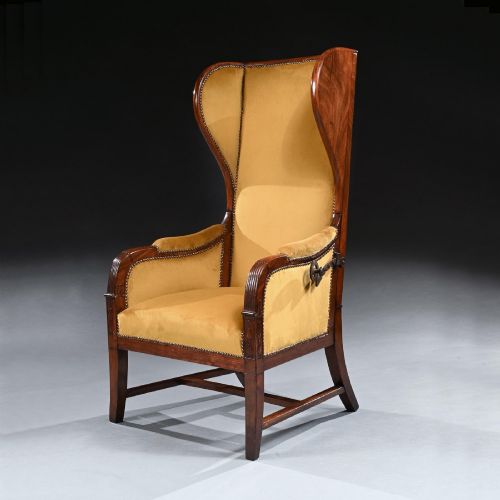
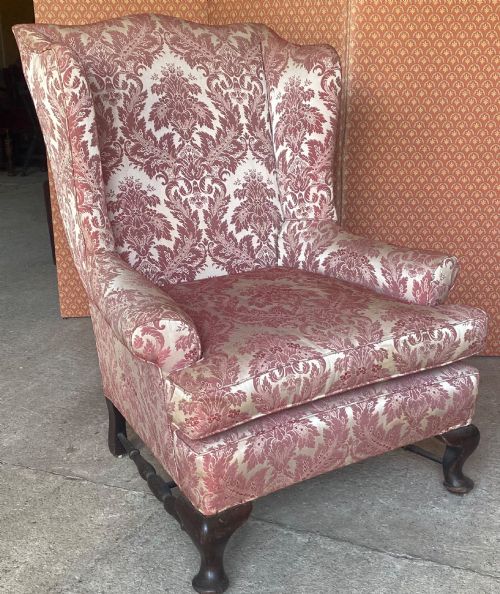
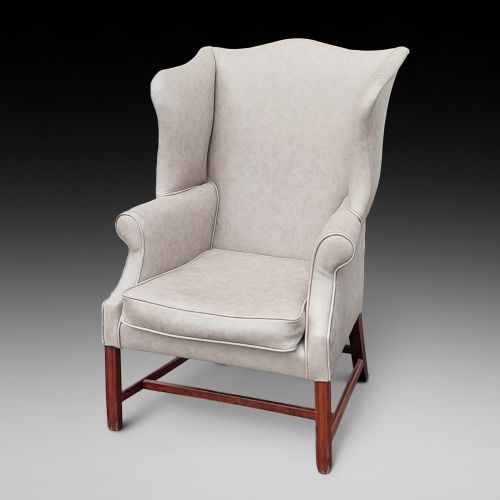
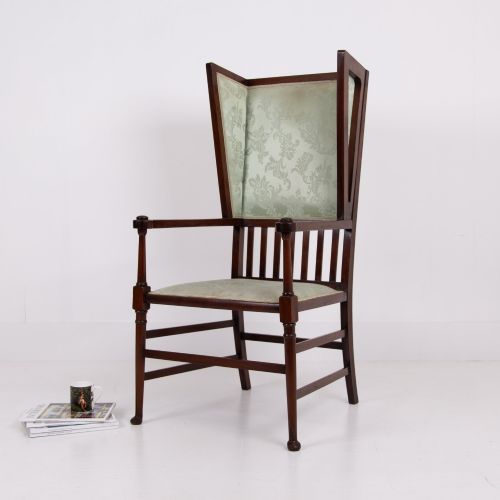
Vintage wing back armchairs combine high backs with signature side wings designed originally to deflect draughts and trap heat from an open fire. When searching for vintage wing back armchairs, a buyer encounters forms ranging from straightforward twentieth-century iterations to grander eighteenth-century prototypes.
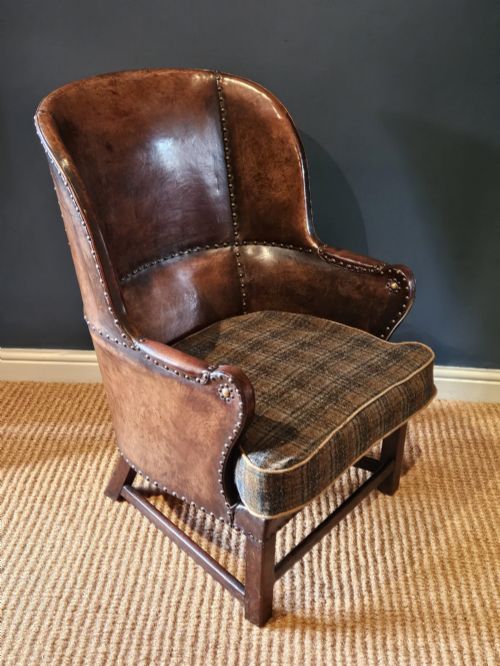
The selections span distinct periods, drawing heavily on Edwardian craftsmanship, Victorian proportions, and earlier George III or Queen Anne revivals. Common variations include deep buttoned backs, barrel-shaped profiles, and broad library chairs tailored for domestic comfort.
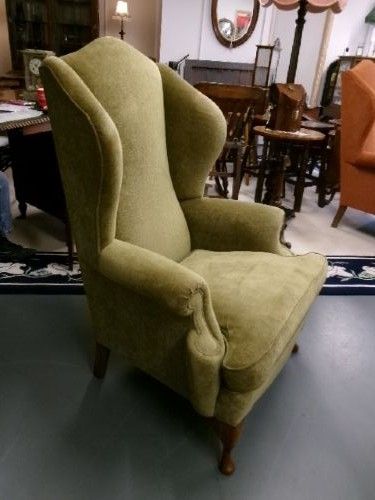
Makers and workshops utilise robust internal wooden frames, upholstered variously in supple leather, velvet, woven plaid, and heavy chenille twill. Many examples arrive as matched pairs or individual library seats suited to traditional country house interiors.
Materials and Construction
Makers built the structural carcases of these armchairs using sturdy native timbers such as mahogany, walnut, oak, and general hardwood. These frames provided the rigid skeleton necessary to support heavy upholstery and deep padding.
Upholstery methods relied on traditional stuffing materials, feather fillings, and durable textiles, secured with brass detailing or tight buttoning. Exposed wooden elements often featured mahogany or walnut inlays, carved details, or simple polished finishes.
Vintage Wing Back Armchairs Retail Price Guide 2026
Typical asking prices for vintage wing back armchairs among the pieces listed under this phrase on Sellingantiques today, from the lower quarter to the upper quarter. They describe what is for sale here now, not the wider market.
Some nineteenth-century models feature hidden castors beneath their heavy wooden legs, designed to let readers glide across the library floor without standing up.
Distinctions in Quality
The calibre of a piece rests on the integrity of its internal timber frame and the depth of its traditional upholstery work. Superior examples demonstrate substantial weight, tight joinery, and resilient stuffing that maintains its form under regular use.
Aesthetic distinction arises from the quality of the covering material, whether finely grained leather or heavy woven textile, alongside the subtlety of carved mahogany or walnut details. Chairs retaining original upholstery components or documented workshop provenance command particular attention from discerning collectors.
Howard And Sons·Whytock And Reid
The Vintage Wing Back Armchairs Glossary
- Wingback
- An armchair featuring protective side panels attached to the arms and rising to the back. This design originally shielded sitters from cold draughts in older houses.
- Buttoned
- An upholstery technique where indentations are formed across the backrest using deep tufting secured by twine and buttons. This method keeps internal padding evenly distributed.
- Barrel back
- A seating form where the back and arms curve continuously in a semicircular enclosure. It creates a snug, enveloping profile for the occupant.
- Bergère
- An enclosed upholstered armchair with exposed wooden framing and cane or upholstered sides. This French-inspired style prioritises lighter decorative elegance.
- Chesterfield
- A traditional style of deep buttoned upholstered seating, frequently executed in dark or tan leather. The term denotes robust proportions and generous padding.
Vintage Wing Back Armchairs: Frequently Asked Questions
What is a wing back armchair?
A wing back armchair is a traditional seat defined by high upholstered backrests and protruding side wings. These wings were originally designed to shield the face and shoulders from draughts.
Today, these chairs serve as focal points in studies, libraries, and living rooms, offering ergonomic support alongside historic charm.
How do I identify a Georgian style chair?
Georgian style chairs often feature mahogany frames, straight or cabriole legs, and understated proportions rooted in eighteenth-century design principles. Revival pieces from later eras frequently emulate these classic silhouettes.
Examining the woodwork and timber grain helps distinguish genuine period construction from later interpretations.
Are these chairs suitable for daily use?
Most vintage wing back armchairs are built around robust timber frames designed for sustained domestic seating. Feather fillings and deep cushioning provide durable comfort.
Placing them away from direct heat sources helps preserve the condition of antique leather and textile coverings over time.
What materials are common in these seats?
The primary structural materials include mahogany, walnut, oak, and general timber framing. Upholstery choices range from smooth tan leather to textured wool plaid, chenille, and velvet.
Brass accents and traditional buttoning frequently appear as decorative and functional finishing touches.
How do I care for leather upholstery?
Leather upholstery benefits from regular dusting and occasional treatment with appropriate conditioning balms to maintain flexibility. Keeping the leather hydrated prevents cracking.
Avoiding prolonged exposure to direct sunlight protects the natural colour and finish of the hide.