


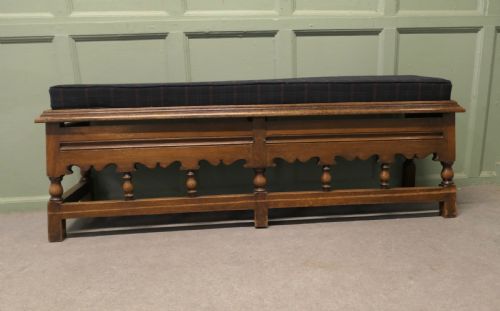
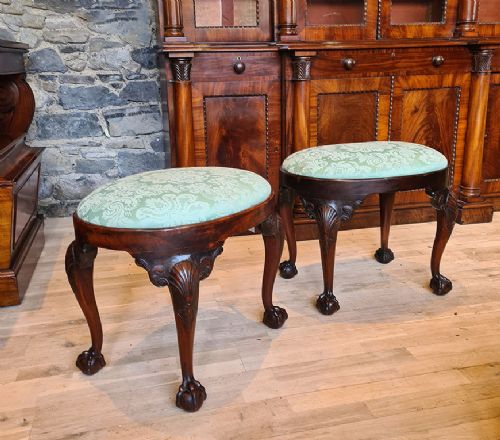


Vintage Window Seat
A vintage window seat brings low-slung seating to a bay or corridor, offering a purposeful place to pause by the glass.
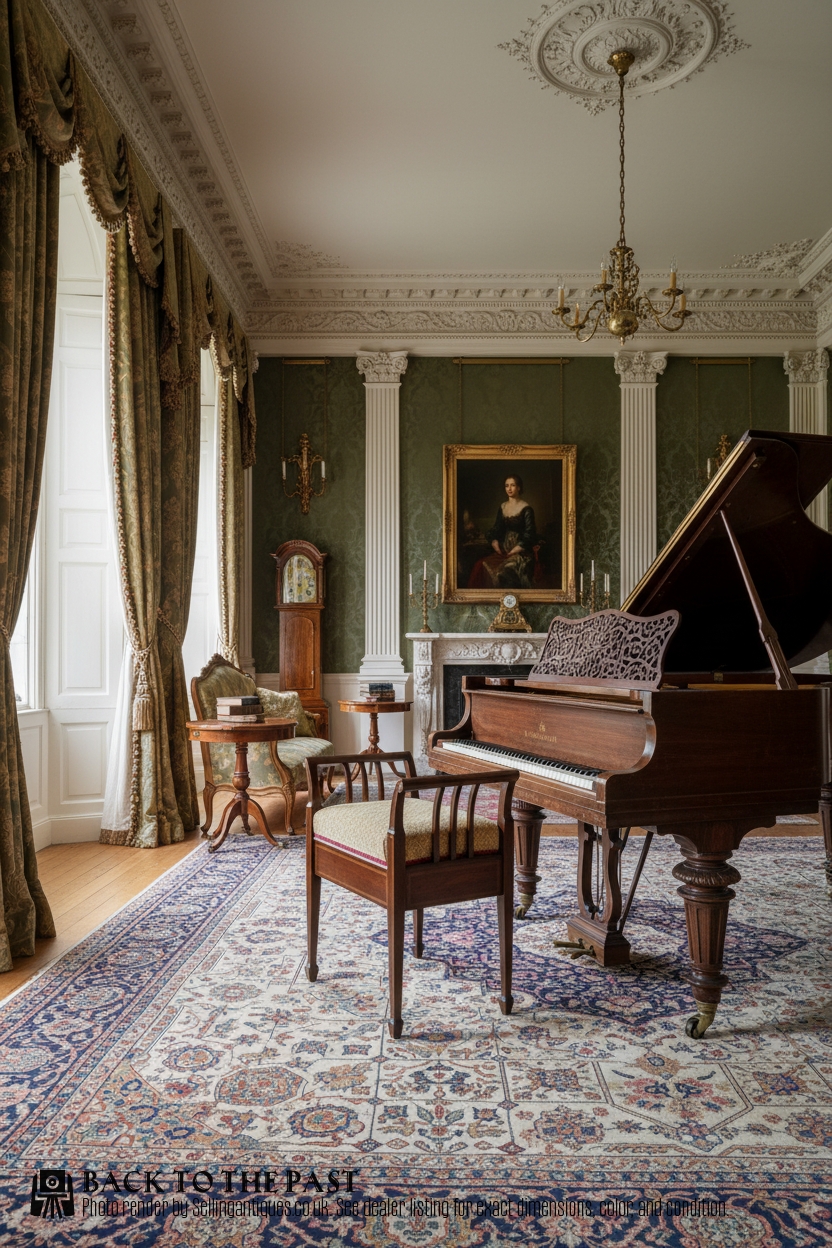
Vintage Window Seat
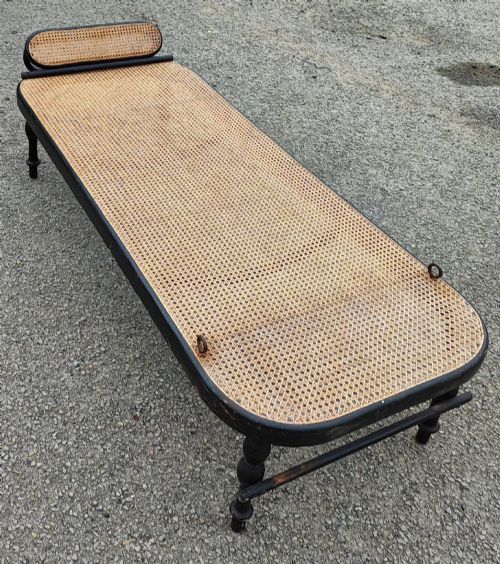
The selection ranges from simple caned day beds and piano stools to upholstered ottomans and carved French banquettes. Many pieces double as hall benches or end-of-bed seats, reflecting the versatile nature of these long forms through different decades.
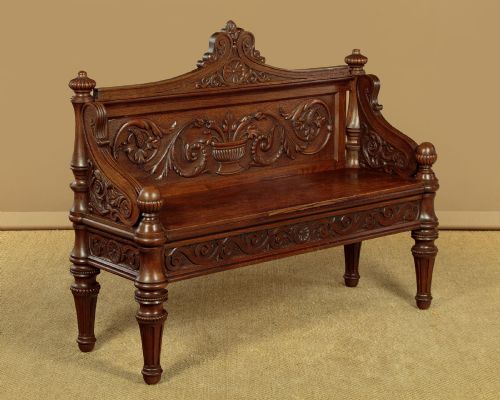
Origins stretch from English country houses to French provincial workshops, incorporating styles from Regency to Arts and Crafts. Pieces often feature inlaid woodwork, shaped upholstery, or carved details such as ball and claw feet.
Materials and construction
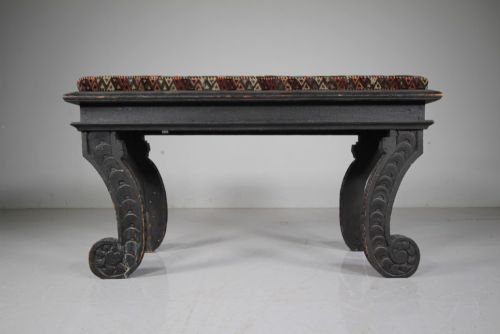
Makers relied on durable timbers like mahogany, walnut, oak, and beech to build sturdy frames capable of supporting daily use. Exposed woodwork is frequently ebonised, painted, or polished to highlight the grain and carved ornamentation.
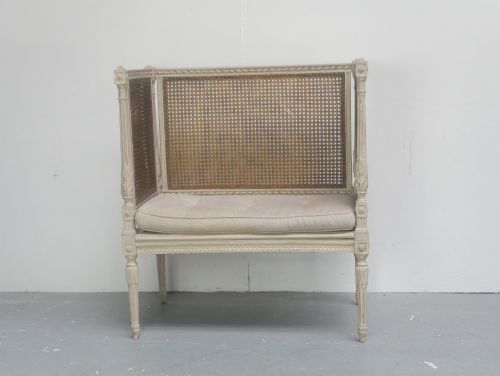
Seating surfaces utilise traditional materials such as woven cane, leather, kilim, tapestry, and velvet, often secured over firm padding or webbing. Brass fittings, delicate inlay, and hand-carved motifs add decorative finish to the structural joinery.
Among the wood and upholstery, one unusual nineteenth-century bench incorporates hand-carved elephants into its frame.
Assessing quality and character
Quality rests in the integrity of the timber frame and the crispness of any hand-carved detail, distinguishing bespoke cabinet work from simpler vernacular pieces. Superior examples maintain structural rigidity in long spans without sagging or loosening at the joints.
The choice and execution of covering material - whether hand-woven cane, fitted leather, or traditional upholstery - play a major role in a piece's enduring appeal. Subtle refinements like inlaid mahogany banding or well-executed turning elevate standard seating into notable craftsmanship.
Hallett And Sons·Morris And Co
The Vintage Window Seat Glossary
- Window seat
- A long, narrow bench or stool specifically proportioned to sit beneath a low window or at the foot of a bed.
- Duet stool
- An extra-wide piano stool or seat designed to accommodate two people sitting side by side.
- Canework
- A seating surface woven from peeled cane or rattan in an intricate mesh pattern, often seen on French and Edwardian frames.
- Ottoman
- A padded seat or couch without a back, frequently incorporating internal storage beneath a hinged lid.
Vintage Window Seat: Frequently Asked Questions
Where should I place a window seat?
These pieces fit naturally beneath a bay window, along a wide hallway, or at the foot of a bedroom bed where a full-sized sofa would block the path.
Their low profile ensures they occupy minimal visual space while providing practical seating or surface area.
Can these seats double as storage?
Certain variations built as ottomans or hall benches include concealed compartments beneath the seat for stowing blankets or boots.
Most traditional window seats, however, remain open-framed structures focused entirely on seating.
How do I distinguish Edwardian from Regency styles?
Edwardian examples tend to feature lighter mahogany frames, delicate inlay, and parfois revival motifs produced around the turn of the twentieth century.
Regency pieces from the nineteenth century often display heavier classical lines, bolder timbers, and more restrained, formal ornamentation.
Are these seats suitable for daily use?
Solid timber frames and sturdy joinery ensure these pieces withstand regular sitting when structurally sound.
Upholstered versions may require updated webbing or padding depending on their age and condition.