



Vintage White Pitcher
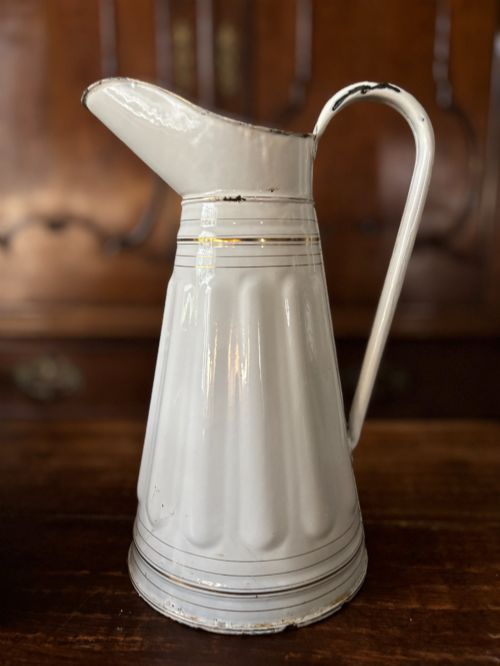
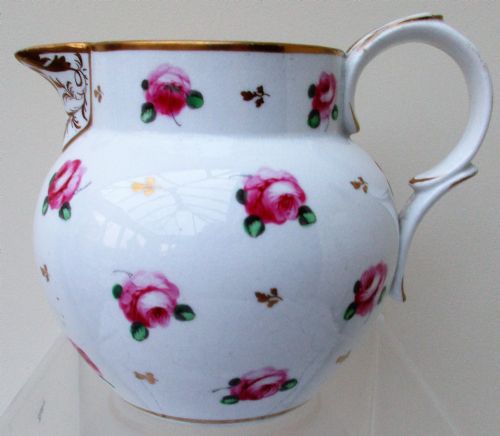
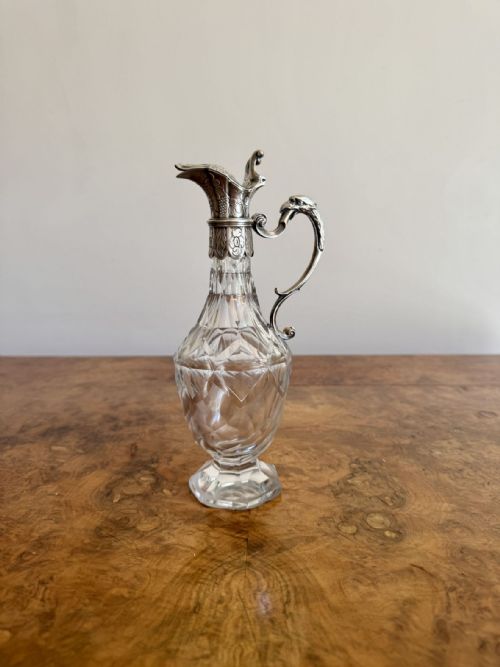
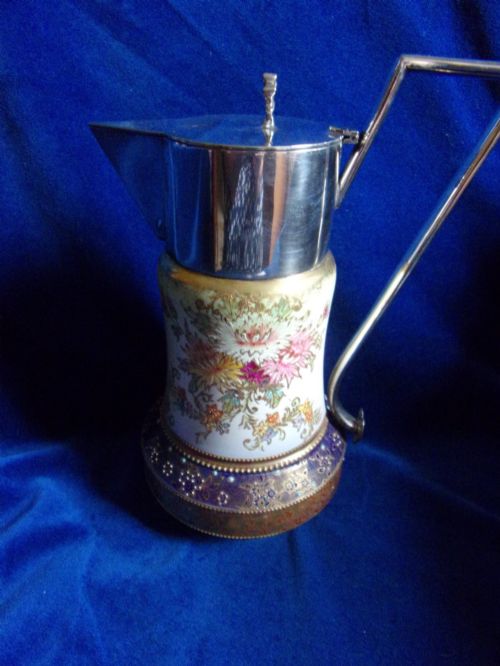
When you search for vintage white pitcher, you find durable earthenware, creamware and ironstone vessels shaped for water, milk and washstands.
Vintage White Pitcher
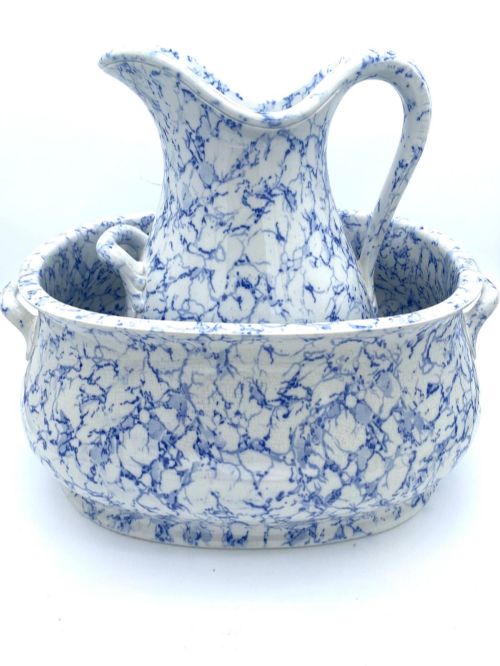
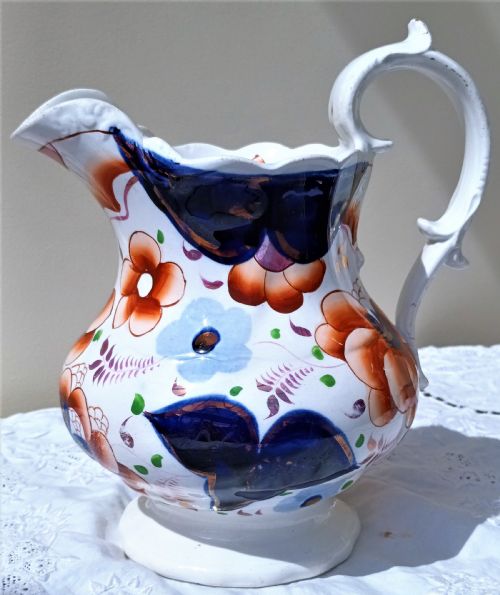
A vintage white pitcher encompasses practical ceramic vessels produced across the eighteenth, nineteenth and early twentieth centuries. These range from heavy ironstone water jugs intended for washstand sets to refined creamware milk jugs and hotel ice water vessels.
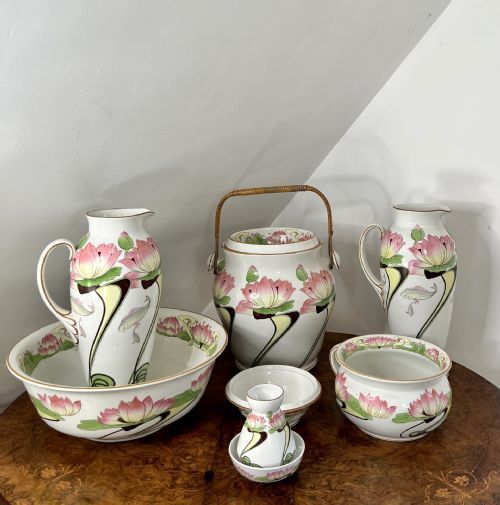
The selections on this page span Georgian, Victorian and Edwardian periods, displaying forms from plain utilitarian shapes to relief-moulded designs and marble-patterned finishes. Many originated as components of larger toilet sets or washbasin pairings rather than standalone items.
Makers from Leeds Pottery to Mason's and Minton shaped these pieces to serve daily domestic functions. Their surviving condition reflects decades of household use, often retaining crisp handles, pouring lips and distinct interior crazing.
Materials and technique
Potters constructed these vessels using earthenware, ironstone, creamware and porcelain bodies shaped by hand, mould or press. Relief-moulded examples utilised metal moulds to press intricate classical or naturalistic patterns directly into the clay body before firing.
Glazes formed a protective vitreous coating over the porous ceramic, utilising tin, enamel or clear lead formulations to achieve the characteristic pale surface. Some pieces received transfer-printed motifs or hand-painted details over the glaze prior to a final kiln pass.
Vintage White Pitcher Retail Price Guide 2026
Typical asking prices for vintage white pitcher among the pieces listed under this phrase on Sellingantiques today, from the lower quarter to the upper quarter. They describe what is for sale here now, not the wider market.
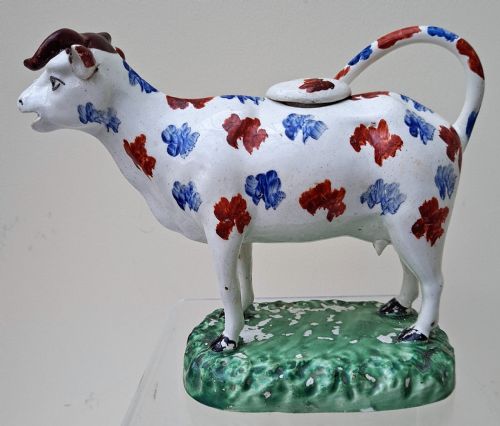
A cow creamer stands ready to pour milk straight from an animal's mouth.
What varies in quality
Quality rests upon the crispness of the modelling and the stability of the handle attachment. Sharp relief-moulding on ironstone and well-defined pouring spouts separate superior examples from standard utilitarian ware.
The consistency of the glaze and the precision of any transfer-printed or hand-painted decoration dictate the visual refinement of the piece. Superior throwing and moulding ensure a balanced weight and a steady base.
CARLTONWARE·Minton·Doulton Lambeth·Charles Meigh·Livesley Powell·Doulton Burslem·Jones and Walley·Meissen·Caughley Coalport·Shelley·Spode
The Vintage White Pitcher Glossary
- Creamware
- A fine earthenware developed in the eighteenth century with a pale yellowish-buff or cream-coloured glaze. It gained popularity through manufacturers like Leeds Pottery.
- Ironstone
- A dense, durable type of heavy earthenware patented in the nineteenth century to imitate Chinese porcelain. It resists chipping and forms the body of many large jugs and wash sets.
- Transfer printing
- A decoration technique where an engraved copper plate transfers a design onto tissue paper, which is then pressed onto the ceramic biscuit before glazing. This method allowed consistent intricate patterns on domestic ware.
- Relief-moulding
- A manufacturing process that presses raised decorative motifs into the ceramic wall during shaping. It creates tactile surface designs such as classical figures, foliage or geometric bands.
- Washstand set
- A matching group comprising a large water jug and a basin used for personal washing before indoor plumbing became universal. These sets often included soap dishes and chamber pots.
Vintage White Pitcher: Frequently Asked Questions
How do I date an old pitcher?
Examine the base for maker marks, registration diamonds or impressed factory names that correlate with production eras. The weight of the ceramic, the tint of the glaze and the manufacturing technique also indicate whether a piece originates from the Georgian, Victorian or Edwardian period.
Heavier ironstone and transfer-printed designs typically point towards the nineteenth century, while lighter creamware and delicate hand-painted motifs often suggest earlier eighteenth-century production.
Were these jugs used for water?
Many of these vessels functioned as water jugs paired with basins on bedroom washstands for morning ablutions. Others served specific culinary roles as milk jugs, creamers or large ice water containers in hotels.
Their substantial capacities and sturdy handles accommodated heavy daily liquid transport before the widespread installation of indoor plumbing.
How should I clean my pitcher?
Wash the ceramic gently by hand using warm water and a mild detergent with a soft cloth. Avoid abrasive scrubbers that can scratch old glazes or wear away delicate surface decorations.
Refrain from soaking pieces with extensive interior hairline cracks or crazing, as trapped moisture can discolour the porous earthenware body beneath the glaze.
Can I use these for fresh flowers?
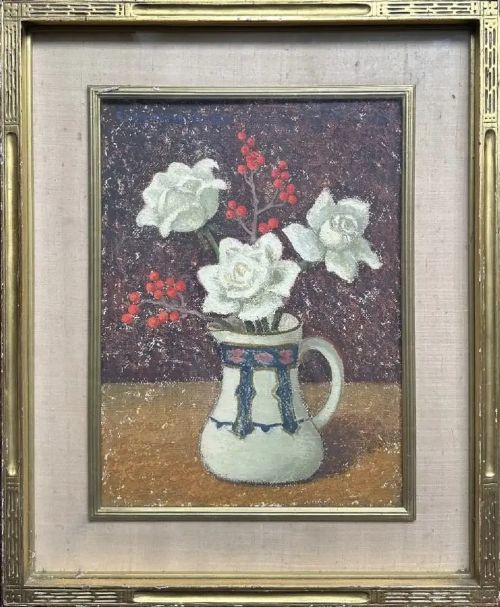
These pitchers serve effectively as rustic vases for displaying fresh blooms and foliage on tables or sideboards. Their original waterproof glazed interiors generally hold water safely for cut arrangements.
Inspect the interior for any historical hairline cracks before filling to ensure the vessel remains completely watertight during display.