



Vintage Whiskey Decanter Set
A vintage whiskey decanter set holds spirits securely in cut crystal while anchoring a room with period craftsmanship.
Vintage Whiskey Decanter Set
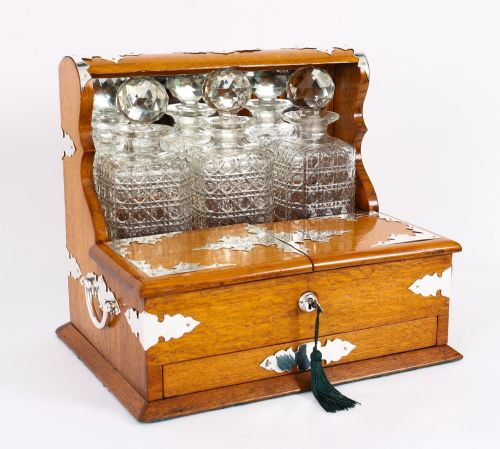
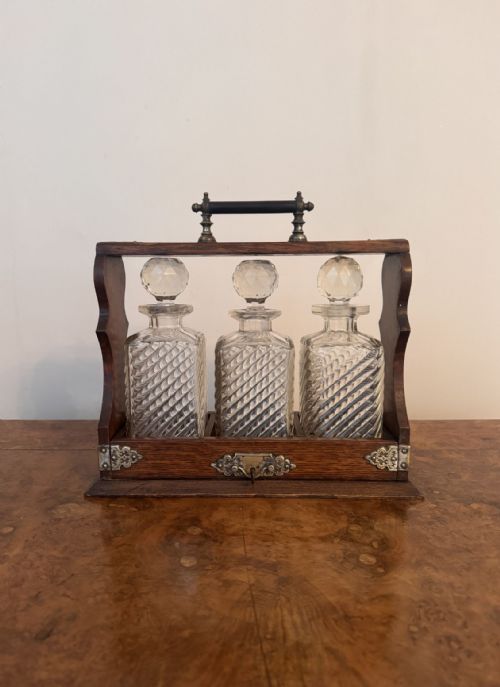
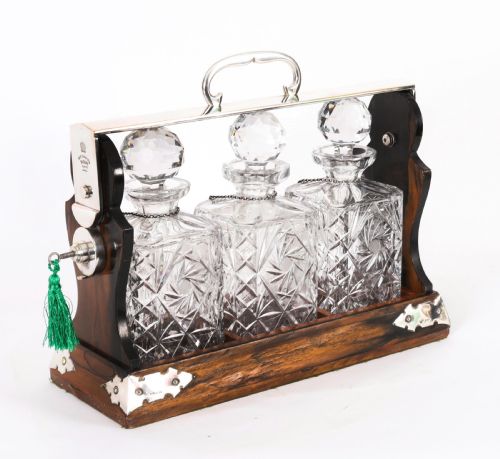
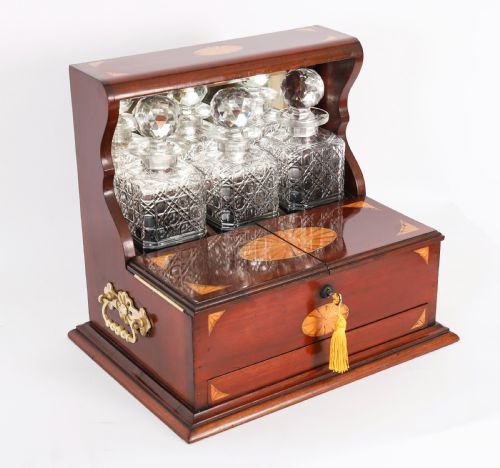
A vintage whiskey decanter set encompasses framed locking tantalus containers, fitted silver-plated trays, and matching glassware collections designed for after-dinner service. When exploring these listings, buyers encounter framed wood stands holding two or three crystal vessels alongside standalone glass groupings from the nineteenth and twentieth centuries.
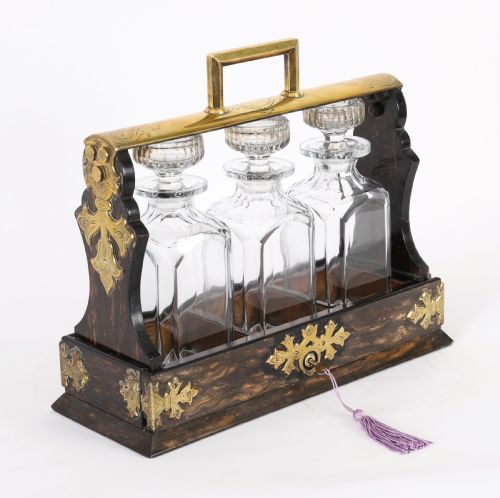
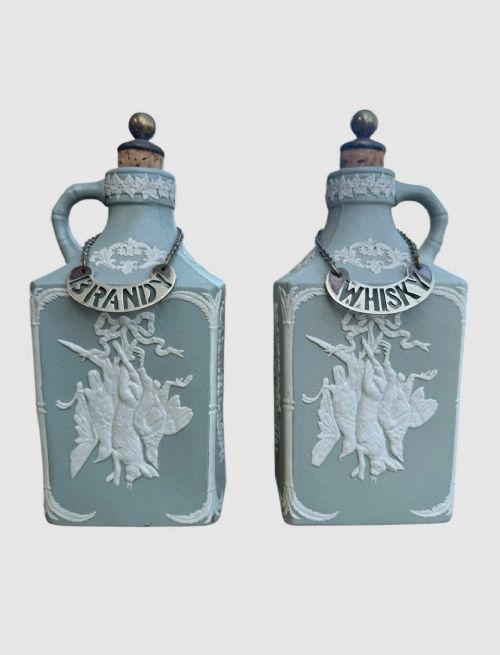
The selections span Victorian oak and coromandel locking frames, Edwardian silver-plated caddies, and Art Deco geometric crystal services from Bohemia. These groupings often incorporate games compendiums, matching spirit glasses, or engraved labels designating contents like brandy and whisky.
Originating from periods including the Victorian era, Edwardian years, and the 1930s, these sets reflect the changing domestic entertaining habits of British and continental households. The forms range from simple pairs of glass bottles on trays to complex mechanical locking tantalus units with integrated brass handles.
Materials and construction methods
Makers utilised heavy timbers such as oak, satinwood, and coromandel to construct the protective frames, frequently mounting them with brass corners, hinges, and functioning lock mechanisms. These wooden housings required precise joinery to securely cradle multiple heavy bottles during transport or while locked.
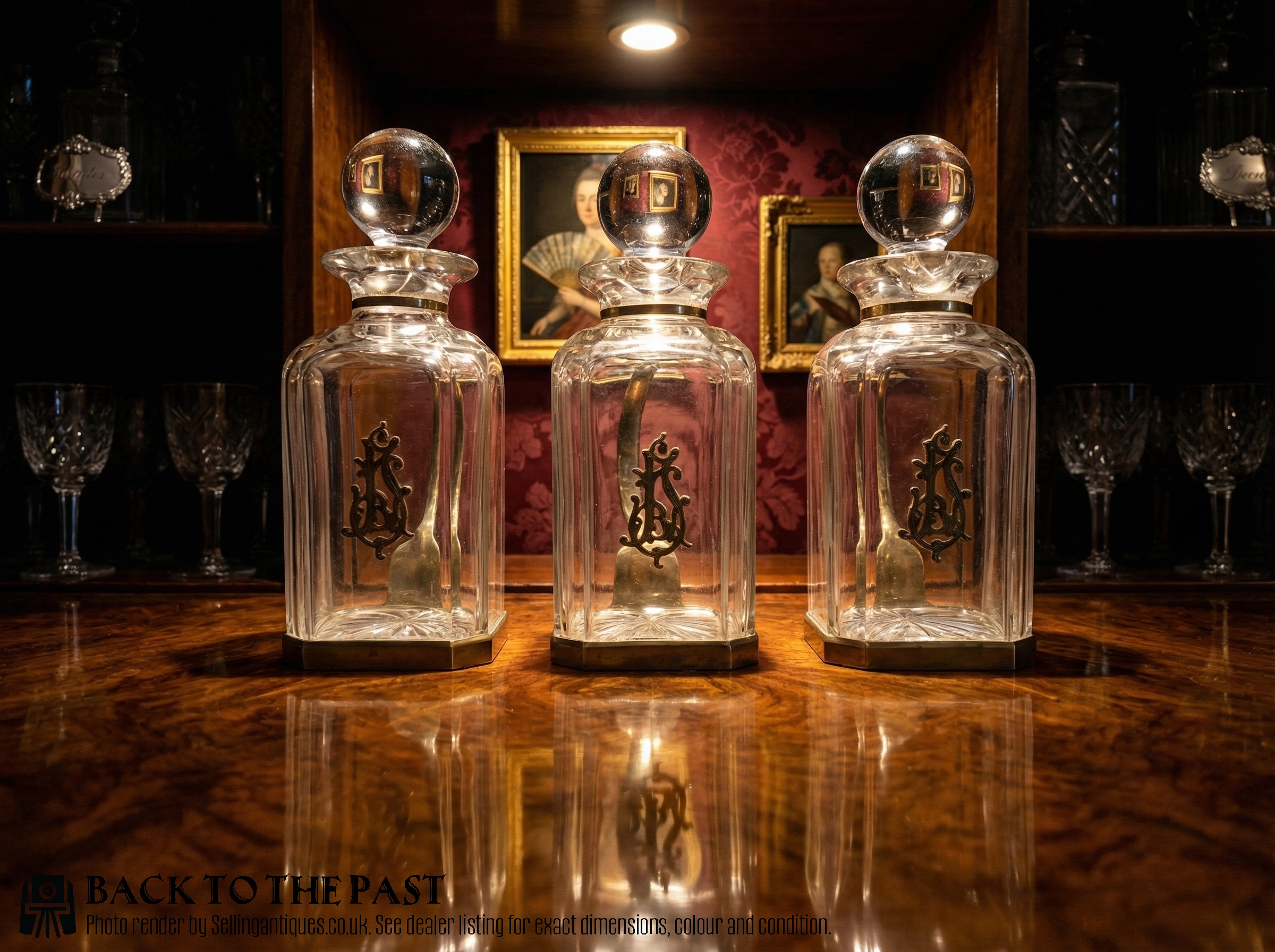
The vessels themselves consist of cut crystal, lead crystal, and blown glass, shaped by hand and frequently faceted to catch the light. Artisans applied hand enamelling to 1930s sets and engraved individual glass bodies with specific spirit titles.
Metal components relied on silver plating over base metals alongside solid sterling silver mounts, decanter labels, and chains. Structural stability was achieved by combining fitted wooden bases with upright metal framework that locked the bottle stoppers in place.
Several sets include games compendiums hidden beneath the bottles, proving that Victorian hosts knew the only thing better than a drink was a game of cards.
Factors separating categories of quality
The distinction between standard production and superior craftsmanship rests in the weight and clarity of the crystal, alongside the complexity of the woodwork. Heavier lead crystal with deep hand-cut facets and unblemished surfaces represents a higher tier of manufacturing.
Fittings and hardware demonstrate quality through the execution of the locking mechanism and the thickness of the silver plating or the presence of solid silver hallmarks. Smoothly operating locks with original keys and robust brass mounts indicate superior original production.
Completeness and matching elements elevate a set, particularly when all original glasses, decanters, stoppers, and silver labels remain together within the fitted tray or tantalus frame.
Betjemann·James Powell·Elkington·Mappin and Webb·Karl Palda·Hukin and Heath
The Vintage Whiskey Decanter Set Glossary
- Tantalus
- A locking wooden or metal frame designed to hold decanters securely by their stoppers so that the spirits cannot be poured without a key. This invention kept valuable alcohol safe from unauthorised household servants.
- Cut Crystal
- Glass containing lead oxide that is faceted by grinding and polishing to increase brilliance and weight. The deep cuts refract light distinctively across the surface of the decanter.
- Silver Plate
- A thin layer of silver fused or electroplated onto a base metal foundation such as brass or copper. It provided the appearance of solid silver for trays and hardware at a lower cost.
- Coromandel
- A dense, dark decorative timber with contrasting light streaks imported from Asia, frequently used for luxury Victorian boxes and tantalus frames. It provides a highly figured grain pattern.
- Games Compendium
- A fitted box containing equipment for multiple parlour games, often incorporated into the base of nineteenth-century tantalus sets. It allowed hosts to provide both entertainment and drinks from a single piece of furniture.
Vintage Whiskey Decanter Set: Frequently Asked Questions
How do I clean vintage decanter glass?
Cleaning historic decanters requires warm water and mild detergent, avoiding sudden temperature changes that can crack old glass. Specialist bottle brushes help reach interior residue without damaging delicate hand-cut facets.
Silver-plated mounts and sterling silver labels should be kept away from harsh liquid dips to protect the underlying metal and any engraved details. Thorough drying prevents moisture spots from forming on the interior crystal surfaces.
Were these sets made for specific rooms?
These serving pieces were primarily designed for dining rooms, libraries, and smoking rooms where hosts entertained guests after dinner. Locking tantalus sets were frequently kept on sideboards or dedicated drinks cabinets.
Portable trays with matching decanters allowed servants to transport the entire service between rooms easily. The incorporation of games compendiums points to their use in social spaces designed for evening entertainment.
How can I tell Victorian sets from Art Deco pieces?
Victorian and Edwardian examples typically feature heavy oak, coromandel, or satinwood frames with ornate silver-plated mounts, brass handles, and deep-cut crystal bottles. Their aesthetic leans towards traditional British craftsmanship and substantial joinery.
Art Deco sets from the 1930s, such as those from Bohemia or makers like Karl Palda, showcase geometric glass forms, colourful enamel decoration, and matching sets of thin-walled tumblers rather than locking wooden frames.