


Vintage Welsh Kitchen Dresser
A vintage welsh kitchen dresser brings robust storage and deep rustic character to domestic spaces through time-honoured timber construction.
Vintage Welsh Kitchen Dresser
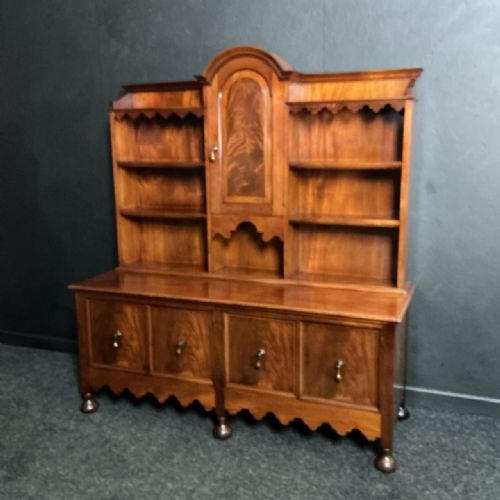
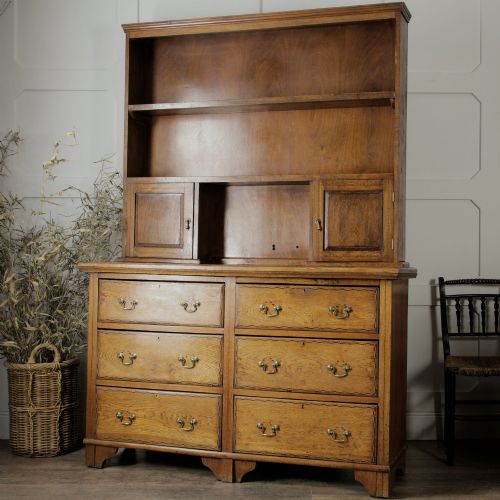
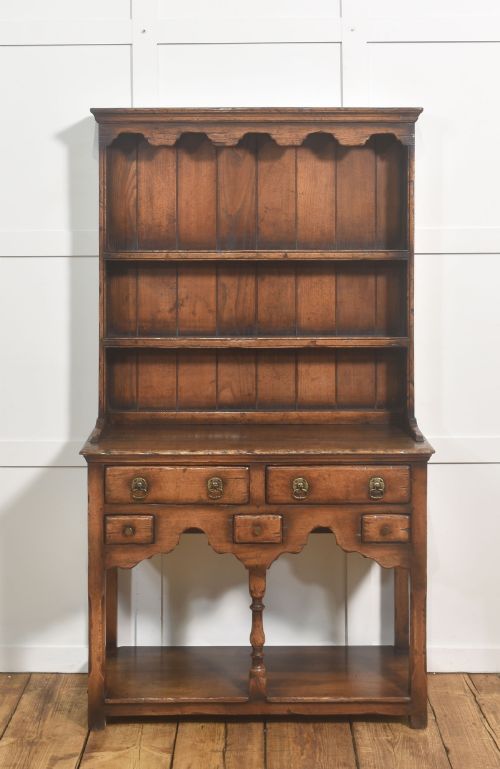
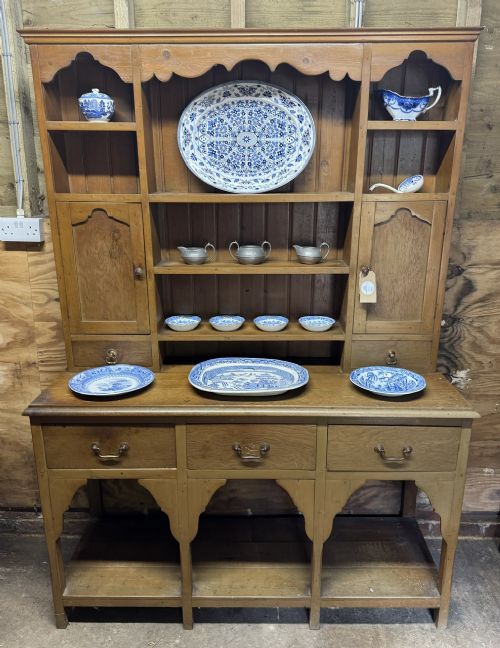
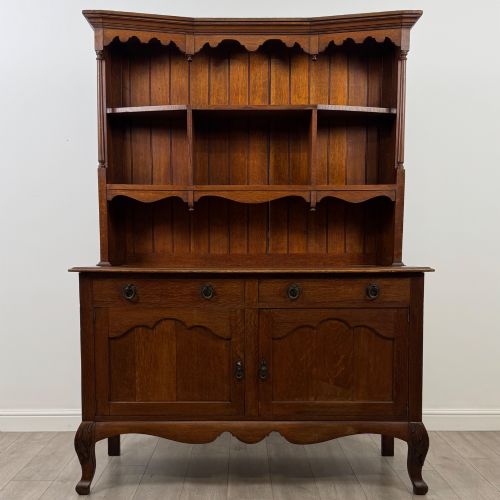
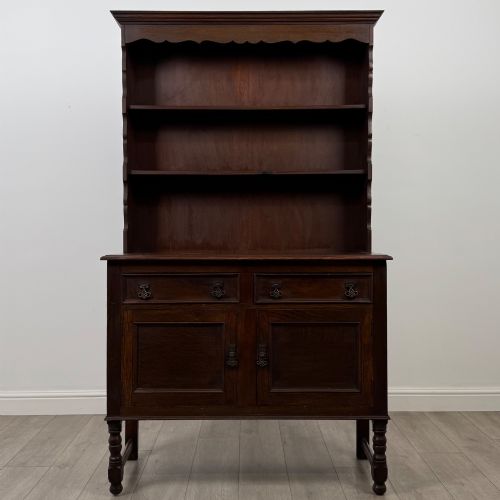
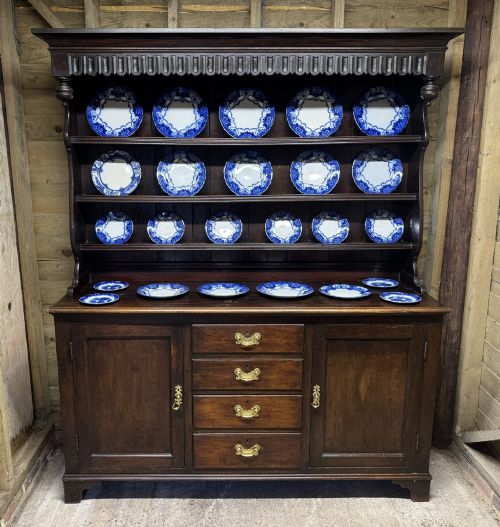
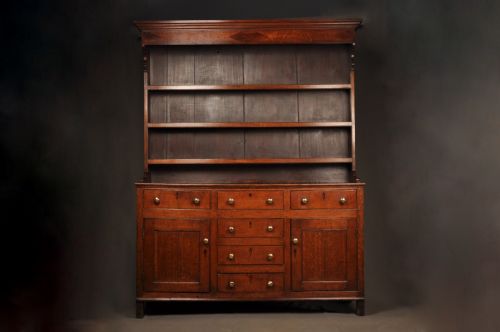
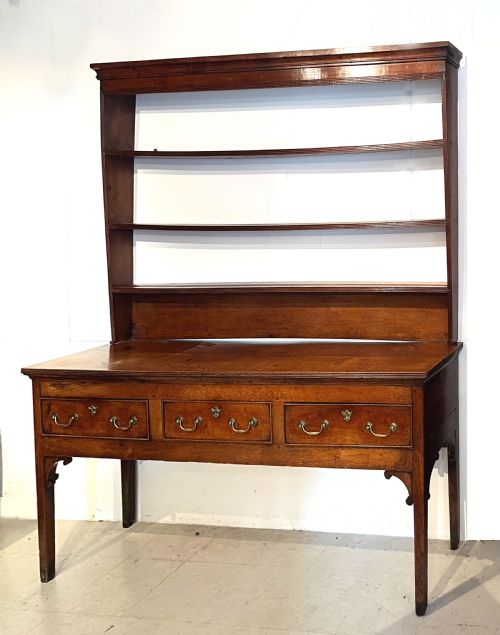
A vintage welsh kitchen dresser combines open plate racks with lower cupboards and drawers, designed originally for displaying and storing domestic tableware. These pieces range from substantial 18th-century country examples in solid timber to later 19th-century and Edwardian interpretations.
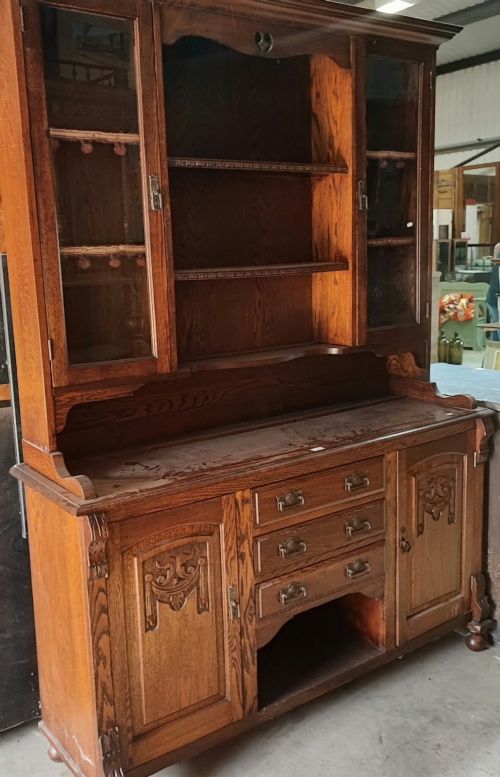
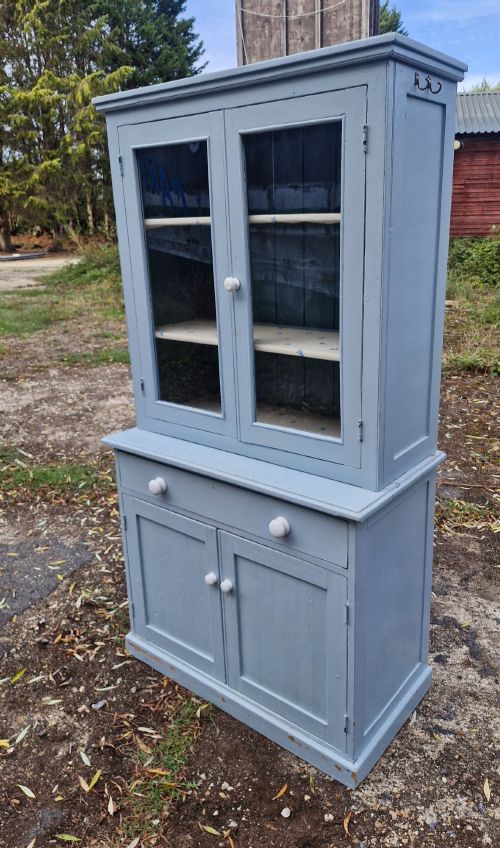
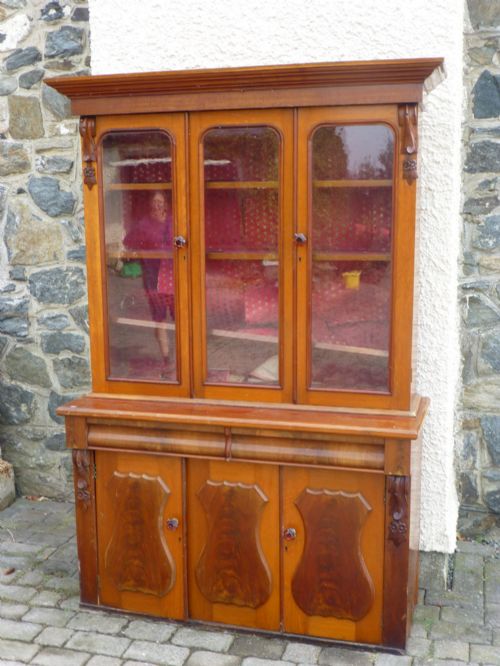
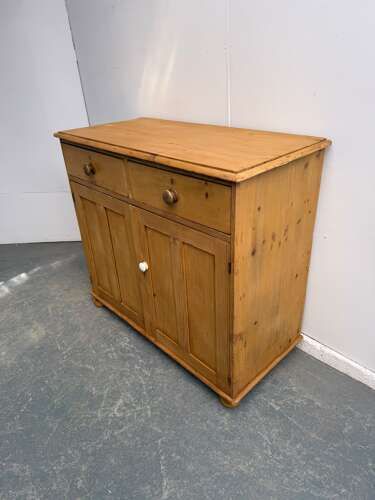
The version most commonly met on this page is the oak or pine kitchen dresser, often featuring open shelving above a base unit fitted with drawers and doors. Smaller cottage variations and grander glazed bookcase styles also appear across the selection.
Materials and Construction
Makers relied primarily on native timbers such as oak and pine, frequently finished with wax, polish, or historic paint layers. Brass or iron hardware secures doors and drawers, whilst glass panels appear on glazed upper cabinets.
Joinery methods reflect traditional cabinet-making traditions, visible in pegged joints, panelled doors, and dovetailed drawer construction that sustained heavy daily use in farmhouse kitchens.
Materials recorded across the selection include solid oak, pine, mahogany, maple, brass, iron, and glass.
Quality and Character
The standard of a dresser rests upon the integrity of its timber, the depth of its original patina, and the balance of its proportions. Finer examples retain their original plate racks, undisturbed surface finishes, and uncompromised structural timbers.
Subtleties in carving, such as Jacobean style details or Arts and Crafts influences, elevate specific pieces, whilst straightforward country utility defines the simpler vernacular variants.
Heals of London
The Vintage Welsh Kitchen Dresser Glossary
- Plate rack
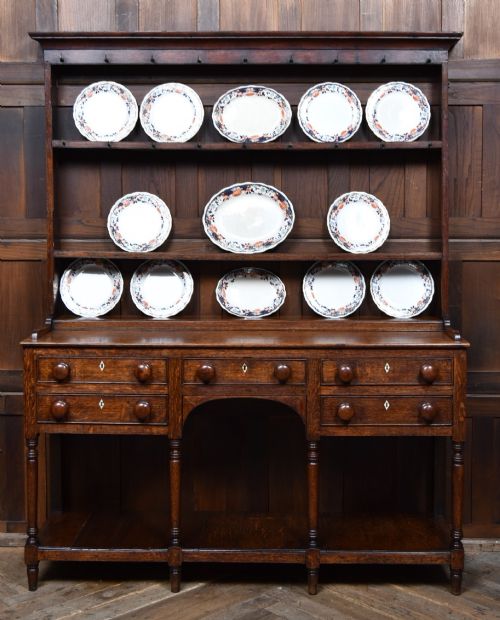
- The upper shelving unit attached to a dresser base, designed specifically for standing plates on edge. This display structure often incorporates boarded backs and small hooks.
- Pot board
- An open lower shelf positioned beneath the base cupboards of a dresser. Historically utilised for storing heavy pots and pans off the stone floor.
- Patina
- The surface sheen and colour acquired by wood over decades of handling, cleaning, and waxing. A rich patina indicates age and continuous use.
- Dog kennel
- A central open recess positioned between lower cupboards in specific vernacular dresser bases. This unusual architectural feature derives its name from traditional farmhouse layouts.
- Glazed dresser
- A variation featuring glass-fronted upper doors rather than open shelves. This design protected delicate china from kitchen dust and soot.
Vintage Welsh Kitchen Dresser: Frequently Asked Questions
How do I distinguish oak from pine dressers?
Oak dressers display dense grain patterns, warm honey or dark tones, and heavier structural weight. They generally represent higher status farmhouse furniture.
Pine pieces present a softer, lighter grain structure and were frequently painted or waxed in cottage settings.
Are plate racks original to the base?
Many dressers retain their matching upper racks, though some historical combinations evolved over time as pieces were separated and reunited. Matching timber species and wear patterns help confirm original pairing.
Slight variations in surface colour between upper and lower sections can simply reflect different exposure to light over the centuries.
How should I care for a waxed pine dresser?
Maintain the finish by applying natural beeswax sparingly and buffing gently with a soft cloth. Avoid placing wooden furniture directly beside modern heat sources to prevent timber splitting.
Regular dusting preserves the historic surface without disturbing the accumulated patina.