



Vintage War Memorabilia
Vintage war memorabilia gathers personal and operational artefacts from the conflicts of the twentieth century, offering a direct physical connection to historic campaigns.
Vintage War Memorabilia
Vintage war memorabilia encompasses items produced during major twentieth-century conflicts, spanning personal trench pieces and official military equipment. When exploring vintage war memorabilia, buyers frequently encounter objects originating from the Edwardian period and the 1940s.
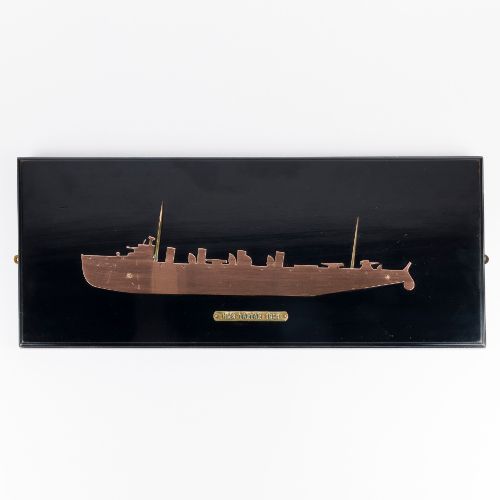
The available selection includes utilitarian items such as tool boxes and military periscopes alongside decorative pieces like character jugs and picture frames. These artefacts range from everyday domestic patriotic items to specialised instruments utilised by armed forces.
Originating from periods including 1910, 1930, and 1940, these pieces reflect both active service conditions and home front culture. The inventory records items made by specific manufacturers as well as hand-worked folk art.
Materials and construction methods
Makers utilised available metals such as brass, copper, silver, and bronze, frequently combining them with organic materials like wood, natural horn, and pine. Items such as beakers and smoking pipes demonstrate how horn and timber were shaped by hand during service.
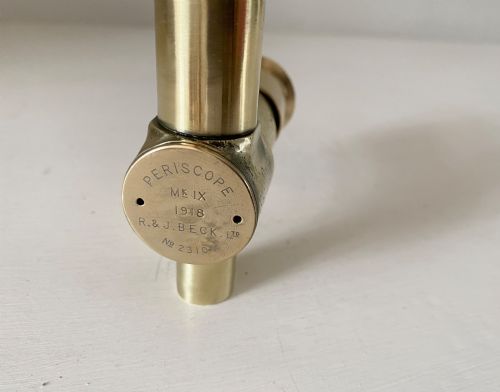
Precision instruments rely on durable metals paired with glass components, as seen in optical periscopes and aircraft altimeters. Meanwhile, commemorative wall plaques and picture frames incorporate stamped metals, enamelling, and framed paper or photography.
Vintage War Memorabilia Retail Price Guide 2026
Typical asking prices for vintage war memorabilia among the pieces listed under this phrase on Sellingantiques today, from the lower quarter to the upper quarter. They describe what is for sale here now, not the wider market.
Current listings incorporate items from the Edwardian era through to the 1940s, utilising brass, pine, natural horn, and silver.
Assessing craftsmanship and condition
Quality in these items rests on the clarity of period inscriptions, maker marks, and the integrity of original materials. Pieces bearing legible dates, maker details like R & J Beck Ltd, or specific regimental connections command greater historical interest.
Hand-worked folk art varies according to the skill of the carver in shaping difficult mediums like natural horn or wood. Factory-produced items are judged by the precision of their mechanical components and the preservation of original finishes.
R & J Beck Ltd·Gnome Et Le Rhone Engine Company
The Vintage War Memorabilia Glossary
- Trench art
- Decorative or utilitarian objects fashioned by soldiers, prisoners of war, or civilians from conflict-related scrap materials and ordnance. These pieces often feature engraved dates, locations, or regimental motifs.
- Character jug
- A ceramic vessel shaped as the head of a well-known historical figure or military leader. Examples from the early twentieth century often depict prominent commanders of the era.
- Periscope
- An optical instrument utilising mirrors or prisms to allow observation over intervening objects or from a protected trench position. Military variants frequently feature stamped maker details and governmental acceptance marks.
- Folk art
- Utilitarian items and decorative pieces created by self-taught makers using traditional domestic crafts. In a military context, this includes hand-carved pipes and horn beakers.
Vintage War Memorabilia: Frequently Asked Questions
What counts as vintage war memorabilia?
Vintage war memorabilia includes personal items, uniform components, trench art, and official equipment originating from twentieth-century conflicts. The category bridges domestic patriotic items and functional military hardware.
Buyers find everything from pocket-sized personal tokens to substantial instruments and clocks produced during periods of active global conflict.
How do I identify trench art?
Trench art is typically identified by hand-carved details, engraved metallic surfaces, and the use of repurposed service materials like shell casings and horn. These pieces often display dates, campaign locations, or unit names.
Unlike standard factory production, trench art bears the distinct marks of individual workmanship using improvised tools.
Where were these pieces used?
These items saw service across active military fronts, aboard naval vessels, within military workshops, and in civilian homes on the home front. Scientific instruments were utilised in the field or mounted in aircraft.
Decorative items such as picture frames and character jugs were predominantly kept in domestic settings to display patriotism or commemorate service personnel.
How should I care for mixed material items?
Caring for pieces made of combined materials requires attention to the specific vulnerabilities of each substance, keeping wood, horn, and metal away from excessive moisture and direct sunlight. Uncoated metals may be lightly dusted but benefit from preserving natural age patination.
Glass and enamel components should be cleaned gently with dry or minimally damp cloths to avoid disturbing delicate surfaces or historic finishes.