


Vintage Walnut Storage Unit
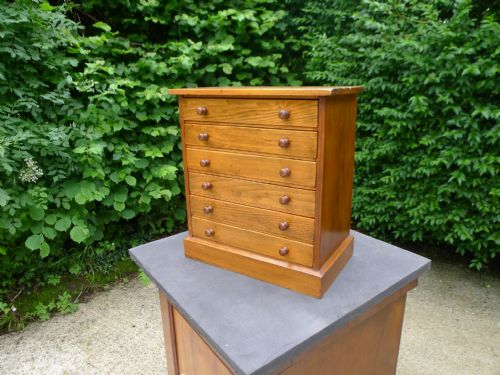
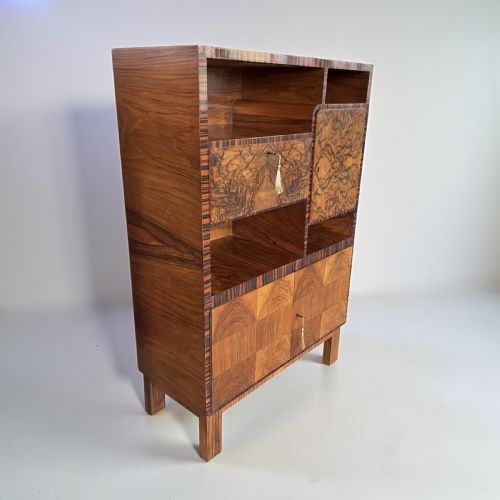
A vintage walnut storage unit brings rich grain and practical utility to a room, ranging from Edwardian sheet music cabinets to Art Deco bookcases.
Vintage Walnut Storage Unit
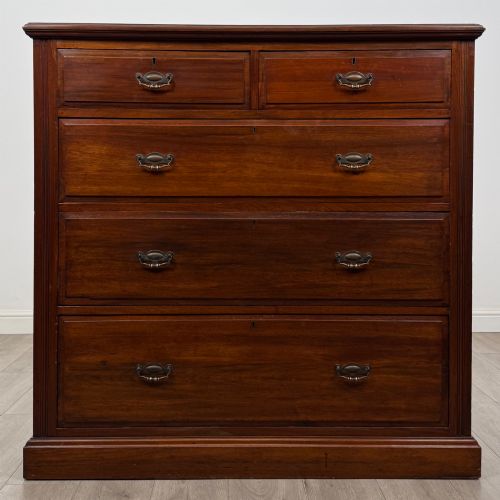
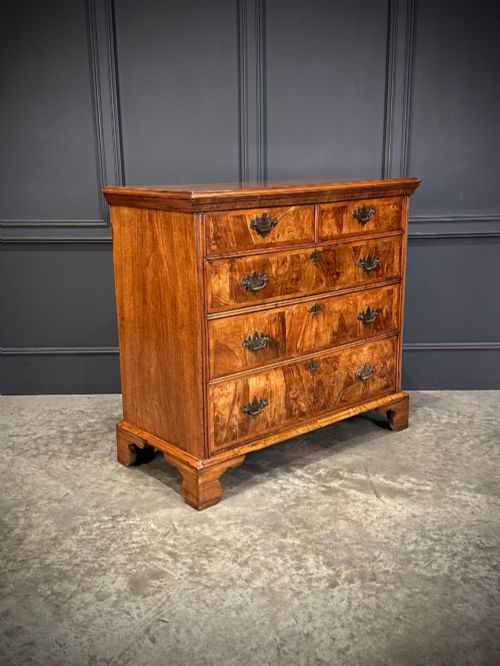
A vintage walnut storage unit encompasses a diverse array of forms designed for organisation and display, including chests of drawers, bookcases, and specialised cabinets. Buyers searching this phrase encounter examples stretching from the eighteenth century through the Victorian and Edwardian eras into the nineteen-thirties.
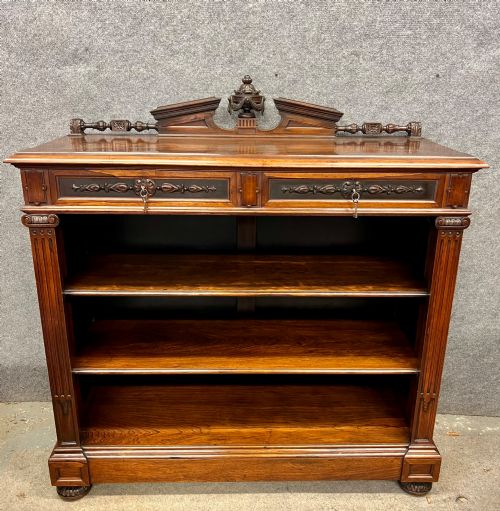
The selection on this page leans heavily toward practical domestic furniture, with chests of drawers and open bookcases appearing frequently alongside wall cabinets, tallboys, and music cabinets. Pieces span distinct aesthetic movements, taking in Georgian proportions, Victorian substance, Arts and Crafts restraint, and Art Deco geometry.
Materials and Construction
Cabinet makers utilised solid timber alongside figured veneers, applying walnut and burr walnut across structural frames and drawer fronts. Satin walnut and mahogany also appear in the material mix, providing contrast and variety in tone.
Metal and glass elements complete many of these pieces, with brass hardware functioning as handles and key escutcheons. Glazed doors and display panels incorporate glass to protect contents while maintaining visibility.
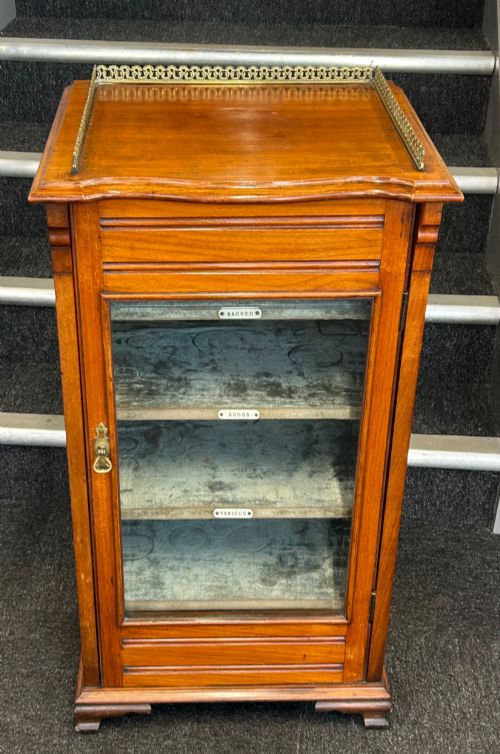
Edwardian sheet music cabinets quietly pivoted from holding nineteenth-century nocturnes to concealing modern television remote controls.
Defining Quality
Excellence in these storage pieces rests upon the selection of timber and the precision of the cabinet work. Figured burr walnut veneers and well-matched grain patterns separate refined examples from plainer utility items.
Structural integrity and the retention of original brass fittings or mounted elements distinguish superior pieces. Subtle details such as inlaid decoration and ebonised accents elevate the workmanship.
Whytock and Reid of Edinburgh
The Vintage Walnut Storage Unit Glossary
- Burr walnut
- A veneer taken from the knotted growth of a walnut tree, yielding complex, swirling grain patterns. It was frequently utilised on high-status cabinet doors and drawer fronts.
- Tallboy
- A tall storage furniture form consisting of a chest of drawers stacked vertically, offering substantial capacity with a compact footprint. These pieces often feature graduated drawers.
- Sheet music cabinet
- A specialist low cabinet fitted with multiple shallow internal trays or drawers designed to organise loose music sheets. Edwardian makers produced these in walnut.
- Whatnot
- A piece of open shelving supported by slender upright pillars, used for displaying ornaments and small objects. Examples include wall-mounted versions.
- Satin walnut
- A pale timber with a satiny sheen, often employed for secondary woods or drawer fronts in Edwardian furniture.
Vintage Walnut Storage Unit: Frequently Asked Questions
What is a walnut tallboy used for?
A tallboy provides vertical storage space for clothing and linens through a stacked arrangement of multiple drawers. Its height makes it practical for rooms with limited floor space.
These pieces combine decorative presence with daily utility, keeping personal items organised within a substantial timber carcass.
How do I identify an Art Deco storage unit?
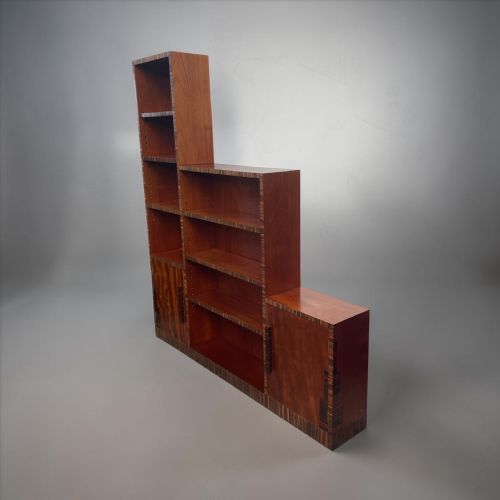
Art Deco pieces typically display stepped silhouettes, geometric forms, and clean lines free of heavy period ornamentation. They often date from the nineteen-thirties and showcase streamlined modern design.
Makers focused on smooth walnut surfaces and simple architectural shapes rather than historic revival motifs.
Where should I place a music cabinet?
Originally built for sheet music, these compact cabinets suit living rooms or studies as end tables or small storage chests. Their shallow internal drawers accommodate stationery, photographs, or small collections.
Their modest proportions allow them to fit easily beside larger seating furniture without dominating the floor plan.
Are walnut cabinets durable for daily use?
Walnut is a sturdy hardwood that stands up well to regular domestic use when maintained with standard furniture care. Solid construction and traditional joinery ensure long-term stability.
Polished surfaces require protection from excessive moisture and direct heat to preserve the timber grain and finish.