


Vintage Walnut Stool Bench
These vintage walnut stool bench pieces bring warmth and functional seating to any interior.
Vintage Walnut Stool Bench
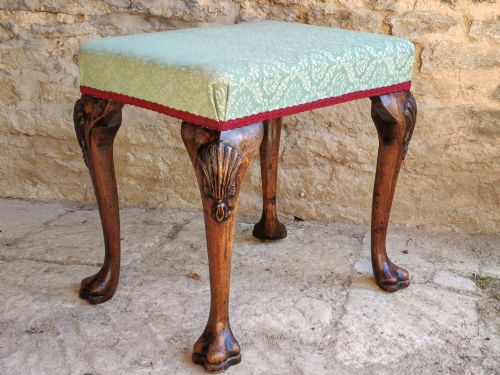
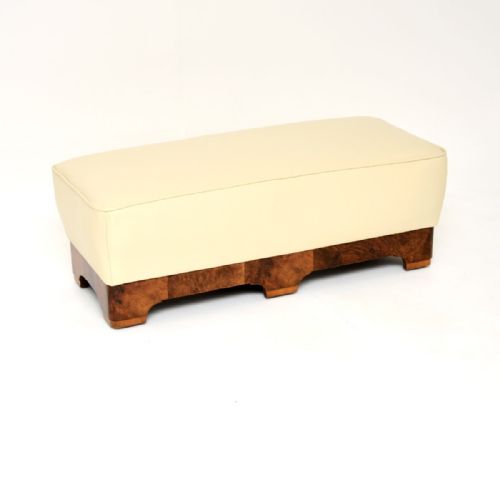
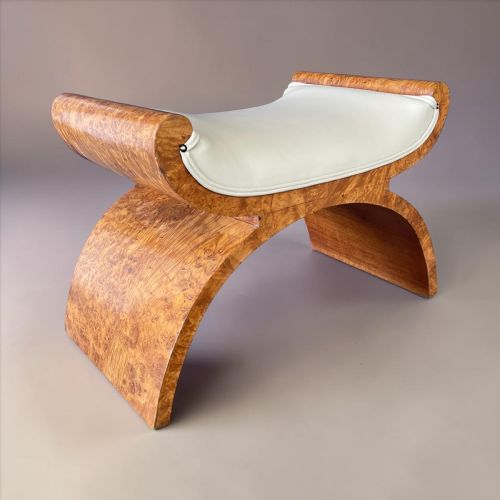
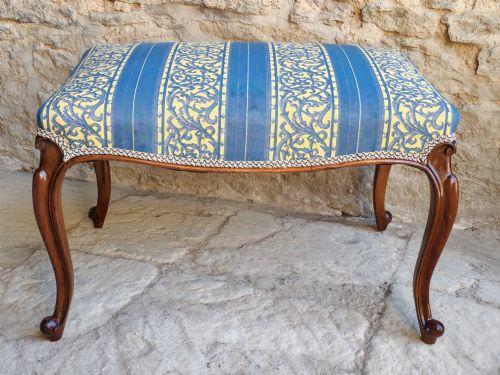
The most common versions you will meet on this page date from the Victorian era and the nineteen-thirties. Victorian examples often feature cabriole legs and upholstered tops, while nineteen-thirties pieces tend to showcase the distinct grain of burr and figured walnut combined with leather.
Originating largely from English and French workshops, these items served varied domestic roles from bedrooms to drawing rooms. Their survival in multiple revival styles, including Queen Anne and Louis XIV, shows how later makers drew on earlier classical proportions.
Materials and construction
The primary material across these pieces is walnut, valued for its rich dark tones and decorative grain, particularly when utilised as burr walnut veneer on top surfaces. Carved elements demonstrate the timber's capacity to hold sharp detail on cabriole and twisted rope legs.
Upholstery forms a major component of the construction, integrating materials such as leather, velvet, fabric, and tapestry needlepoint. Many seats incorporate traditional buttoning or horsehair stuffing beneath the top cover to maintain a firm yet comfortable profile.
The listings on this page span several decades, featuring materials such as walnut, brass, leather, and tapestry across nineteenth-century and Art Deco forms.
Judging the quality of walnut seating
Quality in these pieces rests heavily on the selection of the timber and the crispness of any carved decoration. A superior nineteenth-century or Art Deco stool displays carefully matched walnut veneers and solid frames that remain rigid through decades of use.
The standard of upholstery and the retention of original hand-dyed leather or period tapestry heavily influence the character of each piece. Finer examples combine well-executed joinery with textiles that complement the proportion and style of the wooden frame.
Harry and Lou Epstein·Morris and Co.
The Vintage Walnut Stool Bench Glossary
- Burr walnut
- A prized timber harvested from tree growths that produces highly swirling, intricate grain patterns. It is typically applied as a veneer on prominent surfaces such as stool tops.
- Cabriole leg
- A furniture leg featuring a double curve, bulging outward at the knee and tapering inward toward the foot. This shape is frequently seen on Victorian and Queen Anne style examples.
- Needlepoint
- A form of canvas work embroidery using yarn to create pictorial or geometric designs. It is often found on the upholstered seats of nineteenth-century French and English stools.
- Window seat
- An elongated stool or bench designed to fit within the architectural recess of a window. These pieces frequently accommodate two or more sitters.
- Fall front piano stool
- A specialised seat featuring a hinged mechanism to access internal storage for sheet music. The walnut frame conceals these practical compartments while maintaining a formal appearance.
Vintage Walnut Stool Bench: Frequently Asked Questions
What is a walnut dressing table stool?
A dressing table stool is a compact seat designed specifically for use at a vanity or dressing chest. These pieces often feature upholstered pads in leather, fabric, or needlepoint to match bedroom furnishings.
Many examples from the nineteen-thirties include built-in storage compartments beneath the seat for cosmetics or accessories. Their low profile allows them to tuck neatly beneath the furniture when not in use.
How do I date a walnut stool?
Dating a walnut stool relies on observing the combination of wood finishes, upholstery styles, and overall form. Victorian pieces frequently utilise heavy carved frames and buttoned leather, whereas nineteen-thirties Art Deco examples favour streamlined burr walnut veneers.
Secondary woods and construction methods underneath the piece also offer clues to its period of manufacture. Stylistic revivals, such as Queen Anne or Louis XIV styles, imitate earlier centuries but carry the construction signatures of their actual production era.
Where should I place a window seat?
A window seat is traditionally positioned in a bay window or against a hallway wall to provide convenient occasional seating. These longer benches work well in entrance halls, bedrooms, or living spaces where extra informal seating is required.
Their elongated proportions make them suitable for placing at the foot of a bed or beneath a large window without obstructing natural light. The decorative walnut frames and upholstered tops add visual weight to otherwise empty wall spaces.
How do I care for antique walnut wood?
Caring for antique walnut involves keeping the timber away from direct sunlight and sudden temperature changes that can dry out the wood. Regular dusting with a soft, dry cloth helps prevent the accumulation of abrasive particles on the polished surface.
Application of appropriate wax polish maintains the moisture and natural lustre of the walnut grain without sealing the pores. Avoid using modern silicone-based sprays, which can damage traditional French polish and antique finishes over time.