





Vintage Walnut Secretary
A vintage walnut secretary brings together rich timber and fitted compartments for writing, offering a practical workspace with distinct period character.
Vintage Walnut Secretary
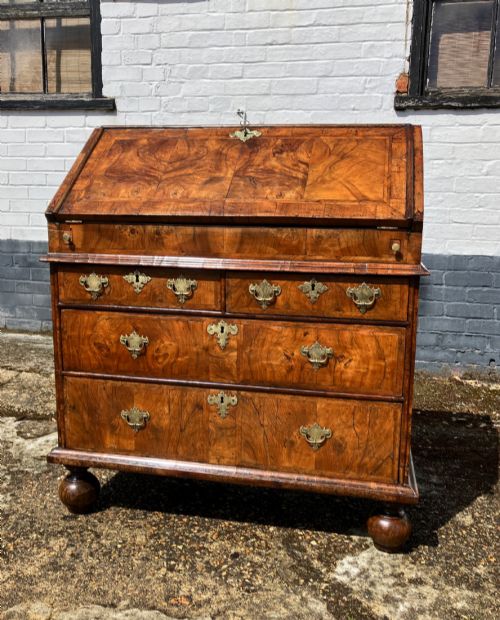
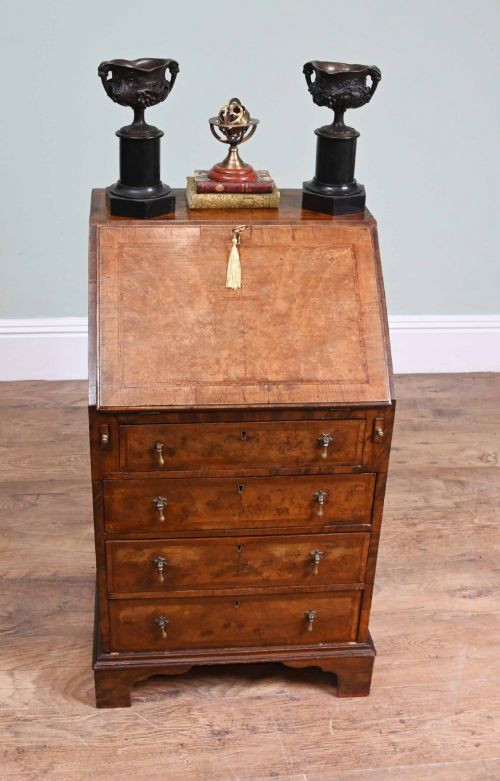
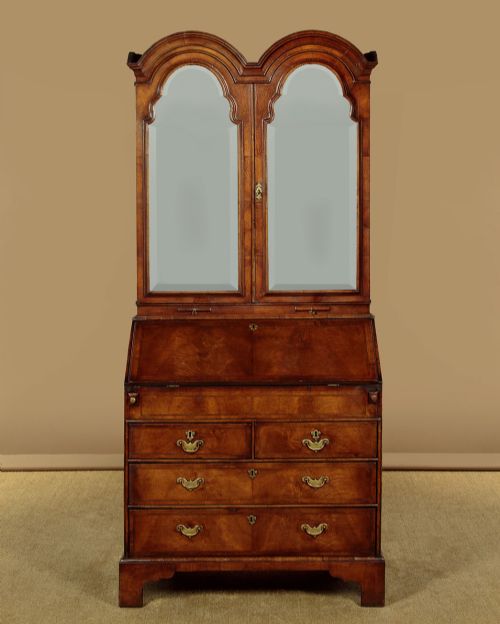
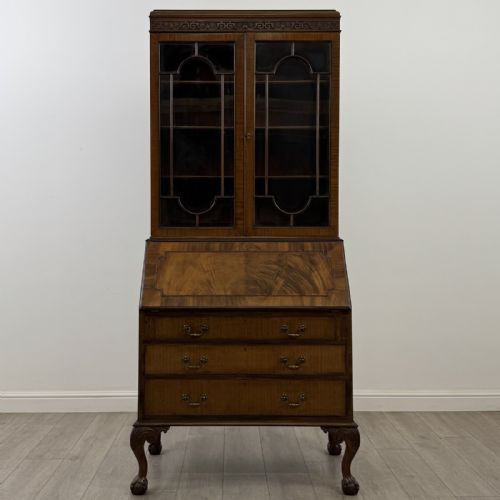
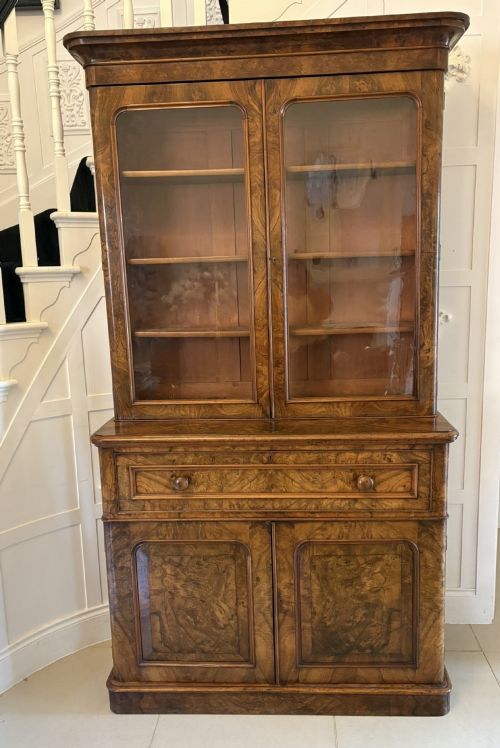
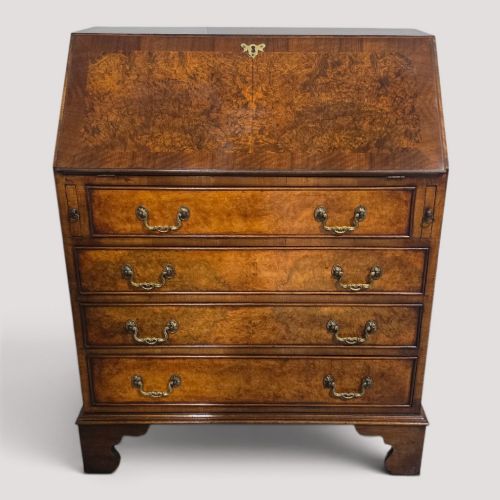
When a buyer searches for a vintage walnut secretary, they are looking at a family of writing furniture that ranges from compact fall-front desks to grand bureau bookcases. These pieces combine a writing surface with concealed drawers, pigeonholes, and sometimes upper shelving enclosed by glazed or solid doors.
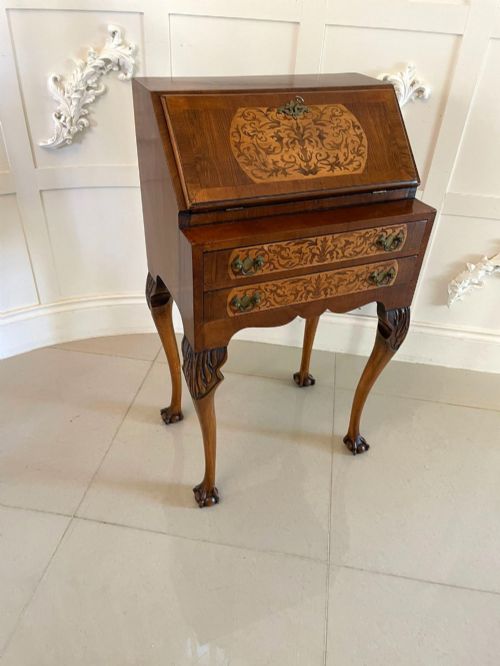
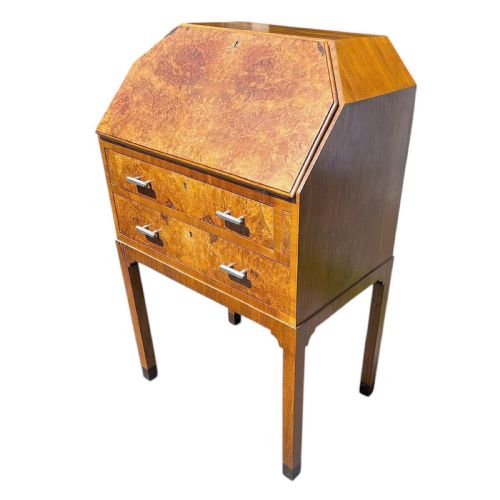
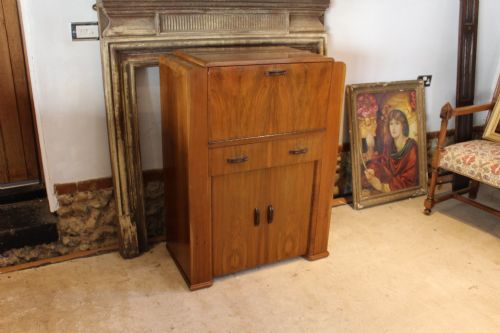
The selections available here draw on centuries of cabinet making, spanning 18th century Georgian origins through Victorian and Edwardian revivals up to Art Deco interpretations. The Edwardian and 1920s iterations appear frequently, often channelling earlier Queen Anne or Dutch Baroque aesthetics.
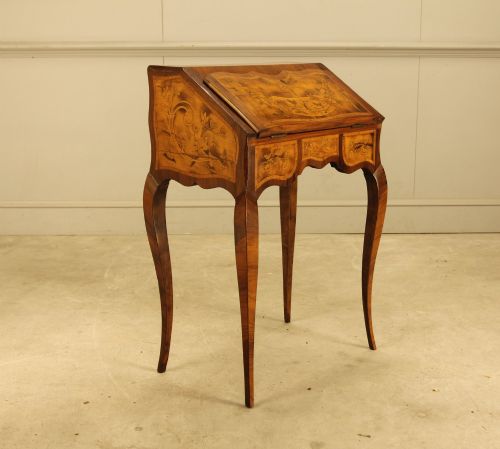
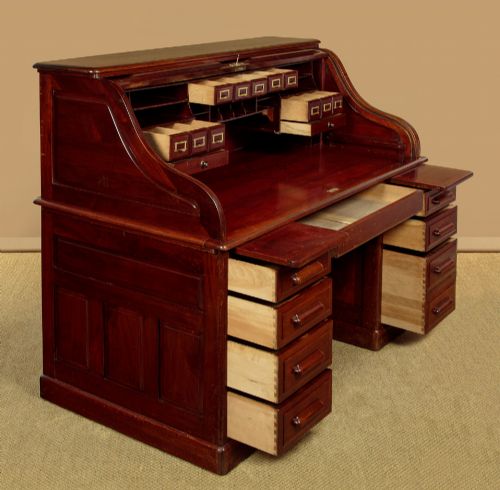
Makers constructed these desks in various formats, including bureau cabinets, slant-front desks, and roll-top variants. Continental examples from Italy, France, and Germany sit alongside English pieces, offering distinct regional marquetry and proportions.
Distinctions in craftsmanship and finish
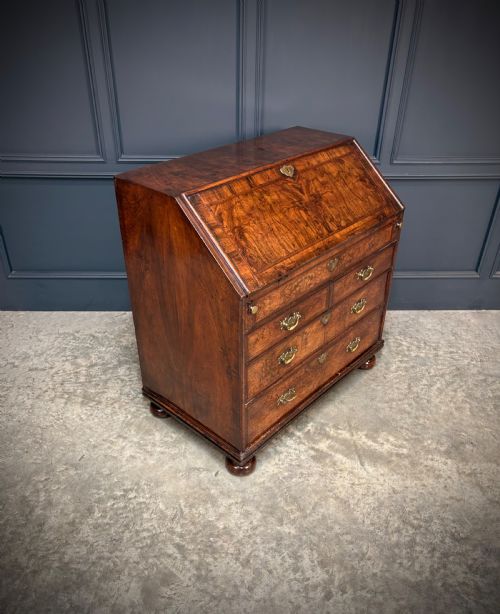
Quality in these writing desks rests upon the selection of timber veneers and the precision of the marquetry inlay. Finely matched burr walnut grain patterns across a fall-front flap signal superior work compared to plain, unfigured stock.
The interior arrangement of small drawers, secret compartments, and pigeonholes reveals the maker's hand. Smooth movement in the sliding writing surfaces and tight joints in the primary carcase distinguish finer examples.
Vintage Walnut Secretary Retail Price Guide 2026
Typical asking prices for vintage walnut secretary among the pieces listed under this phrase on Sellingantiques today, from the lower quarter to the upper quarter. They describe what is for sale here now, not the wider market.
Materials recorded across the selection include solid walnut, burr walnut veneer, oak, elm, leather, and satinwood.
F.H. Marshall & Co Glasgow·Waring & Gillow
The Vintage Walnut Secretary Glossary
- Bureau
- A sloping desk with a hinged flap that opens to reveal a fitted interior of small drawers and pigeonholes. It typically sits upon a chest of drawers or a dedicated stand.
- Secretaire
- A piece of furniture containing a drawer or compartment that pulls down or out to form a writing surface. French examples often use the term secretaire-à-abattant for upright variants.
- Burr walnut
- Timber taken from a growth on a walnut tree, producing swirling, highly decorative grain patterns. Craftsmen slice this wood into thin veneers for decorative surfaces.
- Marquetry
- Decorative patterns formed by fitting small pieces of veneer into a wood foundation. Craftsmen utilise varied timber colours to create floral or geometric pictures.
- Bureau bookcase
- A tall cabinet combining a lower writing desk with upper shelving enclosed by doors. These pieces serve both storage and writing functions in a single footprint.
Vintage Walnut Secretary: Frequently Asked Questions
How do I use a secretary desk?
Lower the hinged writing flap to reveal the interior compartment containing pigeonholes and small drawers. This creates a compact writing surface while keeping correspondence and papers organised out of sight.
When finished, simply lift the flap back into place and secure it, transforming the desk into a neat cabinet that occupies minimal floor space.
Where should I place a walnut secretary?
Position the piece in a study, living room, or hallway away from direct sunlight and heat sources to protect the walnut veneer. Maintaining a stable room temperature prevents the timber from drying out or splitting.
Ensure there is sufficient clearance for the fall-front flap to open fully and for a chair to slide comfortably underneath the writing height.
How do I tell an 18th-century piece from a revival piece?
Examine the secondary timbers inside the drawer linings and the construction methods used for the dovetailing. Earlier pieces often show hand-cut joinery and native woods characteristic of the Georgian period, whereas Edwardian revivals may incorporate machine-sawn elements.
Look closely at the hardware, locks, and overall patina of the walnut surfaces, as these details often point to the manufacturing era.
How do I care for walnut veneer?
Dust the surface regularly with a soft, dry cloth to prevent grit from scratching the polished finish. Apply a quality wax polish occasionally to nourish the timber and preserve its natural lustre.
Avoid using silicone-based sprays or placing damp items directly onto the wood, as moisture can penetrate the delicate veneer layer.