



Vintage Walnut Ottoman
A vintage walnut ottoman brings rich timber grain and period charm into a room, serving as a versatile seat or low table.
Vintage Walnut Ottoman
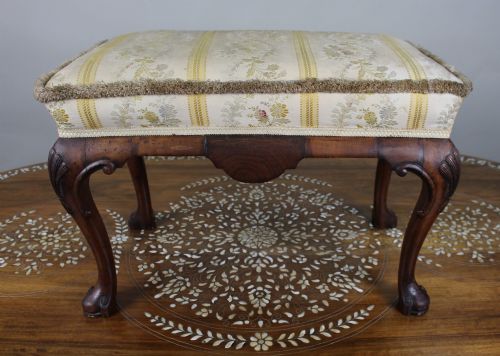
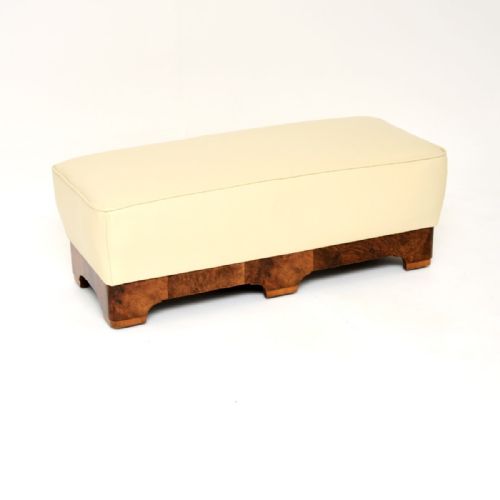
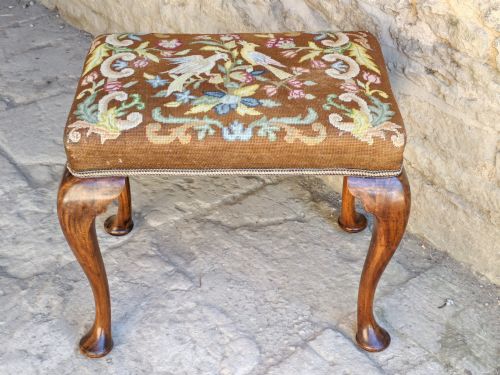
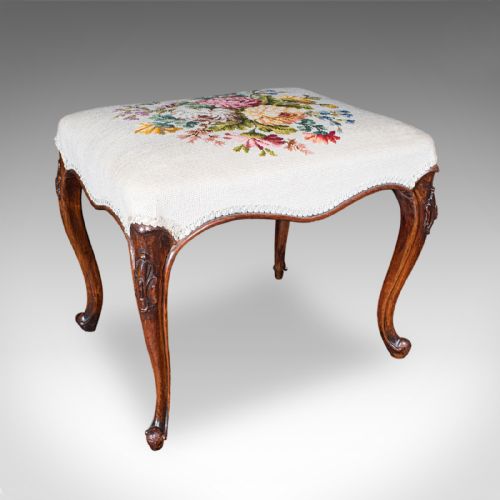
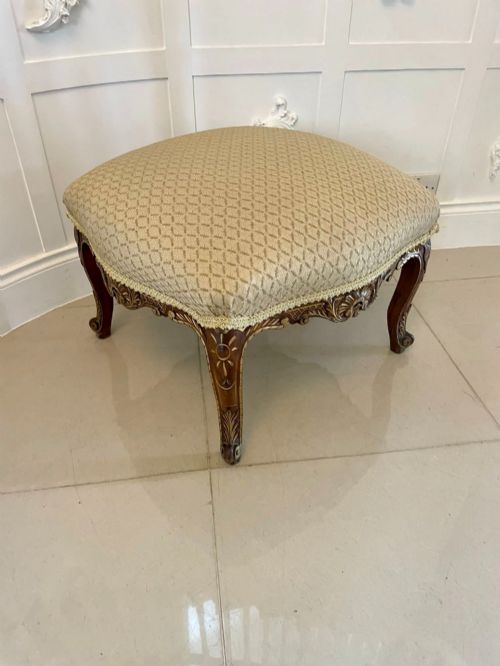
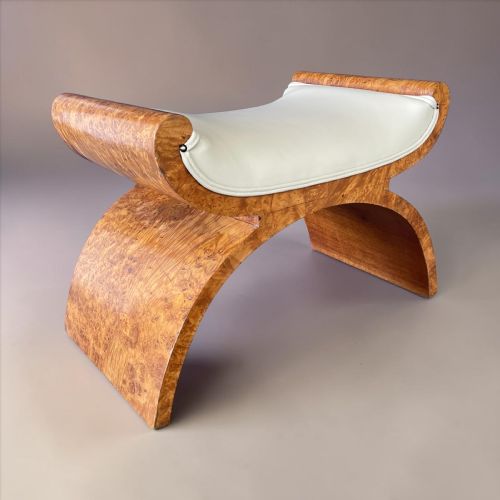
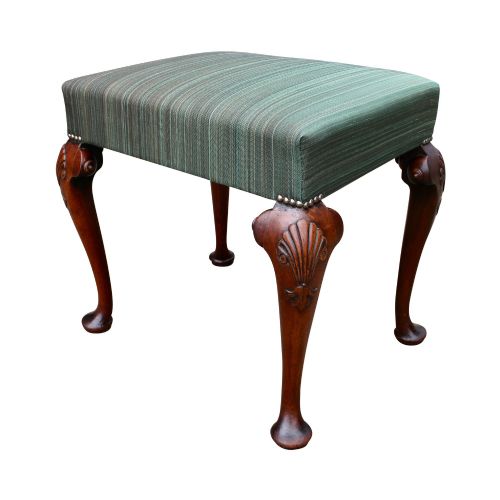
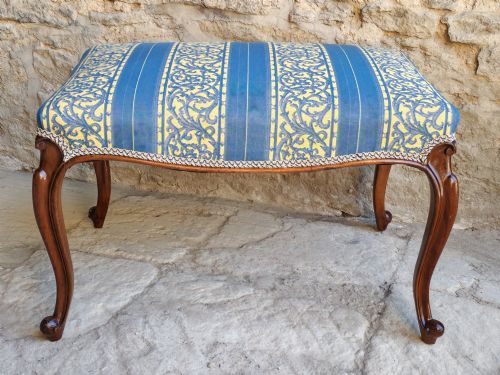
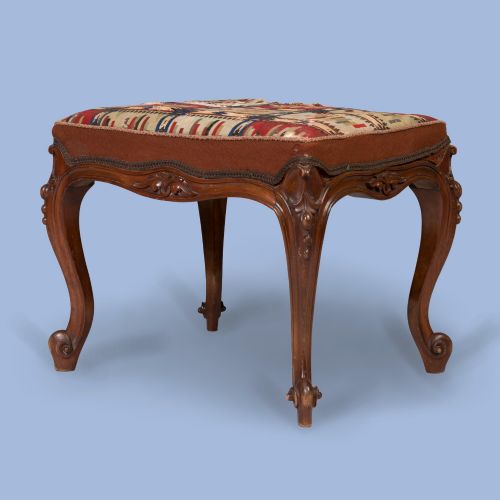
The selection ranges from mid nineteenth century Victorian designs with cabriole legs to nineteen thirties Art Deco burr walnut forms. Stools and blanket chests also appear frequently alongside traditional ottomans.
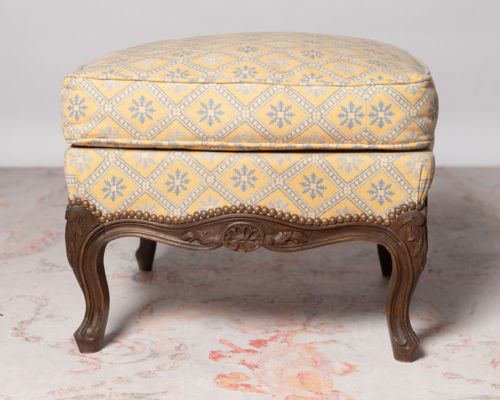
Makers drew on diverse design vocabularies including Queen Anne Revival, Scottish Baronial and French styles. Buyers seeking a vintage walnut ottoman will encounter robust framing paired with decorative carving or smooth veneered surfaces.
Materials and construction methods
Makers utilised solid walnut and burr walnut veneers over secondary timbers to build durable frames. Rich timber grain patterns provide the primary visual interest across both Victorian and Art Deco examples.
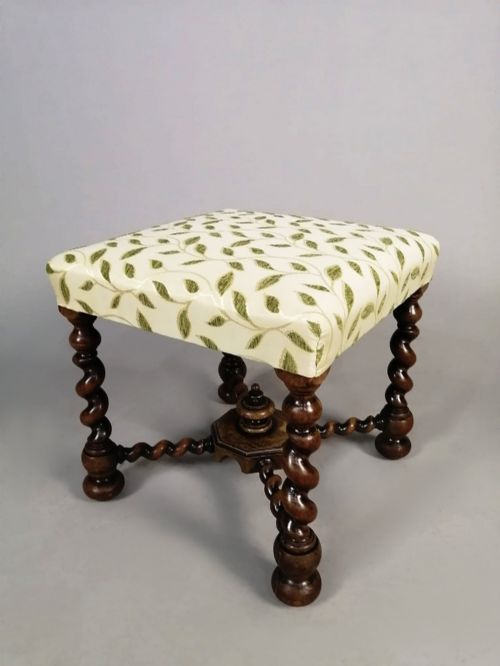
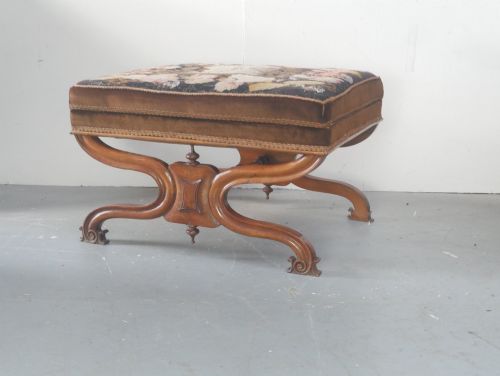
Upholstered sections relied on traditional textiles such as velvet, leather, needlework and tapestry, often secured with brass detailing. Frames frequently feature hand carving, spiral turning or sleek polished surfaces depending on the period.
Vintage Walnut Ottoman Retail Price Guide 2026
Typical asking prices for vintage walnut ottoman among the pieces listed under this phrase on Sellingantiques today, from the lower quarter to the upper quarter. They describe what is for sale here now, not the wider market.
Some nineteenth century footstools were deliberately stuffed to generous heights so ladies could keep their slippers clear of chilly draughty floors.
Factors that separate quality levels
The distinction between tiers rests upon timber selection, particularly the choice between plain walnut and highly figured burr walnut veneers. Hand carved detailing and the crispness of turned legs also elevate certain examples above standard production.
Frame integrity and the preservation of original upholstery materials dictate lasting value. Pieces retaining period leather, needlepoint or quality textile work command particular attention from discerning collectors.
Harry and Lou Epstein
The Vintage Walnut Ottoman Glossary
- Burr walnut
- A specialised timber cut from the abnormal growths of a walnut tree, yielding intricate and swirling grain patterns. It was favoured by cabinet makers for high end decorative surfaces.
- Cabriole leg
- A furniture leg featuring a double curve, typically arching outward at the knee and tapering inward toward the foot. This form is common on eighteenth century inspired revival pieces.
- Needlepoint
- A type of canvas work embroidery utilised extensively for historical stool and ottoman upholstery. It frequently depicts floral or geometric motifs.
- Spiral carved
- A decorative twisting technique applied to wooden furniture supports and legs. This method appears on seventeenth century revival designs.
- Ottoman
- A low upholstered seat or footstool without arms or a back, occasionally incorporating internal storage. It functions equally as seating or a makeshift table.
Vintage Walnut Ottoman: Frequently Asked Questions
What periods do these ottomans come from?
The pieces span from the mid nineteenth century through the Victorian era and into the nineteen thirties. Art Deco and Queen Anne Revival styles dominate the later decades.
Earlier nineteenth century examples often display ornate carving and traditional upholstery, while twentieth century pieces lean toward clean veneered surfaces and leather finishes.
How were these stools used historically?
They served primarily as footstools in formal sitting rooms, dressing stools in bedrooms, or low seating near firesides. Some variants incorporated internal compartments for blankets or small items.
Today, many buyers repurpose them as low coffee tables or convenient accent seats in living spaces.
How do I distinguish Victorian from Art Deco pieces?
Victorian versions typically feature dark solid walnut, intricate hand carving, cabriole legs and textured needlepoint or velvet upholstery. They project an ornate and traditional aesthetic.
Art Deco items showcase smooth burr walnut veneers, geometric silhouettes and often incorporate leather. Their lines are streamlined and minimal compared to nineteenth century work.
Can I use an ottoman as a coffee table?
Sturdy rectangular stools and flat topped ottomans adapt readily to coffee table use. Firmly padded leather or solid timber tops provide stable surfaces for trays and books.
Care should be taken with delicate antique textiles, which benefit from protective trays or alternate placement.