
Vintage Walnut Glazed Bookcase
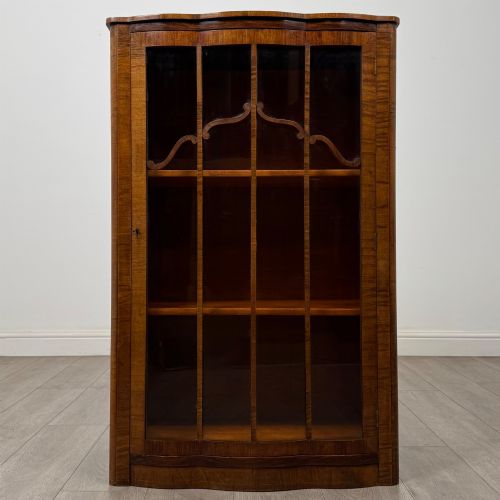
A vintage walnut glazed bookcase brings warmth and practical storage to a room, offering glass fronts to protect volumes while showing off rich grain.
Vintage Walnut Glazed Bookcase
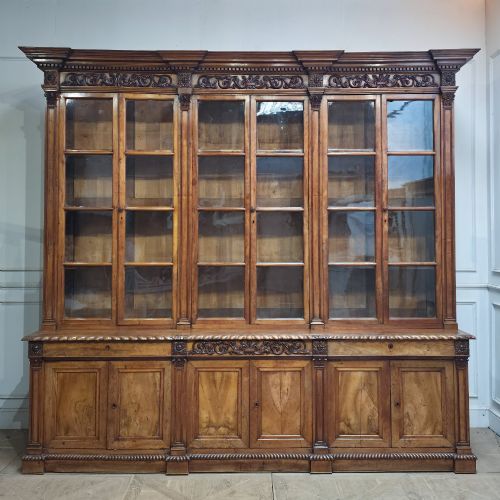
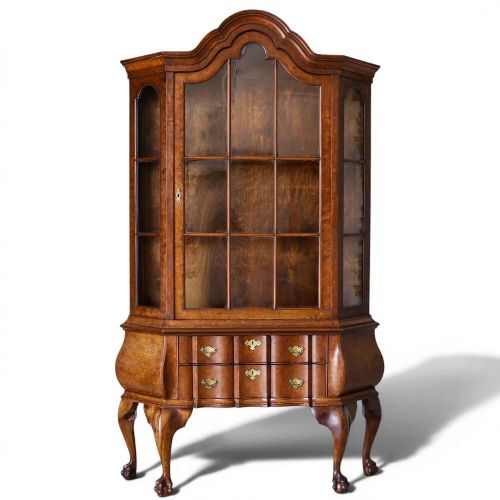
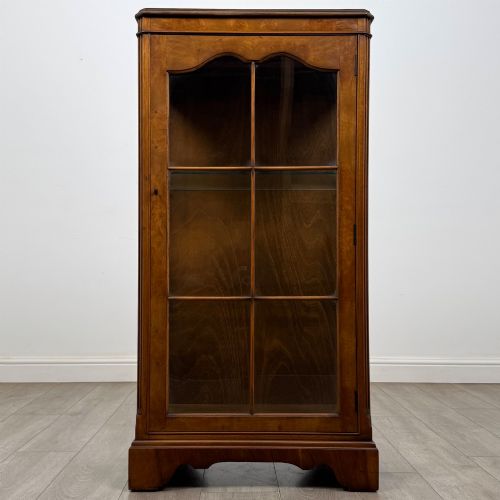
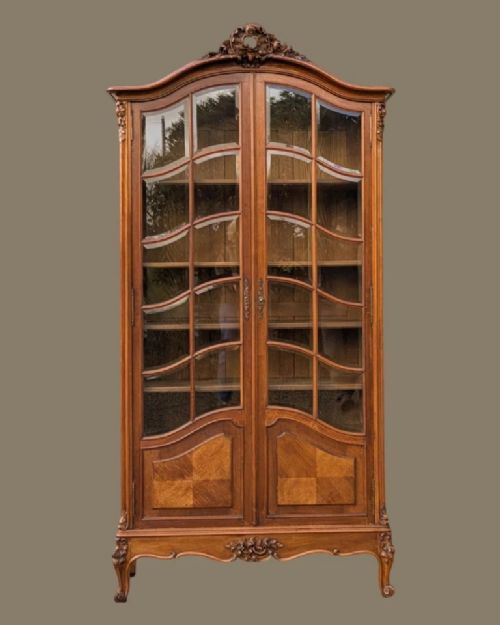
Buyers seeking a vintage walnut glazed bookcase encounter a variety of forms designed to house books and display objects behind glass doors. These items span from the 19th Century through the Edwardian era and into the 1930s, reflecting shifts in domestic taste over decades.
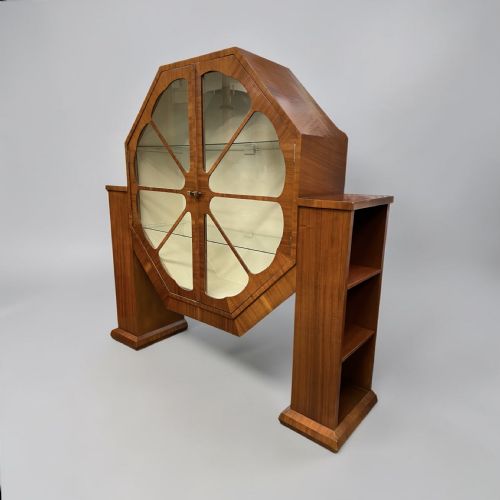
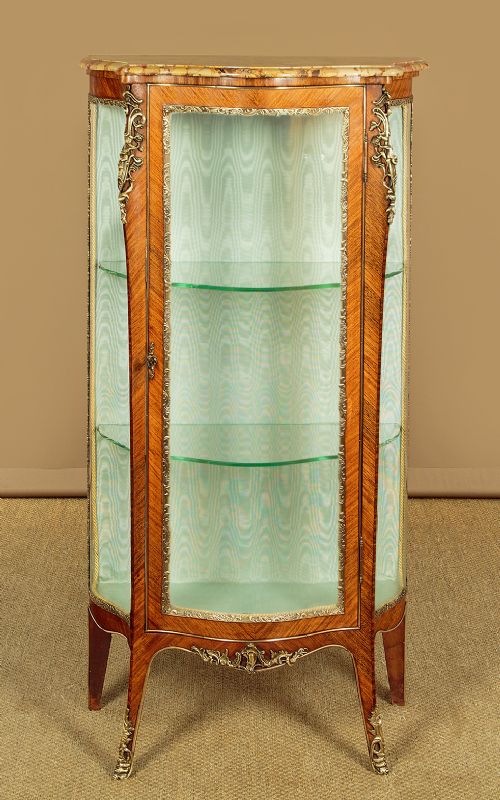
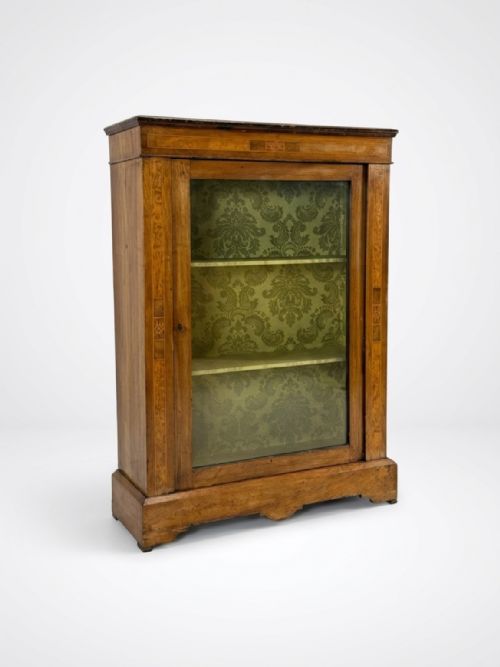
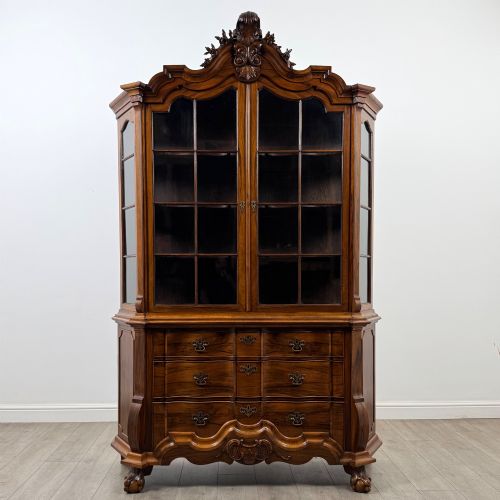
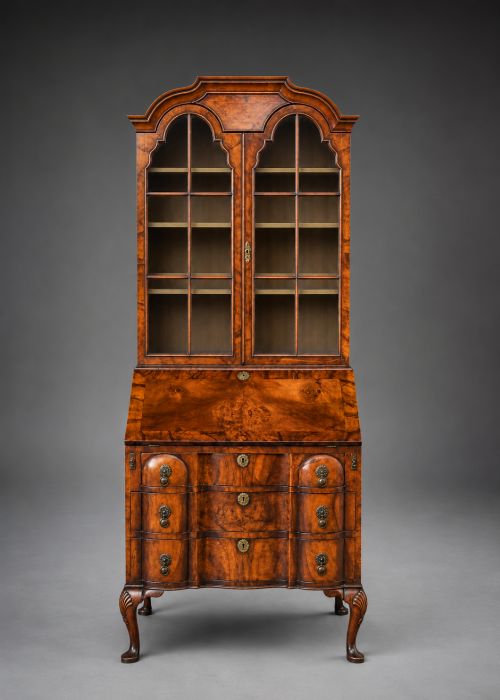
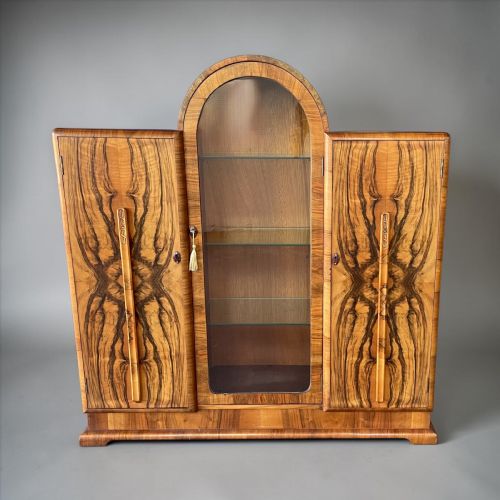
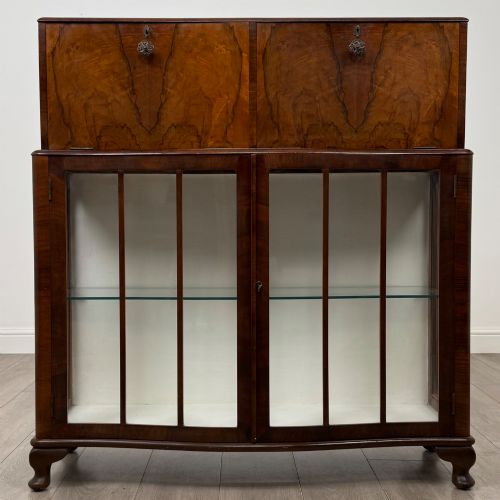
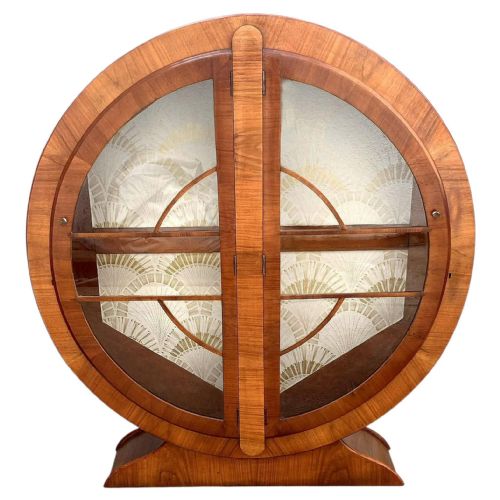
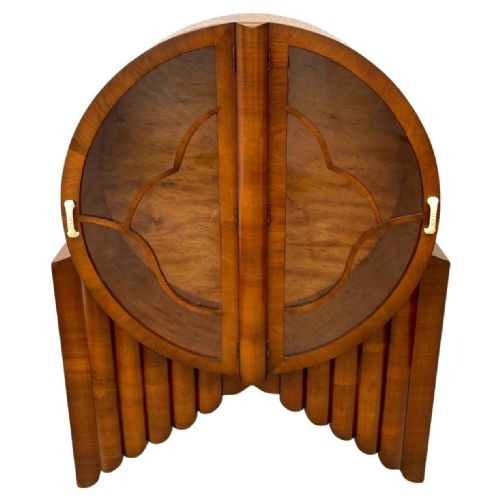
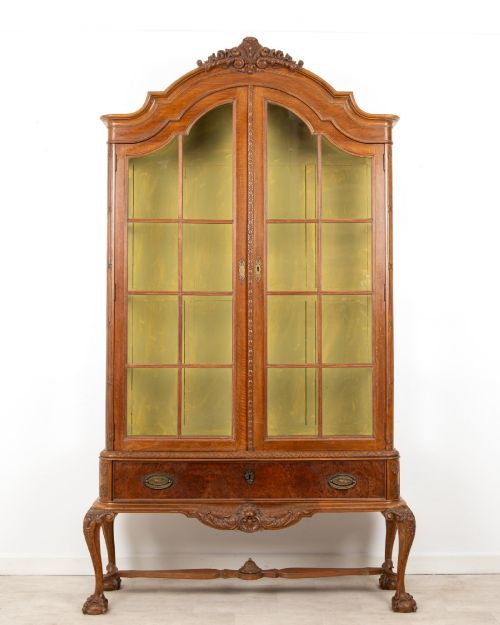
The selection on this page leans heavily toward Art Deco pieces from 1930 alongside Edwardian and earlier Victorian examples. Forms range from tall narrow cupboards and bureau bookcases to circular vitrines and breakfront display cabinets.
Origin points vary across English workshops, French provincial makers, and Dutch cabinet makers, introducing regional differences in door glazing and proportions. Walnut and burr walnut dominate the timber choices, providing deep brown tones and dramatic figuring.
How they were made
Cabinet makers utilised solid walnut and decorative veneers such as burr walnut, applying them over secondary woods to create striking grain patterns on the front panels. Brass hardware, including hinges, handles, and escutcheons, secured doors and drawers while adding metallic contrast to the dark timber.
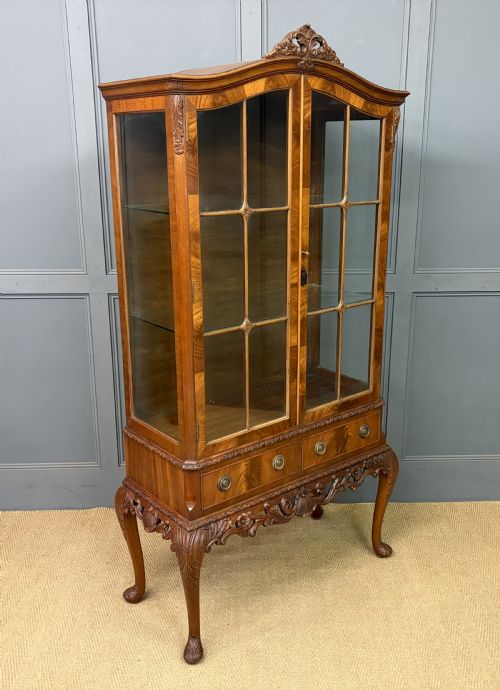
Glazing techniques involved fitting glass panes into wooden frames, sometimes using astragal bars to divide the lights into smaller geometric or arched sections. Interior shelves were frequently adjustable, resting on wooden supports or brass tracks within the glazed upper sections.
Several Art Deco cabinets embrace aerodynamic design, earning the cheerful nickname of rocket vitrines.
What varies in quality
Quality rests upon the selection of the timber veneer, where book-matched burr walnut or symmetrical figuring elevates the visual impact of the piece. The crispness of carved details, marquetry inlay, and the joinery of the glazed doors distinguish standard production from superior workshops.
Proportion and structural integrity define the higher end of the range, with well-balanced cornices, tight door seals, and original brass fittings maintaining the intended architectural harmony. Lesser examples may exhibit clumsy proportions or replacement hardware that disrupts the period aesthetic.
Maple & Co.·Waring & Gillow·Maurice Adams·Heal's·Epstein
The Vintage Walnut Glazed Bookcase Glossary
- Burr walnut
- A veneer taken from the wart-like growths on walnut trees, yielding intricate, swirling grain patterns highly prized for cabinet fronts.
- Astragal glazed
- Glass doors divided into smaller panes by narrow wooden mouldings called astragals.
- Breakfront
- A cabinet design where the central section projects forward from the flanking wings, creating visual depth.
- Vitrine
- A glass-sided display cabinet designed primarily for showing porcelain and small decorative objects.
- Bureau bookcase
- A dual-purpose piece featuring a sloping writing flap below an upper glazed bookcase section.
Vintage Walnut Glazed Bookcase: Frequently Asked Questions
How do I style a walnut bookcase?
Pair the warm, dark tones of walnut with neutral wall colours to let the natural grain stand out without overwhelming the room. Mixing books with framed photographs or ceramics breaks up the rows of spines.
Ensure the room receives adequate indirect light so the glass doors do not cast heavy reflections that obscure the contents within.
Are the shelves adjustable?
Many period bookcases feature adjustable shelving resting on wooden pegs or brass rack supports, allowing you to accommodate volumes of varying heights. Fixed shelves also appear, particularly in older or more rigid cabinet designs.
Checking the interior setup helps determine how flexibly you can organise your collection.
How do I clean walnut furniture?
Dust the timber regularly with a soft, dry cloth to prevent grit accumulation that can scratch the polished surface. Avoid silicone-based sprays and instead apply a quality beeswax periodically to nourish the wood.
Keep the glass panels clear using a standard glass cleaner applied to a cloth rather than sprayed directly near the wood.
How do I date a walnut cabinet?
Examine the overall style, such as the geometric lines of 1930s Art Deco pieces or the more ornate Revival styling of Edwardian items. Construction methods, drawer linings, and secondary woods inside the cabinet offer further clues to the decade of manufacture.
Hardware styles and the presence of maker stamps or paper labels can also narrow down the production period.