



Vintage Walnut Elbow Chairs
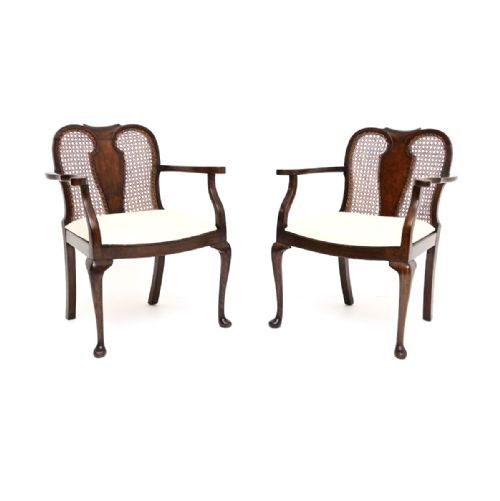
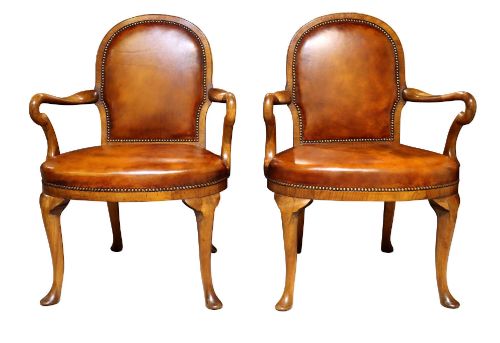
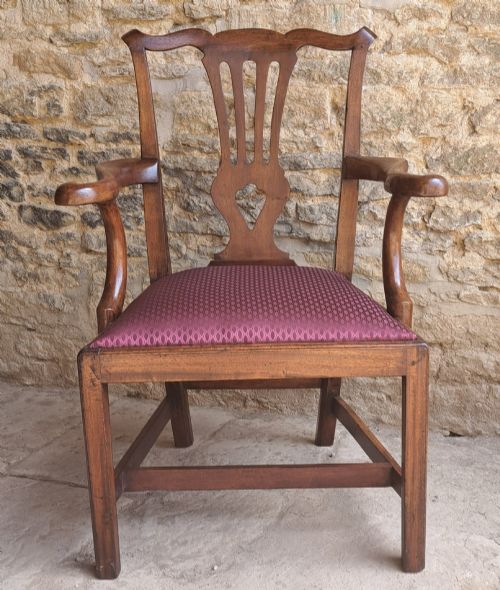
These vintage walnut elbow chairs offer solid timber framing and supportive arms, bringing period character and comfortable seating to any room.
Vintage Walnut Elbow Chairs
Buyers seeking vintage walnut elbow chairs encounter a range of armchairs and desk chairs spanning the eighteenth century through the twentieth century. These pieces encompass formal styles like Queen Anne Revival, George II Revival, and Georgian, alongside Edwardian designs and Art Deco occasional pieces.
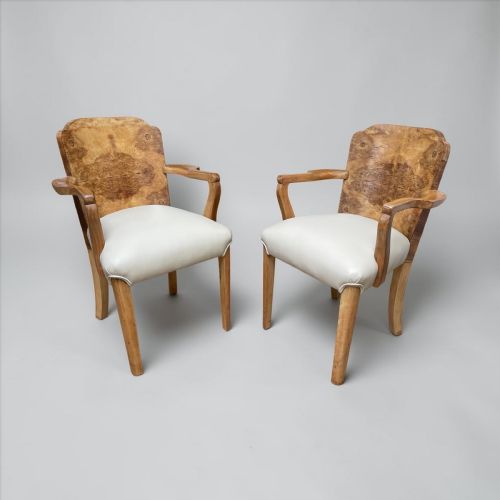
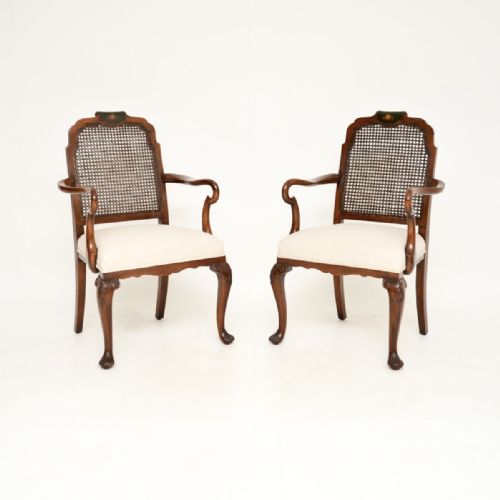
The selection here includes pairs of cane back armchairs, leather upholstered seats, and carved timber frames. Origins stretch from English workshops to Irish makers and continental influences such as Louis XV style framing.
Many examples utilise burr walnut veneers, decorative painted splats, and open arm configurations suited for libraries, morning rooms, and desks. The variety covers child size seats as well as substantial carver armchairs.
How they were made
Construction relies upon solid wood and timber framing shaped into open armchairs, desk chairs, and carvers. Craftsmen utilised walnut, burr walnut, and lacquered finishes to build sturdy seating structures.
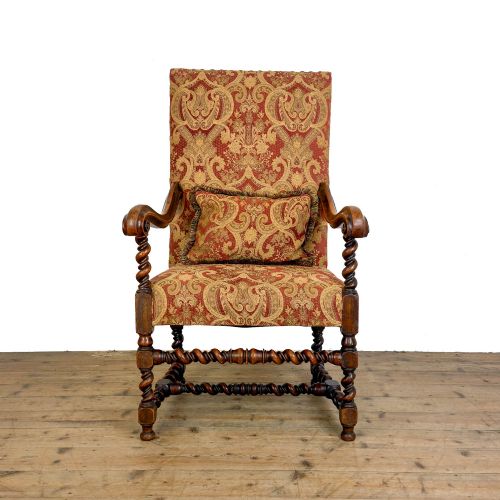
Detailing involves cane back panels, brass accents, and applied upholstery in fabric and leather. Revival pieces incorporate carved splats and decorative painting reflecting earlier eighteenth century cabinet making traditions.
Vintage Walnut Elbow Chairs Retail Price Guide 2026
Typical asking prices for vintage walnut elbow chairs among the pieces listed under this phrase on Sellingantiques today, from the lower quarter to the upper quarter. They describe what is for sale here now, not the wider market.
Listings feature walnut and burr walnut alongside fabric, leather, cane, and brass materials across multiple decades.
What varies in quality
Distinction across the range lies in the depth of timber figure, particularly where burr walnut veneers or detailed carving are applied to the frame. The crispness of carved splats, the tightness of cane work, and the integration of joinery separate standard production from finer revival pieces.
Proportion and period fidelity also dictate the standing of a piece. Well proportioned library armchairs and documented workshop pieces display superior handling of historical revival styles compared to simpler utilitarian variants.
Shoolbred
The Vintage Walnut Elbow Chairs Glossary
- Elbow chair
- A term for an armchair with side supports for the arms, often used at desks or as part of a dining suite.
- Burr walnut
- A prized timber cut from the abnormal growth of a walnut tree, yielding swirling, highly decorative grain patterns used in veneers.
- Splat
- The central vertical slat in the middle of a chair back, frequently shaped, carved, or painted in revival designs.
- Carver armchair
- A substantial wooden armchair, historically placed at the head of a table or utilised as a standalone desk seat.
- Cane back
- A chair back woven from rattan or cane strips, providing a lightweight yet supportive open lattice structure.
Vintage Walnut Elbow Chairs: Frequently Asked Questions
What is an elbow chair?
An elbow chair is an armchair featuring supports for the arms, designed for comfortable seating at desks, in libraries, or as part of larger seating arrangements.
These pieces provide greater support than standard side chairs while maintaining a compact footprint compared to large lounge armchairs.
How do I date walnut chairs?
Dating relies upon examining construction methods, timber choice, and stylistic revival markers corresponding to periods like the eighteenth century or Edwardian era.
Details such as carved splats, cane back techniques, and framing styles help place pieces within specific decades.
Are these chairs comfortable?
Comfort varies by form, with upholstered leather and fabric variants offering padded seating suitable for extended desk work or relaxing in a morning room.
Open arm timber and cane back designs provide structured support rather than deep cushioning.
Where should I place an elbow chair?
These versatile armchairs suit studies as desk chairs, libraries as reading seats, or living spaces as accent chairs alongside larger furniture.
Smaller child sizes and occasional chairs fit well in bedrooms or hallways.