
Vintage Walnut Dresser Drawer
A vintage walnut dresser drawer search brings up substantial storage pieces, combining rich timber grain with practical compartment space.
Vintage Walnut Dresser Drawer
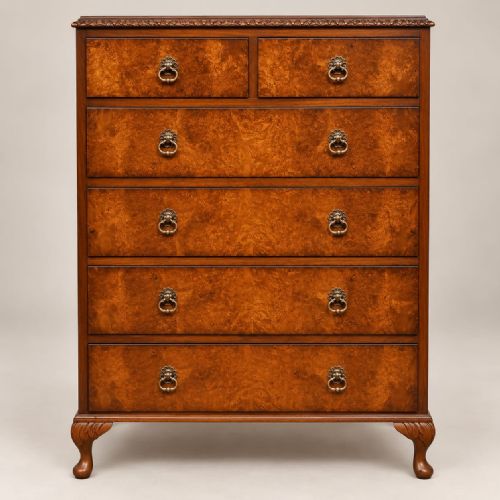
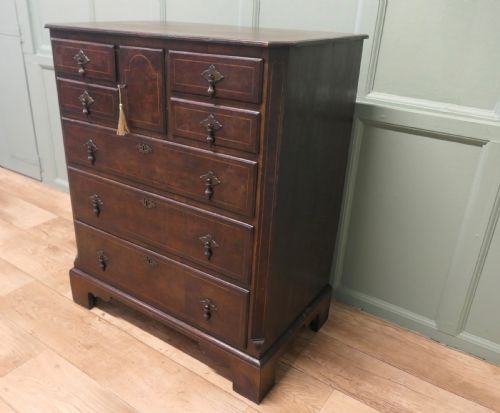
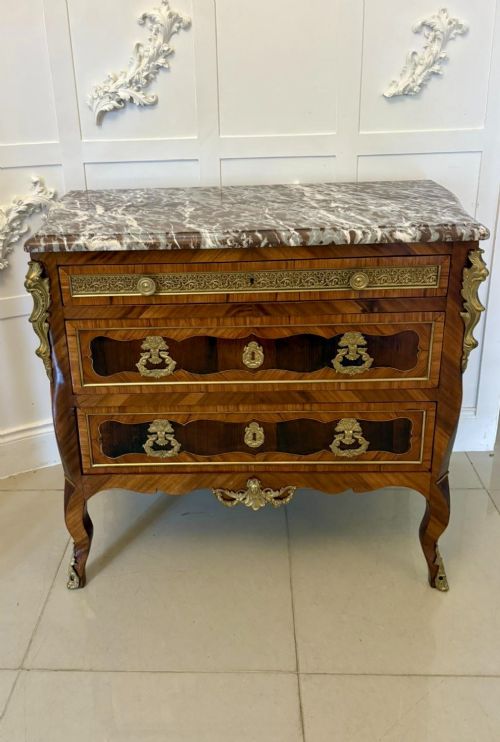
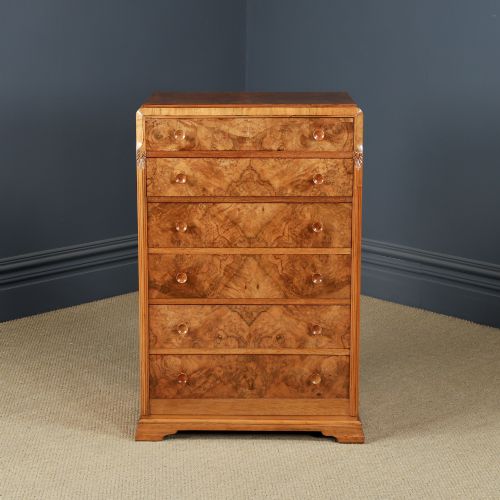
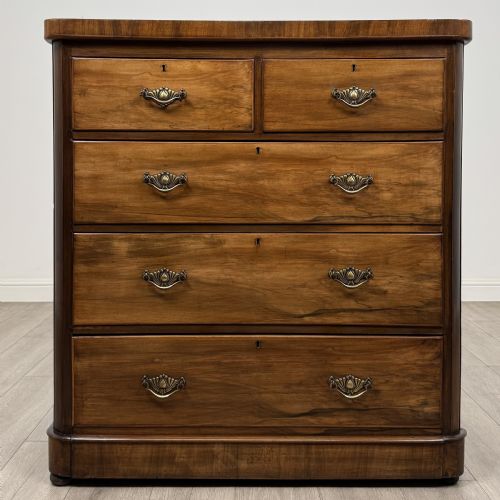
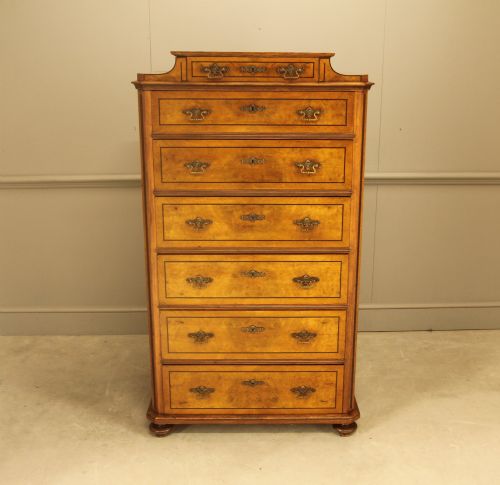
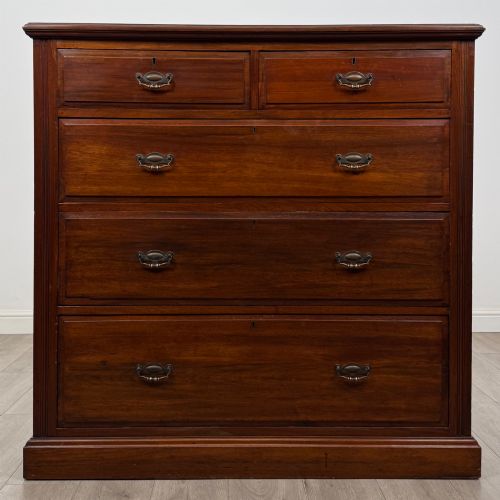
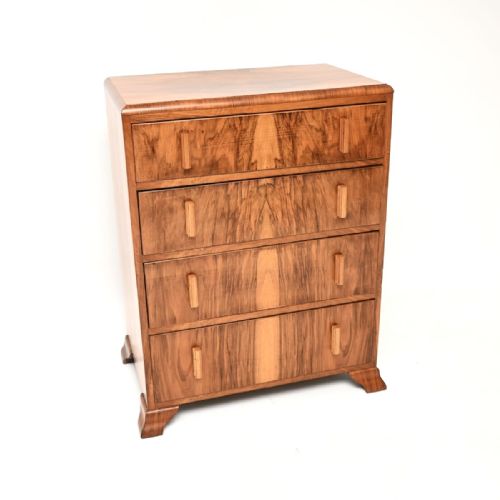
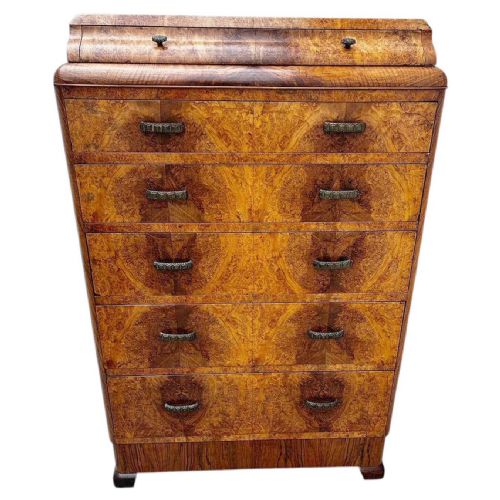
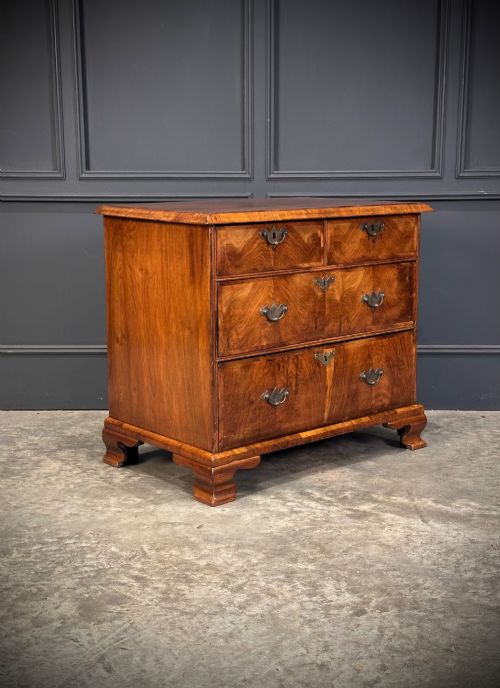
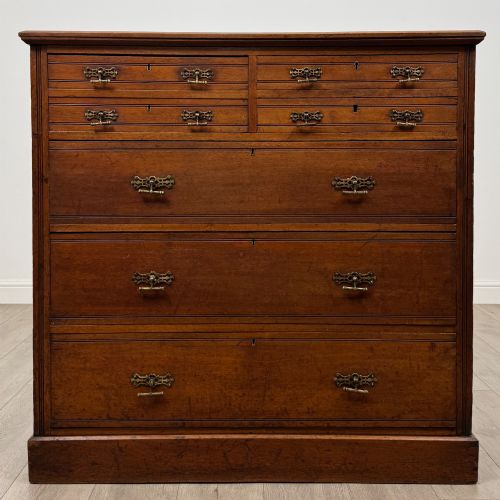
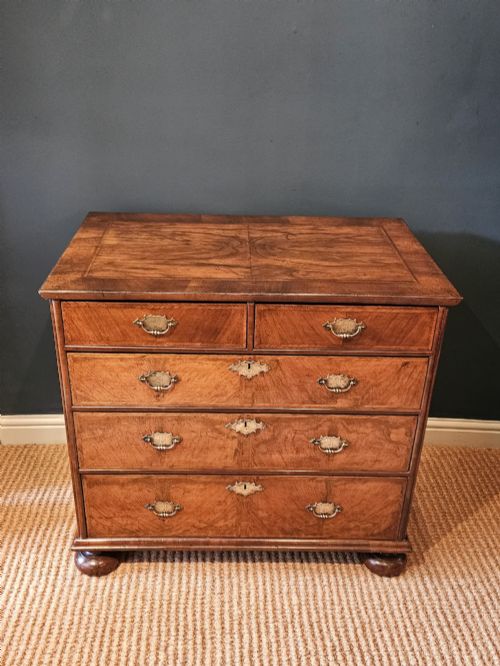
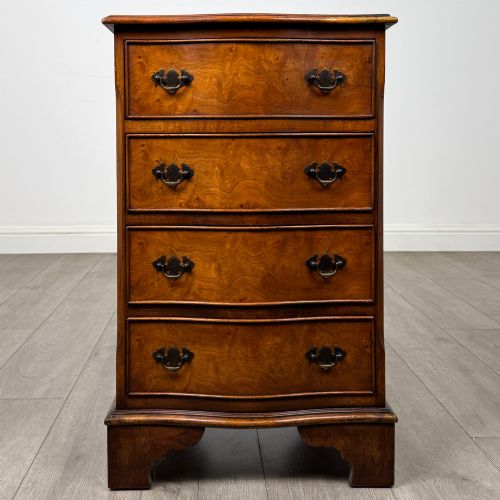
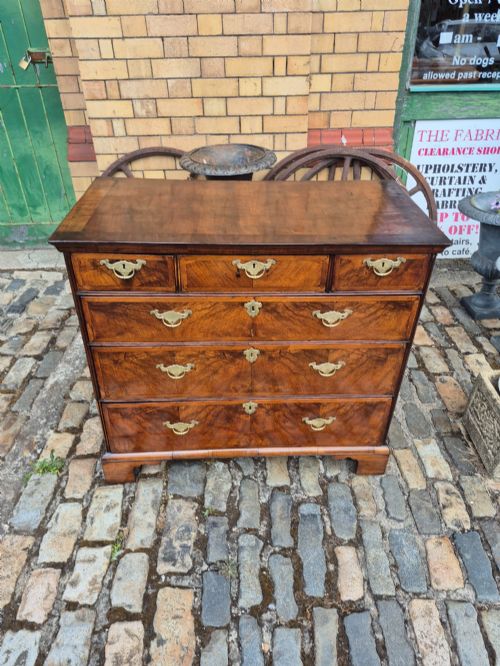
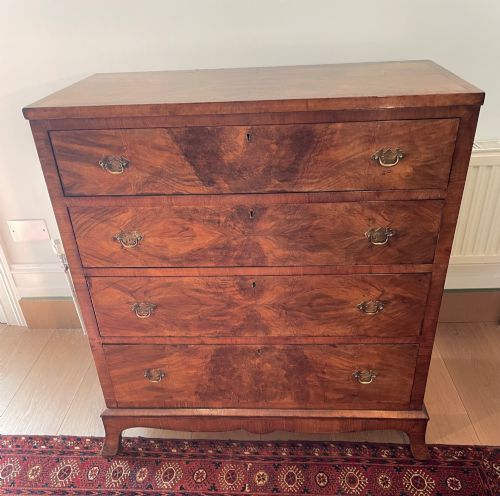
A vintage walnut dresser drawer search reveals chest of drawers forms built predominantly from walnut and burr walnut, spanning periods from the eighteenth century through the Art Deco era of nineteen thirty. These pieces function primarily as bedroom and living space storage, offering configurations from small serpentine chests to large commodes and chests on stands.
Buyers will most frequently encounter early twentieth century and nineteen thirties interpretations on this page, alongside significant eighteenth century examples. These items include bow front, serpentine, and bombe shapes, often reflecting Queen Anne, Georgian, and Art Deco design influences from English and continental makers.
Materials and construction methods
Cabinet makers utilised solid walnut, oak, and satinwood alongside decorative veneers such as burr walnut and figured walnut to cover carcases. Marquetry, herringbone banding, and crossbanding techniques embellished drawer fronts and top surfaces.
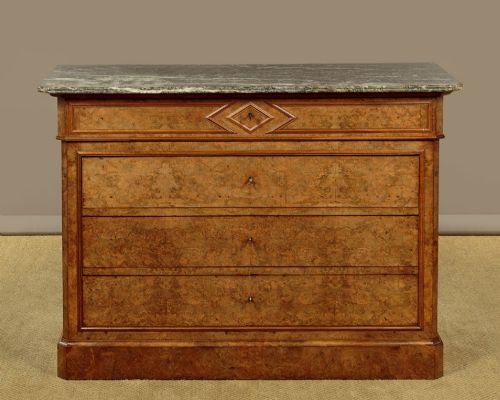
Fittings commonly incorporate brass drop handles or pulls, while certain continental commodes integrate marble tops. Structural stability relies on solid secondary timbers like oak combined with precise dovetail joints within the drawer construction.
The listings span multiple centuries, uniting eighteenth century Queen Anne walnut with nineteen thirties Art Deco burr walnut and marble topped continental commodes.
Distinguishing quality across pieces
The sophistication of the timber figure largely dictates the distinction between standard and superior pieces, with dense burr walnut and matched veneers commanding greater visual depth. The precision of inlaid banding and the crispness of carved details reveal the skill involved in the original manufacture.
Original brass hardware, sound drawer running actions, and intact marble surfaces elevate the standing of a piece. Historical integrity, such as retention of period feet and uncompromised structural timber, separates well preserved examples from heavily restored ones.
Jas Shoolbred
The Vintage Walnut Dresser Drawer Glossary
- Serpentine
- A curved cabinet front that undulates outward in the centre and inward at the sides. This shape demands high carpentry skill to achieve a harmonious profile.
- Commode
- A low chest of drawers, often French in origin, frequently fitted with a marble top. These items serve decorative storage roles in bedrooms and reception rooms.
- Herringbone Banding
- Narrow strips of veneer laid diagonally in a V-shaped pattern to frame drawer perimeters. It provides a neat, contrasting border to the main timber face.
- Crossbanding
- A strip of veneer applied perpendicularly to the grain of the surrounding surface. This technique creates a distinct visual boundary on top boards and drawer edges.
Vintage Walnut Dresser Drawer: Frequently Asked Questions
How do I date an antique walnut chest?
Dating relies on observing construction methods, timber choices, and stylistic cues present in the piece. Eighteenth century examples often display hand cut dovetails and specific handle configurations distinct from nineteen thirties Art Deco items.
Secondary woods, such as oak, and the presence of crossbanding or marquetry help narrow down the period. Comparing hardware fixings and foot designs against known historical eras provides further chronological clarity.
What is the difference between a chest and a commode?
A chest of drawers typically refers to English upright storage furniture with multiple horizontal drawers. A commode generally describes continental European low chests, frequently topped with marble.
French commodes often exhibit more pronounced bombe curves or marquetry decoration compared to standard English counterparts. Both furniture types offer practical storage while fulfilling distinct stylistic roles within an interior.
How should I care for walnut veneer surfaces?
Walnut veneer requires protection from direct sunlight and excessive moisture to prevent fading and lifting. Regular dusting with a soft, dry cloth maintains the finish without introducing harmful chemicals.
Applying quality beeswax periodically helps nourish the timber and preserve the natural sheen of the grain. Avoid placing items with high heat or dampness directly onto the polished top surface.
Are eighteenth century and Art Deco pieces constructed similarly?
Eighteenth century chests usually feature solid timber carcases or thick primary veneers applied with animal glues. Art Deco pieces from nineteen thirty frequently utilise sophisticated figured walnut veneers over engineered or solid bases.
While both employ traditional joinery techniques like dovetailing for the drawer boxes, the aesthetic focus shifted from restrained banding to bold, symmetrical grain patterns in the twentieth century.