




Vintage Walnut Drawer Unit
A vintage walnut drawer unit brings rich grain and practical storage into a room, spanning periods from Victorian to 1930.
Vintage Walnut Drawer Unit
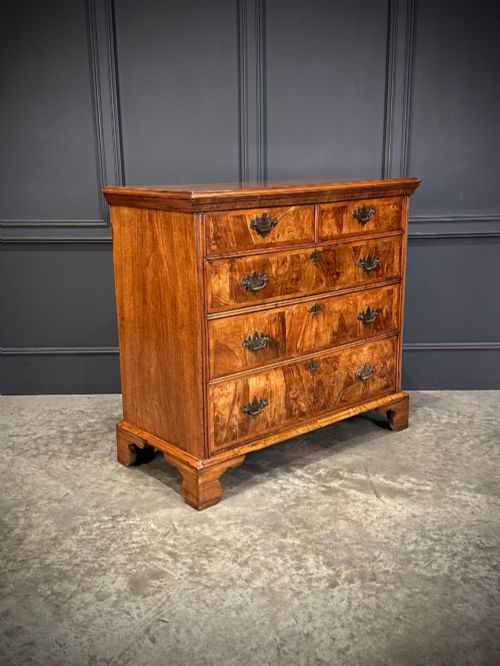
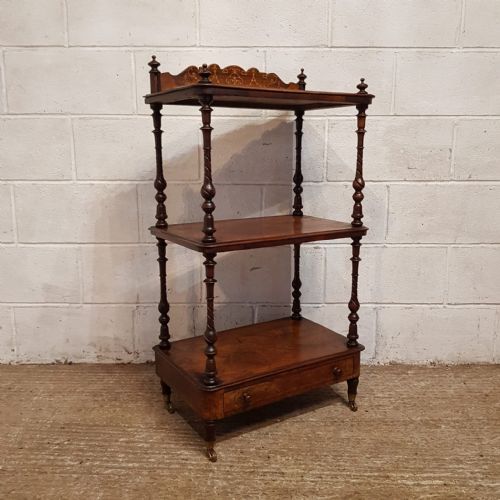
When searching for a vintage walnut drawer unit, you encounter items primarily built as chests of drawers, dressing chests, and collectors chests. These pieces originate from various eras including the Victorian period, Edwardian years, and the 1930s.
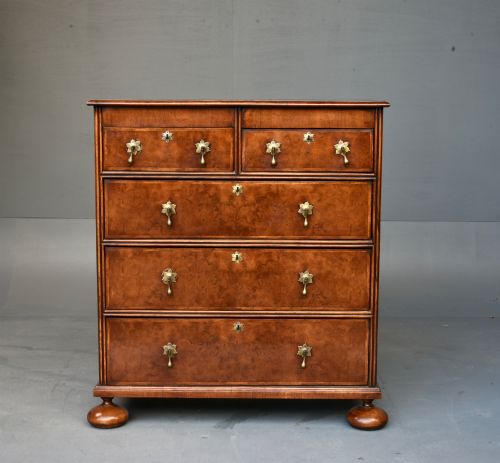
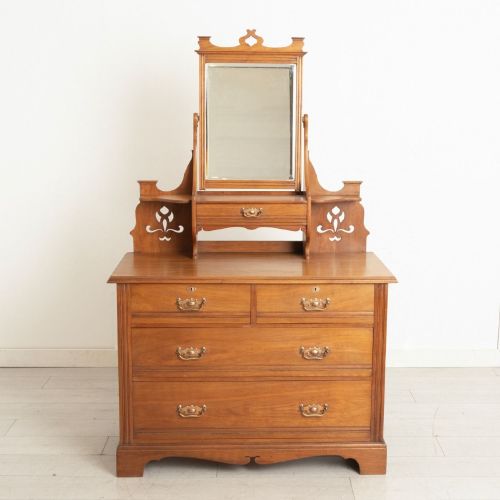
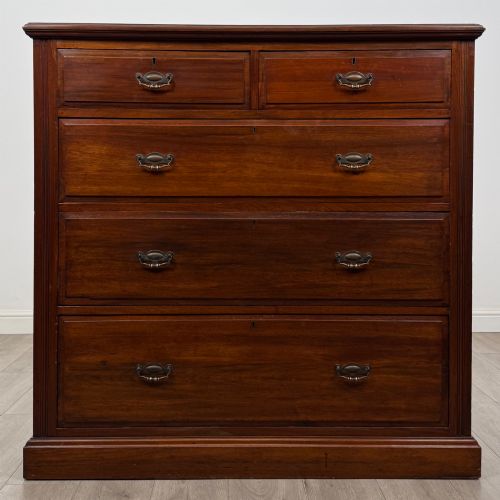
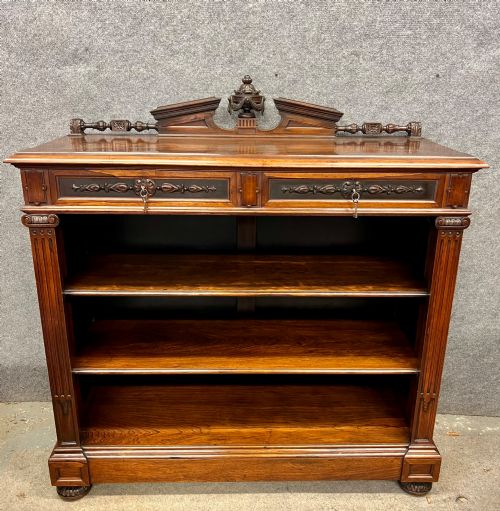
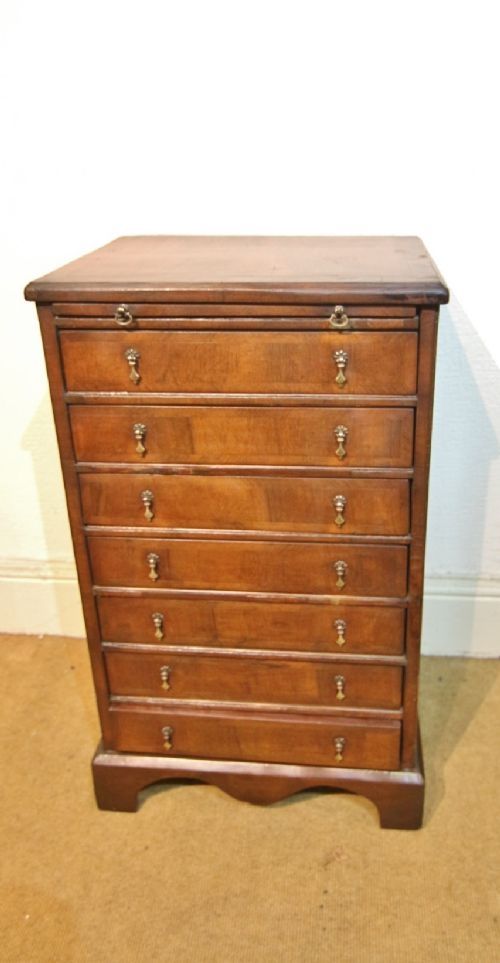
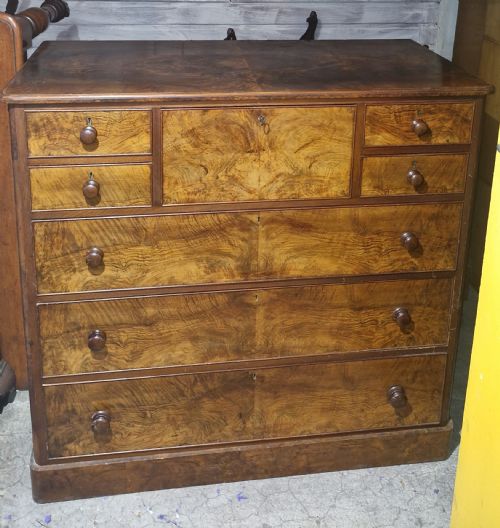
The most common form on this page is the traditional chest of drawers, often featuring configurations such as two short drawers over three long drawers. Alongside these, you find specialised pieces like shop cabinets and dressing tables constructed from walnut.
Stylistic influences vary significantly across the selection, ranging from Queen Anne revival designs to Arts and Crafts examples and Georgian styles. Each piece demonstrates how cabinet makers utilised walnut timber for functional storage furniture.
What varies in quality
Quality differences stem primarily from the choice of timber veneer and the precision of the cabinet work. Pieces utilising highly figured burr walnut display superior decorative appeal compared to plain timber surfaces.
The refinement of the stylistic details, such as Queen Anne revival shaping or Arts and Crafts craftsmanship by makers like Shapland and Petter, separates standard production items from finer workshop pieces.
One solid walnut shop cabinet carries later sign-writing indicating its former life serving customers in a fishing supplies shop.
Shapland and Petter
The Vintage Walnut Drawer Unit Glossary
- Burr walnut
- A thin slice of wood veneer taken from the wart or burl growth on a walnut tree, producing an intricate swirling grain pattern. This material was frequently chosen for high-end Victorian and Edwardian furniture facades.
- Figured walnut
- Timber exhibiting an attractive and prominent natural grain pattern rather than a plain appearance. Makers used this timber to enhance the visual depth of drawer fronts.
- Queen Anne style
- A furniture design movement characterised by cabriole legs, pad feet, and graceful curved lines. Pieces in this style often date from revival periods in the nineteenth and early twentieth centuries.
- Arts and Crafts
- A design movement valuing handcraftsmanship and simple construction over mass production. Pieces from this tradition often display honest joinery and thoughtful detailing.
- Dressing chest
- A low chest of drawers equipped with a mirror, designed for bedroom use. These items combine practical drawer storage with a surface for grooming.
Vintage Walnut Drawer Unit: Frequently Asked Questions
How do I identify a Victorian walnut chest?
Victorian walnut chests often feature deep, rich timber tones and robust construction methods typical of the nineteenth century. Look for traditional drawer arrangements like two small drawers over three larger ones.
Examine the secondary woods inside the drawers, such as pine or oak, alongside the style of the brass handles to help confirm the nineteenth-century origin.
What is burr walnut veneer?
Burr walnut veneer is a decorative wood sliced from knotted growths on walnut trees, creating complex and swirling grain patterns. Cabinet makers applied these fine veneers over solid carcases to achieve a striking visual effect.
This material is typically found on the primary display surfaces, such as drawer fronts and top panels, of better quality nineteenth and twentieth-century furniture.
How should I care for vintage walnut furniture?
Maintain vintage walnut by keeping it away from direct sunlight and steady heat sources to prevent the wood and veneer from drying out. Clean the surface gently using a soft, dry cloth rather than harsh chemical polishes.
Applying a traditional beeswax occasionally helps nourish the walnut timber and preserves the natural lustre of the finish over time.
Are these drawer units suitable for modern bedrooms?
These drawer units provide practical storage capacity while introducing historical character and rich wood tones to contemporary interiors. Their varied dimensions allow them to fit into bedrooms, hallways, or living spaces.
Combining period furniture with modern decor creates a balanced interior that highlights the natural beauty and craftsmanship of vintage timber.