


Vintage Walnut Compactum
A vintage walnut compactum is a clever wardrobe and storage hybrid that organises your bedroom with traditional craftsmanship.
Vintage Walnut Compactum
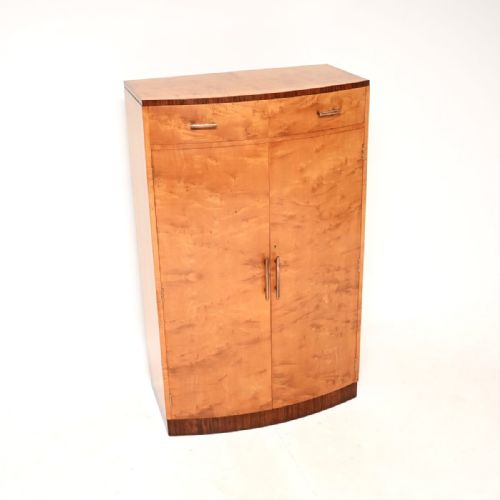
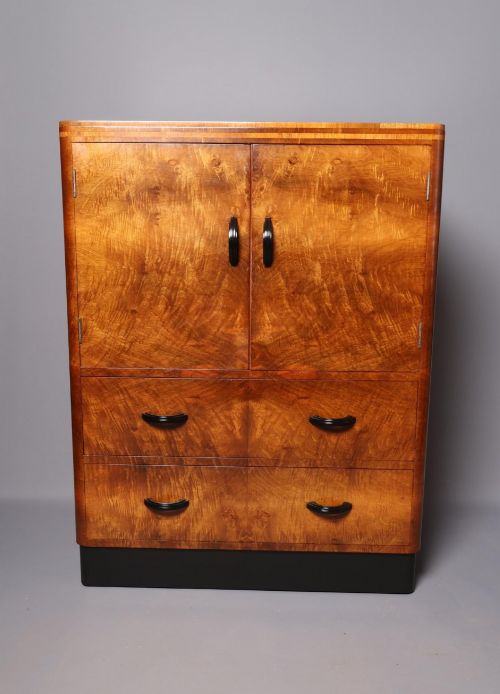
A vintage walnut compactum combines hanging space and shelving or drawers within a single fitted cabinet, offering a practical solution for bedroom storage. When you search for a vintage walnut compactum, you encounter pieces spanning from the Victorian era through the Edwardian period and into the Art Deco style of the 1930s and 1940s.
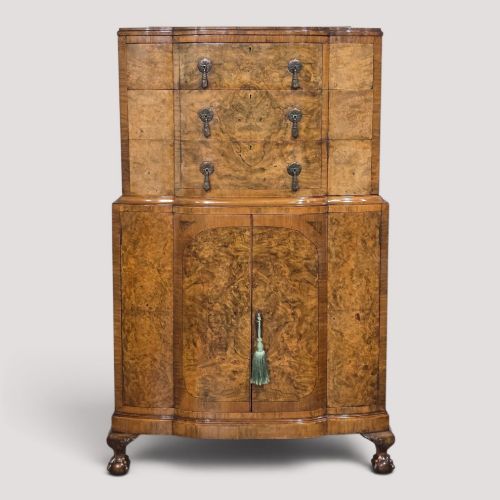
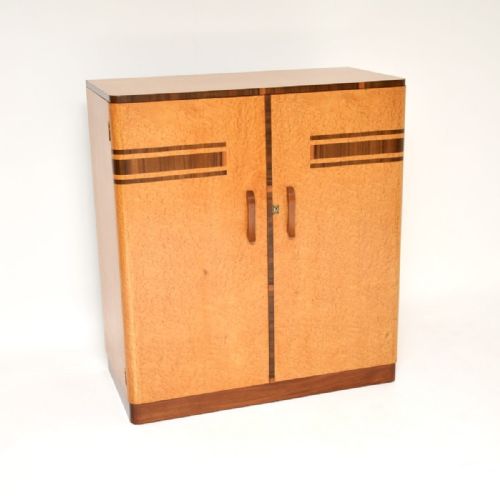
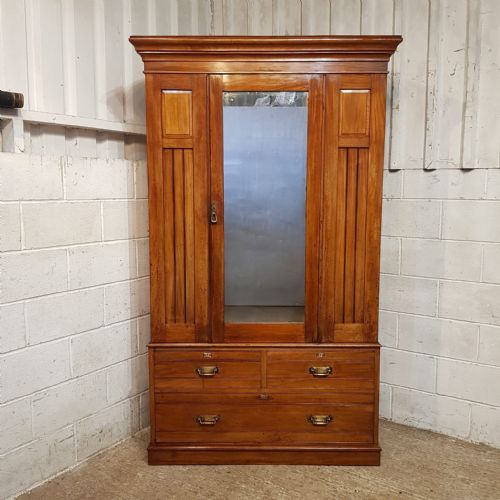
The pieces listed on this page showcase varied forms, including single, double, and triple wardrobes alongside tallboys and dedicated compactums. Walnut dominates the material palette, often appearing alongside burr walnut, ash, satin birch, and birds eye maple to create rich surface patterns.
Materials and construction
Cabinet makers utilised solid walnut and decorative veneers like burr walnut and birds eye maple over secondary woods such as ash, building robust carcasses designed for daily domestic use. Brass hardware, glass, and occasional Bakelite details furnish the handles, hinges, and internal fittings.
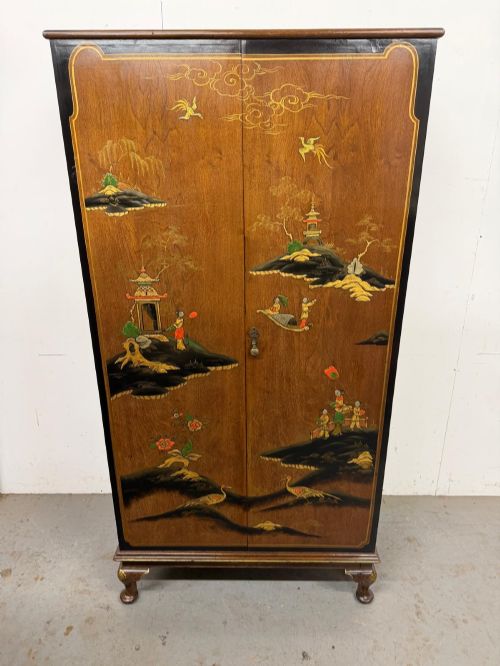
The decorative schemes range from restrained Edwardian timber figures to elaborate Chinoiserie lacquerwork and geometric Art Deco veneering. These techniques highlight the natural grain of the walnut while providing durable finishes across wardrobes, tallboys, and cabinets.
Factors of quality
The distinction between standard and superior pieces rests upon the selection of timber veneers, such as richly figured burr walnut or birds eye maple, and the precision of their matching across the doors and drawers. Finer examples display meticulous joinery and integrated internal fittings that operate smoothly within the wardrobe carcass.
Makers such as Heal's and Lamb of Manchester represent the higher tier of production, where cabinet work and decorative details reflect advanced workshop standards. The integrity of the original lacquer, brass hardware, and glass components further elevates the standing of individual compactums and tallboys.
Lamb of Manchester·Heal's
The Vintage Walnut Compactum Glossary
- Compactum
- A fitted wardrobe that combines hanging space with compartments for folded clothes, drawers, and sometimes a small dressing area. This hybrid storage piece emerged to maximise bedroom utility.
- Burr Walnut
- A specialised wood veneer taken from the wart or burl of a walnut tree, prized for its swirling, organic patterns. Cabinet makers used it to create striking decorative panels on doors and drawer fronts.
- Tallboy
- A tall chest of drawers, or a wardrobe placed upon a chest of drawers, designed to offer vertical storage. It provides substantial capacity while occupying a minimal floor footprint.
- Chinoiserie
- A European artistic style reflecting Chinese motifs and techniques, often featuring lacquered surfaces and painted ornamentation. This style appears on select early twentieth-century wardrobe designs.
- Art Deco
- A design style from the 1930s and 1940s characterised by sleek geometric shapes, streamlined forms, and contrasting wood veneers. Pieces from this era often feature symmetrical grain patterns.
Vintage Walnut Compactum: Frequently Asked Questions
What is a compactum wardrobe?
A compactum is a multi-functional wardrobe designed to house both hanging garments and folded clothes within a single cabinet. It typically incorporates drawers, shelves, and hanging space behind fitted doors.
These pieces were built to serve as comprehensive bedroom storage units, reducing the need for separate chests of drawers and wardrobes.
How do I identify Art Deco compactums?
Art Deco compactums usually date from the 1930s or 1940s and feature clean geometric lines, symmetrical veneer patterns, and contrasting woods like birds eye maple or satin birch.
They often omit traditional ornate carvings in favour of smooth, polished walnut surfaces that showcase the natural grain of the timber.
Where do I place a tallboy?
A tallboy provides vertical storage, making it ideal for bedrooms with limited floor space where a wider wardrobe might prove too bulky. It fits comfortably against an empty wall or in a corner.
Ensure you measure the ceiling height before positioning these tall cabinets, as Edwardian and Art Deco examples can be surprisingly high.
How do I care for walnut furniture?
Walnut furniture benefits from regular dusting with a soft, dry cloth and occasional treatment with appropriate beeswax or furniture polish to nourish the wood and veneer. Avoid placing pieces in direct sunlight or near heat sources to prevent the wood from drying out.
Keeping humidity levels stable in the room protects the delicate burr walnut and satin birch veneers from lifting or cracking.