
Vintage Walnut Box
A vintage walnut box brings rich timber figures and practical storage to a desk or table.
Vintage Walnut Box
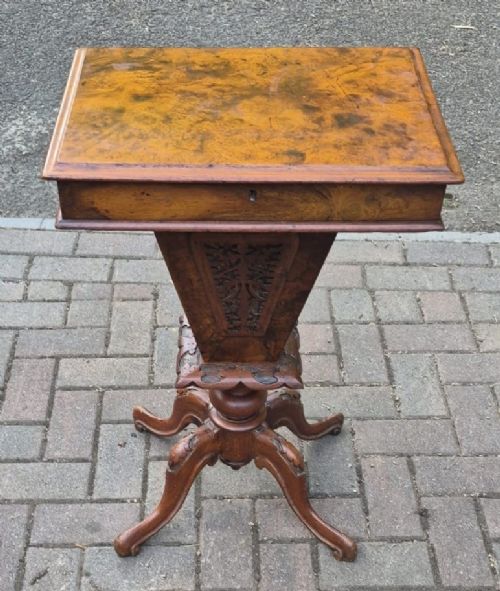
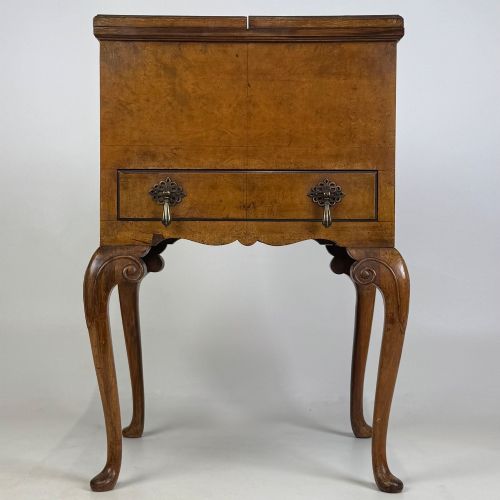
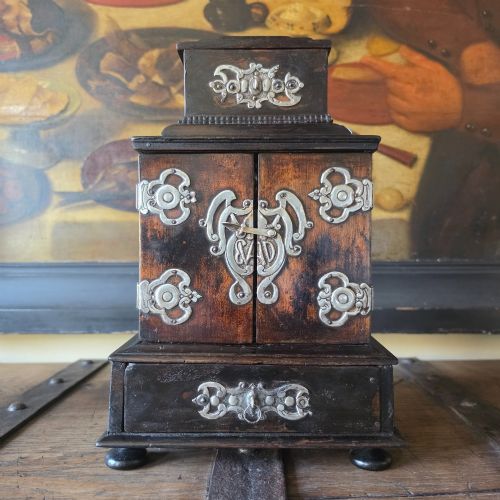
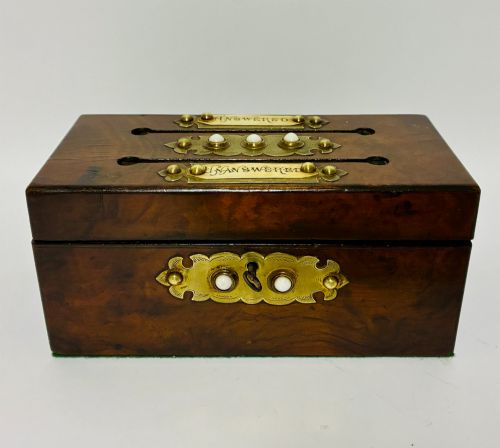
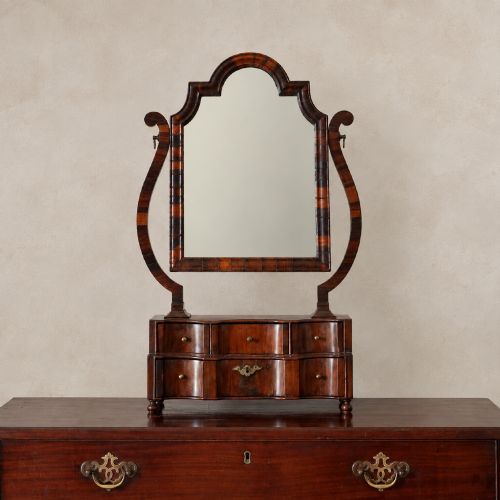
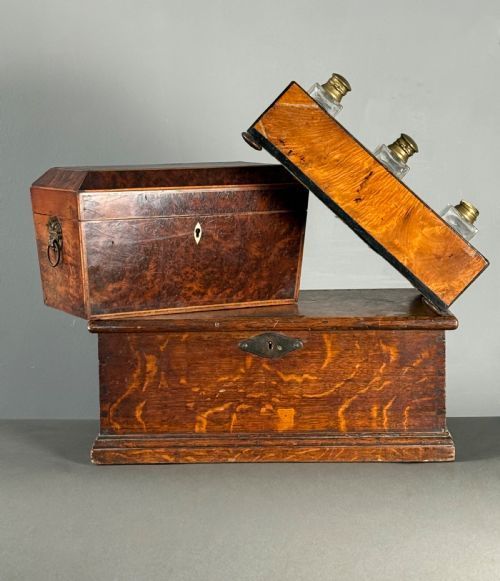
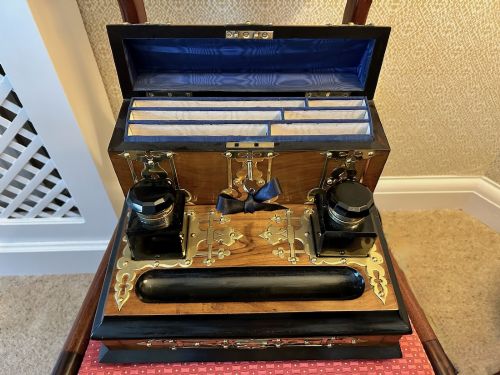
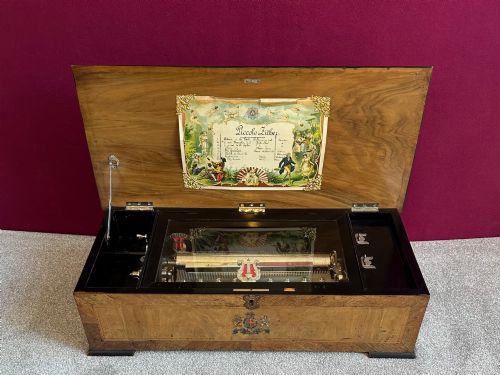
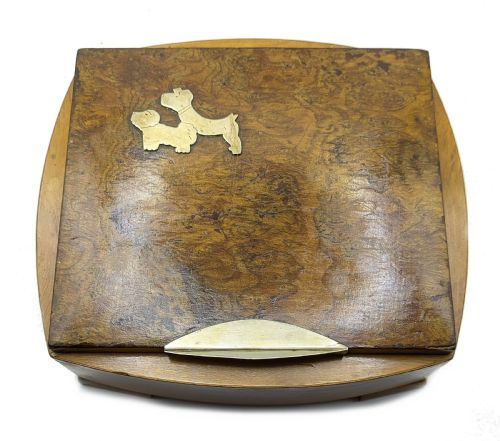
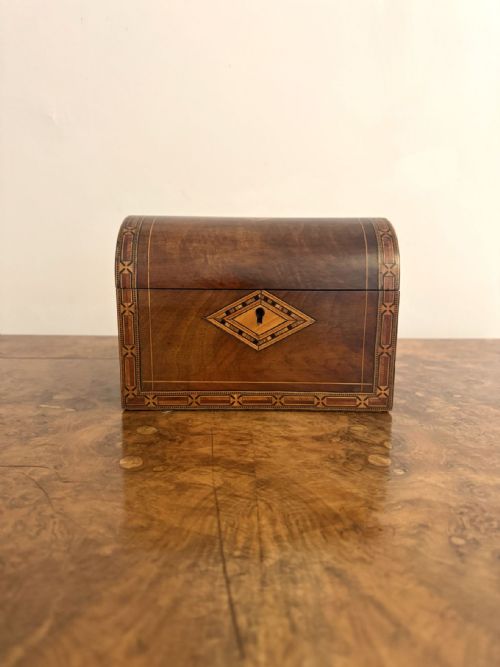
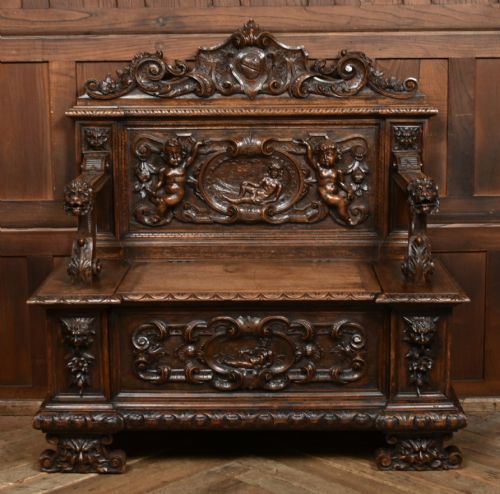
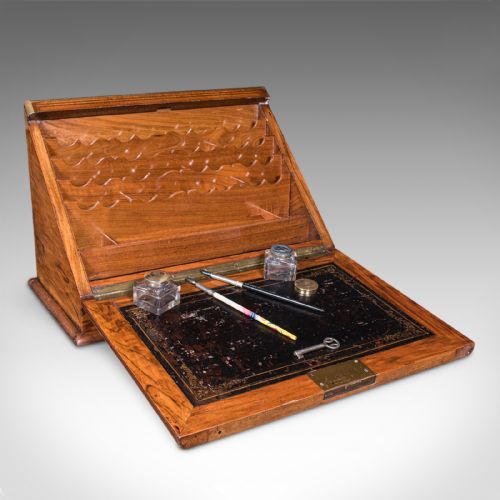
A vintage walnut box encompasses a wide array of lidded containers, writing slopes, tea caddies, and jewellery cabinets found across this selection. These pieces span from Georgian and Victorian examples to later Edwardian and Art Deco designs, reflecting centuries of woodworking craft. Buyers often encounter compact writing boxes, music boxes, and decorative caskets designed to secure personal treasures.
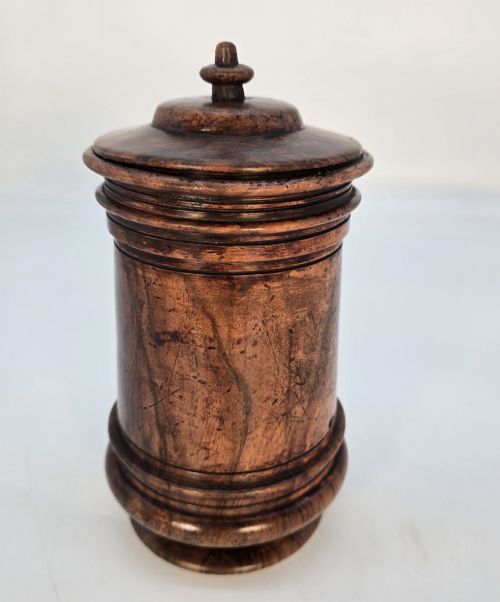
The assortment includes specialised forms such as tobacco jars, cigar humidors, correspondence boxes, and lap desks. Many pieces incorporate compartments, trays, and specialised fittings tailored for writing utensils, loose leaf tea, or sewing implements. Their varied scales suit surfaces ranging from large partner desks to bedside tables.
Materials and technique
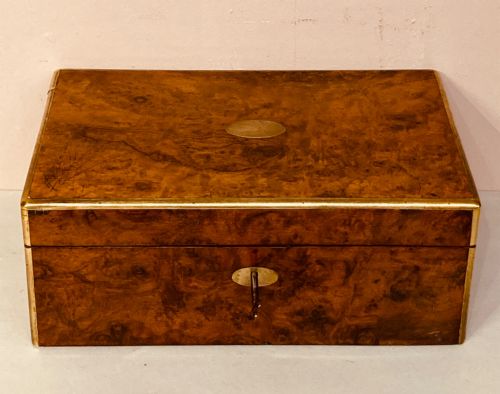
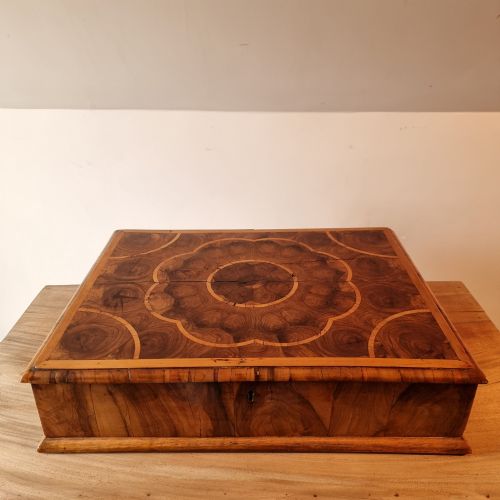
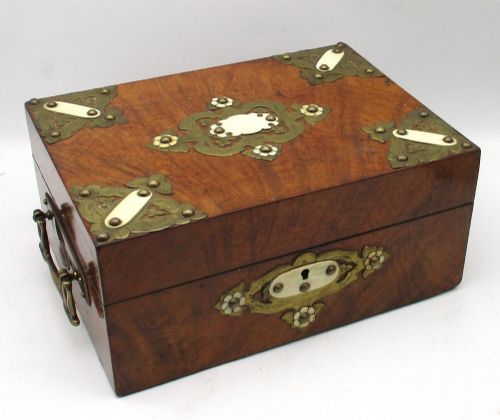
Cabinet makers utilised solid walnut and highly figured burr walnut veneers applied to secondary woods to achieve striking surface patterns. These timber constructions frequently incorporate brass banding, escutcheons, and hinges that reinforce corners and lids.
Detailing often relies on inlaid contrasting materials such as bone and mother-of-pearl, alongside specialised techniques like Tunbridge inlay. Interior fittings integrate glass, velvet linings, and steel mechanisms for music boxes and locking systems.
Listings feature walnut alongside ebonised wood, brass, and mother-of-pearl across Victorian, Georgian, and Art Deco periods.
What separates the best examples
The distinction between standard examples and superior pieces rests on the grain selection of the walnut veneer and the precision of the joinery. Highly figured burr timber combined with crisp, tight carving elevates a piece significantly.
Quality also depends on the preservation of original interior fittings, working locks with matching keys, and intact inlay work. Maker signatures or stamps on internal hardware and mechanisms further elevate the standing of a container.
The Vintage Walnut Box Glossary
- Burr walnut
- A distinctive timber veneer harvested from the wart-like growths on walnut trees, yielding swirling, complex grain patterns. Cabinet makers prized this material for decorative lid panels on fine boxes.
- Writing slope
- A portable slant-topped desk that opens to reveal a velvet or leather-lined writing surface and compartments for ink and paper. These items were essential travel accessories in the Georgian and Victorian eras.
- Tea caddy
- A lidded container specifically built to store loose tea leaves securely away from moisture and light. Many period examples feature internal compartments and mixing bowls.
- Tunbridge inlay
- A meticulous woodworking technique involving small mosaic tiles of naturally coloured woods assembled to form geometric or pictorial motifs. This method adorned the surfaces of nineteenth-century boxes.
- Escutcheon
- A protective plate surrounding a keyhole, usually fashioned from brass or bone. It prevents the surrounding timber from wearing down through repeated use of the key.
Vintage Walnut Box: Frequently Asked Questions
How do I clean a walnut surface?
Dust the exterior regularly with a soft, dry cloth to prevent grit buildup. Avoid using modern aerosol polishes or water, which can damage the aged timber and lift delicate veneers.
Apply a microcrystalline wax periodically to nourish the wood and maintain a gentle sheen. Buff the surface lightly after application to preserve the original patina.
Were these boxes used for travel?
Many writing slopes and dressing cases were constructed for transport by carriage or ship during the Georgian and Victorian periods. Recessed brass carrying handles and sturdy brass bound corners protected the wood during movement.
Smaller caskets and tea caddies remained stationary in country houses and parlours. These stationary pieces focused more on decorative veneers and intricate interior fittings rather than travel durability.
How do I date a walnut box?
Examine the construction methods of the interior drawers and secondary timbers used beneath the veneer. Hand-cut dovetails and older screw types generally point towards Georgian or early Victorian origins.
Hardware styles, lock mechanisms, and lining materials offer further clues. Original brass escutcheons and working lever locks align with the manufacturing techniques of specific nineteenth-century decades.
Can I store jewellery inside them?
Padded compartments and lift-out trays in Victorian and Edwardian cases suit modern jewellery storage. The original velvet or silk linings protect precious metals and stones from scratching.
Ensure the interior is completely dry and free from old odours before placing items inside. Period adhesives can sometimes degrade, so check that the lining materials remain stable.