
Vintage Wall Painting
A vintage wall painting brings character to a room through original brushwork, aged canvas, and period frames.
Vintage Wall Painting
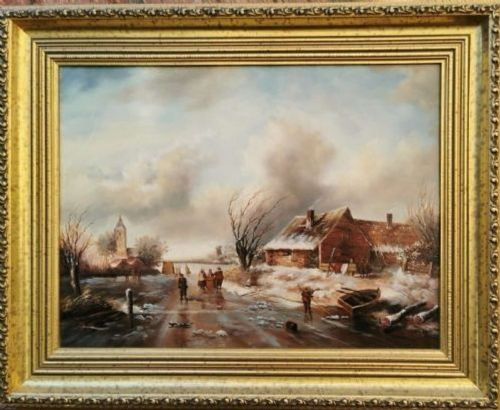
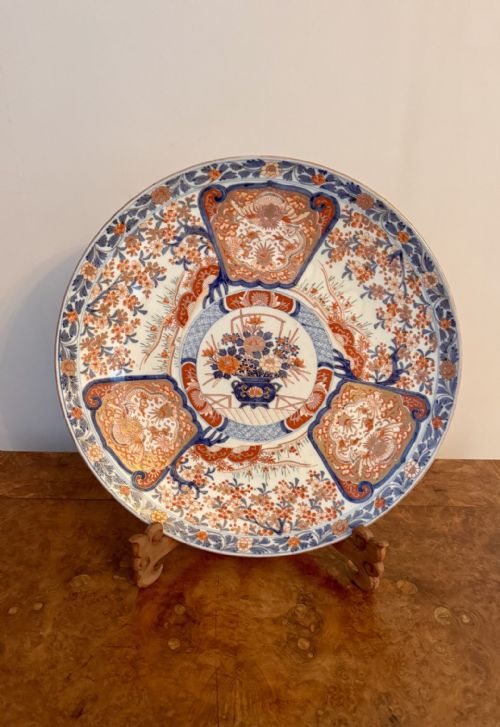
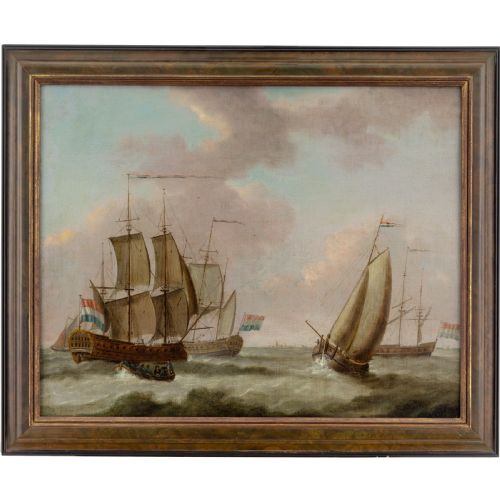
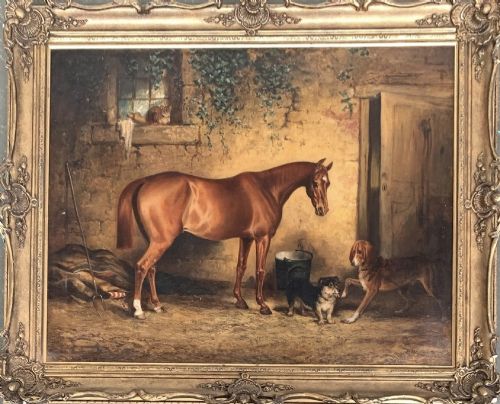
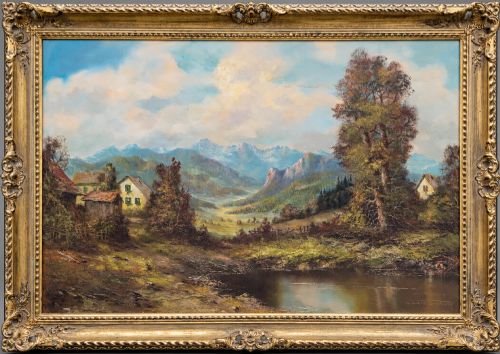
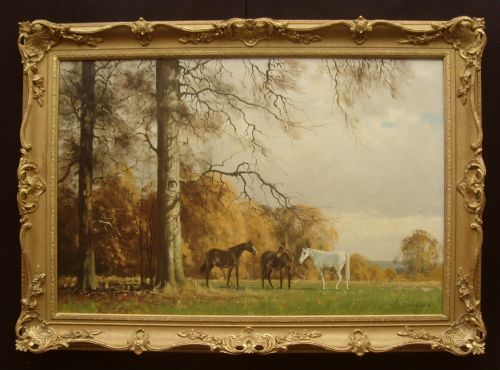
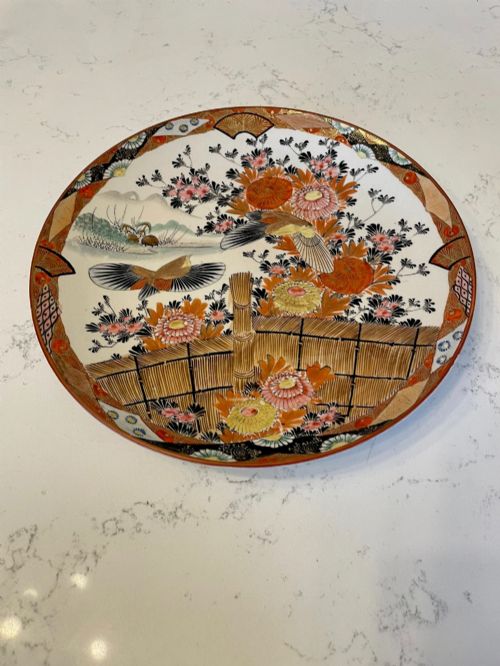
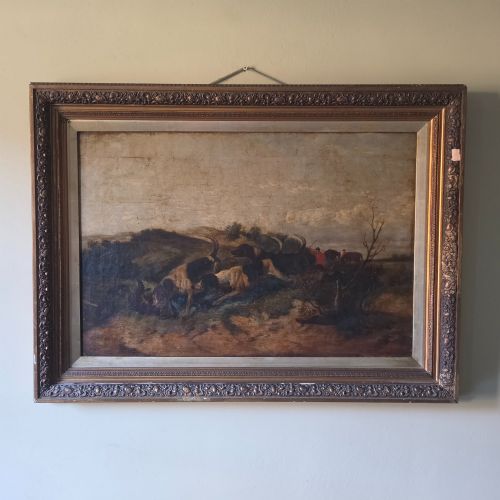
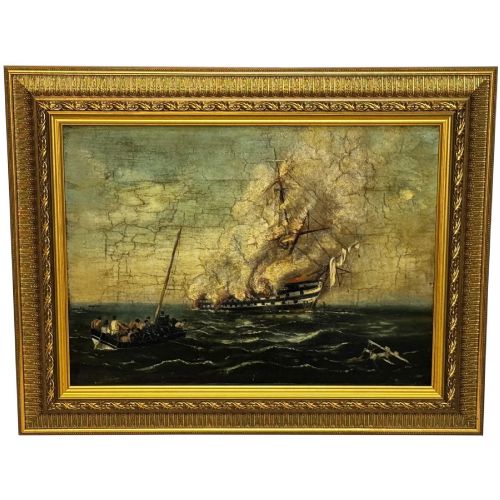
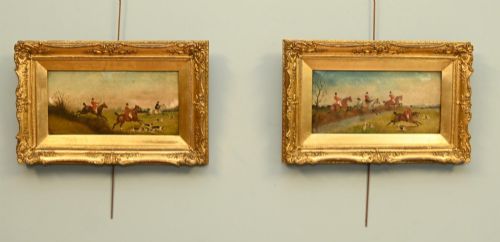
A vintage wall painting spans centuries of domestic and studio art, covering everything from intimate oil portraits and maritime landscapes to decorative watercolours and textile panels. When searching for a vintage wall painting, collectors encounter varied subjects including horses, floral still lifes, coastal scenes, and figurative compositions.
The selection ranges from nineteenth-century realism and Edwardian impressionism to mid-century modern boards and works from the Belle Époque. Buyers frequently find works executed on canvas, wood panels, paper, and fabric, often retained within their original giltwood or painted frames.
Materials and methods
Artisans and painters applied oil paint, gouache, tempera, and watercolour onto prepared canvas, wood, board, and fabric. Canvases were stretched over wooden frames, while panels utilised solid timber supports.
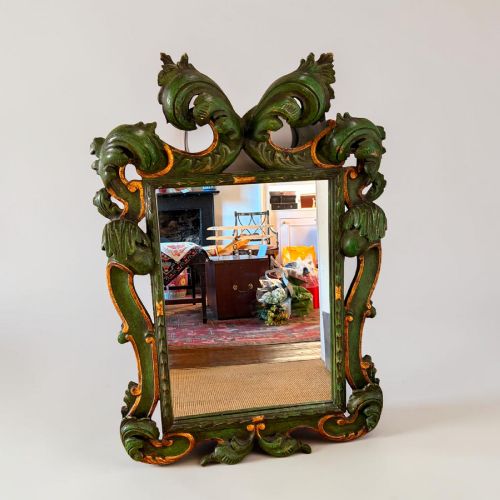
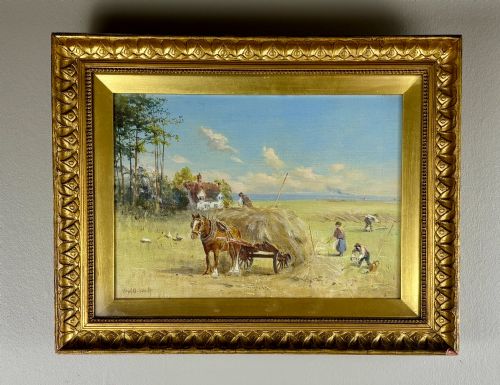
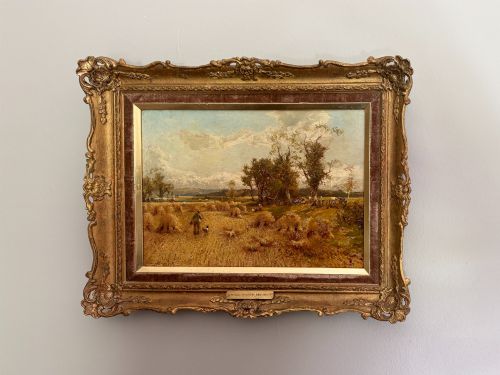
Frames incorporated carved wood, plaster mouldings, and gilt finishes, often featuring decorative elements such as ribbons or crests that reflect French Empire or Victorian tastes.
Several portraits preserve the solemn gazes of nineteenth-century domestic dogs, naval officers, and prize-winning shire horses.
Assessing quality
Quality rests in the handling of the medium, the strength of the composition, and the retention of original surface texture, such as impasto brushwork. Skilled draughtsmanship and confident colour mixing distinguish accomplished hand-painted works from decorative copies.
The integrity of the support material and the matching age of the frame contribute significantly to desirability. Works that preserve their artist signatures, original stretches, and untouched framing provide clearer historical provenance.
Henry Barraud·Irene Christobelle Pownoll Williams·Kenneth Cozens·William H Myers·Tom Campbell·Alfred Young Nutt·John Hassall·Thomas Herbert Victor
The Vintage Wall Painting Glossary
- Impasto
- Paint applied in thick layers that stand out from the surface. This technique leaves visible brush or palette knife marks that catch the light and add physical depth to a canvas.
- Giltwood
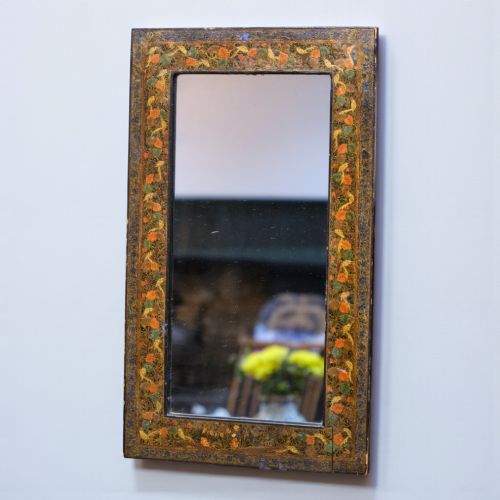
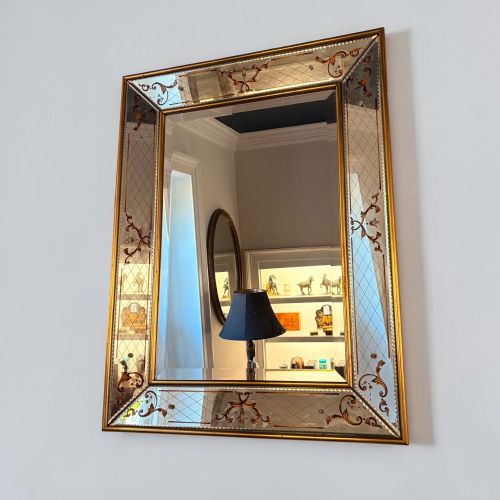
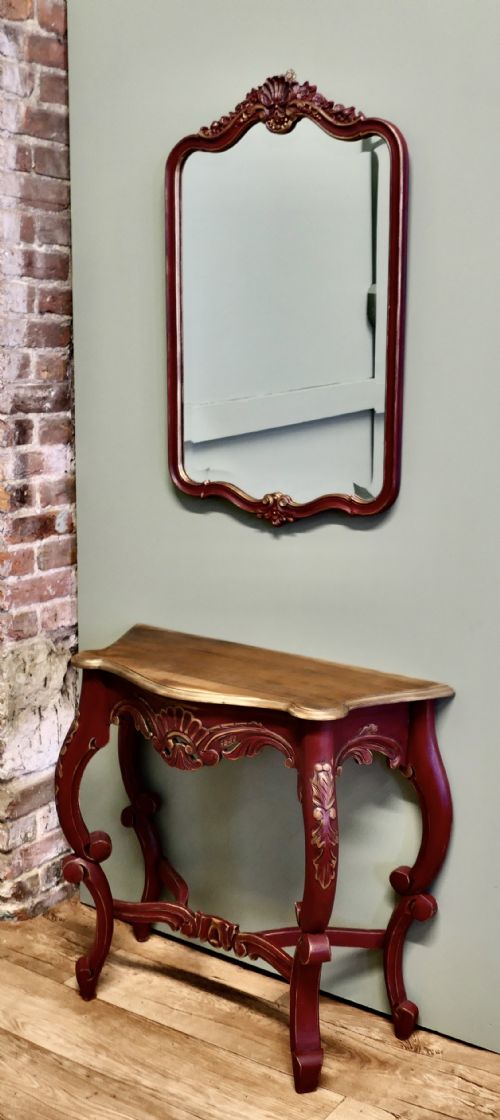
- Timber carved and coated with a thin layer of gold leaf or gilt powder. It appears frequently on nineteenth-century and Belle Époque picture frames and wall mirrors.
- Tempera
- A permanent, fast-drying painting medium consisting of coloured pigments mixed with a water-soluble binder such as egg yolk. It produces a flat, matte surface often found on early wood panels.
- Provenance
- The chronology of the ownership, custody, or location of a historical item. Documented lineage confirms authenticity and historical context.
- Gouache
- An opaque water-based paint that includes a white pigment to create a heavier coverage than standard watercolour. Artists utilised this for maritime scenes and detailed illustrative works.
Vintage Wall Painting: Frequently Asked Questions
How do I date a painted canvas?
Dating relies on examining the preparation of the canvas, the composition style, and the framing materials used by the maker. Evidence often points to specific decades through stretcher construction and pigment types.
Signatures, artist dates, and inscriptions on the reverse provide additional chronological markers for evaluation.
Are original frames important?
Original frames complete the aesthetic context of the artwork and preserve the piece in its intended historical presentation. Giltwood and carved surrounds matching the era add to the integrity of the object.
Surviving frames often show period wear that confirms their age alongside the painting itself.
Where should I hang these artworks?
These pieces suit living rooms, studies, and hallways where controlled lighting enhances the texture of oil and watercolour surfaces. Direct sunlight should be avoided to prevent fading of pigments and canvas degradation.
Securing pieces to wall studs ensures safe display for heavier framed works and large wood panels.
What is the difference between oil and watercolour?
Oils utilise slow-drying pigments suspended in medium oils, allowing rich blending and thick impasto application on canvas or board. Watercolours employ water-soluble pigments on paper or fabric for a transparent effect.
Oil paintings typically require protective wooden frames with glass optional, whereas watercolours demand glazing to prevent moisture damage.