

Vintage Vitrine Cupboard
A vintage vitrine cupboard is a glazed cabinet built to exhibit ceramics, silver and curiosities while keeping them protected from dust.
Vintage Vitrine Cupboard
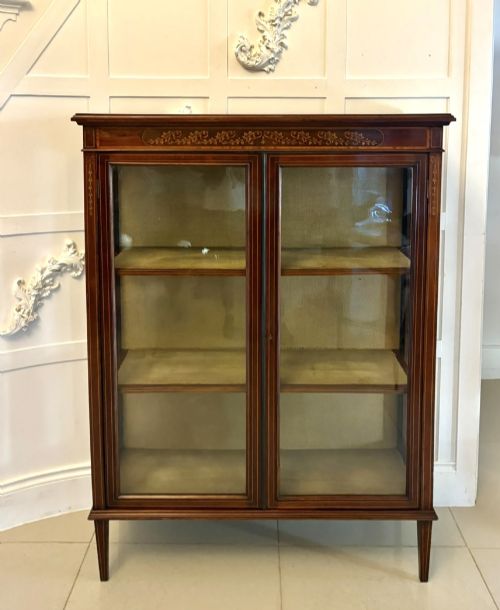
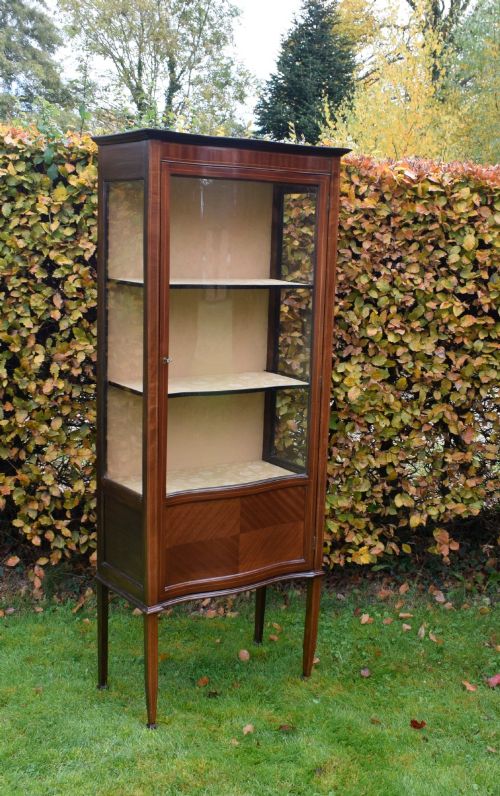
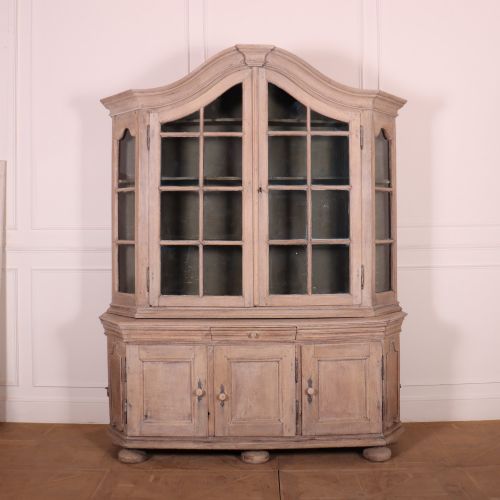
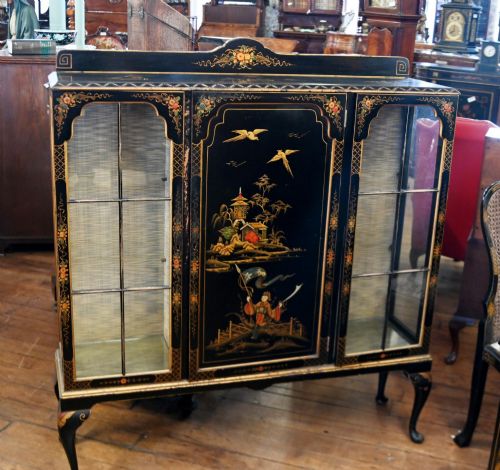
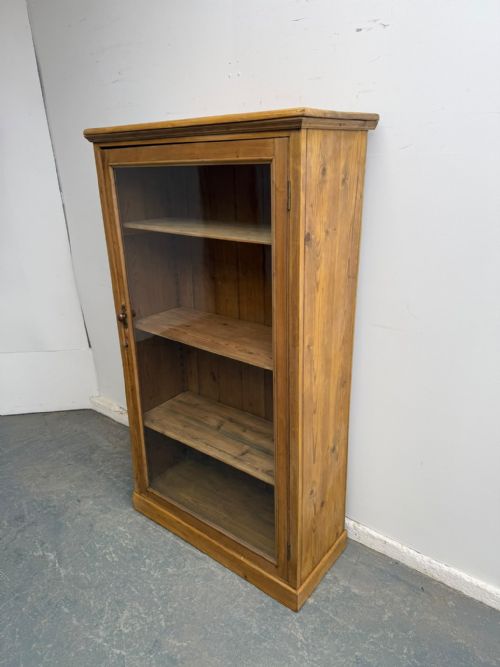
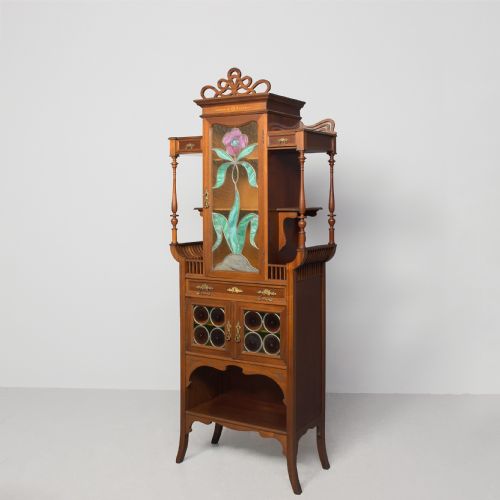
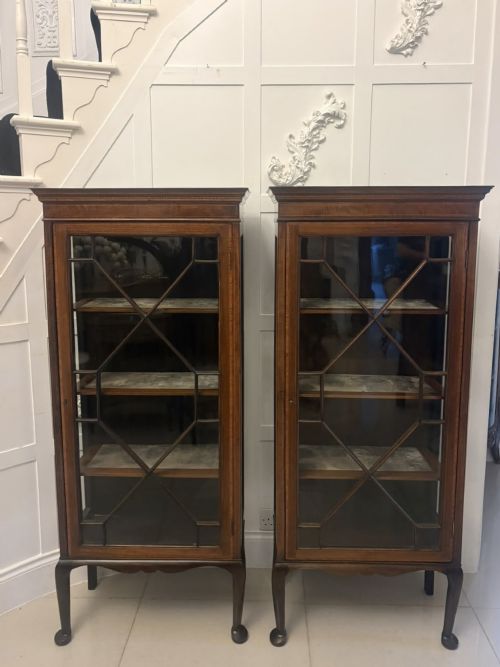
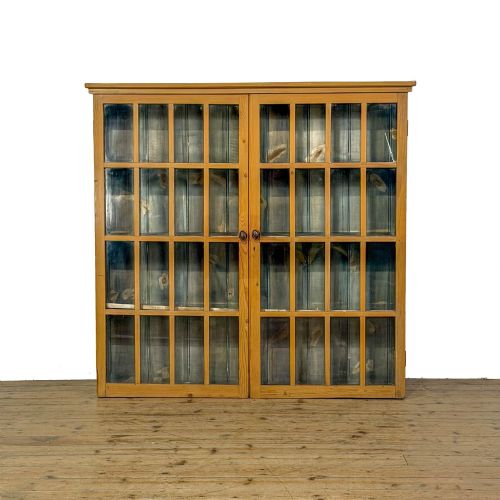
A vintage vitrine cupboard serves as a glazed enclosure designed to display collections of china, glassware and decorative objects. These pieces bring architectural presence to a room through transparent doors that reveal the interior contents from multiple angles.
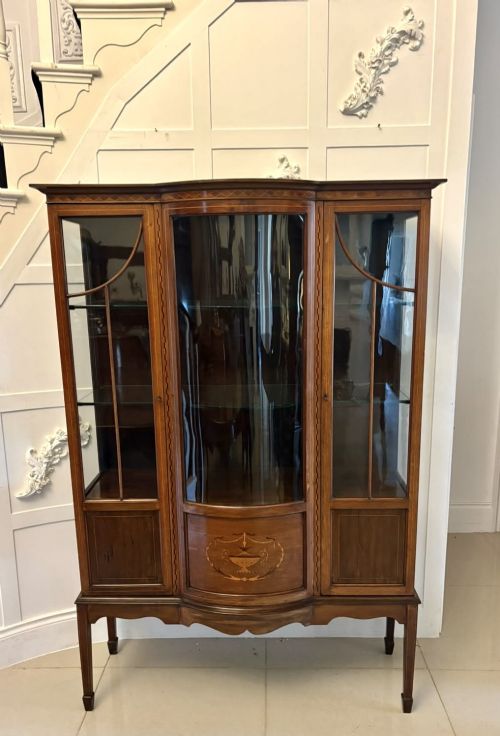
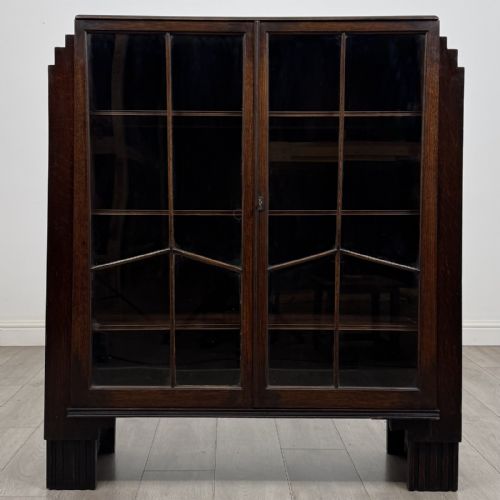
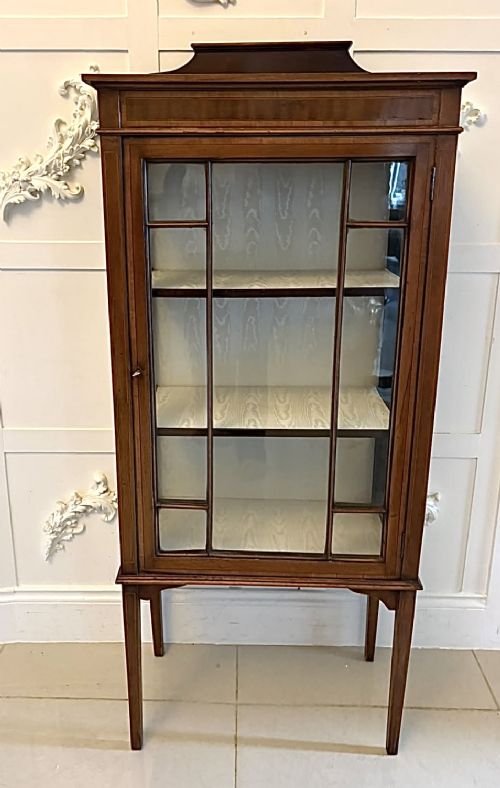
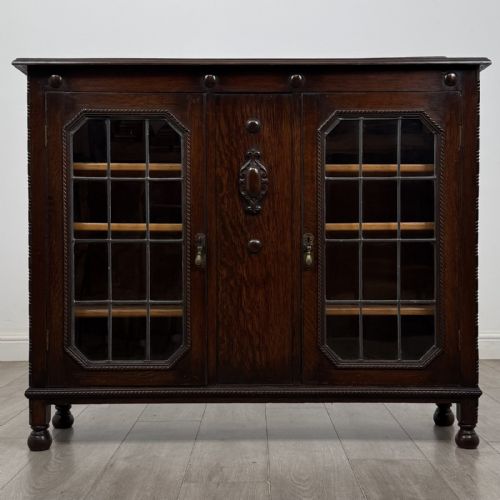
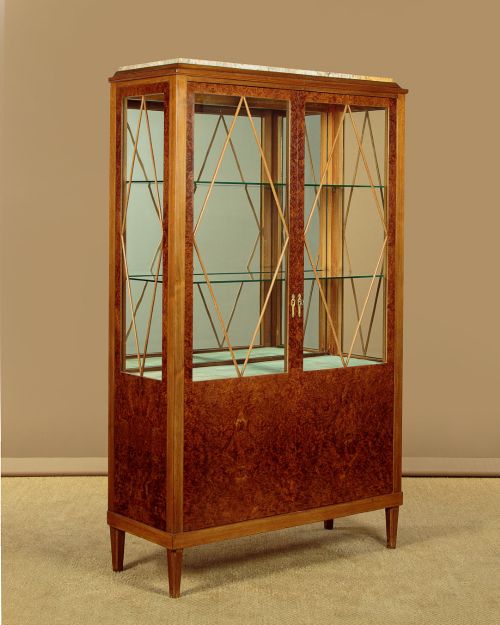
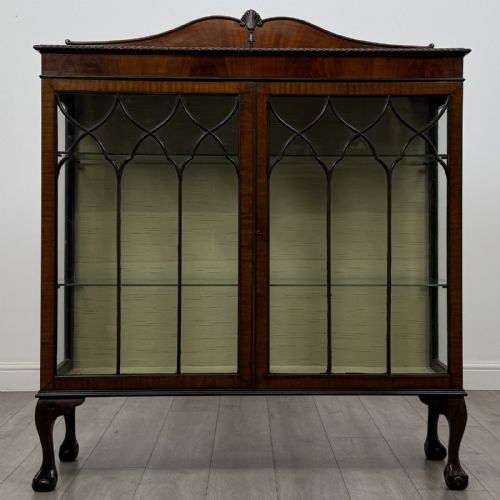
Edwardian mahogany examples dominate the selection, frequently featuring satinwood inlay, bow fronts and delicate cabriole legs. Alongside these lighter designs, buyers encounter robust oak iterations displaying linenfold carving or leaded glass, as well as streamlined Art Deco walnut models.
Makers adapted historical motifs to suit twentieth-century interiors, resulting in revival pieces spanning Chippendale, Sheraton, Queen Anne and Jacobean styles. Originating primarily from domestic parlours and drawing rooms, these cabinets continue to function as prominent display focal points in modern homes.
Materials and Construction Methods
Cabinet makers utilised dense hardwoods such as mahogany, walnut and oak for the structural carcass and exterior framing. Finer pieces incorporate decorative veneers like burr walnut or figured mahogany, augmented by contrasting satinwood inlay and brass hardware.
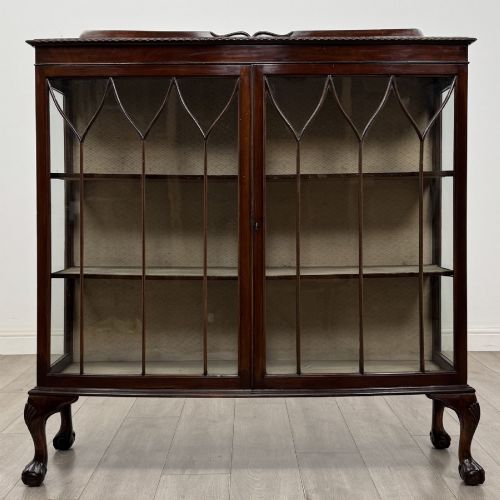
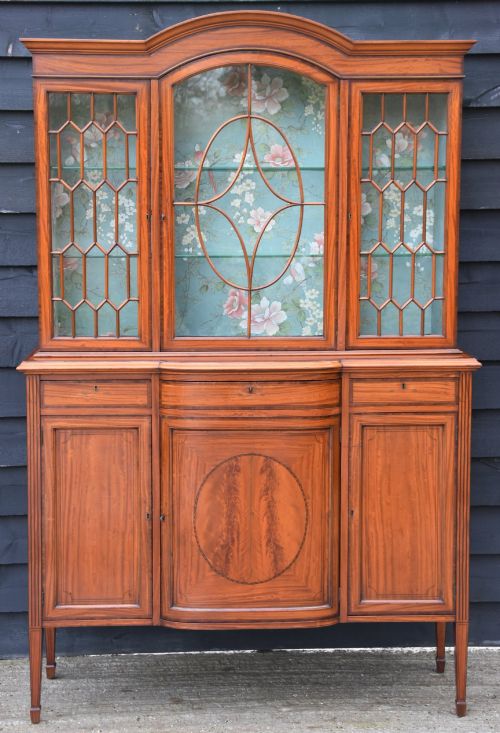
Glazing techniques range from traditional astragal bars holding individual panes of glass to leaded lights and expansive curved door fronts. Interior compartments frequently include fabric-lined backings, mirrored panels and adjustable wooden or glass shelving to reflect light onto the displayed items.
Vintage Vitrine Cupboard Retail Price Guide 2026
Typical asking prices for vintage vitrine cupboard among the pieces listed under this phrase on Sellingantiques today, from the lower quarter to the upper quarter. They describe what is for sale here now, not the wider market.
Listings span periods from the nineteenth century through the Edwardian era to 1930, uniting walnut, mahogany, oak and satinwood.
Distinguishing Quality and Craftsmanship
The integrity of the timber selection and veneer matching defines the visual hierarchy of these cabinets. Superior examples display continuous grain patterns across the doors and drawers, whereas simpler constructions rely on plain solid timbers or uniform commercial panels.
Refinement in carving, the precision of inlaid stringing and the presence of original cast bronze or brass mounts separate standard production items from exceptional workshop commissions. The weight of the glass, the joinery of the internal shelving and the finish of the timber surface indicate the original tier of manufacture.
Maple and Co·Hobbs and Co
The Vintage Vitrine Cupboard Glossary
- Vitrine
- A glass-panelled cabinet specifically constructed for the display of fine objects and porcelain. The term derives from the French word for glass.
- Astragal
- A narrow moulding used to hold panes of glass within a sash door. These wooden or brass strips create geometric divisions across the window front.
- Inlay
- A decorative technique where contrasting woods or metals are inserted into recessed portions of the base timber. Satinwood is frequently utilised for this purpose on dark mahogany surfaces.
- Cabriole leg
- A furniture leg that curves outward at the knee and tapers inward toward the foot, mimicking animal limbs. This form appears frequently on Edwardian display cabinets.
- Linenfold
- A style of wood carving that imitates folded parchment or linen fabric. This technique is characteristic of heavier oak revival furniture.
- Serpentine
- A furniture front or edge shaped with a central convex curve flanked by two concave curves. This undulating profile requires skilled carpentry to execute.
Vintage Vitrine Cupboard: Frequently Asked Questions
What fits inside a vintage vitrine cupboard?
These cabinets suit porcelain dinner services, glass collections, small sculptures and bound books. The adjustable shelving allows for the arrangement of objects of varying heights.
Heavier items belong on the lower wooden shelves to maintain balance, while delicate glassware sits safely behind the glazed upper doors away from accidental knocks.
How do I clean the glass panels?
Use a lint-free microfiber cloth and a mild glass cleaning solution applied directly to the cloth rather than the wood. This prevents moisture from seeping into fragile antique veneers and framing joints.
Take care around leaded glazing or painted surfaces, as harsh chemicals can degrade the historic binding materials and delicate finishes over time.
Are the shelves adjustable?
Many Edwardian and twentieth-century cabinets feature wooden rack strips or metal shelf supports that permit height adjustments. Fixed wooden shelving occurs more frequently in simpler or earlier vernacular constructions.
Checking the interior configuration before purchase ensures your specific collection pieces will fit comfortably behind the frame without obstructing the door closure.
How do I date a display cabinet?
Stylistic clues such as Edwardian satinwood inlay, Art Deco geometric veneers, or heavy Victorian oak carving provide the primary chronological markers. The construction of the drawer linings, screw types and backboards offer further evidence of the period of manufacture.
Revival pieces often blend historical decorative motifs with twentieth-century interior fittings, distinguishing them from genuine earlier antiques.