

Vintage Velvet Side Chairs
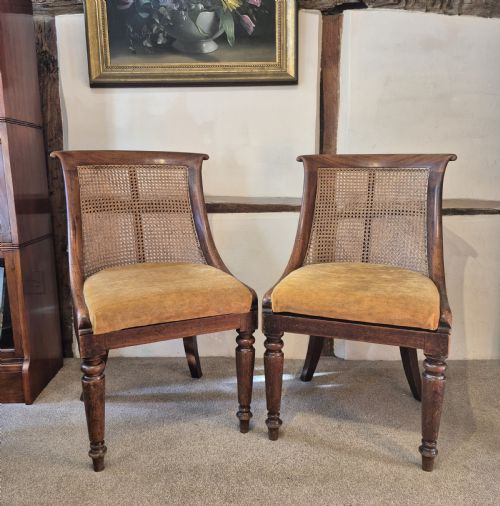
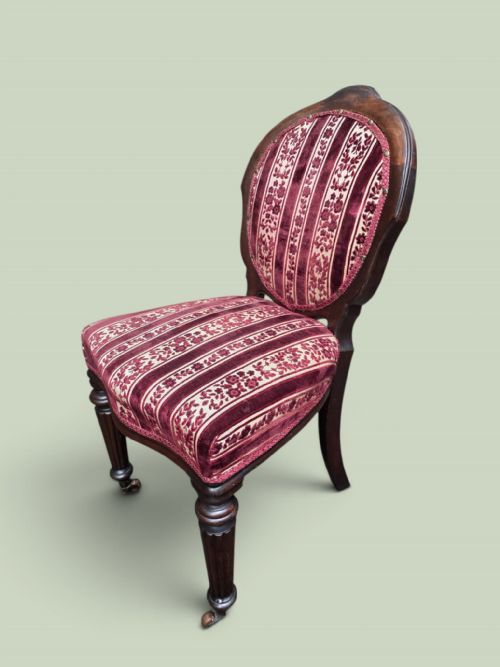
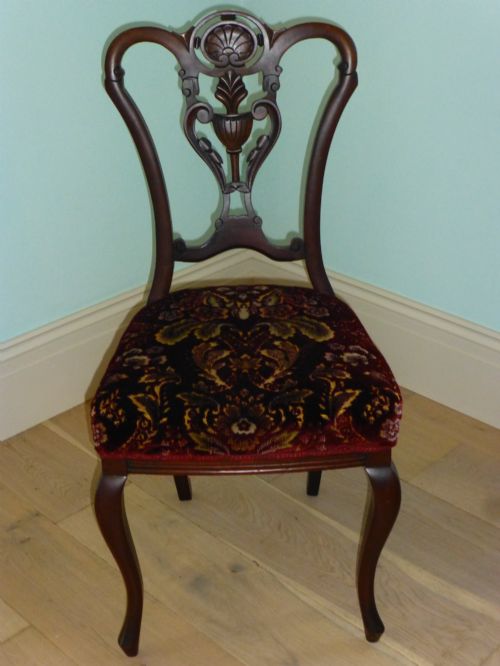
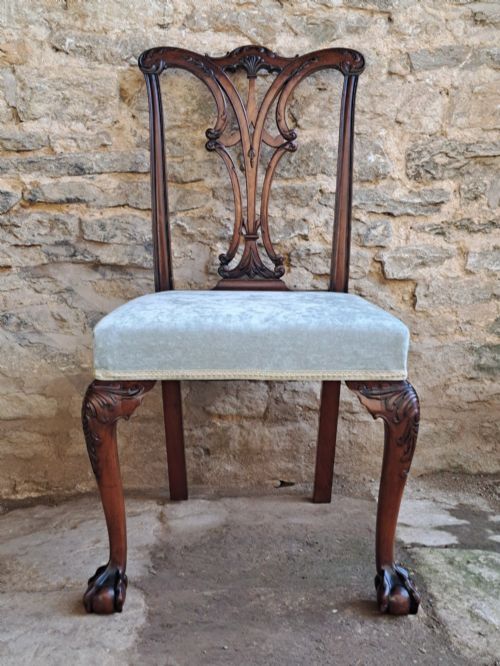
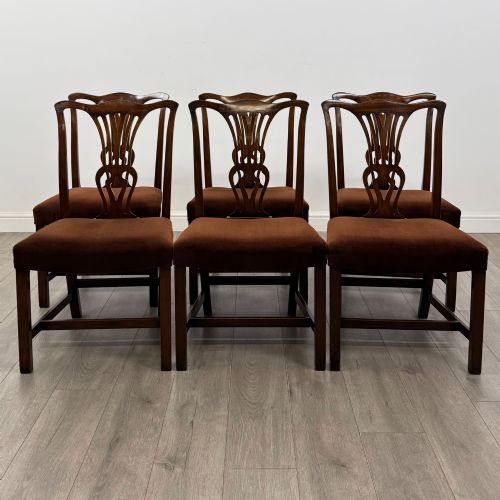
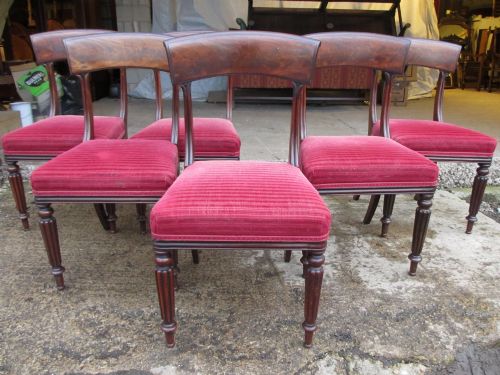
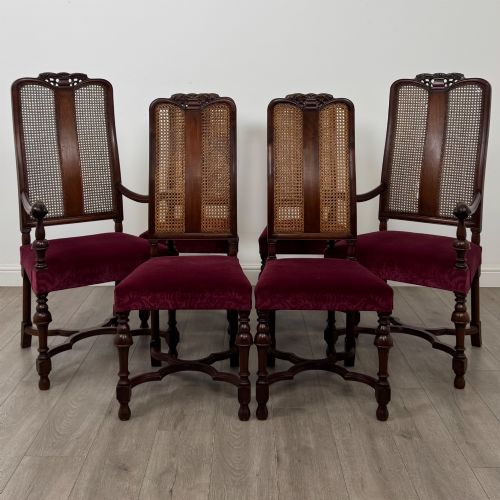
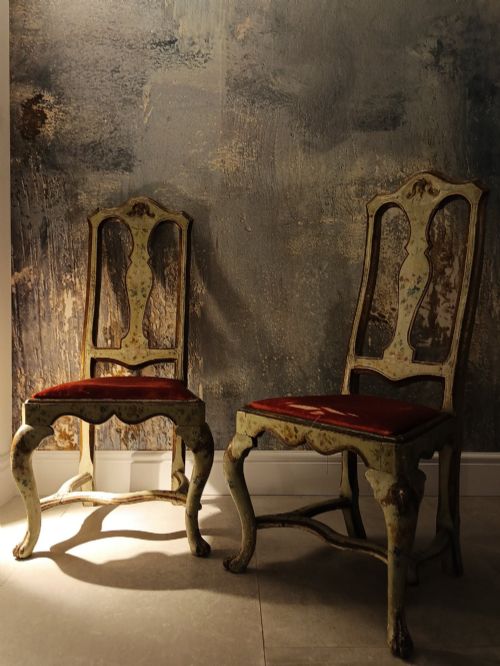
These vintage velvet side chairs bring texture and period character to a room, ranging from mahogany balloon backs to inlaid Edwardian designs.
Vintage Velvet Side Chairs
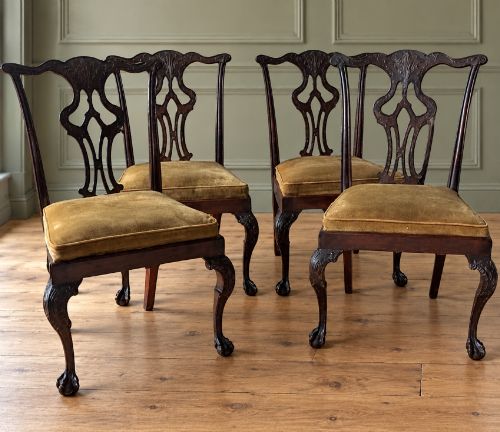
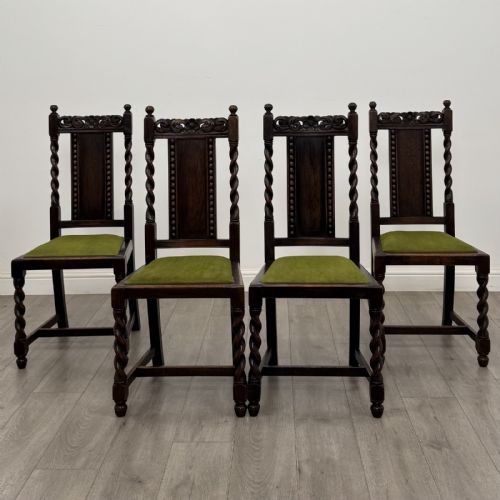
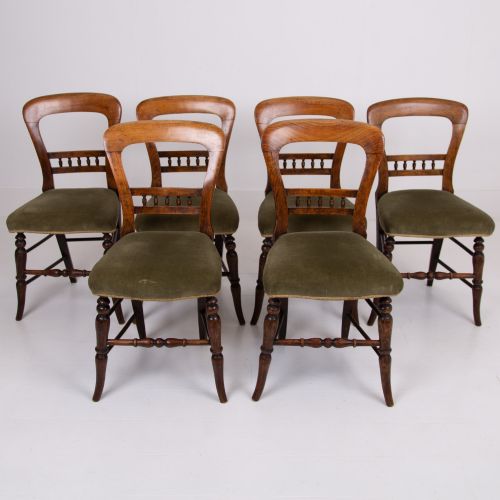
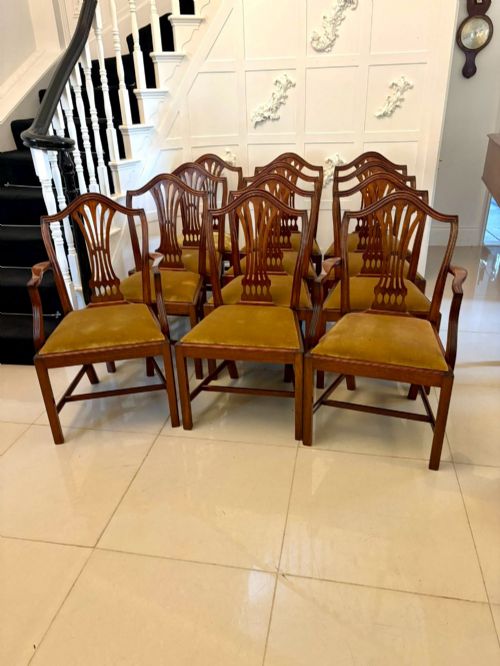
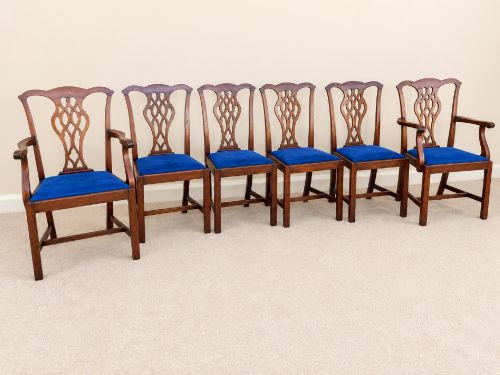
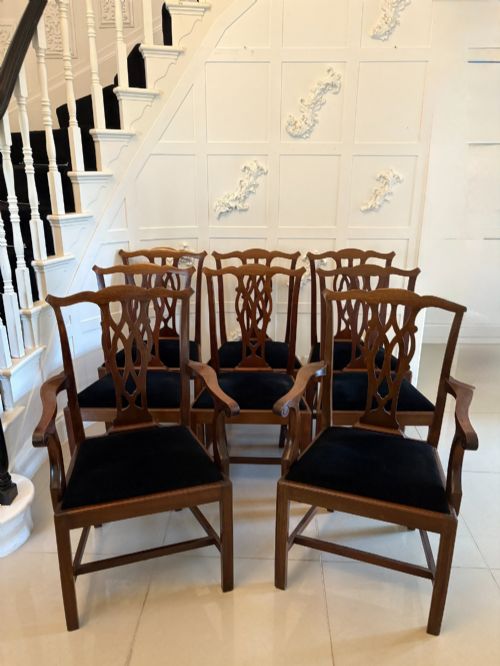
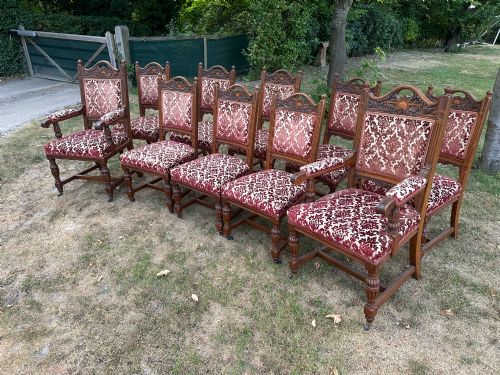
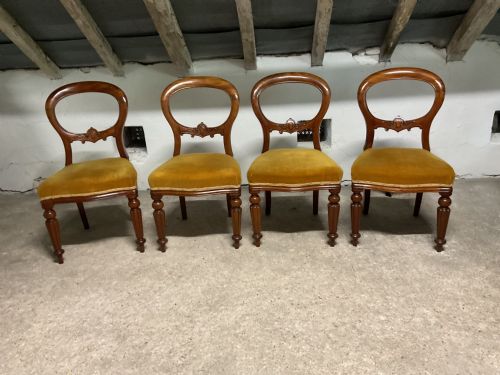
Vintage velvet side chairs encompass seating pieces designed primarily for dining, occasional use, or placement against walls, drawing on periods from the 19th century through the early decades of the 20th century. Buyers searching for these items will encounter various forms, including balloon back chairs, shield backs, and ladderbacks rooted in Victorian, Edwardian, and revival styles.
The selection on this page relies heavily on mahogany and oak frames, alongside rosewood and walnut, paired with upholstered textile surfaces. Many examples arrive in sets suited for dining spaces, while others present as single pieces or pairs intended for bedrooms, halls, and sitting rooms.
How they were made
Frames are constructed from dense hardwoods such as mahogany, oak, walnut, and rosewood, often shaped through traditional joinery and turning techniques. Carved details, pierced splats, and inlaid elements demonstrate the hand woodworking methods standard to the periods.
Upholstery relies on textile coverings including velvet, applied over sprung or padded seats. Brass accents and cane work also appear across specific Victorian and Edwardian iterations to finish the structural design.
Vintage Velvet Side Chairs Retail Price Guide 2026
Typical asking prices for vintage velvet side chairs among the pieces listed under this phrase on Sellingantiques today, from the lower quarter to the upper quarter. They describe what is for sale here now, not the wider market.
Several pieces include gossip chairs and conversation sofas, built specifically for the elaborate seating arrangements of the Victorian parlour.
What varies in quality
Quality rests upon the crispness of the frame's timber carving and the structural integrity of the joints. Finer examples display carefully selected grain patterns in woods like mahogany and rosewood, coupled with well-executed decorative inlays.
The refinement of the silhouette, whether following Hepplewhite, Chippendale, or Regency traditions, dictates the overall execution. Greater distinction belongs to pieces retaining harmonious proportions and detailed back designs such as balloon backs or shield backs.
Gillows·Cowtan & Sons
The Vintage Velvet Side Chairs Glossary
- Balloon back
- A chair back shaped in a continuous curve resembling a rounded balloon, common in Victorian mahogany seating. This form offers ergonomic support through its rounded wooden frame.
- Shield back
- A chair back designed in the outline of a shield, frequently associated with Hepplewhite and later revival styles. It often incorporates carved splats and pierced woodwork.
- Cane back
- A chair back incorporating woven rattan or cane panels within a wooden frame. This technique lightens the visual weight of the seating.
- Carver
- An armchair designed en suite with a matching set of dining side chairs. These pieces usually feature armrests and were traditionally placed at the heads of a table.
- Splats
- The vertical wooden strip down the centre of a chair back. Pierced splats feature openwork carved designs.
Vintage Velvet Side Chairs: Frequently Asked Questions
How do I date a velvet side chair?
Dating relies on observing the combination of timber, frame style, and construction methods. Victorian pieces often utilise mahogany with balloon backs, whereas Edwardian examples frequently feature lighter wood or inlaid details.
Examining the underside and joinery provides further context regarding the manufacturing period. Revival styles can also mimic earlier centuries, so evaluating the overall wear and secondary woods helps confirm the age.
Can I mix these chairs with a modern table?
These side chairs adapt well to modern dining tables by introducing textural contrast through dark hardwoods and velvet upholstery. Mixing different periods adds visual depth to a dining space.
Ensuring the seat height aligns comfortably with the table clearance remains the main practical consideration. Pairing older side chairs with a contemporary table creates a balanced interior aesthetic.
How should I care for vintage velvet?
Velvet requires gentle brushing with the pile to maintain its texture and prevent flattening. Keeping upholstered pieces away from direct sunlight preserves the colour of the textile.
Professional cleaning is recommended for addressing deeper marks to protect the fabric fibres. Regular light dusting helps maintain the condition of both the velvet and the wooden frame.