
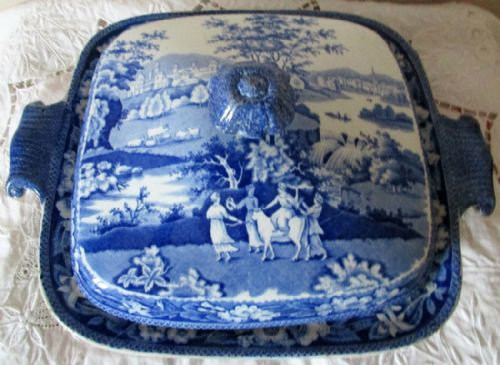


Vintage Vegetable Tureen
A vintage vegetable tureen brings traditional dining presence to the table, offering practical covered service for side dishes and vegetables.
Vintage Vegetable Tureen
A vintage vegetable tureen is a covered serving vessel designed for presenting vegetables or side dishes at the dining table, taking forms from hefty ceramic pots to polished metal entree dishes. Buyers searching for a vintage vegetable tureen will encounter pieces ranging from early nineteenth-century earthenware and ironstone to Edwardian silver-plated serving dishes. These items often arrive with matching covers and occasionally ladles, serving as both functional tableware and decorative centrepieces.
Ceramic examples span blue and white transfer-printed earthenware from Staffordshire potteries alongside robust ironstone decorated with traditional patterns. Metal versions are predominantly silver-plated, Old Sheffield plate, or nickel silver, frequently shaped as rectangular or oval entree dishes with fitted lids. Makers varied from major British silversmiths to historic porcelain manufactories, producing vessels intended for formal dining rooms.
The pieces on this page reflect eras spanning the Georgian and Regency periods through the Victorian, Edwardian, and Art Deco epochs. Earthenware and ironstone versions dominate the ceramic offerings, while silver-plated serving dishes represent the later nineteenth and early twentieth centuries. Buyers are most likely to meet Edwardian silver-plated designs or nineteenth-century transfer-printed pottery when browsing these selections.
Materials and construction
Ceramic tureens were shaped from earthenware, ironstone, or porcelain, often finished with a durable glaze and decorated using transfer-printing techniques. Potters applied detailed blue and white motifs, such as the Europa or Bamboo patterns, directly onto the clay body before firing and glazing. Ironstone provided a particularly dense, hard-wearing fabric suited to daily domestic service.
Metal tureens relied on base metals like copper, nickel, or Britannia metal coated with silver via electroplating or the older Sheffield plating method. Silversmiths hammered, spun, or cast the metal into oval and rectangular bodies, soldering handles, feet, and beaded borders onto the rims. Old Sheffield plate involved fusing a thin sheet of silver to a thicker copper core, creating a durable composite material.
Covers and ladles required precise manufacturing to ensure proper fitting and balance during service. Ceramic lids often featured sculpted finials, while metal covers utilised hinged mechanisms or detachable handles for ease of use. Every component was finished by hand, from the polishing of silver surfaces to the hand-brushing of ceramic glazes.
Materials range from earthenware and ironstone to porcelain, nickel silver, and Old Sheffield plate.
Standards of manufacture
The quality of a vintage vegetable tureen rests in the crispness of its decoration and the balance of its proportions. In ceramics, sharp transfer prints without blurring and smooth, even glazes distinguish superior pieces from utilitarian wares. Metal vessels depend on the integrity of the silver plating and the weight of the underlying metal, where heavy, well-balanced gauge metal indicates higher craftsmanship.
Maker attribution also elevates a piece, as vessels produced by established silversmiths or renowned potteries exhibit superior detailing in handles, crests, and finials. Hand-chased mounts and intricate border work require advanced skill, separating standard production items from workshop masterpieces. The retention of original matching covers and ladles completes the integrity of the service.
John and Richard Riley·Coalport·Coalbrookdale·Mappin and Webb·Hamilton and Inches·Walker and Hall·Matthew Linwood·Ridgways·Copeland and Garrett·Christofle·Gallia
The Vintage Vegetable Tureen Glossary
- Entree dish
- A shallow, covered serving vessel designed for presenting portions of meat, fish, or vegetables at the dining table. These rectangular or oval dishes often feature removable handles to allow the lid to double as a secondary serving dish.
- Ironstone
- A dense, durable type of ceramic patented in the nineteenth century as a tougher alternative to porcelain. It resists chipping and staining, making it ideal for heavy kitchen and dining service.
- Transfer print
- A decoration technique where an engraved copper plate transfers a design onto tissue paper, which is then rubbed onto unglazed pottery. This method allowed intricate patterns like blue and white landscapes to be applied consistently.
- Old Sheffield plate
- An early composite material made by fusing a thin layer of silver to a copper ingot before rolling them into sheets. This technique preceded electroplating and is identified by thin lines of exposed copper at the edges.
- Electroplated nickel silver
- A base metal alloy of copper, nickel, and zinc coated with a layer of pure silver using an electrical current. It became the standard method for producing affordable silver-plated tableware from the mid-nineteenth century onward.
Vintage Vegetable Tureen: Frequently Asked Questions
What is a vegetable tureen?
A vegetable tureen is a deep, covered serving bowl traditionally used at the dining table to keep cooked vegetables warm and present them attractively.
These pieces typically include a matching lid and sometimes an underplate or ladle, forming a complete set for formal or family meals.
How do I clean a silver plated tureen?
Silver plated tureens require gentle washing with warm water, mild washing-up liquid, and a soft cloth to protect the metal surface.
Avoid harsh scouring pads or abrasive chemical dips that can strip the silver plating over time.
Can I use antique ceramic tureens daily?
Antique ceramic tureens can serve food at the table, though hand washing is recommended rather than placing them in a modern dishwasher.
Sudden temperature changes should be avoided to protect the historic glaze and ceramic body from cracking.
How do I date a ceramic tureen?
Ceramic tureens are dated by examining the maker marks, pottery stamps, and the specific style of the transfer-print decoration.
Changes in clay body composition and glaze characteristics also provide clues to the era of manufacture.