
Vintage Vanity Chest
A vintage vanity chest is a fitted dressing piece or compact box designed for personal grooming, offering compartments and mirrors for daily routines.
Vintage Vanity Chest
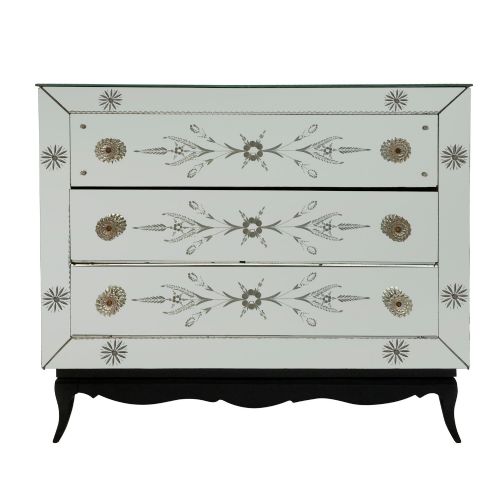
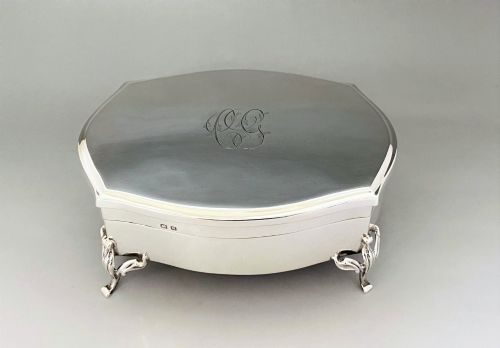
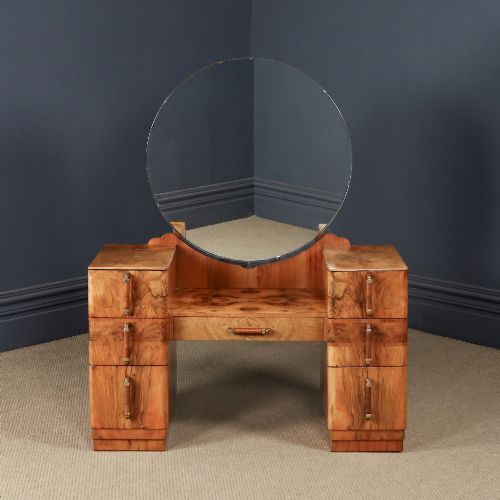
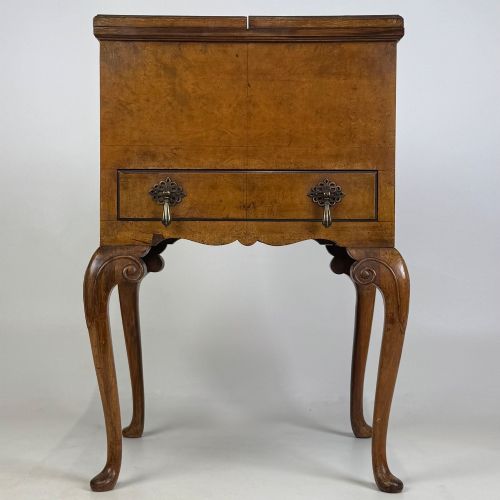
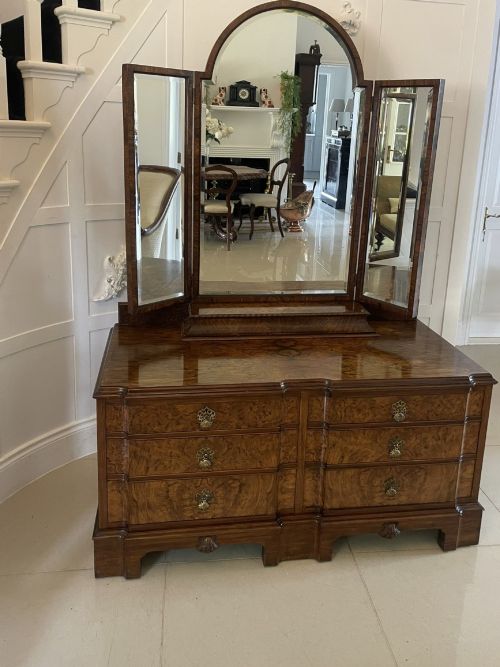
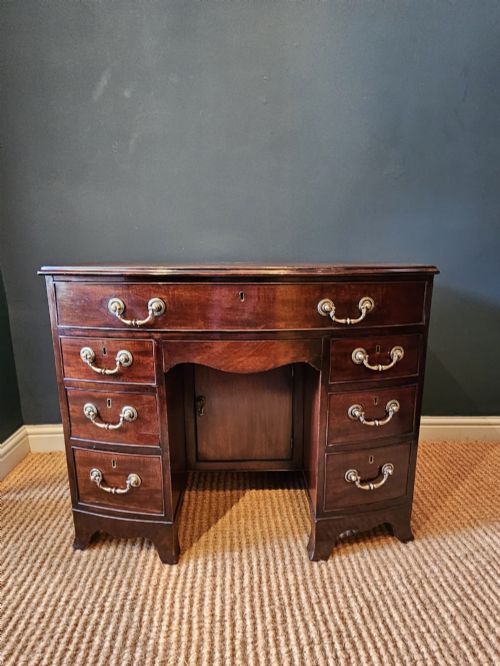
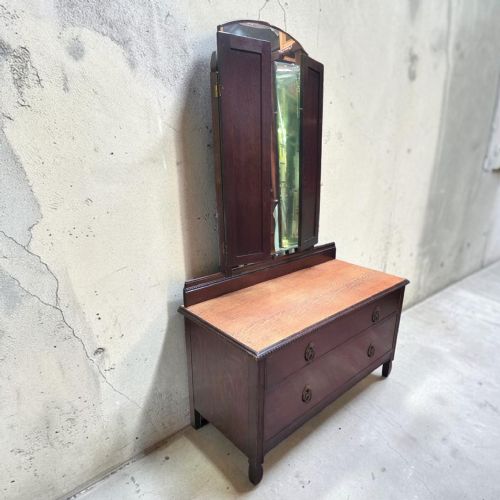
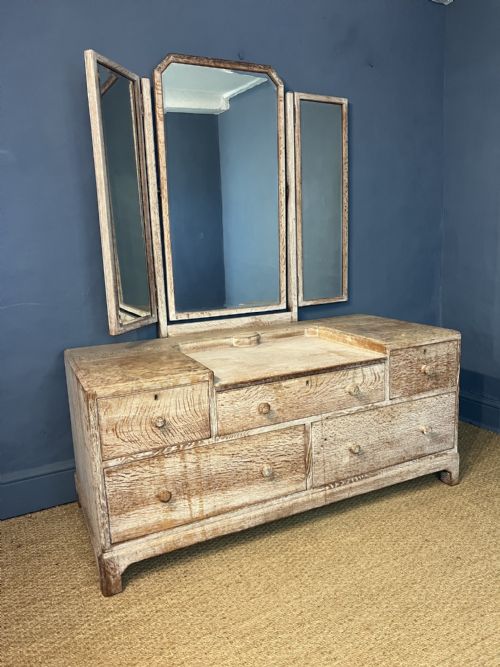
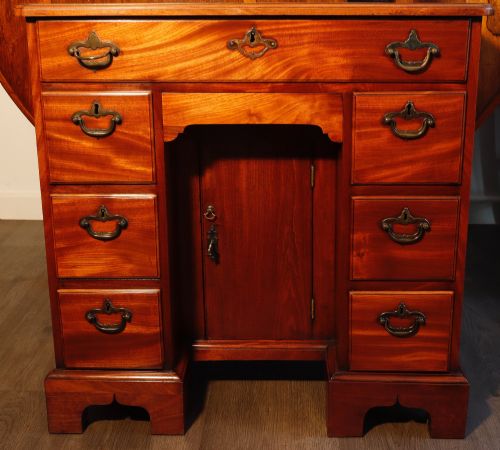
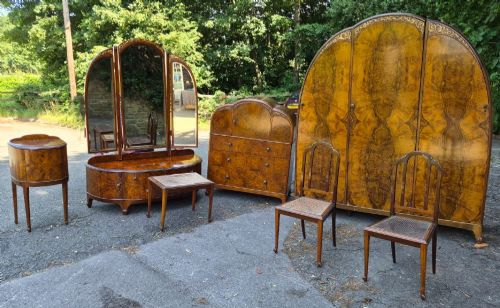
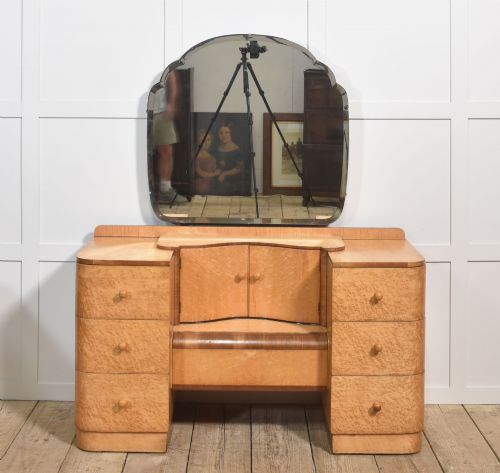
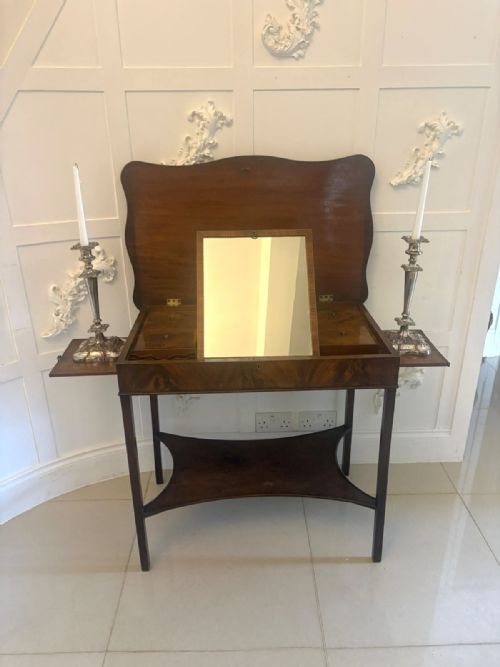
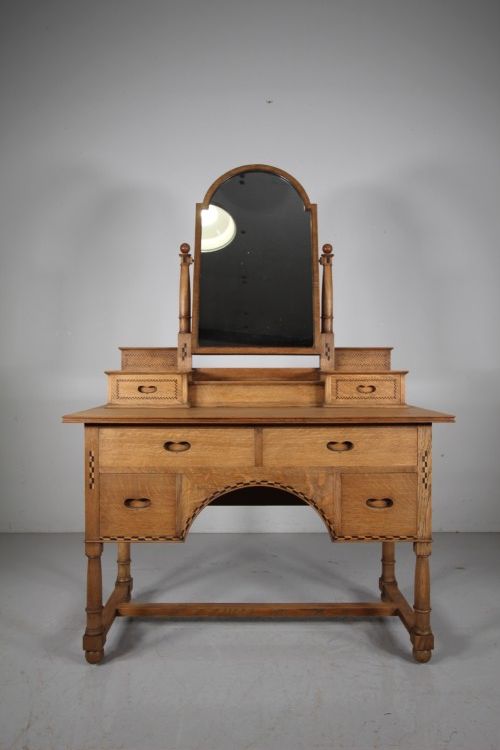
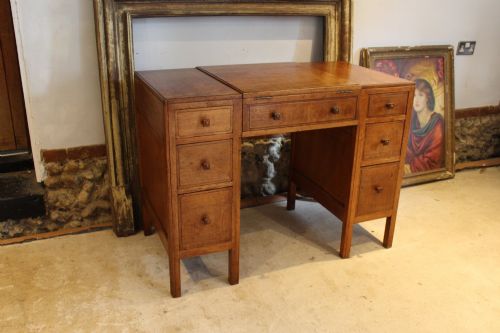
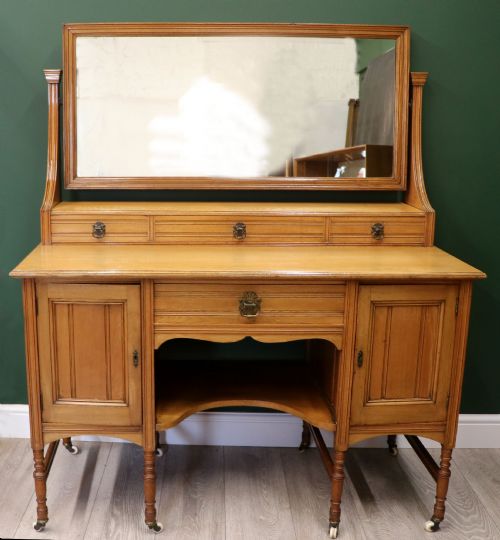
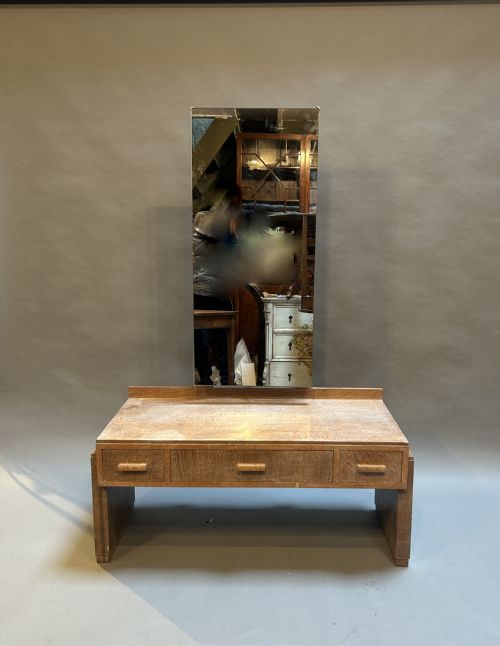
When you search for a vintage vanity chest, you encounter a variety of forms including dressing tables, dressing chests, and table top jewellery boxes. These pieces serve the practical purpose of organising personal items and grooming accessories in a bedroom or dressing room setting.
The selections span multiple periods, with Edwardian and Victorian examples appearing frequently alongside 1930s Art Deco designs. You will also find Georgian and 18th century iterations constructed with classical proportions and traditional joinery.
Object types range from large pedestal dressing tables with integrated mirrors to smaller portable jewellery boxes lined for delicate items. Oak, mahogany, and burr walnut dominate the structural forms across these diverse historical periods.
How they were made
Cabinet makers utilised solid woods such as oak, mahogany, and walnut for the primary carcass construction, often applying figured burr walnut or satinwood veneers to prominent drawer fronts and surfaces. Mirror glass was integrated into adjustable shield frames, cheval mounts, or triple mirror assemblies.
Decorative techniques recorded in the listings include marquetry inlay, carved detailing, and painted finishes on pine. Interiors often received fitted compartments, silk or velvet linings, and brass hardware such as drawer pulls and hinges.
Listings feature woods spanning mahogany, oak, burr walnut, rosewood, and satinwood, alongside mirrored glass elements.
What varies in quality
The calibre of a vintage vanity chest rests upon the selection of timber figures and the precision of its construction details. Pieces utilising burr walnut or figured mahogany with meticulous veneer matching stand apart from simpler painted or plain softwood versions.
Superior execution shows in the integration of original mirror glass, intact internal velvet or silk linings, and branded maker labels or stamps. The harmony of proportions and the retention of original brass hardware further separate standard examples from finer commissions.
Frank Taylor and Co·Maurice Adams·Shapland and Petter·Edwards and Roberts
The Vintage Vanity Chest Glossary
- Burr walnut
- A prized timber cut from the abnormal growths of a walnut tree, yielding swirling grain patterns highly sought after in cabinet making.
- Secretaire
- A desk or chest form featuring a pull-down writing flap that conceals internal pigeonholes and small drawers.
- Marquetry
- The art of applying decorative veneer pieces of different woods to a structure to form intricate pictorial designs or geometric patterns.
- Cheval mirror
- A full-length or large mirror suspended on a vertical frame that permits it to swing at various angles.
- Arts and Crafts
- A design movement emphasising handcraftsmanship, simple forms, and traditional guild methods rather than mass production.
Vintage Vanity Chest: Frequently Asked Questions
What is a vintage vanity chest used for?
These pieces function as dedicated stations for personal grooming, cosmetics storage, and the safekeeping of jewellery. The drawers and compartments organise daily accessories while integrated mirrors assist with dressing.
Smaller table top versions keep precious trinkets secure within lined interiors. Larger dressing chests combine surface space with drawer storage for bedroom utility.
How do I identify an Edwardian dressing chest?
Edwardian examples often feature lighter mahogany or satinwood timbers, frequently accompanied by inlaid stringing and adjustable shield mirrors. They bridge Victorian heaviness with simpler, elegant Edwardian proportions.
Many incorporate brass swing handles and supported jewellery drawers on the upper surface. The joinery reflects early twentieth-century industrial efficiency combined with traditional cabinet work.
Are Art Deco vanity chests common?
Art Deco pieces from the 1930s appear regularly, characterised by geometric silhouettes and striking burr walnut or maple veneers. Makers like Heals produced streamlined designs that emphasised natural wood grains over carved ornament.
These dressing tables often include frameless or curved mirrors and matching low stools. They suit modern interiors seeking clean lines and architectural presence.
How should I care for a wood vanity chest?
Maintain wooden surfaces by dusting with a soft, dry cloth and avoiding direct sunlight that can fade delicate veneers. Period wax can be applied sparingly to nourish older timbers without building up residue.
Protect interior fabric linings from moisture and sharp objects to preserve original textiles. Check mirror fixings periodically to ensure secure mounting without straining the wooden frames.