


Vintage Urn Lamp
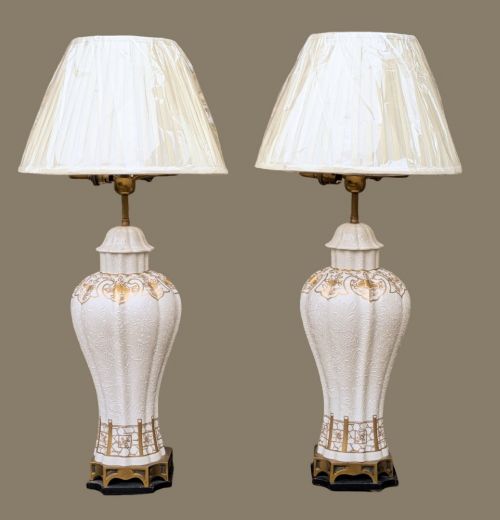
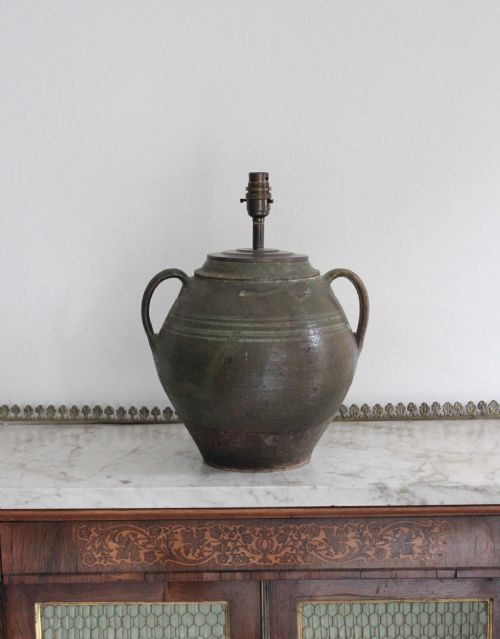
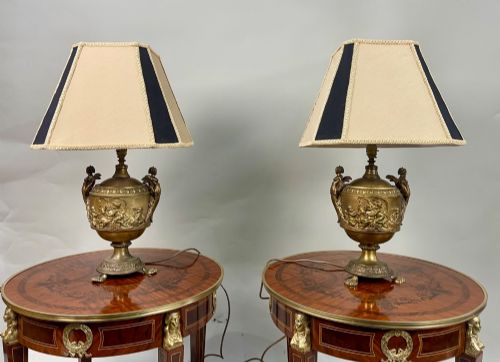
These vintage urn lamps bring sculptural presence and warm illumination to a room, turning classical vessels into functional lighting.
Vintage Urn Lamp
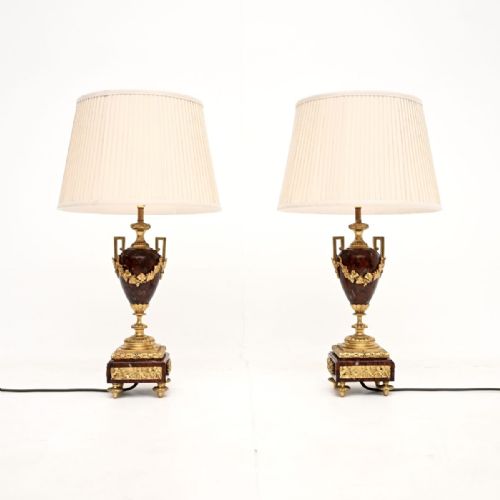
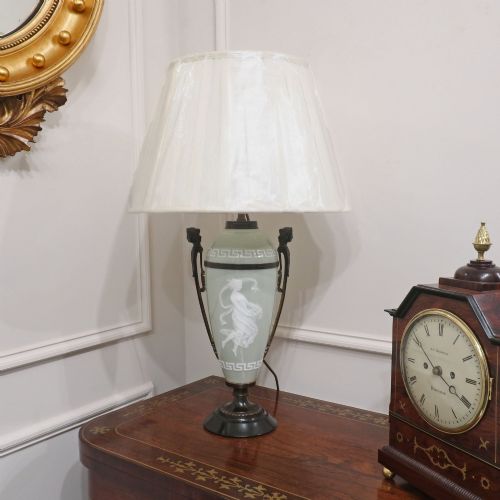
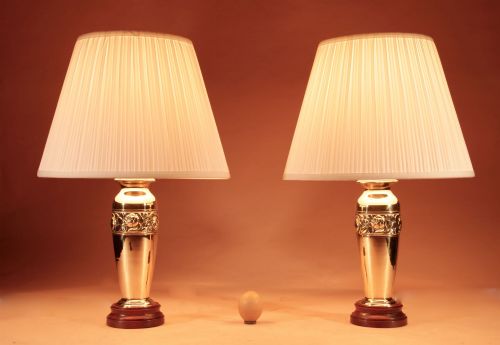
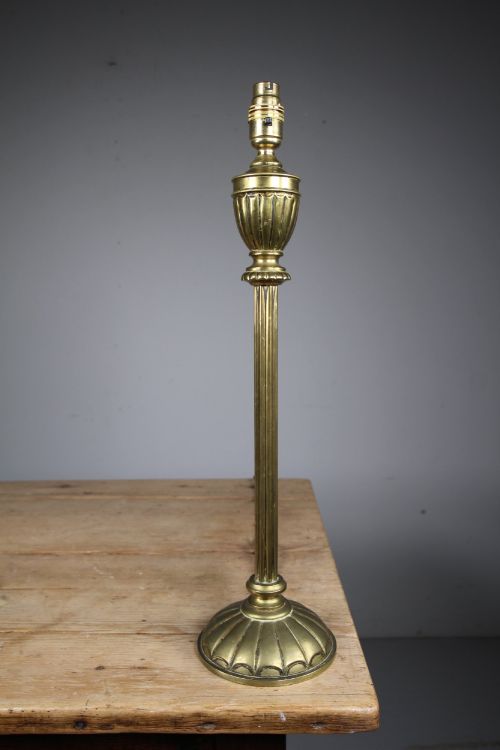
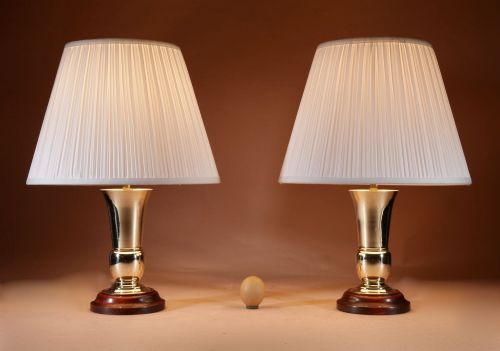
When you search for a vintage urn lamp, you encounter lighting created by adapting classical vessels, vases, and ewers into electrified table lamps. These pieces draw from nineteenth-century, Edwardian, and Art Deco periods, translating ancient vessel forms into domestic interiors.
The selections on this page are most frequently table lamps fashioned from porcelain, marble, alabaster, and cast metals such as brass or gilt bronze. Many originate from French workshops or Japanese export traditions, often utilising classical revival or neoclassical vocabulary.
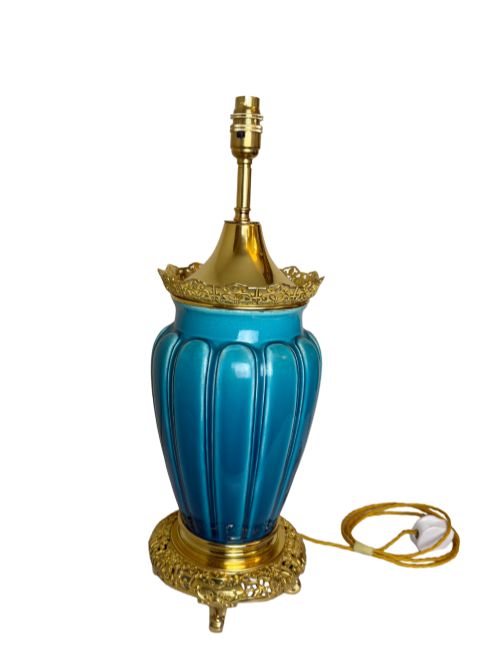
Makers and converters historically took urns, ewers, and vases, sometimes adding drilled bases or wired fittings to hold lampshades. The resulting objects function as focal points on side tables, desks, and consoles, providing both vertical height and decorative weight.
How they were made
Makers constructed these lamps by mounting heavy core materials - such as rouge marble, alabaster, or turned mahogany - onto metal bases, or by drilling ceramic and bronze vessels for electrical wiring. Craftspeople combined structural stone and cast metal components with threaded rods, securing mounts and handles with precision.
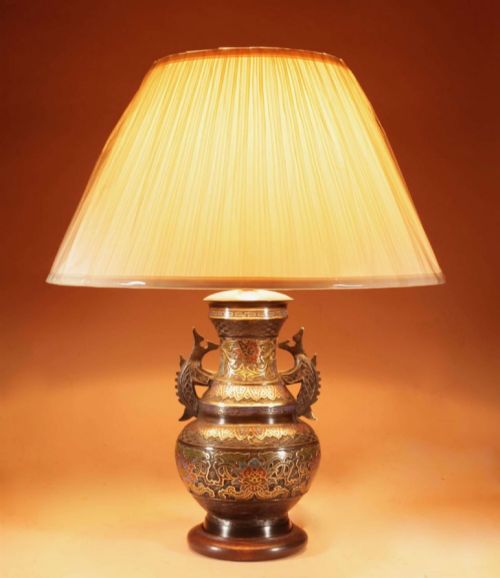
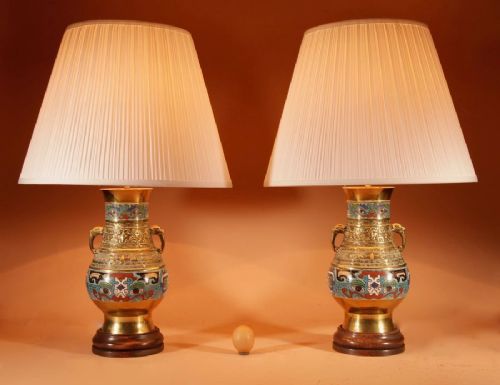
Surface ornamentation involved varied techniques, including champlevé enamelling on Japanese bronze, pate sur pate porcelain decoration, hand-gilding on metal mounts, and ormolu framing. Stoneware and porcelain bodies frequently received glazed finishes, crackle effects, or painted floral details before receiving metal collars and lamp fittings.
Vintage Urn Lamp Retail Price Guide 2026
Typical asking prices for vintage urn lamp among the pieces listed under this phrase on Sellingantiques today, from the lower quarter to the upper quarter. They describe what is for sale here now, not the wider market.
Listings feature materials spanning alabaster, mahogany, champlevé bronze, and ormolu-mounted porcelain across periods from the seventeenth to the twentieth century.
What varies in quality
The distinction between ordinary and exceptional pieces lies in the integration of the conversion and the weight of the materials. Superior examples employ heavy, solid marbles, finely chased gilt bronze or ormolu mounts, and hand-finished porcelain or champlevé enamel rather than lighter cast alloys or painted substitutes.
Proportion and execution dictate value. High-quality pieces maintain balanced symmetry between the urn body and the metal mounts, with crisp casting details on ram heads, floral motifs, and handles that show no smoothing or blurring from worn moulds.
Druce And Co London·Royal Worcester·Hicks And Meigh
The Vintage Urn Lamp Glossary
- Ormolu
- Gilt bronze mounted onto decorative objects, providing a bright golden metallic contrast to porcelain, marble, or wood bodies. It involves applying a fine layer of gold amalgam to a bronze base.
- Champlevé
- An enamel technique where troughs or cells are hollowed out of a metal surface and filled with vitreous enamel before firing. It frequently appears on Japanese export bronzes.
- Pate sur pate
- A ceramic decorating method where a liquid clay relief is painted layer upon layer onto a darker clay body. This creates a cameo-like translucent design.
- Alabaster
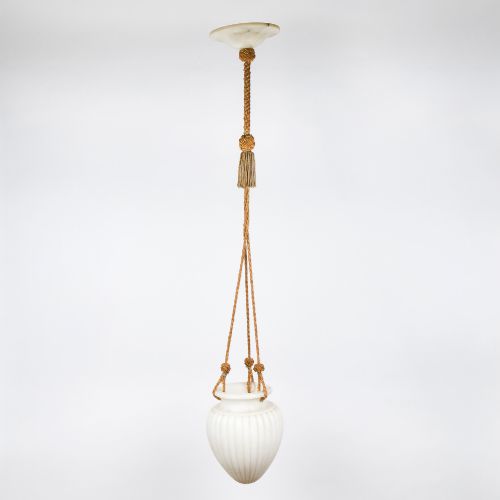
- A fine-grained, translucent stone used for carved vessels and lamp bodies. It diffuses light gently when illuminated from within or nearby.
Vintage Urn Lamp: Frequently Asked Questions
What is a vintage urn lamp?
A vintage urn lamp is a decorative lighting fixture created by converting a classical urn, vase, or ewer into a table lamp. These pieces incorporate historical vessels made from materials like porcelain, marble, alabaster, and bronze.
Craftspeople adapt these vessels by adding electrical wiring, lamp holders, and sometimes custom mounting hardware while preserving the original decorative body of the antique object.
How do you style them at home?
These lamps work well on sturdy surfaces such as side tables, sideboards, and large desks where their weight and sculptural form provide balance. They anchor a room by introducing height, classical symmetry, and textural contrast.
Pair them with simple fabric shades to let the material of the urn - whether Japanese bronze, French porcelain, or Italian marble - remain the visual focal point of the arrangement.
Are these lamps rewired for modern use?
Many antique and vintage lamps are offered with updated wiring to meet current safety standards while retaining their historical bases and fittings. Dealers often specify if a piece has been recently rewired or tested.
Buyers should inspect the cord length, plug type, and lamp holder to ensure compatibility with modern wall sockets and local electrical requirements before daily use.
How do you tell periods apart?
Identifying the period involves examining the material, casting technique, and decorative style of the urn body and its mounts. Nineteenth-century French pieces frequently feature ormolu-mounted rouge marble and neoclassical motifs, while Edwardian or later twentieth-century examples display cleaner lines or specific ceramic glazes.
Stylistic cues such as Meiji period Japanese bronzes or Art Deco geometric influences help narrow down the decade of manufacture and conversion.