
Vintage Upholstered Wingback
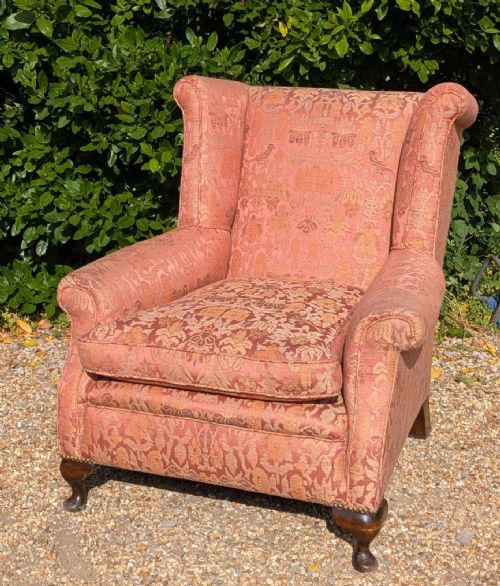
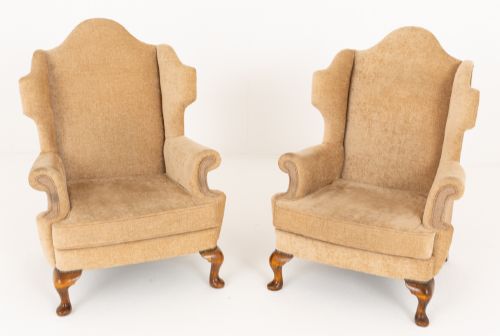
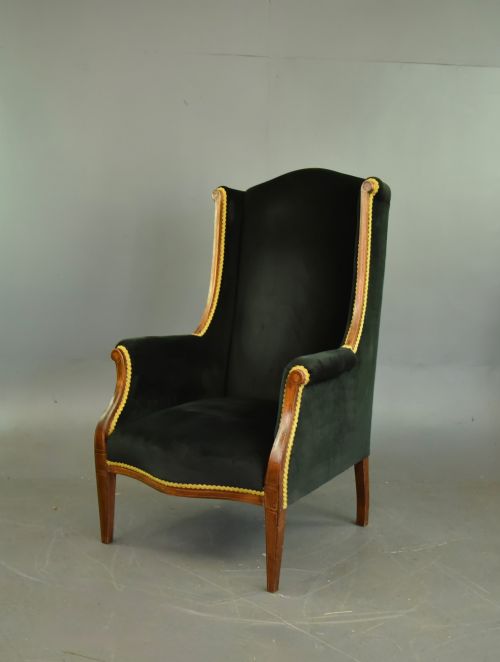
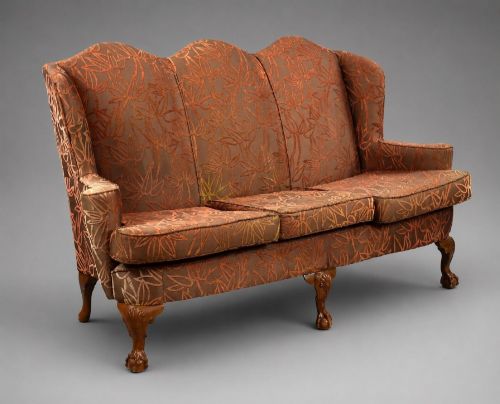
These vintage upholstered wingback armchairs bring deep-set comfort and traditional draught-excluding wings to a room, offering both period presence and enduring warmth.
Vintage Upholstered Wingback
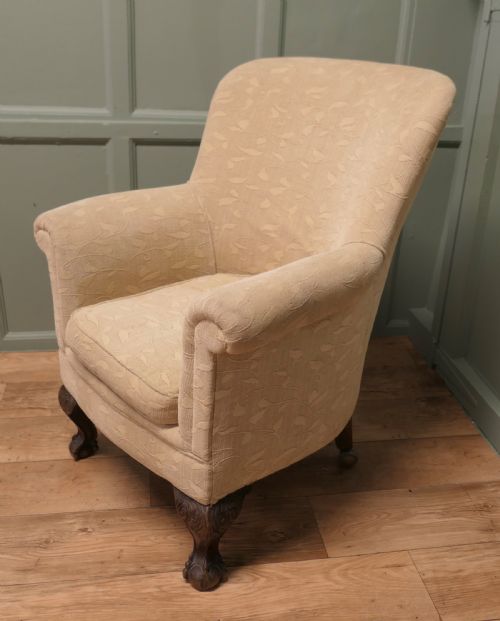
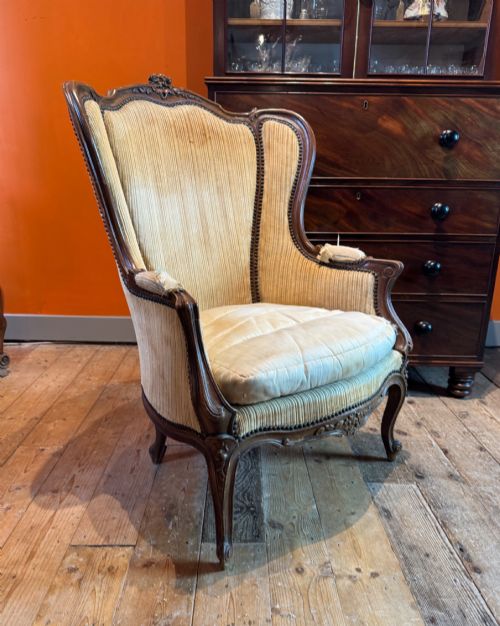
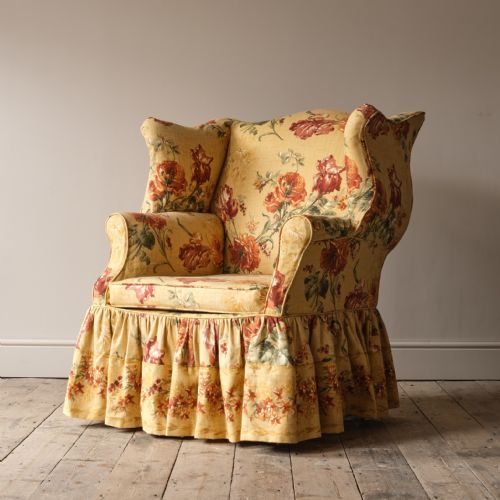
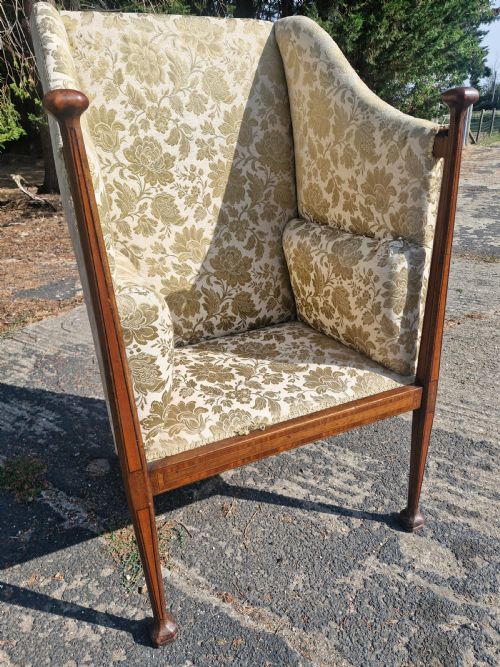
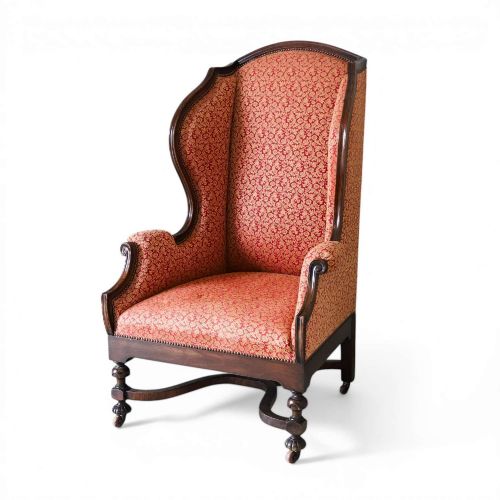
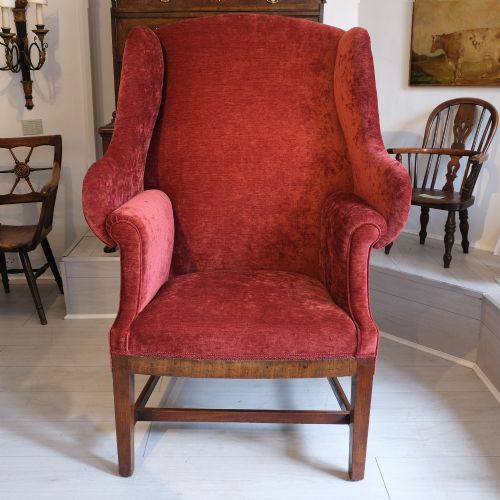
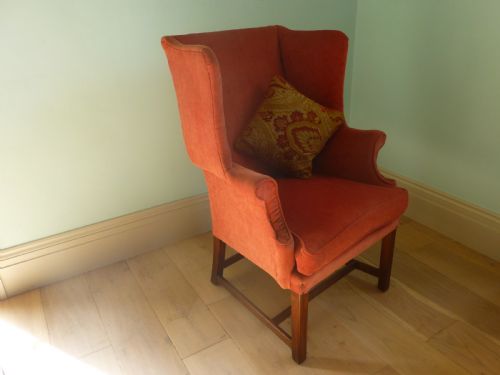
A vintage upholstered wingback stands as a substantial seating form defined by its protective side panels, designed originally to shield the sitter from draughts by a fireplace. The selections gathered here span periods from the eighteenth century through to the early decades of the twentieth century, capturing structural evolutions across Victorian, Edwardian, and Georgian revival styles.
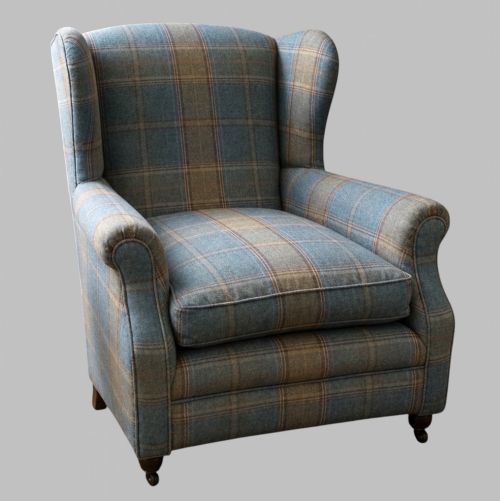
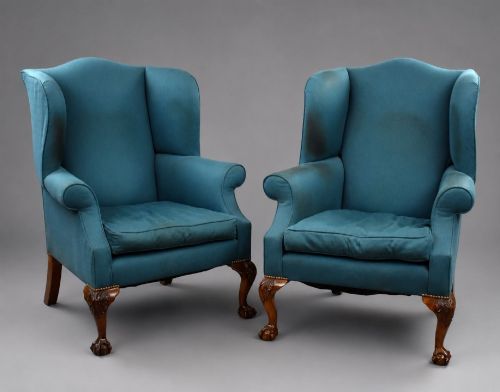
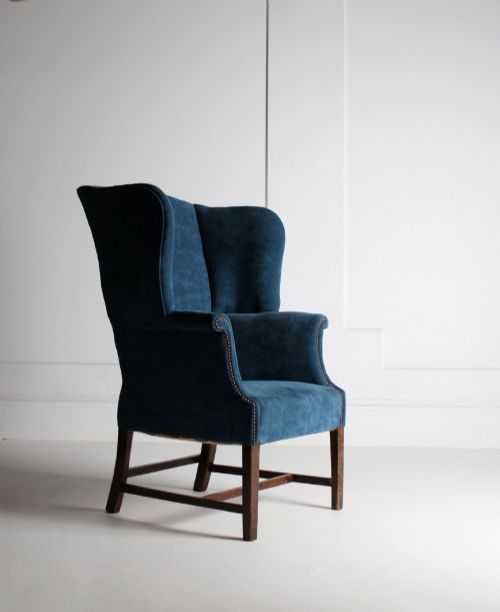
Buyers will encounter various incarnations, including traditional mahogany and walnut framed examples alongside country house interpretations covered in textiles like velvet, wool plaid, and chenille twill. Proportions range from standard fireside armchairs to larger barrel-backed forms and occasional pairs suited to drawing rooms or studies.
Materials and Construction
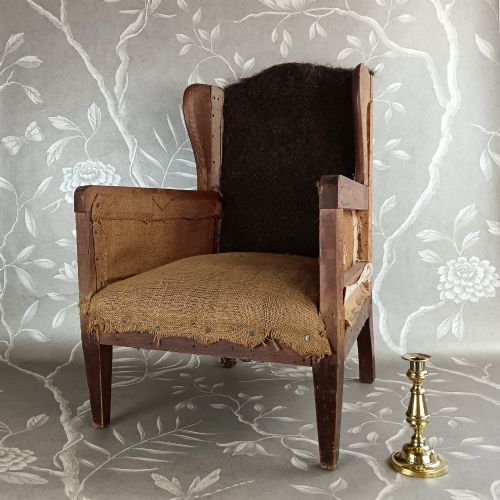
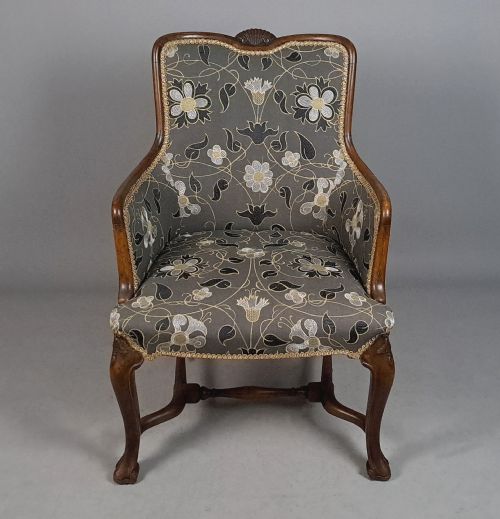
The underlying framework typically relies on hardwoods such as mahogany, walnut, and general timber, providing a sturdy skeleton capable of supporting heavy internal stuffing and upholstery. Joinery techniques from these periods ensure structural integrity, while exposed wooden legs frequently display period characteristics like cabriole shapes or inlaid details.
Textiles and stuffing materials define the tactile nature of each piece, utilising traditional fillings like feathers alongside surface coverings in woven wool, plush velvet, and textured twill secured with brass detailing or tight tacking.
Vintage Upholstered Wingback Retail Price Guide 2026
Typical asking prices for vintage upholstered wingback among the pieces listed under this phrase on Sellingantiques today, from the lower quarter to the upper quarter. They describe what is for sale here now, not the wider market.
Listings feature frames fashioned from mahogany, walnut, and assorted hardwoods, upholstered in velvet, plaid, and various woven textiles.
Judging Quality and Character
Distinctions in quality often rest upon the integrity of the wooden frame and the fidelity of revival styles to their earlier prototypes, such as genuine Queen Anne or George II proportions. Superior examples maintain firm structural lines without excessive timber replacement, preserving their original stature and balance.
The execution of the upholstery and the choice of textile also elevate a piece, where sympathetic fabric selection and traditional stuffing methods maintain the intended comfort and visual weight of the design.
Howard And Sons·Whytock And Reid
The Vintage Upholstered Wingback Glossary
- Wingback
- An armchair featuring projecting side panels attached to the arms and back, conceived to deflect cold air away from the occupant.
- Barrel back
- A seating form where the back curves continuously around into the arms in a circular enclosure.
- Bergère
- An enclosed armchair with stuffed upholstery set into a wooden frame, often featuring exposed polished timber borders.
- Chenille
- A fuzzy, tactile fabric woven with piled yarns that yields a soft surface and deep colour reflection.
Vintage Upholstered Wingback: Frequently Asked Questions
Where should a wingback chair be placed?
These armchairs suit principal living spaces, libraries, or firesides where their high backs and protective wings create a distinct, sheltered seating area.
Their substantial proportions also allow them to anchor corners or sit comfortably opposite a sofa within a traditional room layout.
How do I identify a Georgian style wing chair?
Georgian revival and eighteenth-century examples typically display formal proportions, restrained wooden framing, and characteristic leg forms such as cabriole or straight supports.
They often prioritise architectural lines over decorative carving, maintaining a dignified silhouette suited to formal parlours.
What textiles were used for upholstery?
Period pieces utilise a range of fabrics including patterned wool plaids, heavy velvet, and textured twill finishes that complement the dark timber frames.
Many examples carry later textile updates that suit modern domestic interiors while respecting the historic framework beneath.
How do Edwardian wingbacks differ from earlier ones?
Edwardian interpretations frequently incorporate lighter framing timbers, decorative mahogany inlays, and sometimes relaxed country house comfort.
They tend to feel less austere than earlier Victorian or Georgian variants, accommodating varied patterned textiles and softer padding.