

Vintage Upholstered Easy Chair
A vintage upholstered easy chair offers deep comfort and character, bringing generous proportions and period upholstery to a room.
Vintage Upholstered Easy Chair
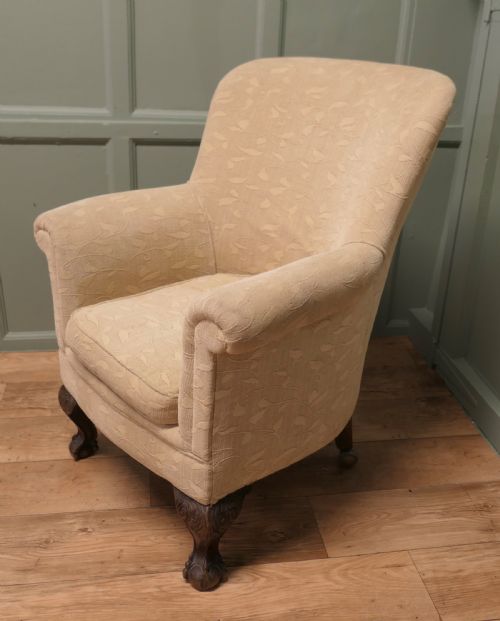
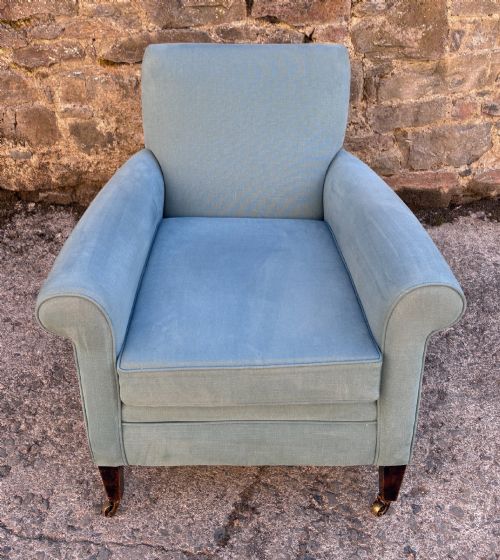
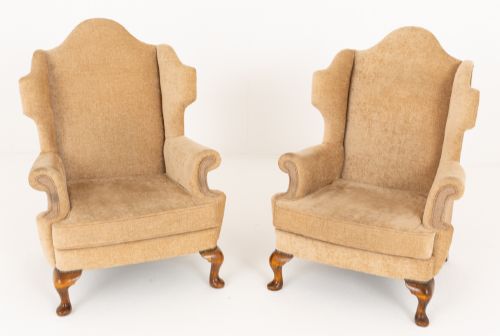
A vintage upholstered easy chair provides a comfortable seat with padded arms and back, appearing across nineteenth and twentieth-century periods in forms such as wingbacks, club chairs, and tub chairs. These pieces serve as practical seating that anchors a sitting room or study.
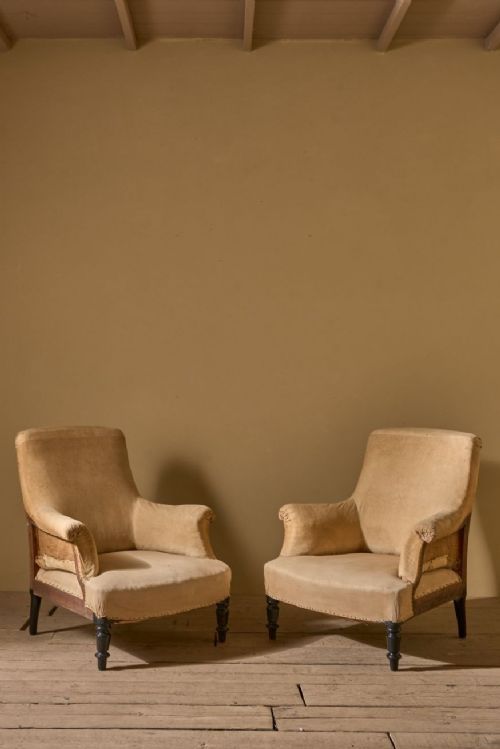
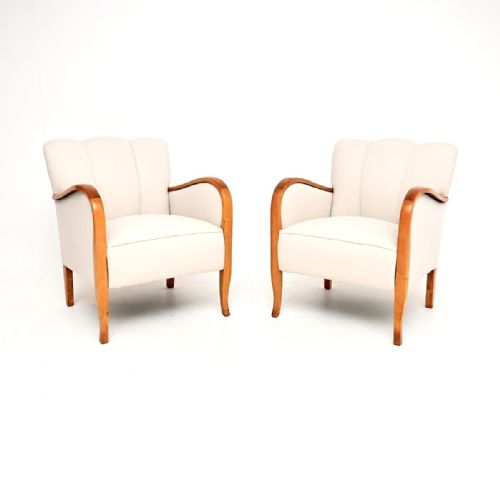
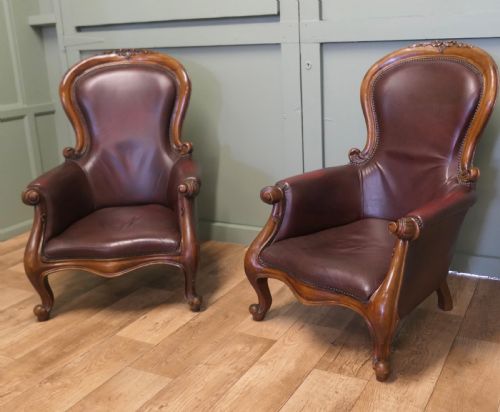
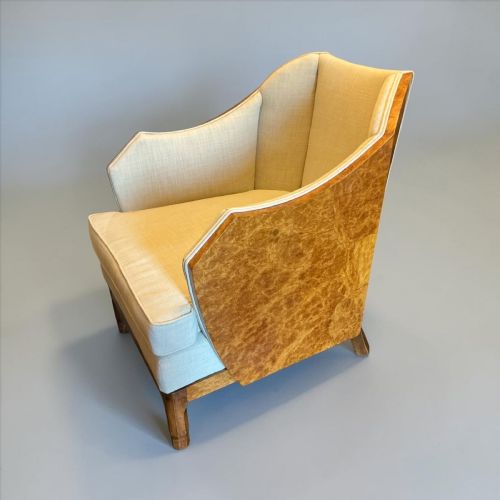
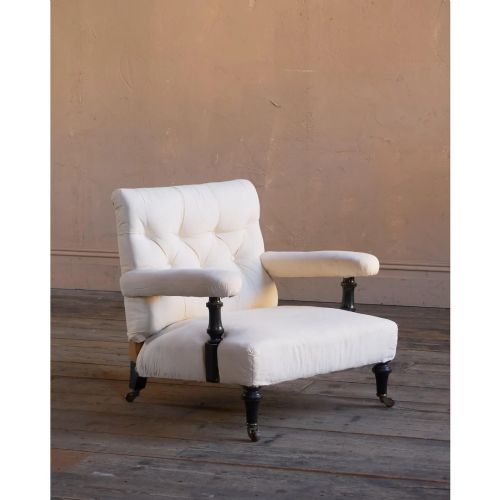
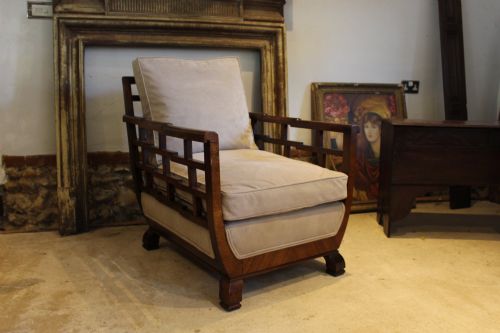
The selections available range from Victorian button-upholstered drawing room chairs and Edwardian deep-seated designs to streamlined 1930s Art Deco club chairs. Buyers frequently encounter pieces influenced by French Napoleon III styles, Swedish Art Deco satin birch frameworks, and Georgian revival interpretations.
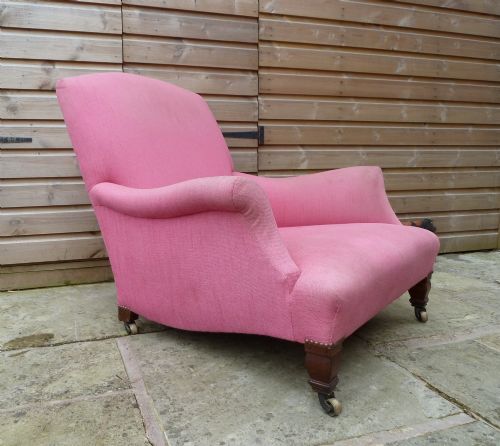
Makers and workshops including Heals and Howard and Sons contribute to the diverse typology, while simpler farmhouse or Scottish school fireside chairs offer alternative expressions. Each iteration balances structural timber with soft padding to create an inviting domestic seat.
Materials and construction methods
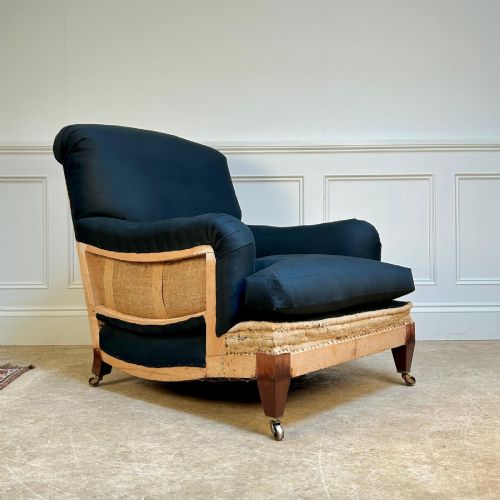
Frames rely on sturdy timbers such as mahogany, walnut, oak, elm, and satin birch, providing the rigid skeleton necessary to support heavy padding and constant use. Brass details occasionally appear as castors or structural mounts on nineteenth-century examples.
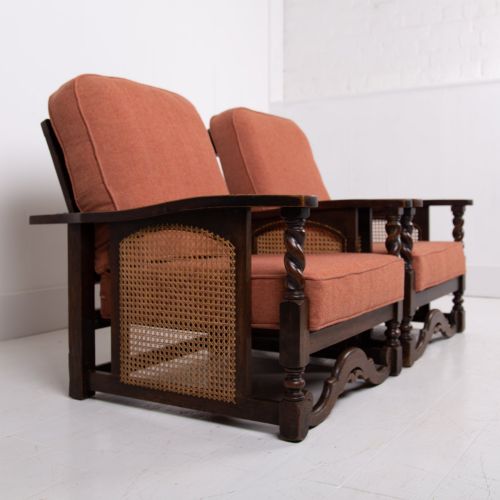
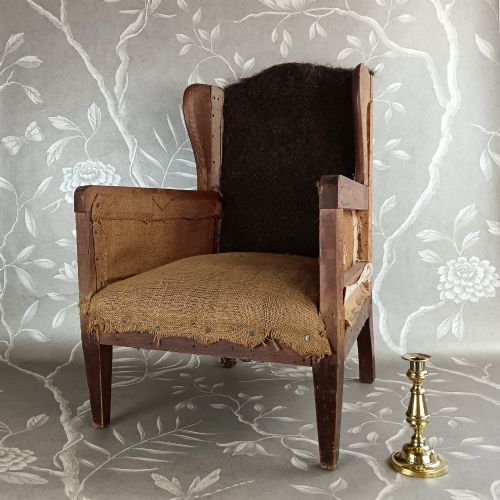
Traditional upholstery builds comfort through layers of hessian, horsehair, and springs, enclosed beneath top coverings of velvet, leather, calf suede, or patterned fabric. Bentwood techniques also shape specific modernist frames, while split cane inserts adorn select bergere models.
Several child-sized wingback chairs survive from the early twentieth century, offering miniature comfort for pint-sized Victorians.
Judging quality in upholstered seating
The integrity of the underlying timber frame dictates the longevity of the piece, with solid hardwoods and tight joinery separating superior seating from lesser examples. Frames that remain firm without wobble or excessive squeaking indicate careful initial carpentry.
The execution of the upholstery work, from hand-tied springs to precise buttoning and fabric alignment, reveals the standard to which the chair was finished. Original leather or well-chosen textile coverings that complement the proportions of the frame elevate the piece further.
Howard And Sons·Heals·Mellier And Co
The Vintage Upholstered Easy Chair Glossary
- Bergere
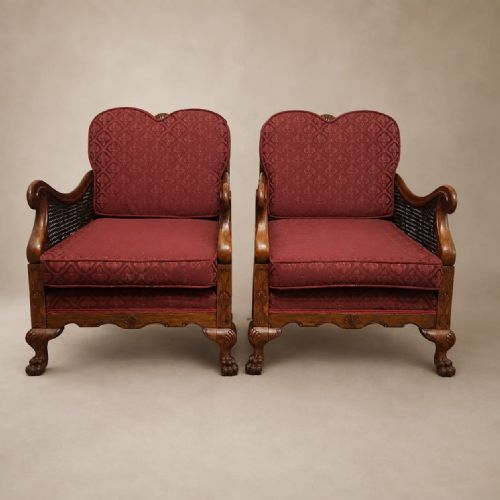
- An upholstered armchair with enclosed cane work sides and back. This French-inspired form gained popularity during the early twentieth century.
- Club chair
- A deep, comfortable armchair featuring low arms and thick cushioning. These chairs often emerge from the Art Deco period wrapped in leather or heavy fabric.
- Spoon back
- A padded chair back shaped like the bowl of a spoon to support the human spine. This contour is characteristic of Victorian parlour seating.
- Tub chair
- A curved, semicircular chair where the arms wrap continuously into the backrest. It provides a compact and enclosed sitting experience.
- Wingback
- An armchair with high side panels designed to shield the sitter from draughts. Georgian and Victorian iterations remain enduringly sought after.
Vintage Upholstered Easy Chair: Frequently Asked Questions
How do I date a vintage easy chair?
Dating relies on observing the timber species, framing style, and upholstery methods visible beneath the fabric. Victorian pieces often display dark mahogany or walnut with buttoning, whereas 1930s examples favour satin birch and streamlined Art Deco geometries.
Examining internal webbing, castors, and construction marks helps narrow the decade of production. Comparing the silhouette against known revival styles also clarifies the era of manufacture.
Are these chairs suitable for daily use?
Most vintage easy chairs are built around robust timber frames designed for everyday seating. Updating internal webbing and cushioning ensures modern comfort while preserving the antique frame.
Selecting durable surface fabrics such as heavy wool, leather, or velvet helps the chair withstand frequent use. Professional reupholstery breathes new life into tired nineteenth and twentieth-century frames.
Can I find matching pairs of armchairs?
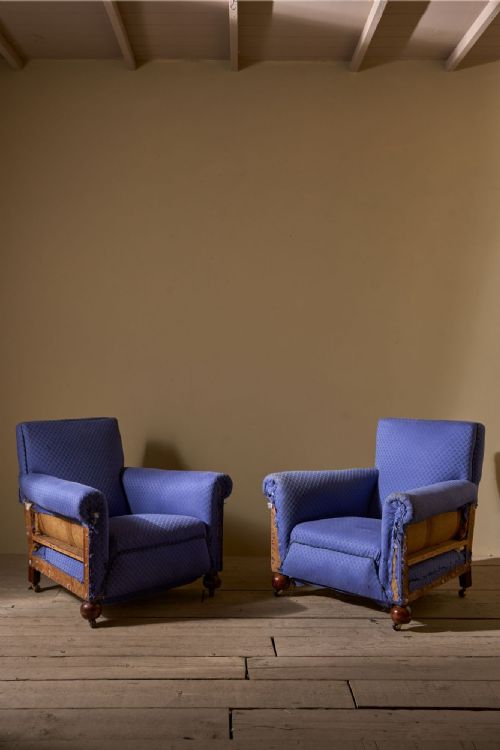
Matching pairs appear frequently among nineteenth and twentieth-century inventory, particularly in French Napoleon III, Art Deco, and Swedish designs. Sourcing a pair provides symmetrical balance for placement flanking a fireplace or sofa.
Pairs often share identical timber frames, upholstery configurations, and decorative details like fringe or piping. Checking the dimensions of both pieces ensures they sit harmoniously within a shared space.