

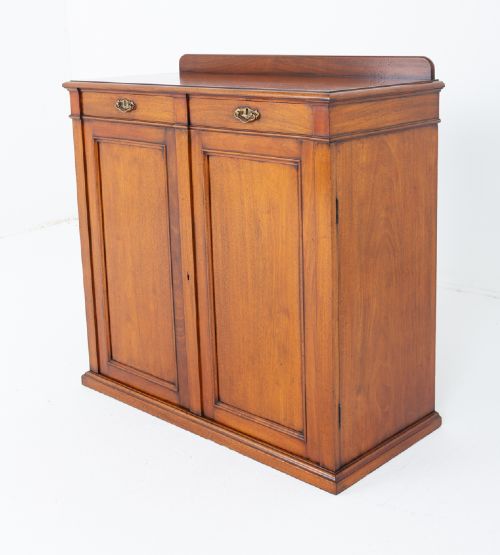
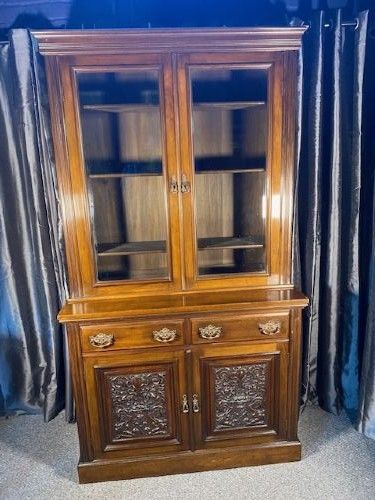
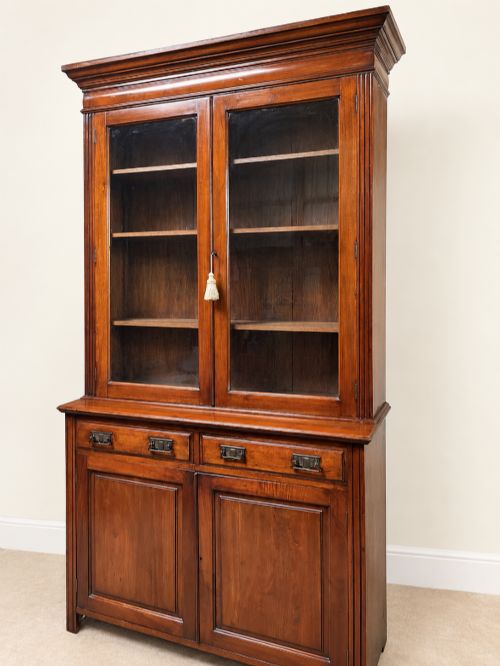
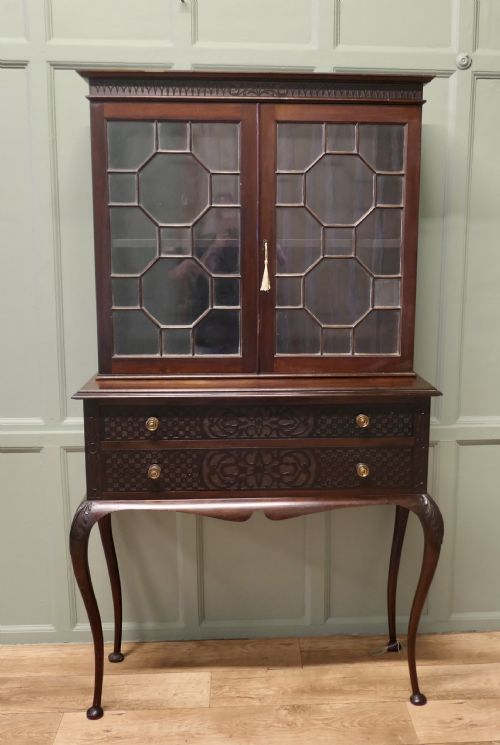
Vintage Two Door Bookcase
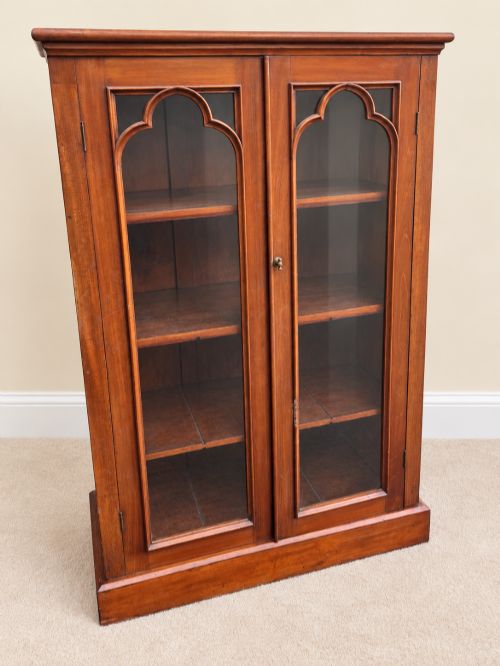
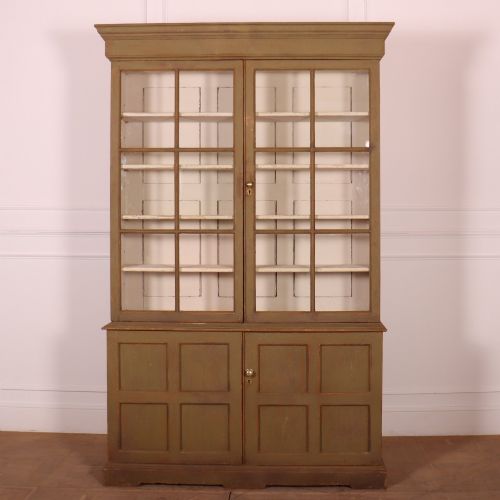
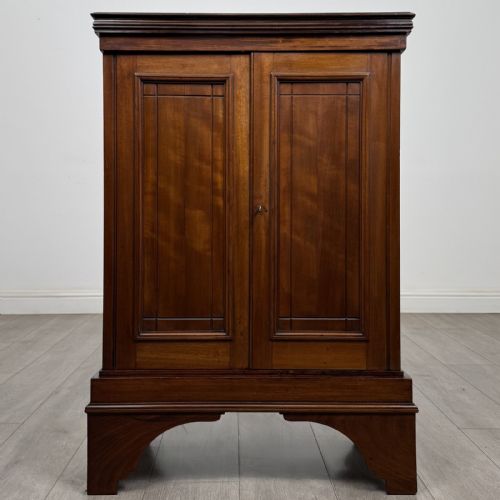
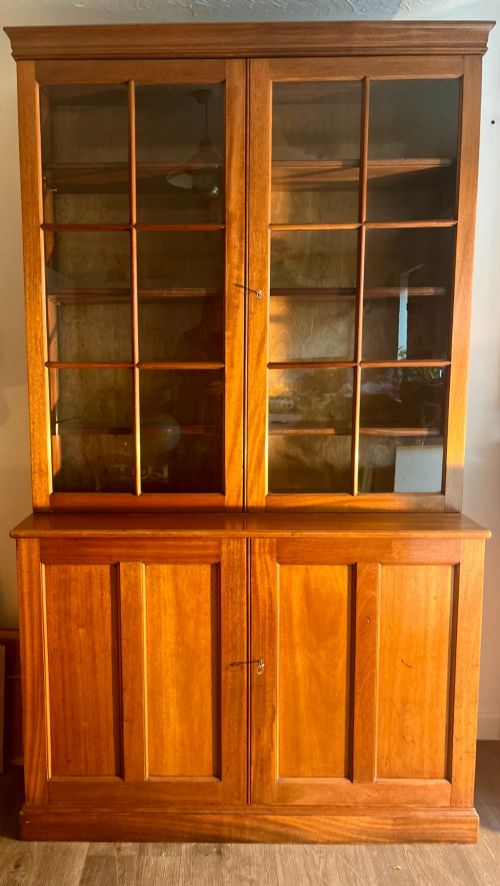
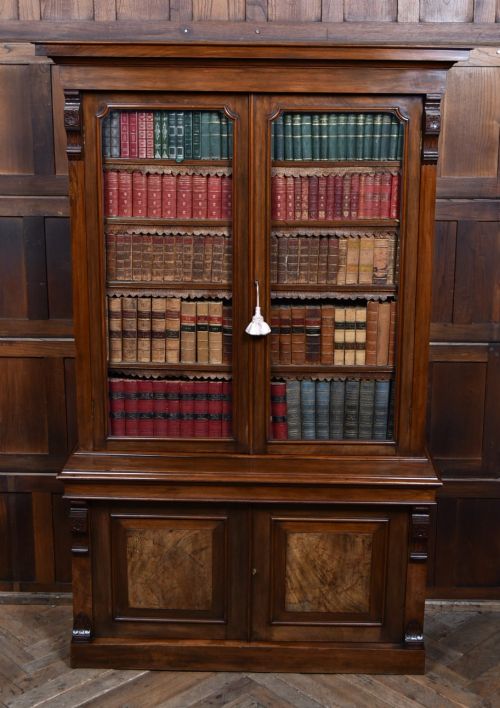
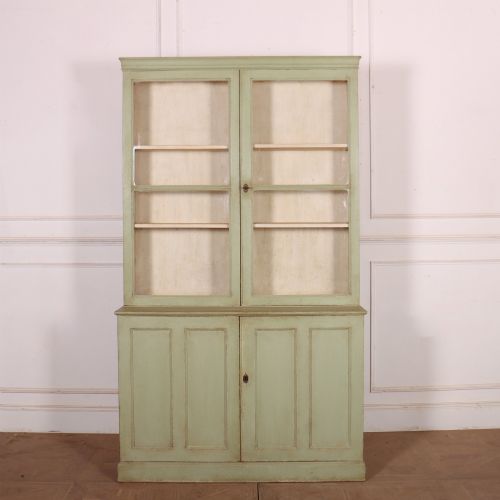
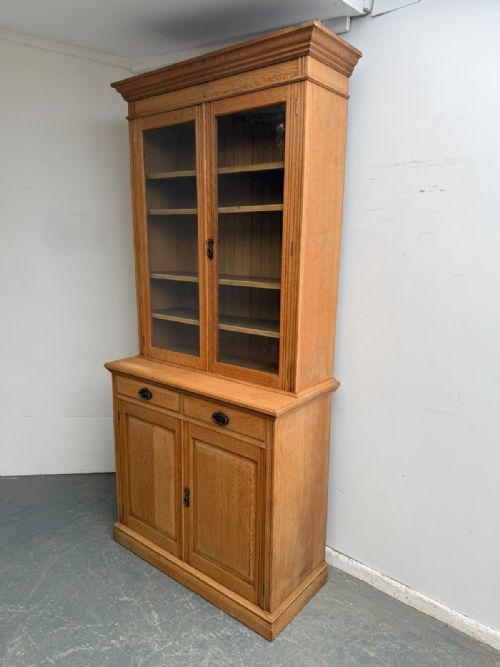
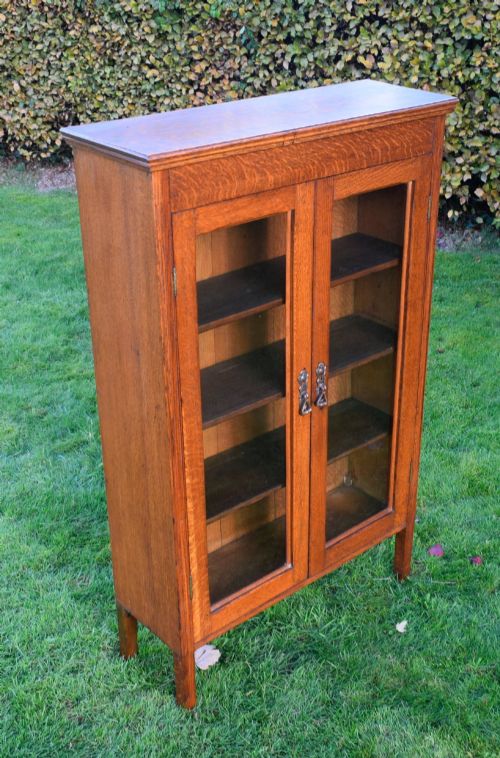
A vintage two door bookcase offers practical library storage, bringing period timber and glass into a sitting room or study.
Vintage Two Door Bookcase
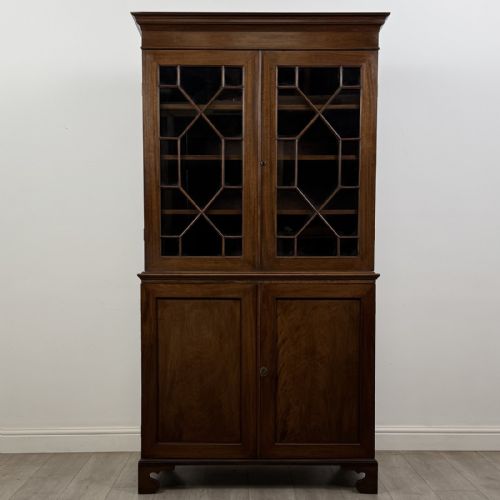
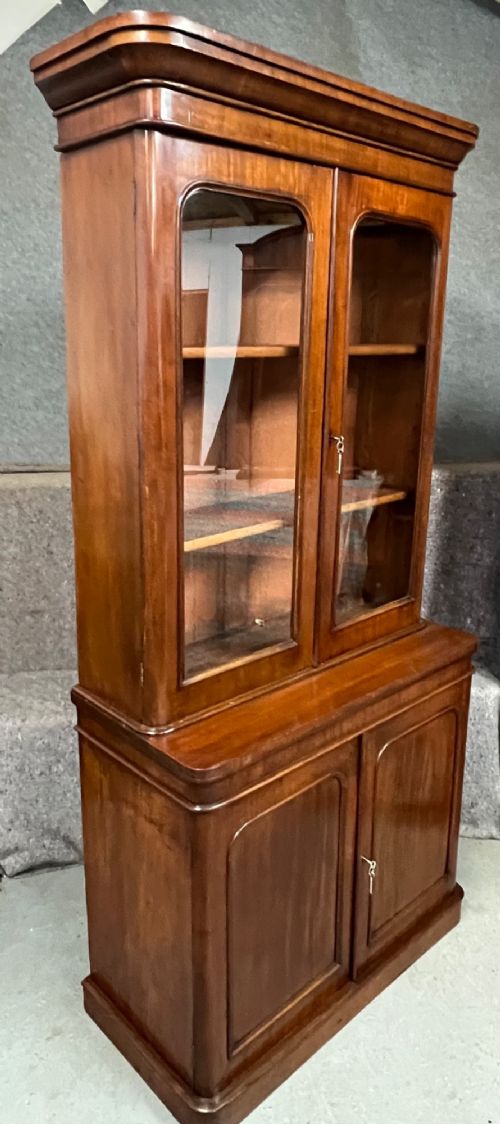
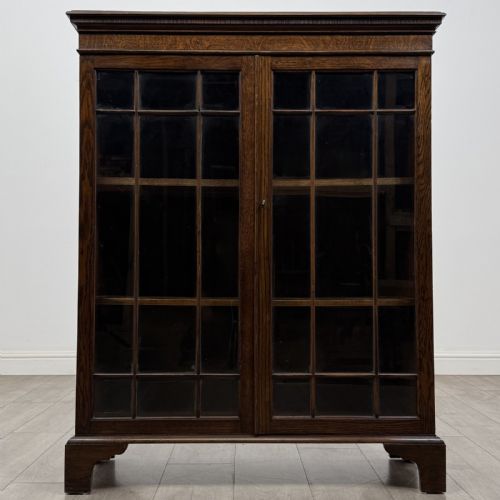
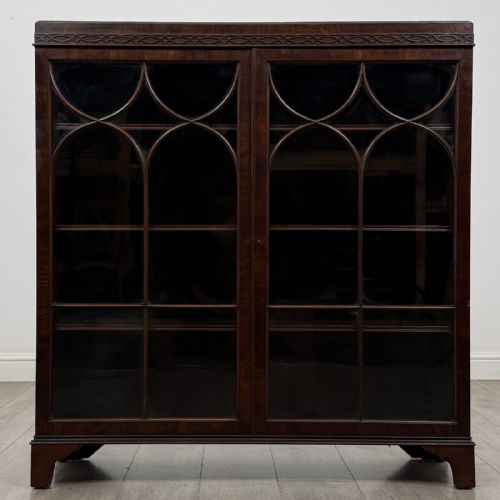
A vintage two door bookcase combines shelving and glazed display space behind twin timber-framed doors, often set atop a lower cabinet or drawer base. When you search for a vintage two door bookcase, you encounter pieces spanning from the Regency and Victorian eras through to the Edwardian period and the nineteen-thirties.
Mahogany and oak dominate the selection, appearing alongside burr walnut, pine, and rosewood. The structural formats range from tall library pieces with swan neck pediments to low Edwardian display cabinets and two-part kitchen dressers fitted with glazed upper sections.
Most examples hail from British workshops, though French and regional variations also emerge in the listings. These cabinets serve equally well for holding bound volumes or exhibiting china and curiosities behind protective glass.
Distinction in Craftsmanship
Quality reveals itself in the selection of timber veneers and the precision of the glazing bars on the doors. Finer cabinets display carefully matched wood grains across the twin doors and incorporate sophisticated details like carved panels or swan neck pediments.
The integrity of the internal shelving and the smoothness of the door action separate standard utility furniture from exceptional showroom pieces. Heavier carcases with fitted cupboards and substantial brass hardware represent the upper tier of period production.
Vintage Two Door Bookcase Retail Price Guide 2026
Typical asking prices for vintage two door bookcase among the pieces listed under this phrase on Sellingantiques today, from the lower quarter to the upper quarter. They describe what is for sale here now, not the wider market.
Listings feature oak and mahogany predominantly, spanning the nineteenth and early twentieth centuries alongside walnut and pine variants.
Maple & Co.
The Vintage Two Door Bookcase Glossary
- Astral Glazed
- Windows divided into smaller glass panes by wooden framing bars known as astragals. This technique creates a lighter visual appearance on large bookcase doors.
- Swan Neck Pediment
- A broken arch top moulding featuring opposing curved scrolls that finish in outward turns. This decorative architectural feature crowns taller Victorian bookcases.
- Burr Walnut
- Timber taken from the gnarled growth on a walnut tree, producing swirling, highly decorative grain patterns. Cabinetmakers applied this as a veneer to highlight premium surfaces.
- Vitrine
- A glass-fronted display cabinet used primarily for showcasing ornaments and fine china rather than books. These pieces often feature glazed side panels alongside the main doors.
Vintage Two Door Bookcase: Frequently Asked Questions
How do I date a bookcase?
Examine the timber species, construction joints, and decorative styles visible on the piece. Victorian examples often feature heavy mahogany with architectural pediments, whereas nineteen-thirties pieces tend towards simpler oak or burr walnut designs.
Hardware and glass type also offer clues to the period of manufacture. Hand-blown glass panes and brass locks correspond to earlier centuries, while machine-rolled glass and simpler fittings point to Edwardian and later twentieth-century production.
Are the shelves adjustable?
Many period bookcases feature fixed wooden shelving supported by fixed wooden fillets inside the carcase. This traditional setup reflects the uniform sizing of historical book collections.
Some later Edwardian and twentieth-century versions incorporate rack-and-pinion or metal peg systems to allow height adjustment. Checking the interior sides reveals whether the shelf supports are removable.
Can these hold heavy books?
Solid mahogany and oak carcases provide robust structural support for heavy volumes. The thickness of the timber shelves determines how much weight they bear without sagging over time.
Heavier theological or reference books sit best on the deeper lower shelves of two-part bookcases. Upper glazed sections suit lighter octavos and display items.
How should I clean the wood?
Dust the exterior timber regularly with a soft, dry cloth to prevent grit accumulation. Apply a quality beeswax periodically to nourish polished mahogany and oak surfaces.
Avoid silicone-based sprays or excessive moisture, which can damage antique French polish or waxed finishes. Gentle cleaning preserves the natural patina built up over decades of use.