




Vintage Tree Drawing
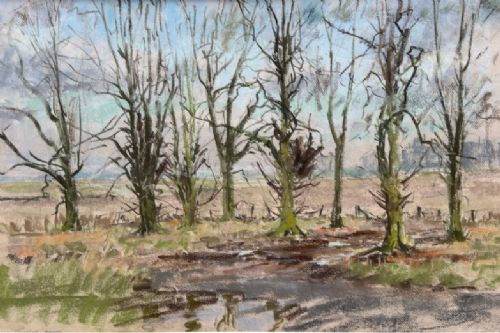
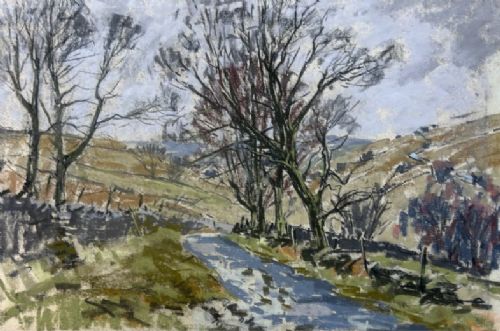
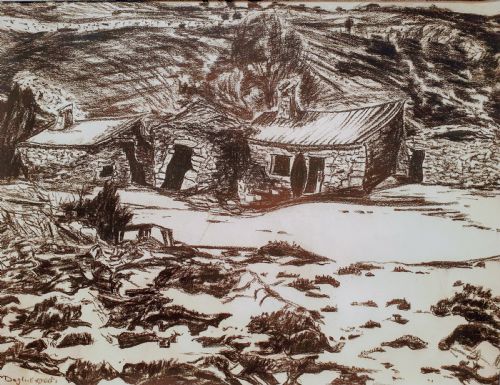
These vintage tree drawing works capture woodland scenes, river landscapes, and orchards across paper using ink, pastel, and watercolour.
Vintage Tree Drawing
When you search for vintage tree drawing, you encounter works on paper executed in mediums like ink, charcoal, pastel, and watercolour pigment. These pieces span from the nineteenth century through the 1930s, 1950s, and 1960s, capturing natural landscapes and woodland scenes.
The selections available here range from Victorian landscape art and early twentieth-century pieces to Canadian impressionism, modern British works, and mid-century French sketches. You are most likely to meet framed artwork and drawings depicting natural settings such as the Thames Valley, French olive trees, and Yorkshire farmhouses.
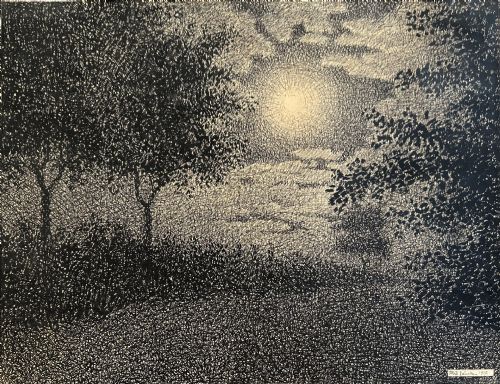
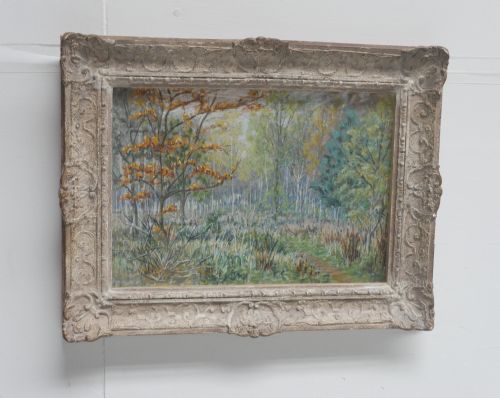
Subjects vary from moody moonlit landscapes and woodland interiors to specific botanical studies and structural tree portraits. Each work presents a distinct approach to capturing foliage, branches, and the play of light through a wooded environment.
How they were made
Artists utilise paper as the primary support, applying materials such as dark charcoal, compressed pastel sticks, and fluid ink lines. Many pieces combine pen and ink work with washes of watercolour pigment to build depth across the botanical subjects.
Framing often involves wood mouldings and protective glass panes to preserve the fragile works on paper from environmental degradation. The application of two-coloured ink lines and soft pastel blending demonstrates traditional draughtsmanship across the nineteenth and twentieth centuries.
Vintage Tree Drawing Retail Price Guide 2026
Typical asking prices for vintage tree drawing among the pieces listed under this phrase on Sellingantiques today, from the lower quarter to the upper quarter. They describe what is for sale here now, not the wider market.
Listings feature works on paper spanning the 19th century through the 1960s, executed in charcoal, pastel, ink, and watercolour pigment.
What varies in quality
The strength of line work, control of washes, and confidence in capturing organic forms separate the finest drawings from simpler student sketches. Skilled draughtsmanship is evident in how an artist renders the intricate branching of an oak or the twisting trunk of an olive tree.
Condition of the paper and the preservation of pigment vibrancy under glass also influence the character of each piece. Works that retain their original tonal contrast in charcoal or ink offer a more compelling visual presence.
Alfred Young Nutt·Berthe des Clayes·Fred Lawson·Francis Frank O A Haviland
The Vintage Tree Drawing Glossary
- Watercolour pigment
- A water-soluble paint applied in transparent washes to paper, allowing light to reflect from the white surface beneath.
- Charcoal
- A dry drawing material made from burnt organic matter, producing rich dark marks that blend easily for atmospheric shadow.
- Pastel
- A medium consisting of powdered pigment and a binder, applied in dry sticks to create velvety textures and soft colour transitions.
- Works on paper
- A collective category encompassing drawings, watercolours, sketches, and pastels executed on paper supports.
Vintage Tree Drawing: Frequently Asked Questions
How should I hang works on paper?
Keep framed drawings away from direct sunlight to prevent the ink, pastel, and watercolour pigments from fading over time. Ensure the room humidity remains stable to protect the paper support and wooden frame.
Use professional framing with acid-free mounts to prevent the paper from touching the glass directly. This preserves the condition of nineteenth and twentieth-century pieces.
What periods do these drawings cover?
The selection includes pieces created from the nineteenth century through the 1910s, 1930s, 1950s, and 1960s. Styles range from Victorian landscape art to mid-century French modernism.
Each era brings distinct techniques, from detailed nineteenth-century topographical ink studies to looser mid-century impressionist pastel interpretations of trees and woodlands.
Are these pieces original works?
The listings feature hand-drawn and painted works rather than mass-produced prints. Artists applied direct marks using ink, charcoal, pastel, and watercolour onto paper supports.
Signatures, dates, and inscriptions on pieces like the Fred Lawson drawings provide direct links to the artist's working process and location.
What framing comes with the art?
Many works arrive protected behind glass within wooden frames suited to their period style. This protects the delicate charcoal, pastel, and paper surfaces from dust and handling.
Framing styles vary from simple modern mouldings to period frames that complement the age of the nineteenth or twentieth-century artwork.