




19th Century Wooded Landscape
When you search for a 19th century wooded landscape, you seek a painted window into pastoral scenery created during the Victorian and Regency periods.
19th Century Wooded Landscape
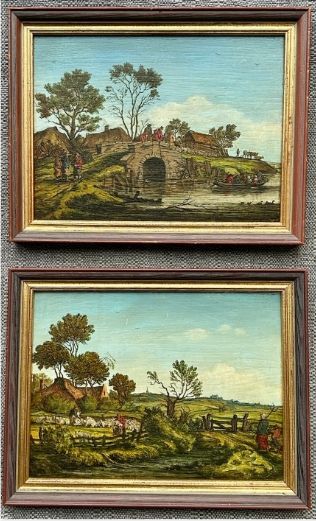
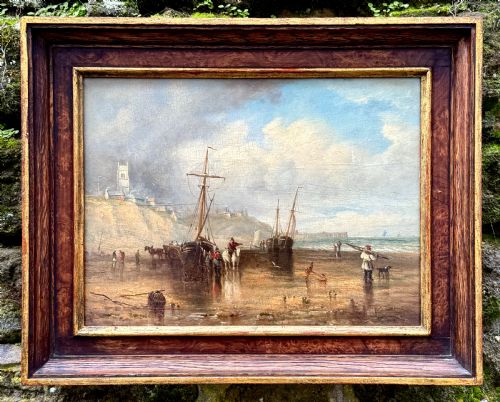
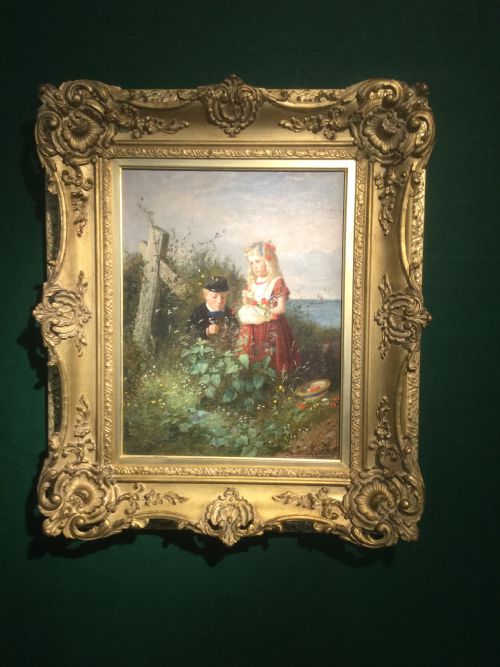
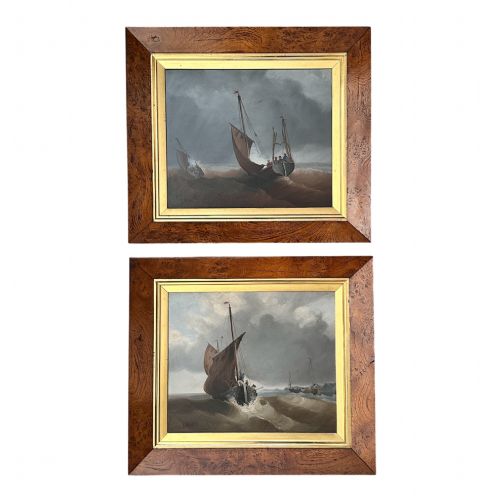
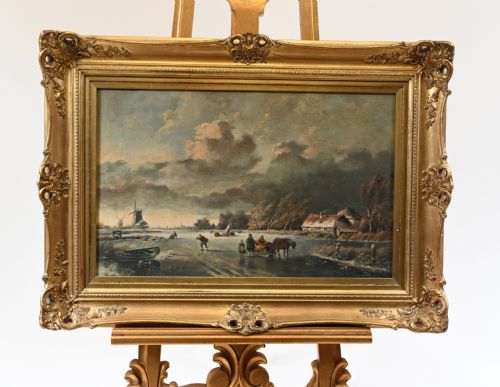
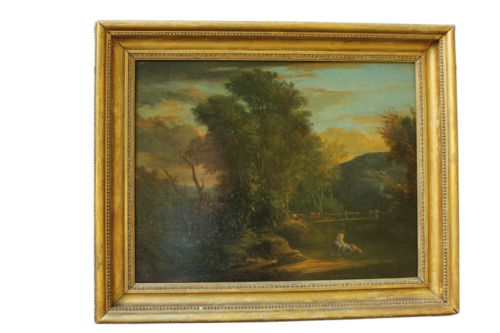
A 19th century wooded landscape typically takes the form of an oil painting on canvas or wood panel, framed in gilt wood or gesso. These works capture rivers, glens, and pastoral paths through English, Scottish, and continental schools.
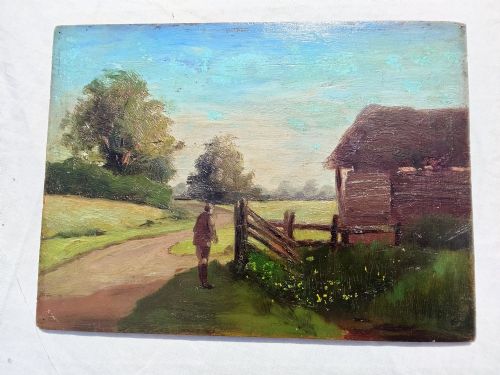
Buyers encounter both intimate cabinet paintings on wooden boards and larger canvas works bearing signatures from regional artists. Many examples place figures, bridges, or livestock within the canopy of trees to establish scale and narrative depth.
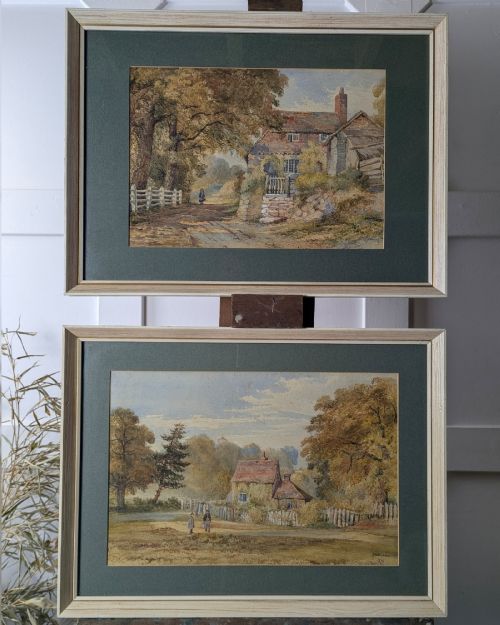
Alongside oils, the selection incorporates watercolours and framed prints depicting river views and rustic settings. These paper works offer a lighter alternative to heavy canvas pieces while retaining period character.
How They Were Made
Artists applied oil paint to primed canvas or prepared wooden panels, utilising brushwork that balanced fine detail with atmospheric foliage. Pigments were layered to create deep greens and browns characteristic of forest scenes.
Frames play a structural and aesthetic role, constructed from carved wood and finished with gesso and gilt. These frames often match the period of the painting, utilising traditional moulding and ornamental details.
What Varies In Quality
Quality rests in the handling of light and perspective within the painted canopy, separating accomplished artists from decorative practitioners. Skilled brushwork brings depth to foliage and water, while weaker examples rely on formulaic repetition.
The integrity of the support and original frame influences the overall standing of a piece. Unlined canvases and untouched wooden panels combined with period gilt frames command greater interest than heavily restored alternatives.
Thomas Creswick·John Moore of Ipswich·Clarence Henry Roe·Frederick James Knowles·Benjamin Williams Leader·William Mellor
The 19th Century Wooded Landscape Glossary
- Canvas
- A heavy woven fabric stretched across a wooden stretcher to serve as a painting surface. It provides texture and flexibility for oil applications.
- Gesso
- A plaster mixture applied to wood frames to create a smooth surface for gilding. It allows for crisp carved details and ornamental relief.
- Panel
- A flat piece of wood used as a rigid support for oil paintings. Artists frequently utilised mahogany or oak boards for smaller landscape works.
- Oil Paint
- Pigment mixed with drying oil that permits slow blending and rich colour saturation. It remains the dominant medium for nineteenth-century scenic art.
19th Century Wooded Landscape: Frequently Asked Questions
How do I identify a nineteenth-century painting?
Examine the canvas weave, stretcher construction, and panel preparation, which differ significantly from modern machine-made materials. Pigment analysis and artist signatures also provide reliable chronological markers.
Look closely at the reverse of the piece for old framer stamps, exhibition labels, or inscriptions written in period handwriting. These secondary clues frequently confirm the date and geographic origin of the work.
Where should I hang a landscape oil painting?
Select a wall with stable ambient temperature and humidity, away from direct sunlight and heat sources. Natural indirect light highlights the texture of the oil paint and the detail of the gilt frame.
Ensure the hanging hardware matches the weight of the piece, particularly for heavy wooden frames and large canvases. Secure wall anchors protect both the artwork and the plaster.
What is the difference between canvas and panel?
Canvas offers a flexible woven support that responds to atmospheric changes by tightening or loosening over its wooden stretcher. It suits larger compositions and exhibits a characteristic textural weave beneath the paint surface.
Wooden panels provide a rigid, unyielding surface favoured for smaller cabinet paintings because they resist warping when properly seasoned. They allow for finer brushwork and crisp detail.
How do I care for a gilt wood frame?
Dust the carved and gilded surfaces gently with a soft, dry brush to prevent particulate buildup in the crevices. Avoid all liquid cleaners and chemical solvents, which strip the delicate gold leaf.
Keep frames away from damp environments and extreme temperature fluctuations to prevent the underlying gesso from cracking or separating from the wood base.