


Vintage Toy Horse Sculpture
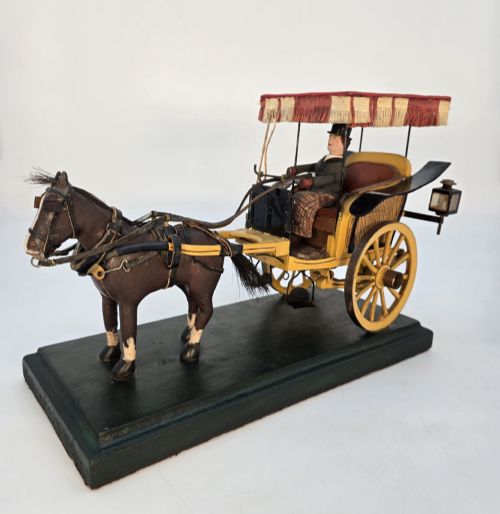
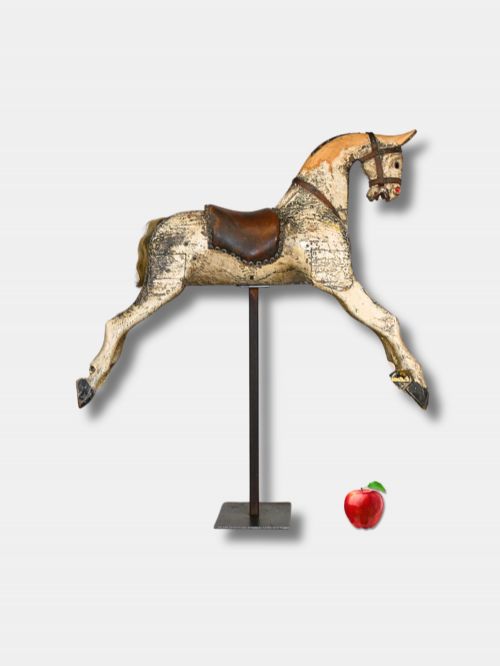
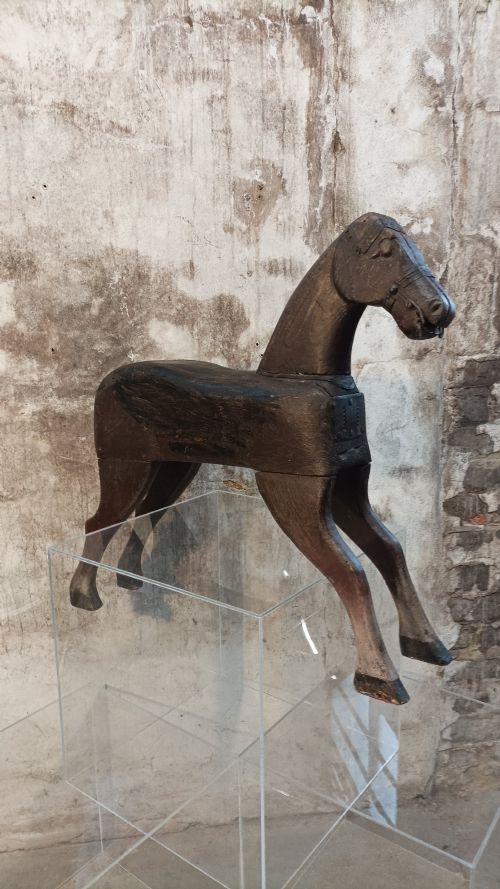
A vintage toy horse sculpture brings centuries of folk art character into a room through carved wood, painted surfaces, and simple leather harness details.
Vintage Toy Horse Sculpture
When you search for a vintage toy horse sculpture, you encounter handmade objects ranging from naive primitive carvings to substantial rocking horses on stands. These pieces encompass decorative sculptures, folk art models, and antique pull along toys created across the eighteenth, nineteenth, and early twentieth centuries.
The versions you meet most frequently on this page are nineteenth century wooden examples, often displaying original paint and traditional folk art characteristics. Makers worked primarily in carved wood, creating both static decorative sculptures and dynamic rocking horses that reflect British and Spanish vernacular traditions.
Materials and construction
Makers shaped these sculptures from solid wood, utilising carved timber bodies often finished with layers of hand applied paint. Many pieces integrate additional elements like horsehair manes, iron fittings, leather straps, and fabric components to complete the equine form.
Construction methods range from scratch built folk art models to substantial rocking horses mounted on wooden stands. The surfaces typically show the tool marks of the carver and the natural wear of early paint layers accrued over decades of use.
Some nineteenth century horses still wear their original harness paint, having survived countless imaginary journeys across Victorian nursery floors.
Assessing quality and character
Quality in these sculptures rests upon the expressive naivety of the carving and the integrity of the original surface finish. Pieces that retain their early painted decoration and authentic harness details hold a stronger visual presence than those stripped or overly restored.
The structural ambition of the piece also dictates distinction, separating simple pull along toys from complex scratch built carriages with drivers or large rocking horses on stands. Stronger examples display confident proportions and untouched patination developed through age.
G J Lines
The Vintage Toy Horse Sculpture Glossary
- Folk art
- Artistic work created within a traditional culture by self taught makers, often displaying primitive charm and unacademic proportions. These objects prioritise practical or decorative utility over formal academic rules.
- Pull along toy
- A children's plaything mounted on a base with wheels or runners, designed to be towed across the floor by a string. They frequently feature simple wooden construction and sturdy iron fixings.
- Patina
- The surface sheen and coloration developed through years of handling, ageing, and exposure to light. This quality distinguishes genuine historic pieces from modern reproductions.
- Rocking horse
- A carved wooden equine figure mounted on bow shaped rockers or a safety stand, designed for children to ride. Nineteenth century examples often showcase detailed harness work and horsehair manes.
Vintage Toy Horse Sculpture: Frequently Asked Questions
What is a folk art horse sculpture?
A folk art horse sculpture is a hand carved wooden figure created by traditional artisans rather than factory producers. These pieces often feature simplified anatomical forms and charming naive details.
They serve purely decorative purposes today, bringing historic texture and warmth into domestic interiors.
How old are these wooden horses?
The pieces listed span from the eighteenth century through to the early twentieth century. Most examples originate from the nineteenth century, reflecting Victorian and Georgian vernacular traditions.
Material wear, tool marks, and early paint layers help indicate their age and historic authenticity.
What materials did makers use?
Makers relied primarily on carved wood for the main body of the sculpture, often finishing the surface with traditional paint. Additional elements frequently include horsehair for tails and manes, leather for harnesses, and iron for structural fixings.
Fabric and textiles occasionally appear on carriage models and pull along toys.