
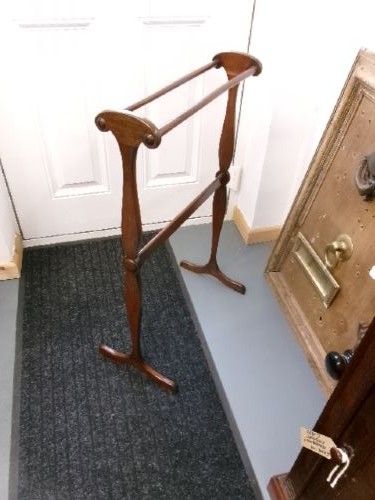
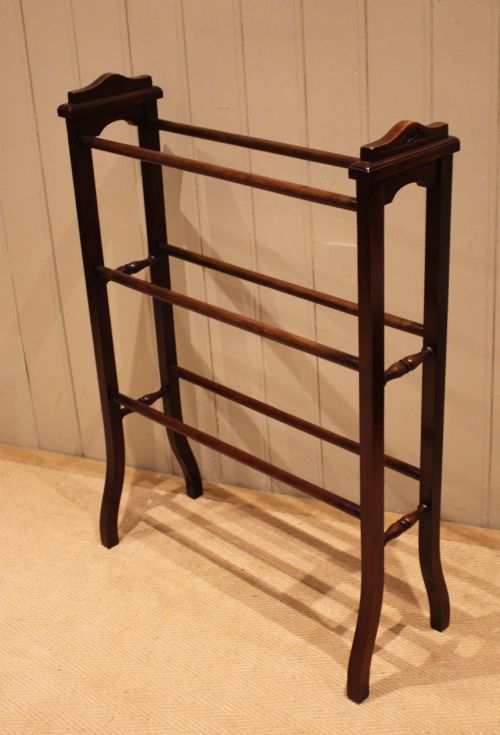
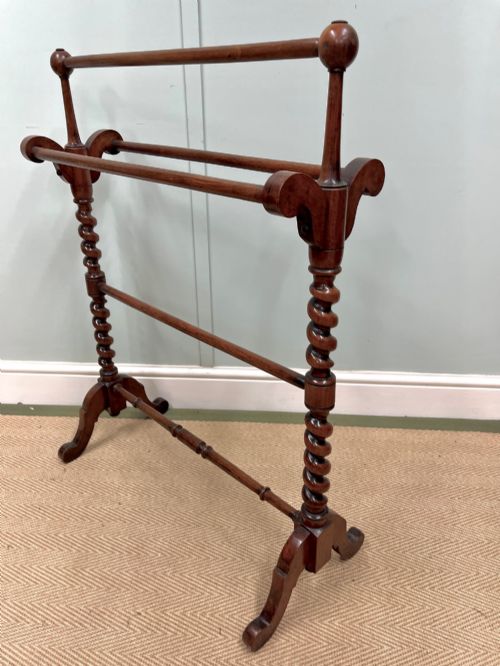
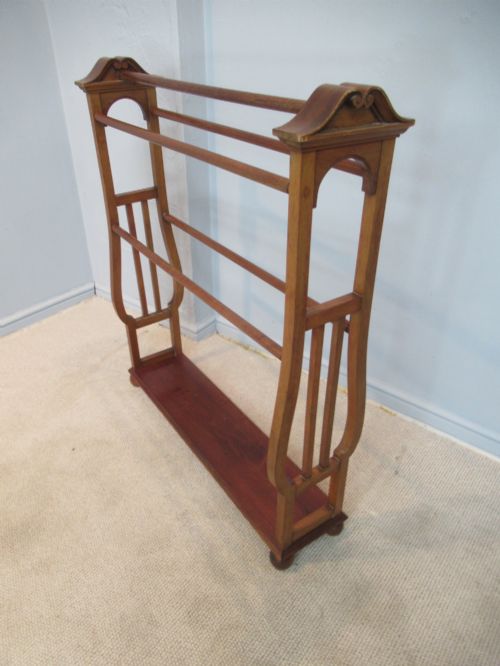


Vintage Towel Stand
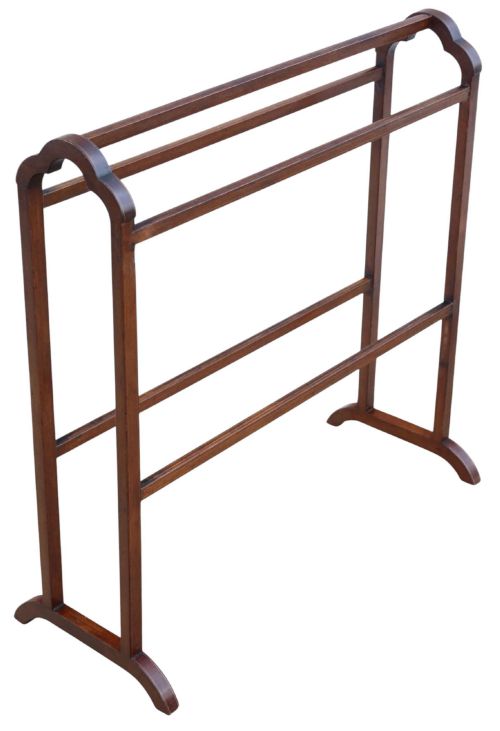
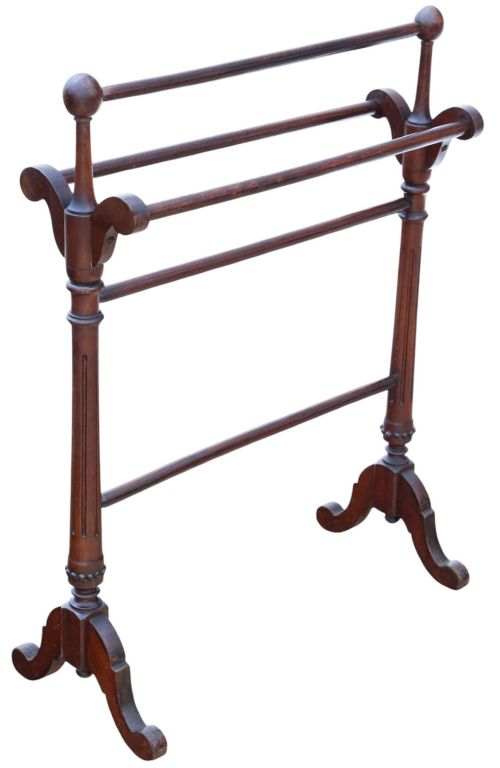
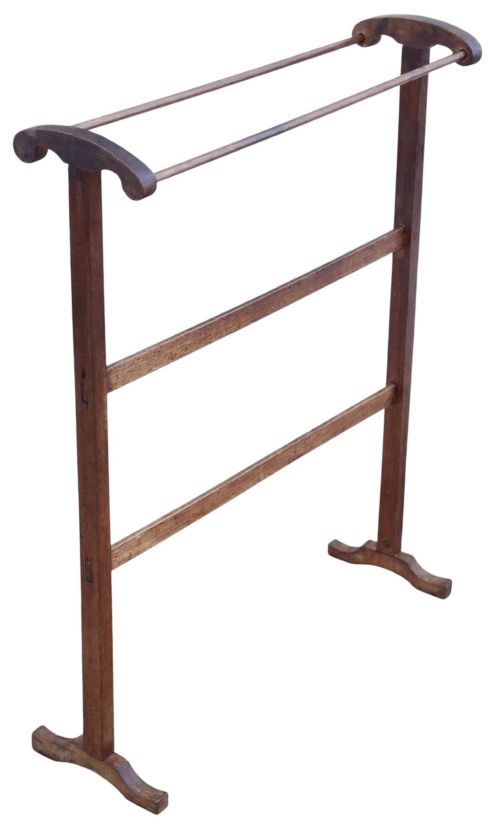
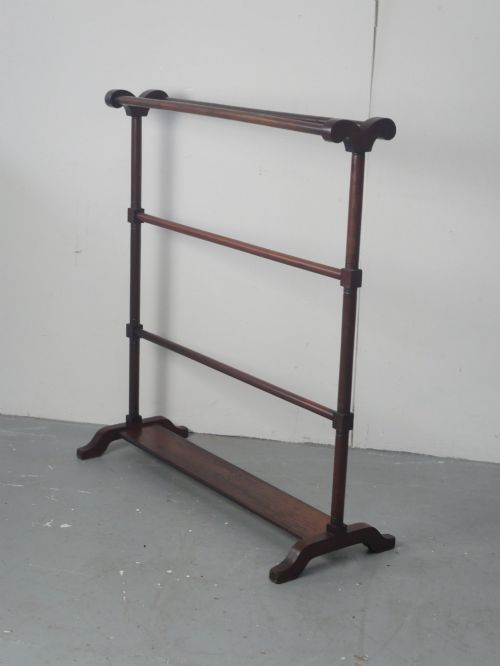
A vintage towel stand offers practical elegance for hanging linens, appearing mostly in mahogany during the Edwardian and Victorian periods.
Vintage Towel Stand
When you search for a vintage towel stand, you examine practical domestic items designed for bedrooms, bathrooms, and dressing rooms. The selection on this page leans heavily towards freestanding wooden rails produced across the nineteenth and early twentieth centuries.
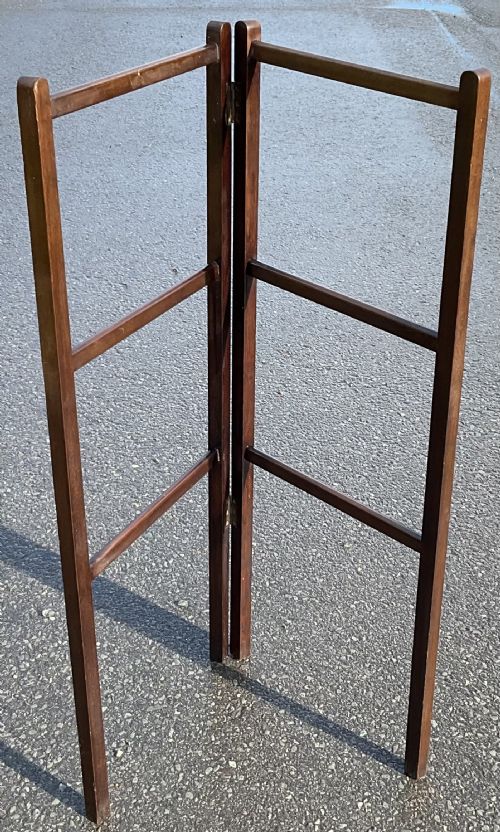
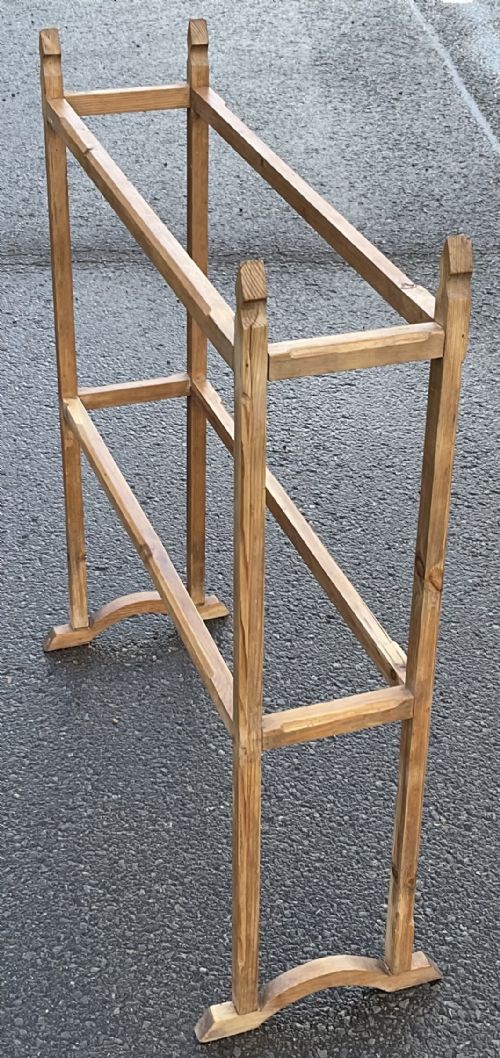
Mahogany dominates the offerings, alongside oak, pine, walnut, and elm. Forms range from simple three-fold and five-bar rails to larger clothes racks, washstands, and occasional hall stands or robe stands.
You will encounter pieces from the Regency era through to the Edwardian period, including specific styles like Victorian Gothic Revival and Arts and Crafts. These items provide functional hanging space while displaying the characteristic cabinet-making methods of their respective decades.
How they were made
Cabinet makers utilised solid hardwoods such as mahogany, oak, and walnut, frequently selecting pine and elm for utility items. Construction involved traditional joinery to ensure stability under damp linens, using turned uprights and joined crossbars.
Surface ornamentation included satinwood inlay, black ebonised finishes, and carved details. Some finer examples incorporated lacquer work or applied decorative mouldings, while simpler country house pieces relied on clean turned timber.
Some Edwardian folding rails possess five separate bars, proving that our ancestors took the organisation of morning flannels very seriously indeed.
What varies in quality
The standard of timber selection sets individual pieces apart, with finely figured mahogany and dense oak sitting above utilitarian pine. Superior examples display crisp turning on the uprights and tight, enduring joinery that prevents the side rails from wobbling.
Refined detailing elevates certain items, such as delicate satinwood stringing, inlaid panels, or well-executed proportions. Scale also dictates utility, with larger five-bar rails and generous multi-fold configurations offering more presence than modest single-bar alternatives.
The Vintage Towel Stand Glossary
- Towel rail
- A freestanding wooden frame with horizontal bars designed for airing and hanging hand and bath towels. These fixtures were standard bedroom furniture before wall-mounted plumbing became common.
- Clothes horse
- A folding wooden frame used for drying garments or linens near a heat source. Larger versions often feature multiple hinged panels.
- Washstand
- A piece of furniture holding a basin and jug for washing, frequently incorporating towel rails or lower shelves. They date primarily from the Victorian and Edwardian eras.
- Ebonised
- Wood treated with a chemical stain or finish to imitate ebony. This dark, formal treatment appears on nineteenth-century pieces.
- Satinwood inlay
- Contrasting blonde timber inserted into recesses on a darker wood surface to create decorative borders or motifs. This technique is typical of Edwardian cabinet work.
Vintage Towel Stand: Frequently Asked Questions
How were towel stands used originally?
These pieces stood in bedrooms and dressing rooms to hold linens and garments before central heating and fitted bathrooms existed. Household staff draped freshly laundered towels over the rails to air them near fires.
Today, they serve a similar practical function in modern bathrooms and bedrooms while adding period character to the interior.
How do I date a vintage towel stand?
Dating relies on timber choice, construction methods, and stylistic details visible in the frame. Regency and early nineteenth-century pieces often feature heavier mahogany proportions, while Edwardian examples frequently showcase inlaid satinwood.
Comparing the turned uprights and foot styles to known period furniture helps narrow down the decade of manufacture.
Are folding rails practical for daily use?
Multi-fold designs provide flexible hanging space that can expand or contract depending on the room size. The hinges allow the frame to be positioned flat against a wall or angled for stability.
Checking the rigidity of the joints ensures the wood can support the weight of damp bath sheets without strain.
What is the difference between a rail and a clothes rack?
Towel rails generally focus on lower horizontal bars for smaller linens, whereas clothes racks and robe stands offer greater height and broader proportions. Chinese robe stands and large English clothes horses provide substantial frames for garments.
Selecting between them depends entirely on the available floor space and the intended items to hang.