



Vintage Tobacco Case
A vintage tobacco case holds the small implements of a traditional smoke, carrying history in silver, wood or leather.
Vintage Tobacco Case
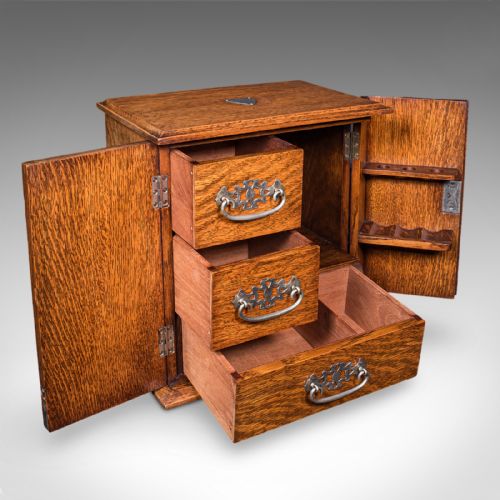
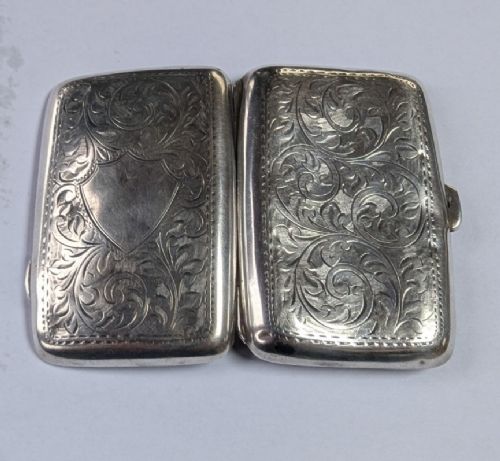
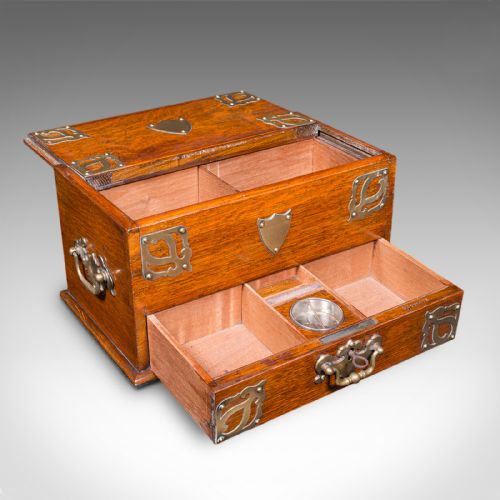
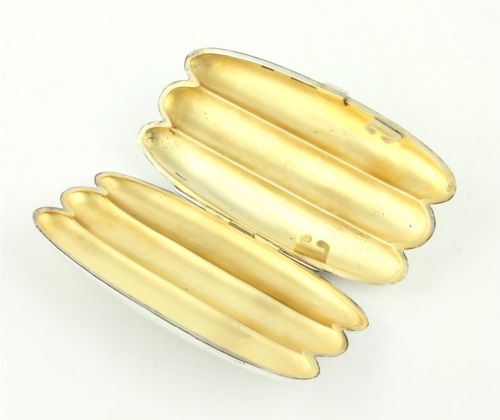
A vintage tobacco case encompasses a broad group of pocket containers and tabletop boxes designed for cigars, cigarettes, snuff and pipes. The selection on this page leans heavily towards pocket-sized sterling silver cigarette and cigar cases, alongside larger Edwardian smoking cabinets and wooden boxes.
Origins stretch from Victorian workshops through the Edwardian era and into Art Deco and Soviet periods, reflecting changing social habits in smoking. Forms range from slim silver tubes to substantial oak and brass cabinets meant for the club lounge or study.
Buyers will encounter materials spanning precious metals, briar wood, oak, amber and leather, often marked by the distinct design movements of their decade of manufacture.
Materials and construction methods
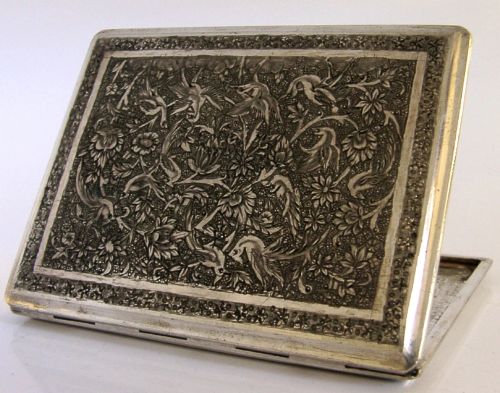
Metal pieces rely on sterling silver, silver plate, brass and gold, shaped through casting, stamping and hand engraving. Silversmiths often incorporated intricate surface decoration, gilding the interiors or applying engine-turned patterns.
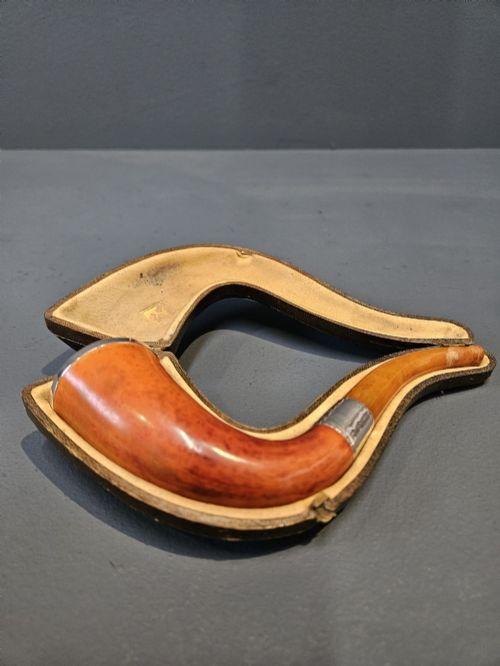
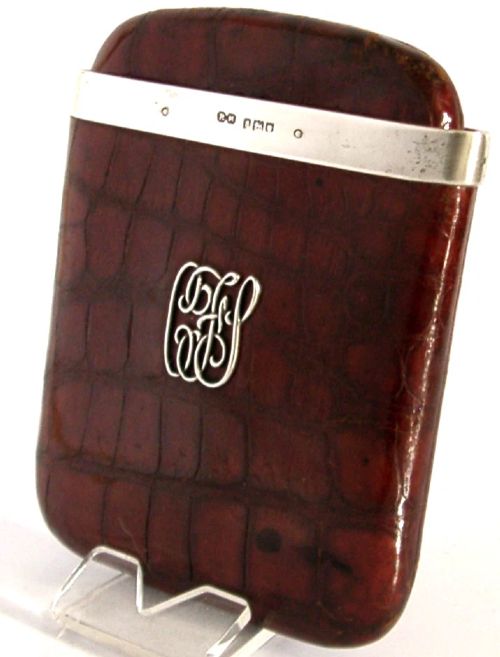
Wooden items utilise oak and briar wood, joined carefully to house pipes, cigars and smoking accessories. Leather and crocodile skin wrappers provide durable exteriors for pocket items, whilst specialised cases integrate amber and gold mounts.
A doctor's smoking cabinet suggests that nineteenth-century medical professionals indulged in a quiet pipe between patient visits.
Assessing quality in containers
Quality rests upon the weight of the metal, the crispness of hallmarks and the precision of the hinges and closures. Substantial gauge silver and tight, flush-fitting lids distinguish superior work from lighter, mass-produced items.
Artisanal execution dictates value in decorated pieces, where hand-engraved motifs, lacquered surfaces or maker marks from noted workshops elevate the object beyond simple utility.
Vishnyakov Workshop·Zimmerman·Sampson Mordan·Alfred Dunhill·Cartier
The Vintage Tobacco Case Glossary
- Sterling silver
- A silver alloy containing 92.5 percent pure silver and 7.5 percent other metals, typically copper. This standard appears frequently in British pocket cases.
- Briar wood
- A dense, heat-resistant burl wood sourced from the root of the tree Erica arborea, commonly used for tobacco pipes and related storage.
- Hallmark
- An official stamp applied by an assay office indicating the purity of a precious metal, the maker and the year of manufacture.
- Humidor
- A sealed box designed to maintain a constant humidity level for storing cigars safely.
- Snuff box
- A small, pocket-sized container constructed to hold finely ground tobacco inhaled through the nose.
Vintage Tobacco Case: Frequently Asked Questions
What fits inside a pocket case?
These containers are built to hold specific smoking goods, ranging from loose tobacco and snuff to manufactured cigarettes or rolled cigars. Pocket variants keep contents secure and protected from crushing.
Larger tabletop boxes and smoking cabinets organise multiple pipes, tools and bulk supplies within fitted wooden compartments.
How do I date silver cases?
English silver pieces rely on assay office marks and date letters stamped directly into the metal. These small punches identify the exact year the item passed inspection.
Stylistic cues such as Edwardian proportions or Art Deco geometric lines offer secondary clues when hallmarks are absent or worn.
Were these boxes meant for daily use?
Pocket cases were everyday personal accessories carried in waistcoats or handbags by smokers of the Victorian and Edwardian eras. Their robust construction in silver and leather was intended to withstand regular handling.
Tabletop boxes and cabinets remained stationary in studies, club rooms and drawing rooms to host guests.
What materials are most common?
Sterling silver dominates the portable selection, often decorated with engine turning or engraved monograms. Base metals and silver plate appear alongside organic materials like oak, briar wood, leather and amber.
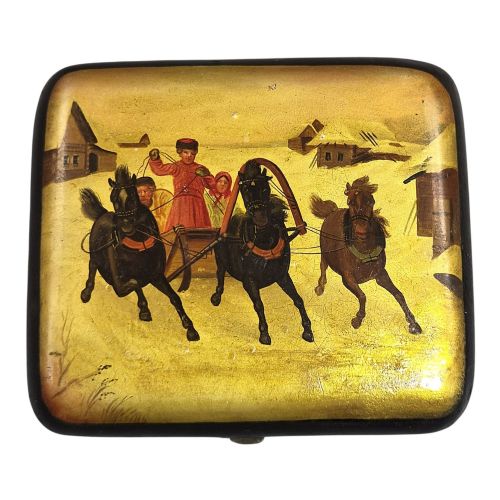
More opulent examples incorporate gold, diamonds and specialised lacquer work from European workshops.