
Vintage Timepiece
A vintage timepiece collects decades of mechanical precision, spanning pocket watches, wall clocks and wristwatches from the Victorian era to the mid-century.
Vintage Timepiece
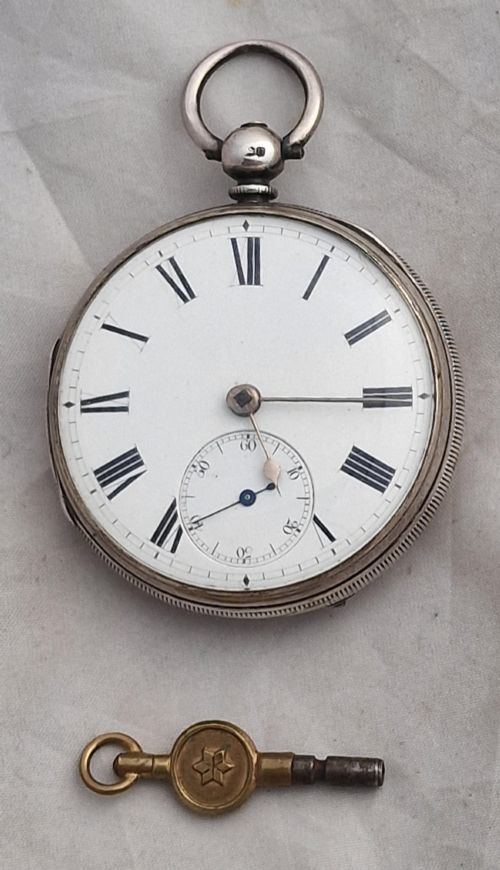
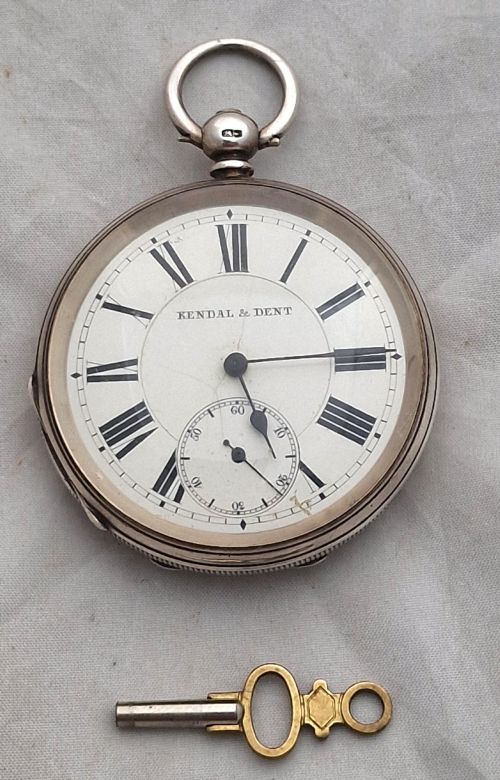
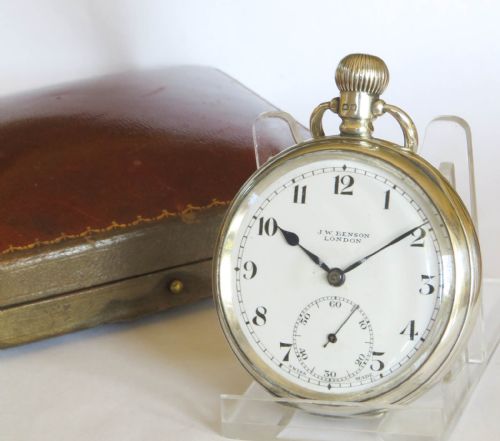
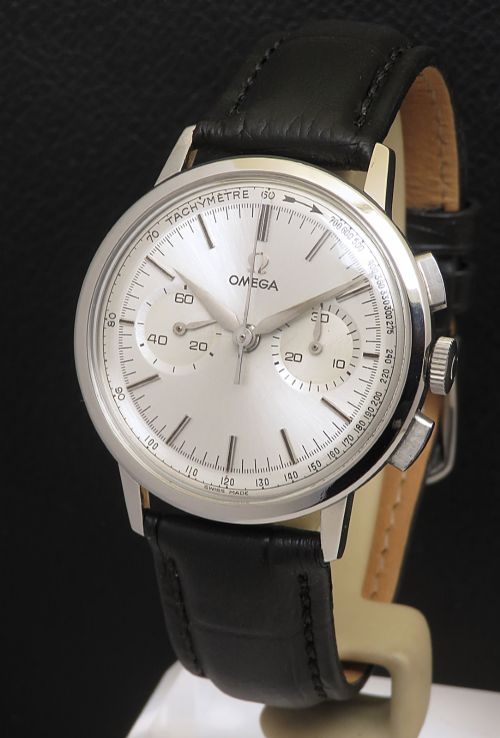
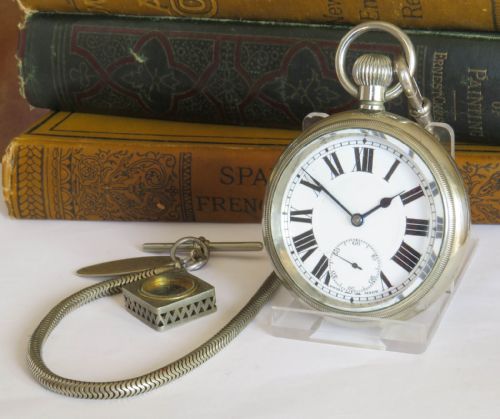
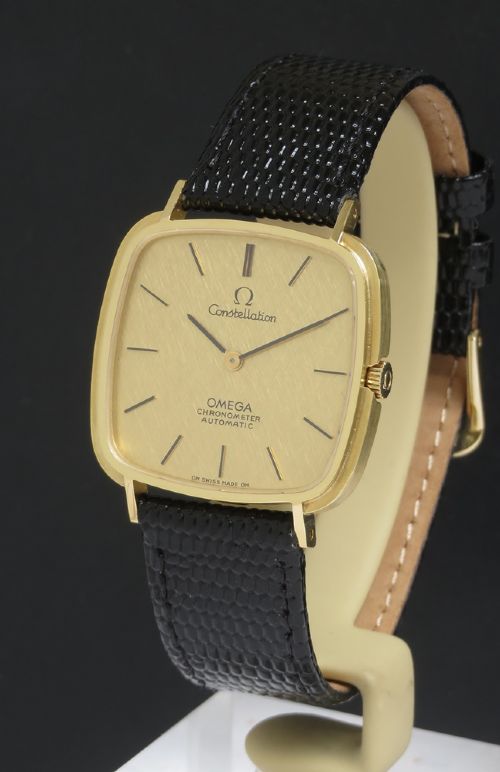
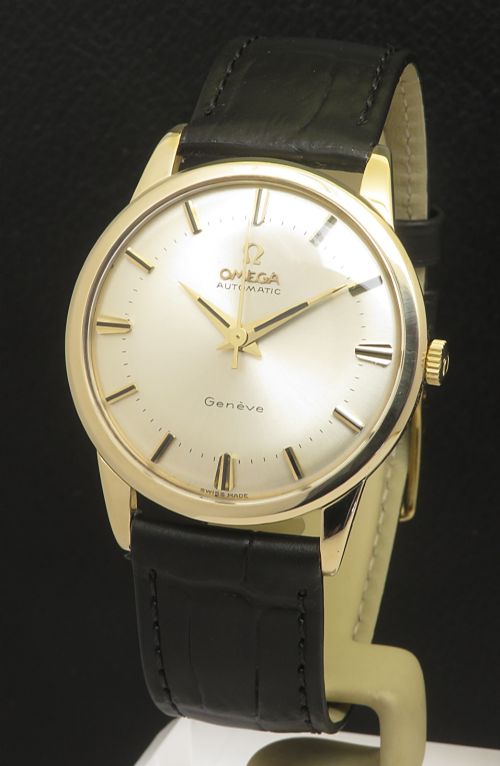
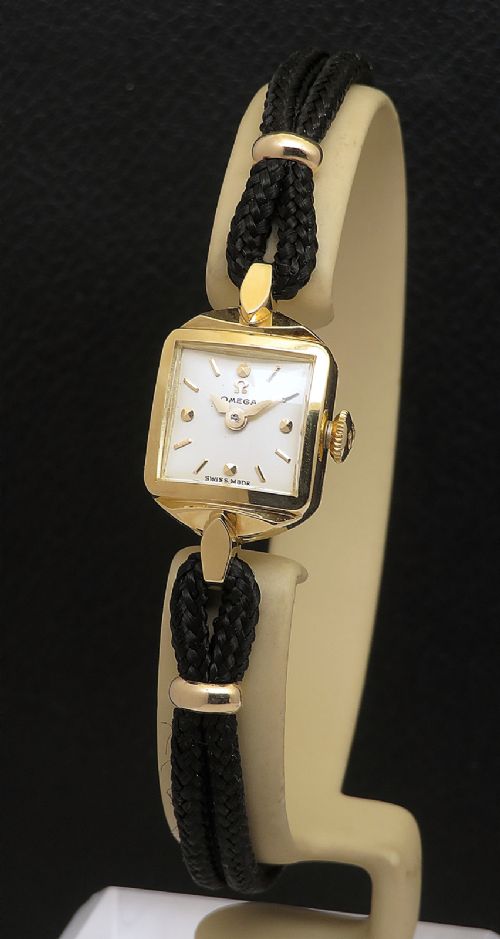
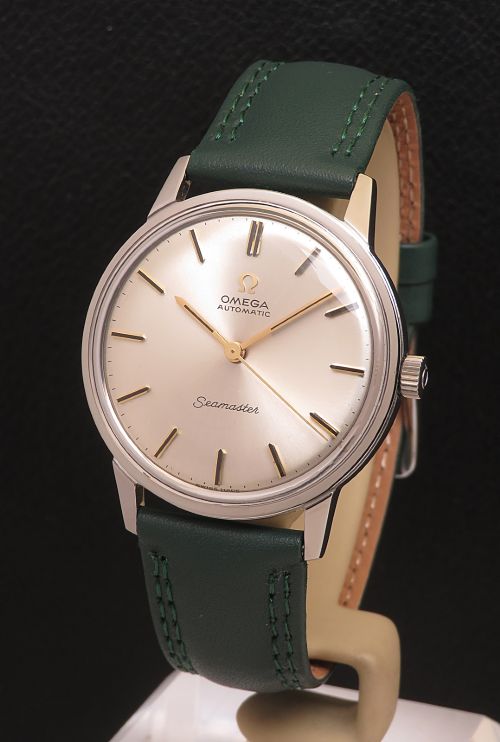
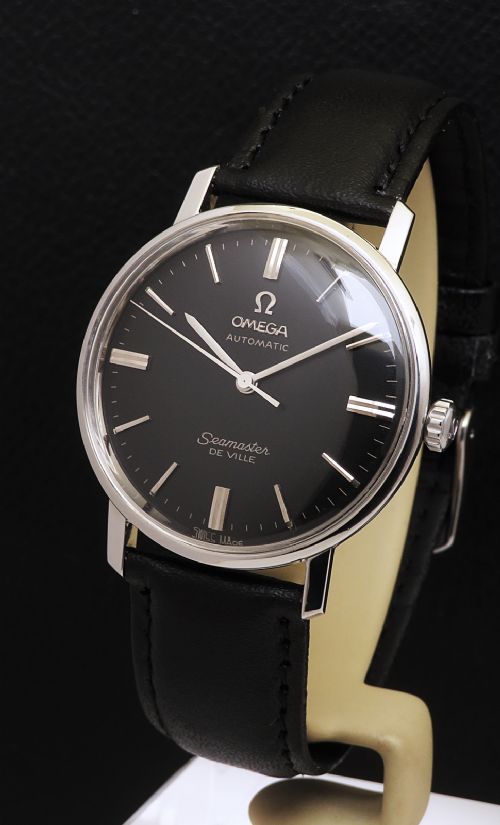
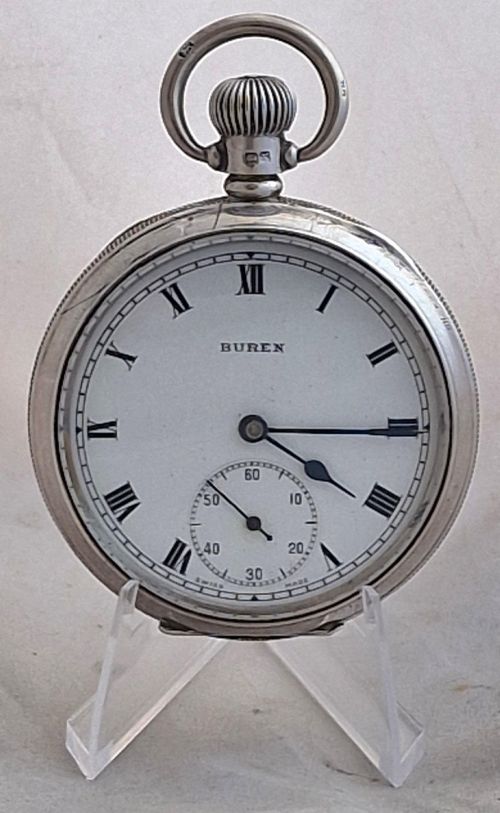
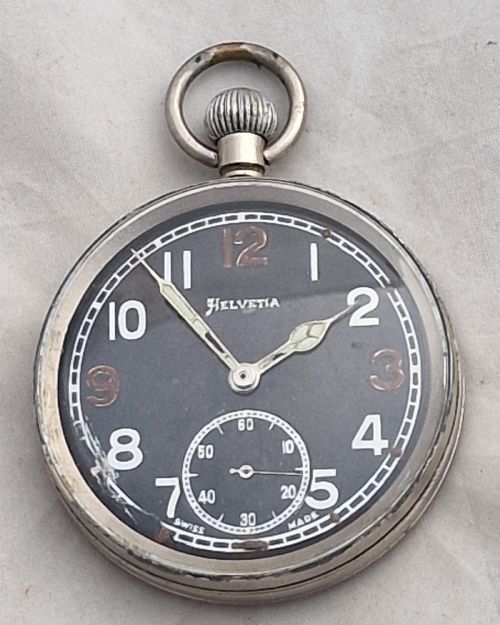
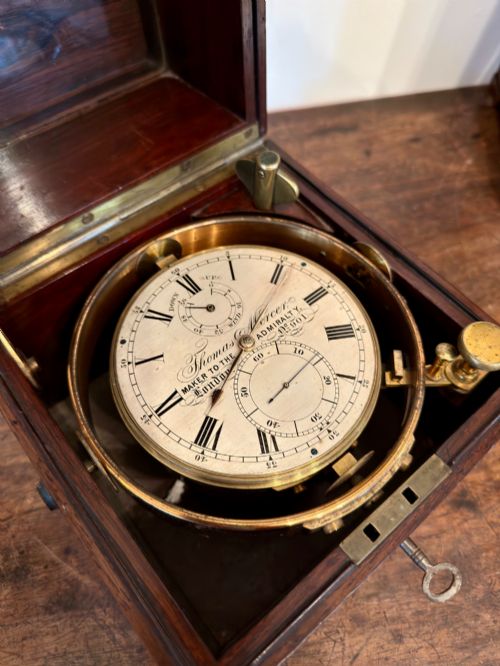
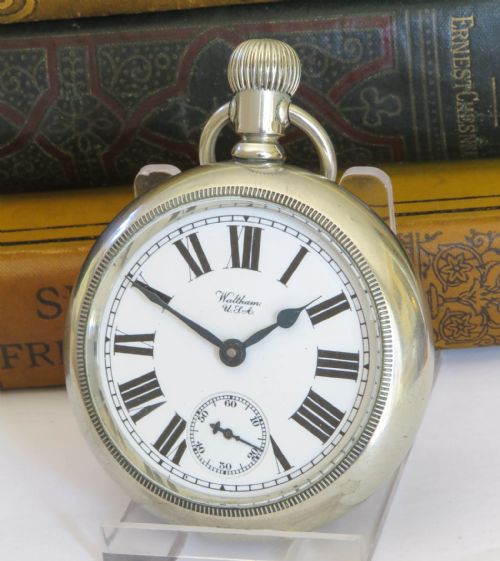
When you search for a vintage timepiece, you encounter a broad spectrum of horological objects ranging from pocket watches and wristwatches to mantel clocks and marine chronometers. The forms vary from Victorian silver fusee pocket watches to mid-century automatic wristwatches by makers such as Omega and Tudor.
The selection on this page draws heavily from the twentieth century, particularly the 1920s and the 1960s, alongside nineteenth-century carriage clocks and fusee pocket watches. Pocket watches with alberts and fobs sit alongside waterproof military pieces and gold cocktail watches.
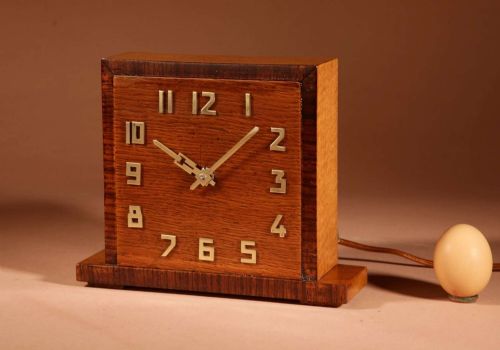
Mantel clocks and wall clocks also populate the range, featuring oak, rosewood, lacquered chinoiserie, and ormolu finishes. These items reflect domestic and railway use across decades of British and continental manufacturing.
How they were made
Cases combine metals like solid gold, silver, brass, stainless steel, and ormolu with glass covers and enamel dials. Wooden housings utilise mahogany, oak, and rosewood, sometimes finished with black lacquer for chinoiserie decoration.
Movements rely on traditional mechanical gear trains, fusee mechanisms, and early electrical systems, requiring careful assembly by skilled watchmakers and clockmakers. Leather straps and metal bracelets complete wearable models, while pocket watches often include silver chains and compass attachments.
Vintage Timepiece Retail Price Guide 2026
Typical asking prices for vintage timepiece among the pieces listed under this phrase on Sellingantiques today, from the lower quarter to the upper quarter. They describe what is for sale here now, not the wider market.
What varies in quality
The distinction between tiers rests upon the complexity of the movement and the preciousness of the casing materials. Solid gold and silver cases housing chronometer or chronograph mechanisms represent the upper echelon.
Originality of components and dials dictates standing among collectors. Pieces retaining their factory dials and signed movements command greater regard than altered equivalents.
Kendal & Dent·Hinds London·J W Benson·Omega·Mercer of London·Camerer Cuss·Tudor·Henri Jacot·Elgin·Rolex Wilsdorf & Davis·Cyma
The Vintage Timepiece Glossary
- Fusee
- A conical pulley used in older clocks and pocket watches to maintain even force as the mainspring unwinds. This mechanism improves timekeeping accuracy across the power reserve.
- Half Hunter
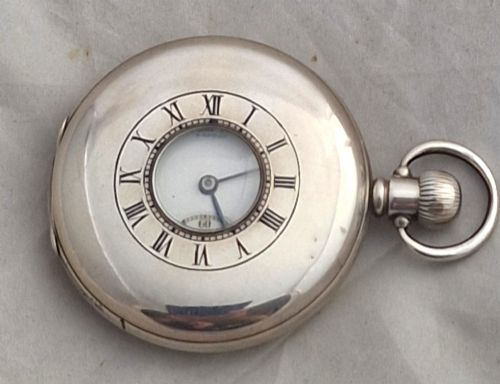
- A pocket watch featuring a case with a glass or open centre panel on the front cover. This design permits reading the time without opening the outer case.
- Chronometer
- A precision watch or clock tested and certified to meet strict accuracy standards over various temperatures and positions. Marine versions aided navigation at sea.
- Carriage Clock
- A small, spring-driven clock designed for travel during the nineteenth century. They typically feature a glass-panelled brass case and a folding handle.
- Mantel Clock
- A clock designed to sit on the shelf above a fireplace. They appear in materials ranging from oak and rosewood to ormolu and porcelain.
Vintage Timepiece: Frequently Asked Questions
How do I wind a mechanical pocket watch?
Wind the crown clockwise gently until you feel resistance, taking care not to overwind the mainspring. Most vintage pieces require daily winding to maintain accurate timekeeping.
For key-wound models, insert the matching key into the dial or back plate aperture and turn it slowly in the direction specified by the mechanism.
Can I wear a vintage wristwatch daily?
Many mid-century wristwatches handle daily wear well, provided they have been recently serviced by a professional horologist. However, older pieces often lack modern water resistance and shock protection.
Keep them away from moisture, magnetic fields, and heavy impacts to preserve the delicate internal gears and vintage seals.
How do I identify the date of a vintage clock?
Examine the movement, dial signatures, and case style for hallmarks, maker stamps, or registration numbers. Many British pieces feature silver hallmarks that pinpoint the exact assay office and year.
Stylistic cues such as Edwardian mahogany framing or Art Deco geometric woodwork also help narrow down the period of manufacture.