
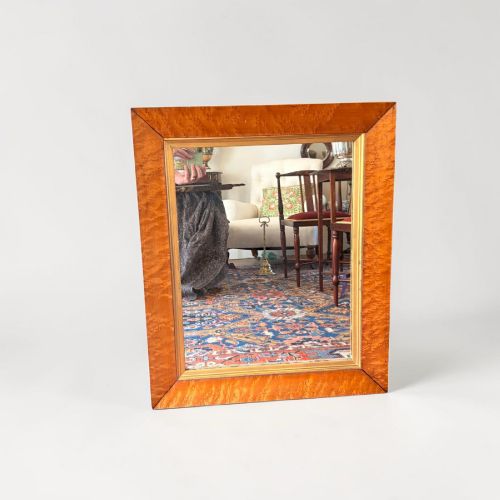
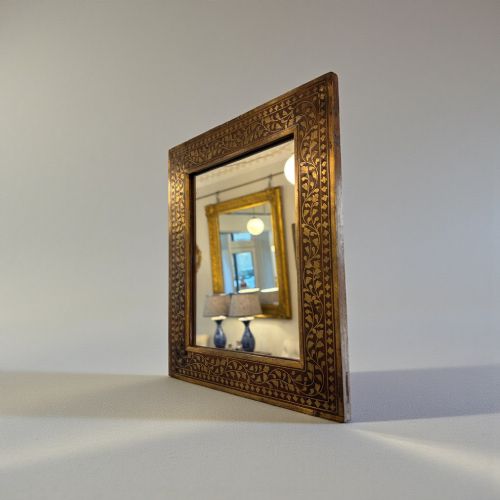
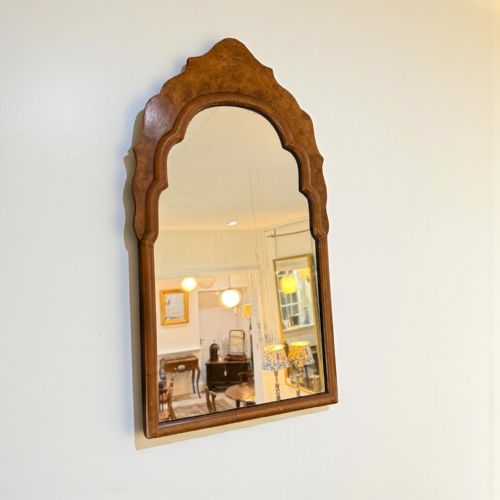
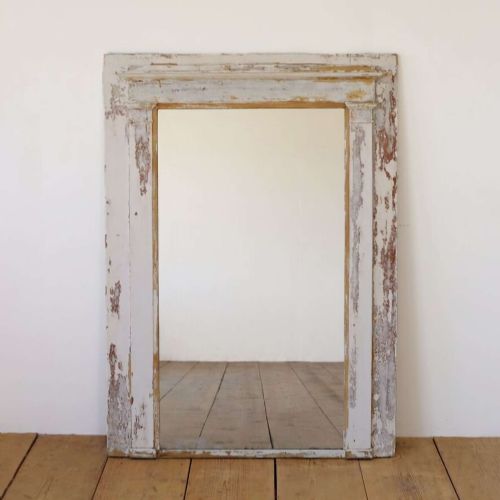

Vintage Timber Wall Mirror
A vintage timber wall mirror brings texture and warmth to a room through the character of carved wood and aged glass.
Vintage Timber Wall Mirror
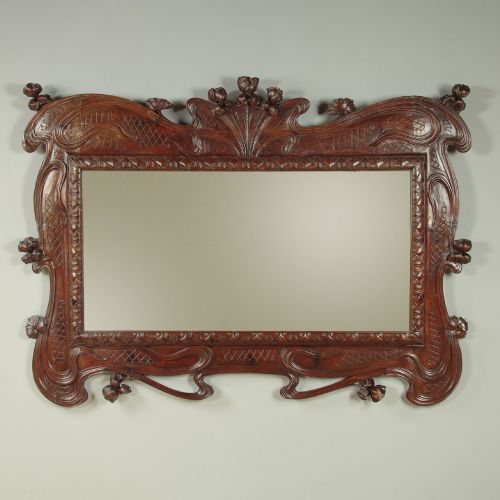
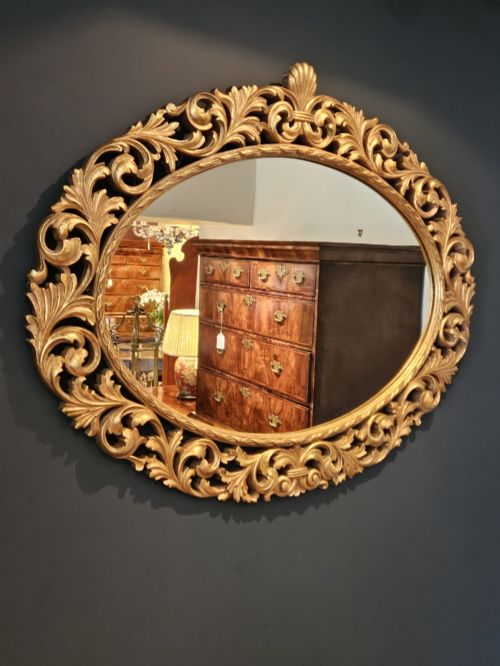
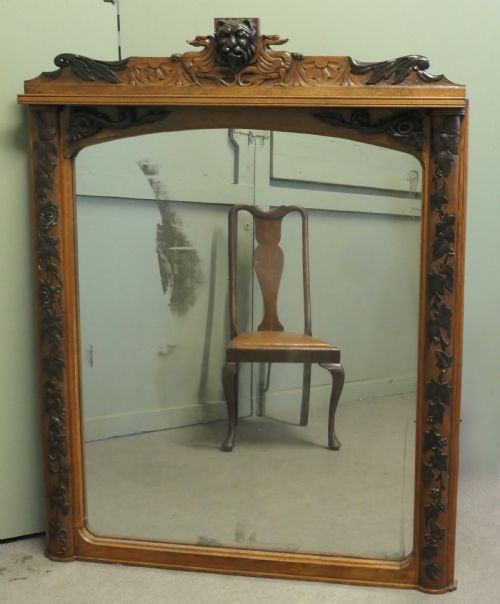
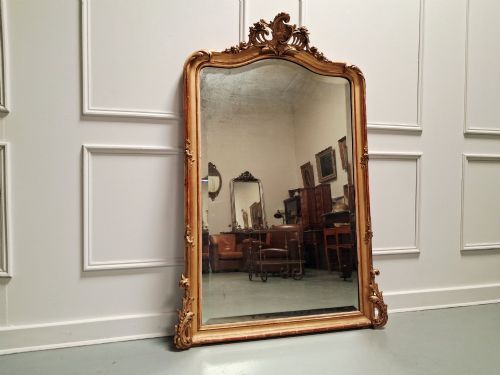
A vintage timber wall mirror is a functional piece that doubles as wall art, shaped by the decorative tastes of the nineteenth and early twentieth centuries. These pieces range from simple domestic oak frames to grand, heavily carved giltwood overmantels.
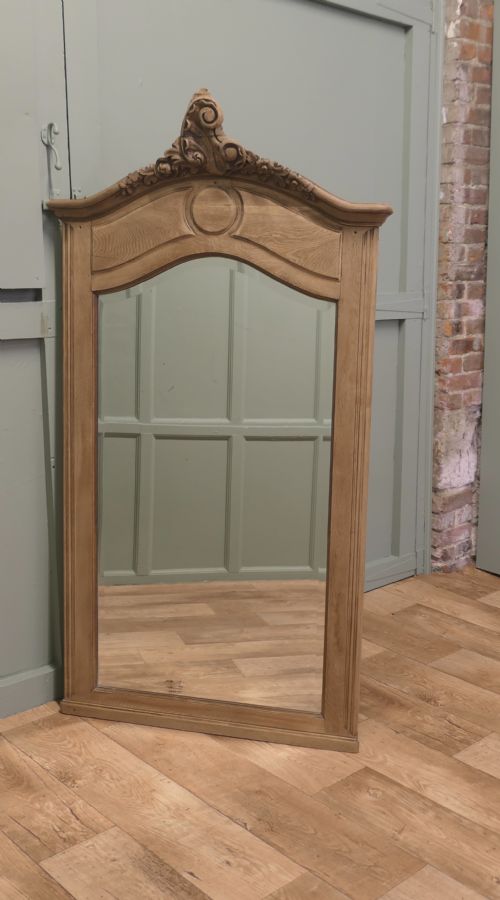
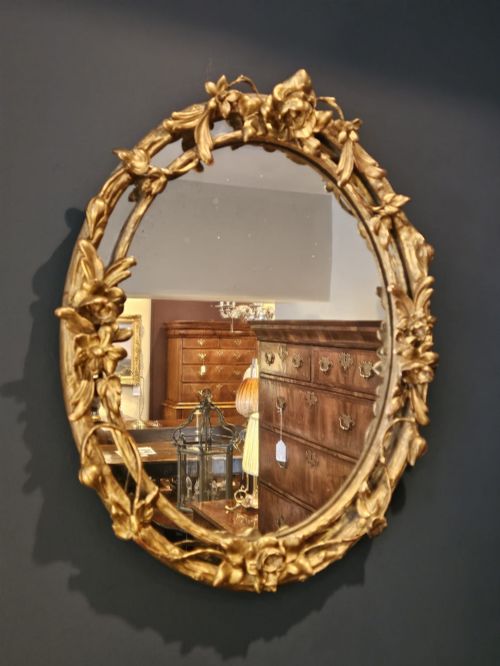
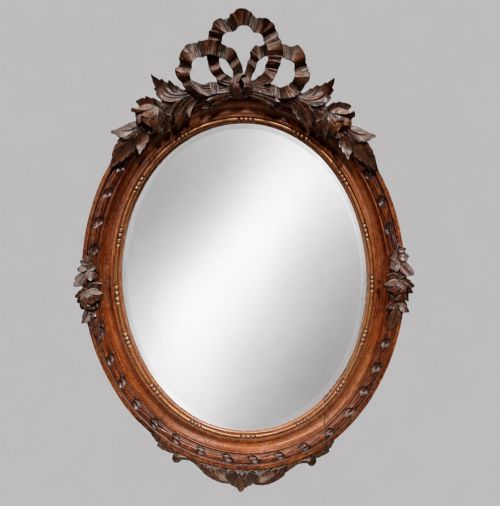
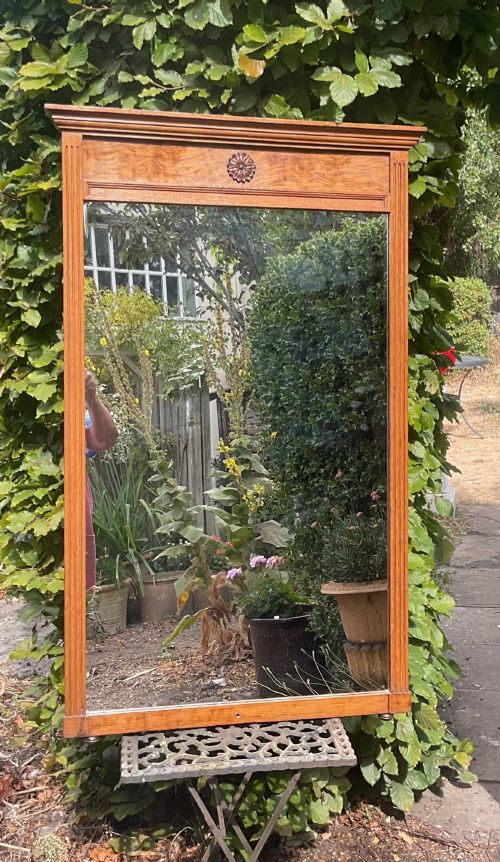
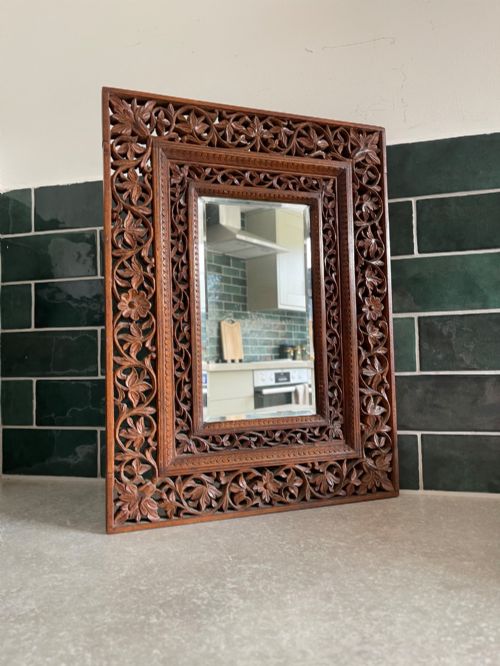
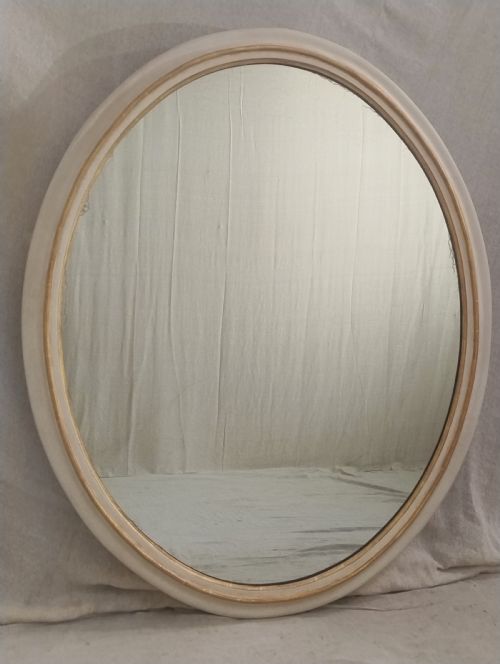
The versions most commonly found here date from the Victorian era up through the nineteen-twenties, incorporating styles from French provincial to Art Deco. They appear in diverse forms such as oval wall mirrors, rectangular oak frames, and carved walnut designs.
Buyers choose a vintage timber wall mirror to anchor a room, reflecting light while adding the distinct patina of older materials. Each piece shows the workmanship of its period, whether through hand-carved foliage or clean geometric lines.
How they were made
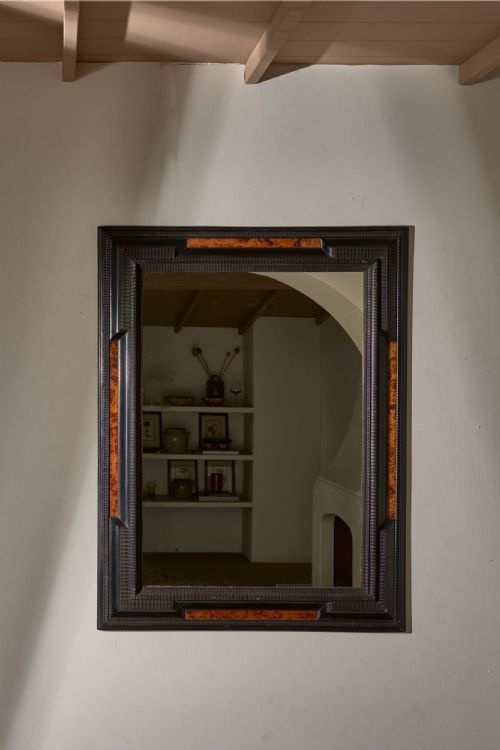
The construction relies on solid timbers such as oak, walnut, maple, and pine, often shaped by hand carving. Craftsmen applied gesso and gold leaf to create giltwood finishes, or used ebonisation and faux tortoiseshell effects to imitate more costly materials.
Frames frequently feature detailed joinery suited to their period, from traditional pegged corners to layered veneer work. The glass itself is set securely within the timber rebate, sometimes accompanied by original backing boards and fixings.
Several mirrors capture the eccentric side of history through original fairground fun house and circus glass.
What varies in quality
Quality rests in the depth and crispness of the carving, where deep hand-chiseled details surpass mechanical shaping. The choice of timber also dictates the character, with figured woods like burl maple and burr walnut showing superior grain patterns.
The integration of the frame and glass defines the piece, with heavier frames requiring robust structural joints to support the weight. Original gilding and untouched surface patinas hold greater visual depth than later repainted or heavily restored finishes.
The Vintage Timber Wall Mirror Glossary
- Giltwood
- Timber that has been coated with fine gold leaf over a prepared gesso base. This finish catches the light and brings warmth to ornate Victorian and continental frames.
- Overmantel mirror
- A large mirror designed to hang specifically above a fireplace mantelpiece. These pieces often feature extended horizontal proportions to match the width of the hearth.
- Ebonisation
- The process of treating timber, such as fruitwood or maple, with chemical stains to imitate the dark, dense appearance of ebony. It was widely utilised in nineteenth-century decorative pieces.
- Oyster veneer
- Thin circular slices cut horizontally from small tree branches or roots, arranged in patterns to display the concentric growth rings. This technique creates a distinctive repeating eye-like motif on the frame.
- Parcel gilt
- A decorative treatment where only selected raised portions of a carved frame are highlighted with gold leaf, leaving the dark timber grain visible underneath.
Vintage Timber Wall Mirror: Frequently Asked Questions
How do I hang a heavy timber mirror safely?
Heavy frames require sturdy wall anchors fixed directly into masonry or timber studs rather than plaster alone. Using heavy-duty mirror plates screwed securely to the back frame ensures the weight distributes evenly.
Professional installation is recommended for very large overmantel mirrors to prevent strain on the original joints and hanging loops.
How do I clean an antique mirror glass?
Clean the glass gently using a soft microfibre cloth and a mild, ammonia-free glass cleaner sprayed onto the cloth rather than directly onto the surface. This prevents moisture from seeping behind the silvering or into the timber rebate.
Avoid pressing too hard on fragile historical glass, especially where foxing or age spots have weakened the silver backing over the decades.
How do I date a timber wall mirror?
Dating relies on combining the construction style of the timber frame with the bevel and condition of the glass plate. Nineteenth-century pieces often feature hand-cut joints, heavy gesso work, and subtle foxing in the mirror plate.
Later Edwardian and Art Deco examples shift towards simpler rectangular forms, cleaner oak grains, or geometric styling typical of the nineteen-thirties.
Can these mirrors be used in a bathroom?
Timber and antique silvered glass are sensitive to high humidity and direct water contact. Placing them in a well-ventilated cloakroom is possible, but steamy main bathrooms risk warping the wood and accelerating damage to the mirror plate.
Keeping the room dry helps preserve the original polish and prevents moisture from lifting the gilt or veneer.