




Vintage Timber Side Chairs
Vintage timber side chairs bring enduring character to a room, offering functional seating shaped by Victorian, Edwardian, and earlier rural traditions.
Vintage Timber Side Chairs
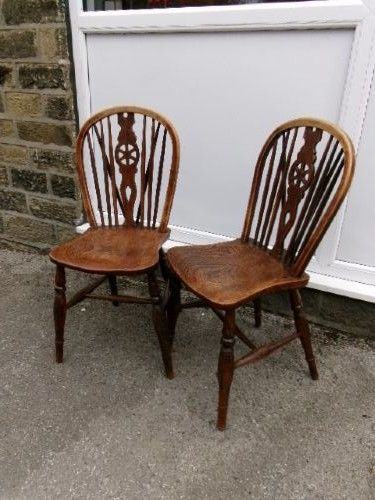
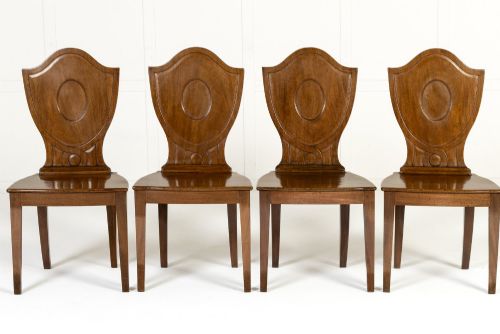
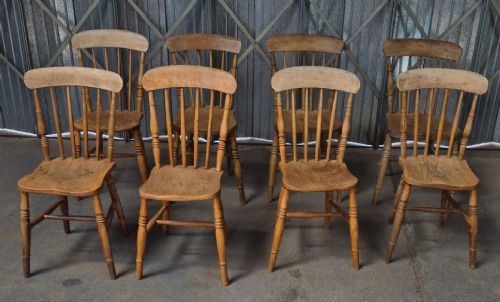
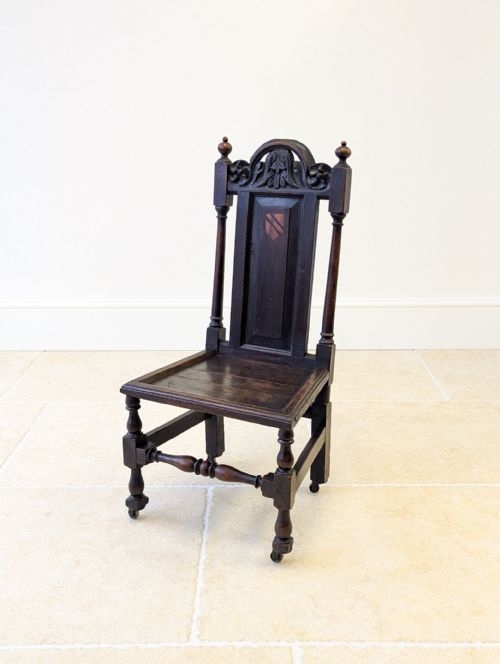
Vintage timber side chairs encompass a diverse range of standalone seating options designed primarily for dining rooms, hallways, and kitchens. The selection spans robust farmhouse models, formal mahogany hall chairs, and lighter spindleback or wheelback kitchen variations.
The periods represented stretch from the mid-nineteenth century through the Edwardian era and into the early twentieth century. Common stylistic revivals include Jacobean, Gothic, and Regency influences applied to native and imported woods.
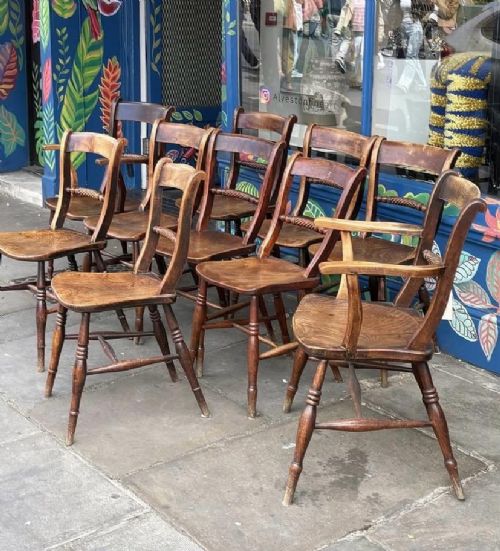
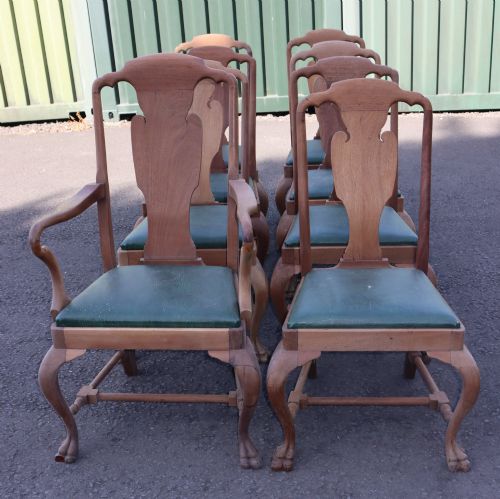
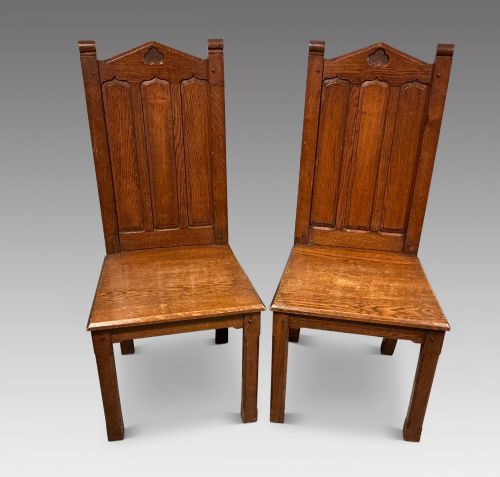
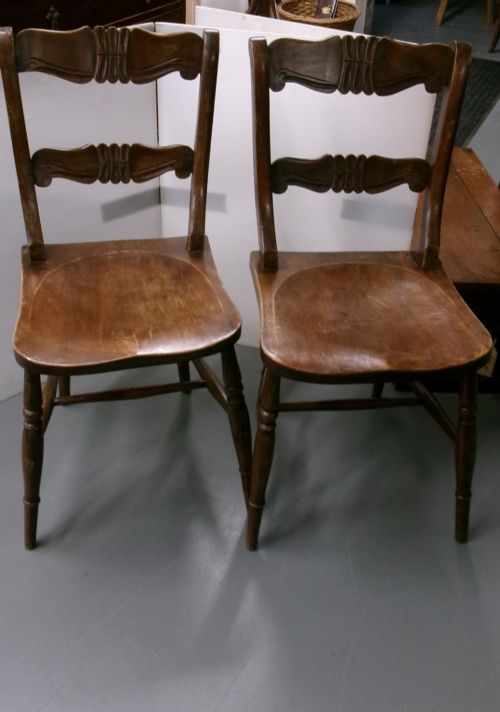
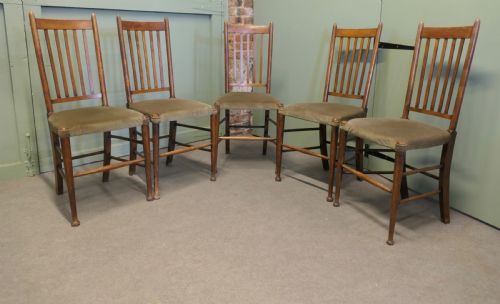
Buyers will encounter single chairs alongside matched pairs and larger dining sets numbering up to twelve pieces. These forms served utilitarian domestic roles in British and continental homes before entering the antique market.
How they were made
Construction relies heavily on traditional hardwoods such as mahogany, oak, elm, beech, and walnut, often selected for strength and grain pattern. Cabinetmakers and rural bodgers utilised mortise and tenon joinery alongside turned spindles and steam-bent components to build rigid frames.
Surface finishes range from polished mahogany and carved walnut to painted pine and rush or fabric seating inserts. Regional workshops employed specific regional turns and localized timber stocks, resulting in distinct vernacular seating styles.
Gossip chairs provided a perch for early telephone conversations long before mobile screens kept people glued to corners.
What varies in quality
The standard of carving and the crispness of applied detail distinguish standard utility seating from high-status parlor chairs. Finer examples display deeply sculpted panels, balanced proportions, and careful timber selection across every member.
Structural integrity depends upon original joinery methods and the retention of matching components within sets. Replacements or heavy restoration alter the visual harmony and historical cohesion of the piece.
Hille·Wheeler Of Arncroach·Marsh, Jones and Cribb
The Vintage Timber Side Chairs Glossary
- Side chair
- A chair without arms, designed originally for dining tables or bedroom use. These pieces fit easily against walls when not pulled up to a surface.
- Wheelback
- A vernacular chair style featuring a pierced wooden splat shaped like a carriage wheel. This motif gained popularity in nineteenth-century kitchen and Windsor seating.
- Hall chair
- A stiff-backed timber seat intended for entrance halls rather than prolonged lounging. They frequently incorporate carved family crests or plain wooden panels.
- Spindleback
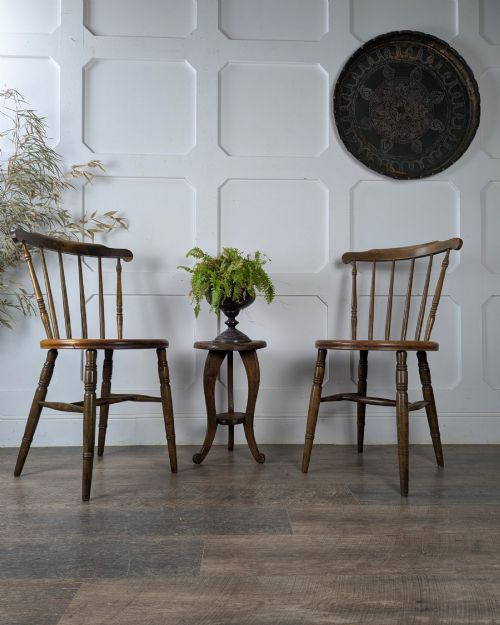
- Seating constructed with a series of thin, turned wooden rods forming the backrest. This method provides lightweight strength typical of regional country chairs.
- Gothic Revival
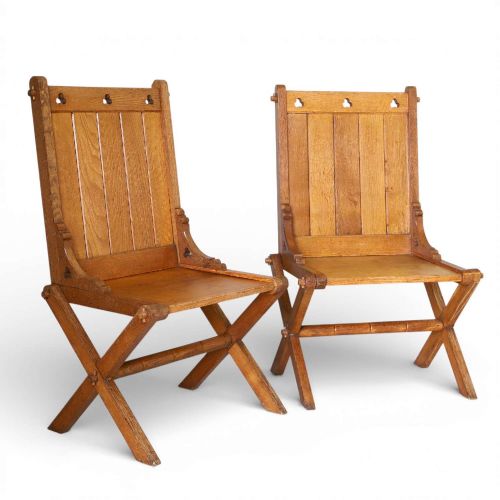
- A nineteenth-century design movement inspired by medieval architecture. Pieces in this style often display pointed arches, trefoil cut-outs, and heavy oak construction.
Vintage Timber Side Chairs: Frequently Asked Questions
How do I spot a true Victorian side chair?
Examine the timber species, joinery techniques, and overall weight of the frame. Victorian examples often feature dense mahogany, walnut, or oak combined with period-specific proportions.
Look closely at the underside and joints for hand-cut elements and natural wear patterns that indicate nineteenth-century production.
Can I use antique timber chairs for daily dining?
Many solid wood chairs from the nineteenth and early twentieth centuries were built for heavy domestic use. Elm, oak, and beech kitchen chairs handle everyday sitting remarkably well.
Ensure the structural joints remain tight and secure before placing heavy demands on antique seating.
What is the difference between a side chair and an armchair?
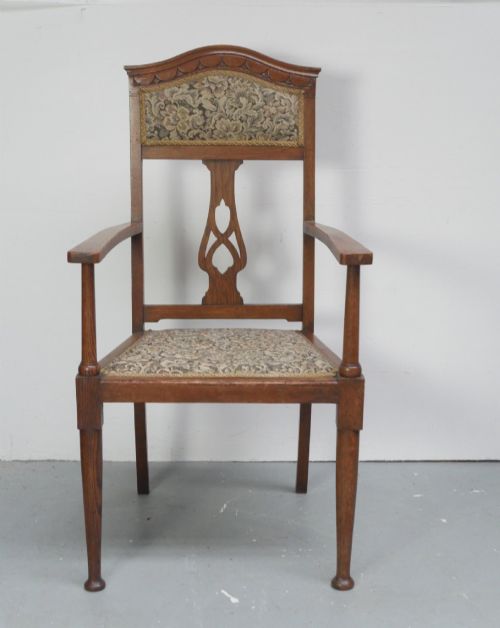
Side chairs lack armrests, making them compact enough to tuck neatly beneath dining tables or line hallway walls. Armchairs include structural arm supports designed for relaxed seating.
Both forms share identical stylistic periods and matching timber treatments within larger dining suites.
How do I care for antique wood chairs?
Keep wooden furniture away from direct heat sources and dramatic humidity fluctuations to prevent timber splitting. Dust regularly with a dry cloth and occasionally apply appropriate beeswax.
Avoid modern liquid polishes containing silicones that can degrade historic wood finishes over time.