

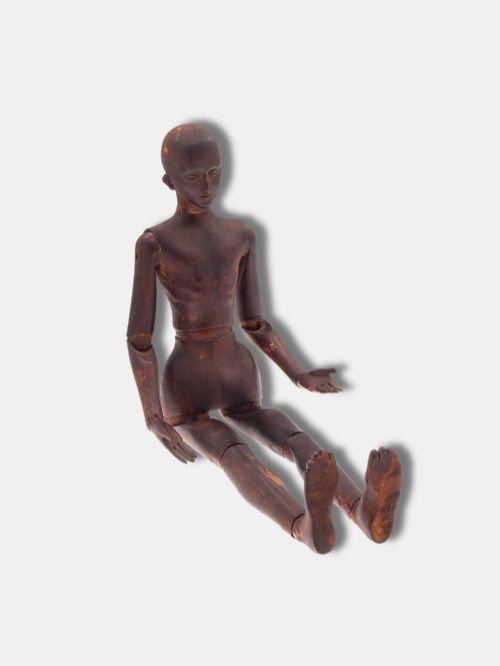
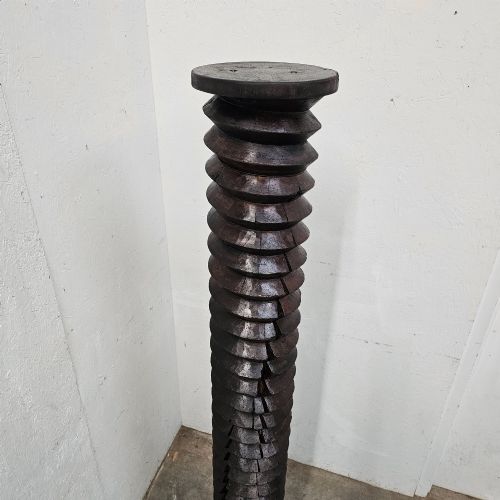
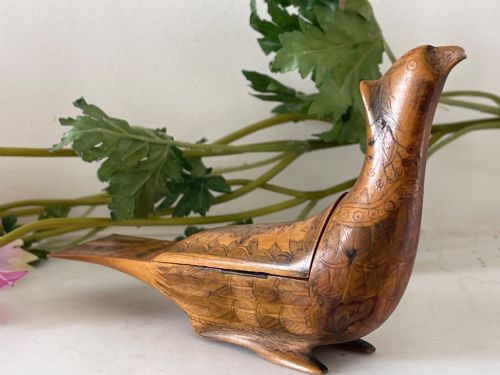
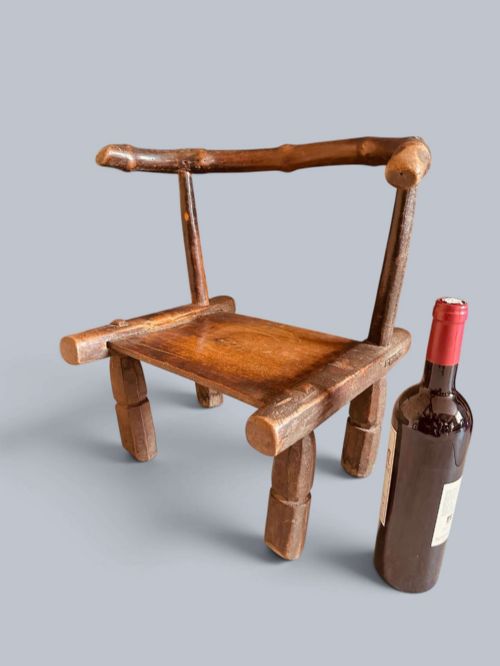
Vintage Timber Carving
Vintage timber carving brings tactile presence and individual character into a room through hand-worked woods.
Vintage Timber Carving
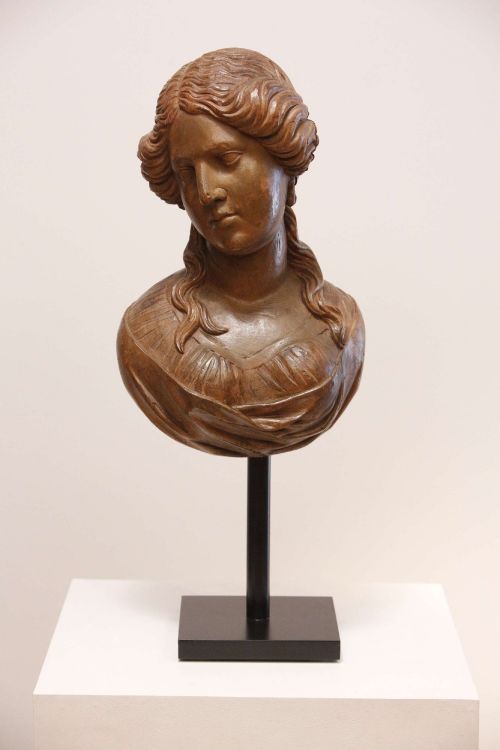
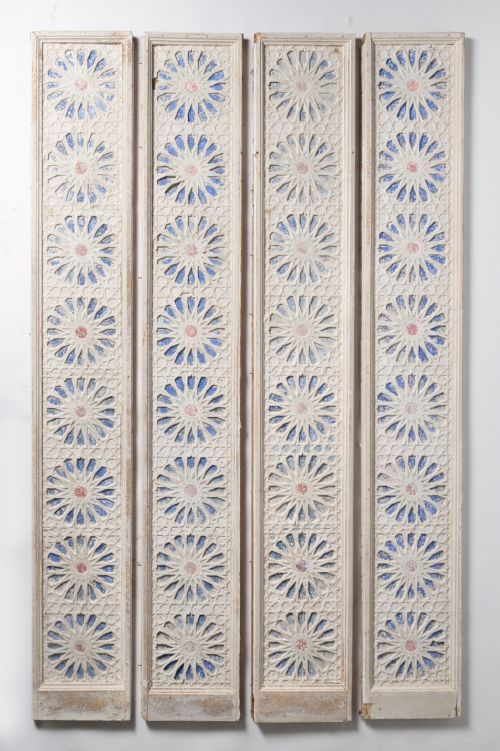
Vintage timber carving encompasses diverse functional and decorative items shaped from wood across various eras. These pieces range from architectural elements and seating to decorative figures and mirrors.
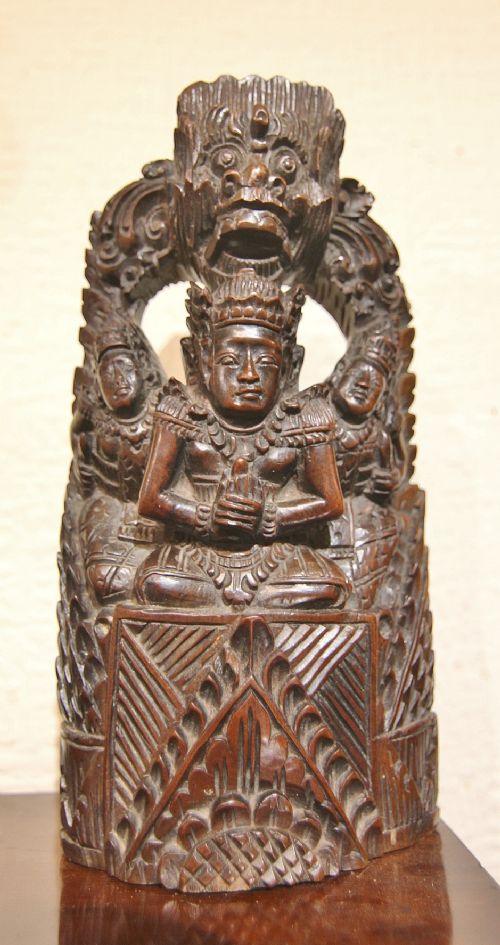
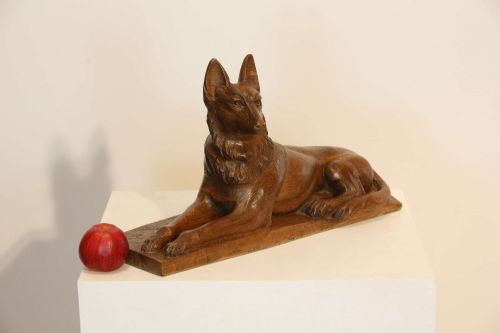
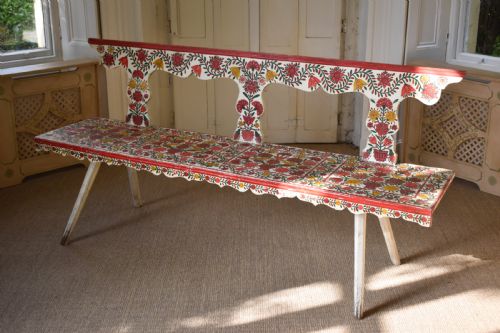
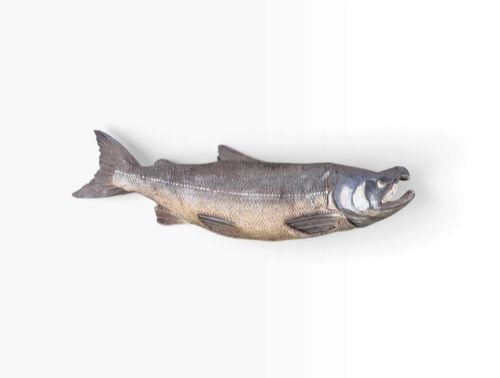
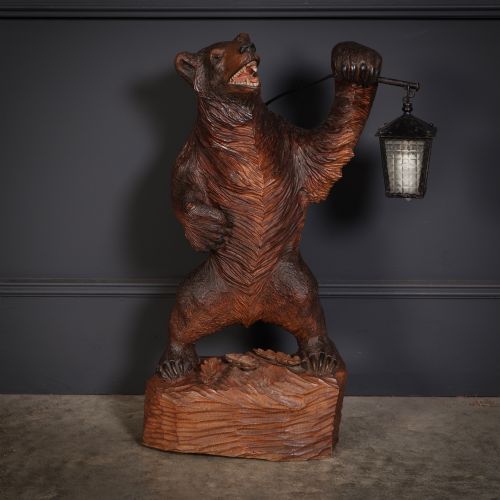
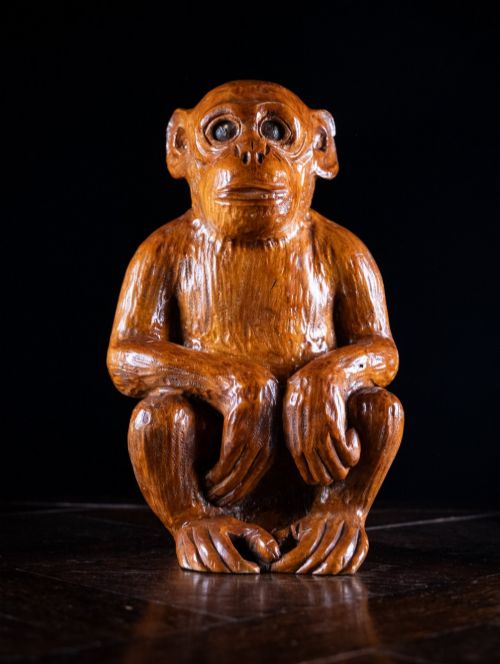
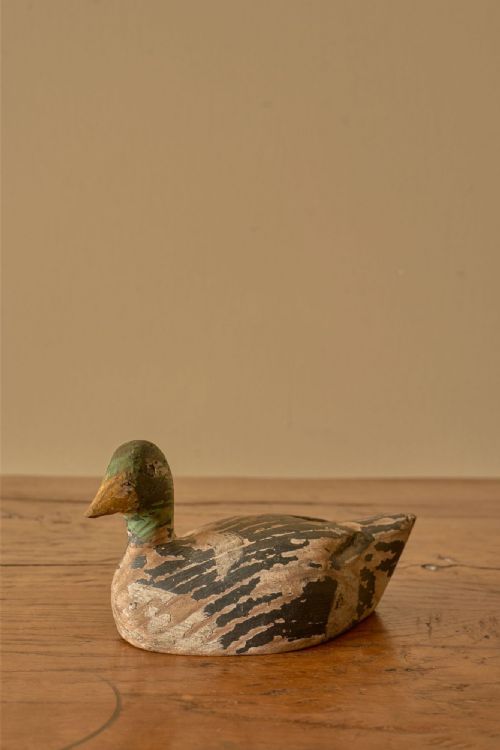
Buyers seeking vintage timber carving frequently encounter items originating from the nineteenth and early twentieth centuries. Common forms include decoy ducks, tables, benches, and sculptural animal figures.
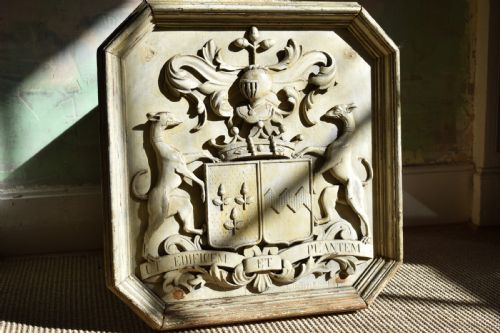
The selection reflects multiple stylistic influences, spanning folk art traditions, Gothic revival, and regional craftsmanship from different continents. Each object demonstrates specific period characteristics in its construction and surface treatment.
Materials and construction techniques
Craftsmen utilised various woods such as oak, walnut, rosewood, and hardwood, selected for their grain and durability. These materials were worked using traditional hand tools to shape structural frames and intricate decorative details.
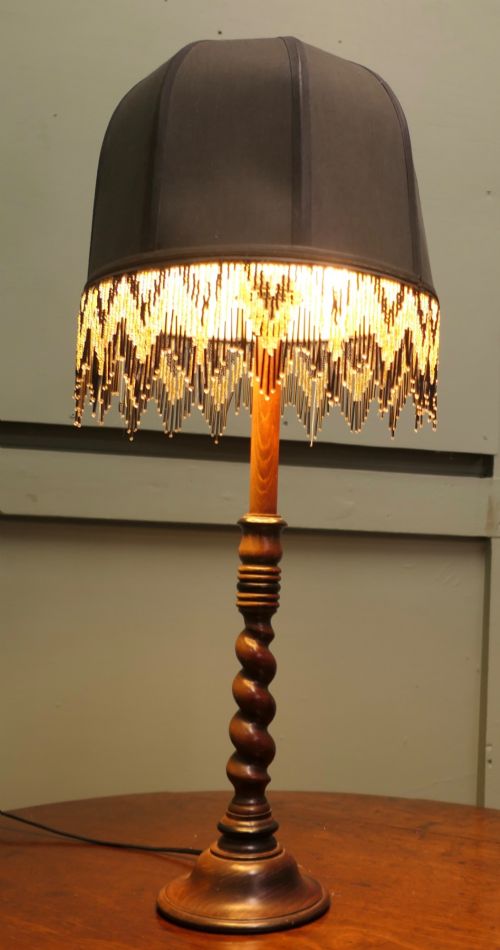
Surface finishes often incorporate paint, polish, or natural wax to protect the timber and enhance the visual depth of the grain. Metal elements like brass or glass occasionally appear as functional or decorative components within the wooden structures.
Vintage Timber Carving Retail Price Guide 2026
Typical asking prices for vintage timber carving among the pieces listed under this phrase on Sellingantiques today, from the lower quarter to the upper quarter. They describe what is for sale here now, not the wider market.
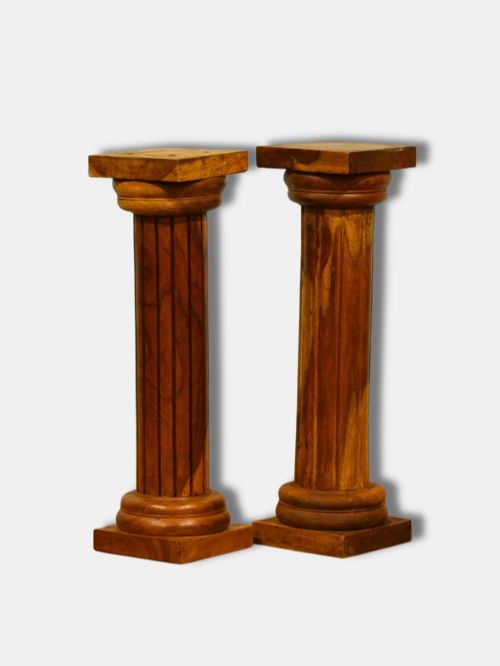
Object forms span from practical items like side tables and benches to decorative decoy ducks and sculptures.
Distinctions in quality
Quality in these carved items depends upon the precision of the handwork and the depth of the sculptural relief. Crisp execution in fine details distinguishes superior work from simpler, utilitarian production.
The condition of the timber surface and the integrity of the original joints influence the overall integrity of a piece. Well-preserved patination and minimal structural alteration indicate higher desirability among collectors.
The Vintage Timber Carving Glossary
- Finial
- A decorative ornament that terminates the top of a structure, such as a post or furniture gable. They often feature carved foliage or geometric motifs.
- Newel post
- The principal post at the foot of a staircase or at the turn of a landing. These structural supports frequently display substantial carved ornamentation.
- Folk art
- Artistic work produced from an indigenous culture or peasant society. These items reflect traditional craftsmanship rather than academic fine art training.
- Gothic revival
- An architectural and decorative style that draws inspiration from medieval design. Pieces in this style often incorporate pointed arches and trefoil carvings.
- Patina
- The gloss or sheen that timber develops through age and handling. This surface change indicates long use and care over decades.
Vintage Timber Carving: Frequently Asked Questions
What defines a vintage timber carving?
A vintage timber carving is an object shaped from wood by hand during past centuries, serving either a decorative or practical function. These items range from small animal figures to architectural fragments and furniture.
They reflect the aesthetic priorities and manual skills of their period of origin. Collectors value them for their distinct material presence and individual maker marks.
How are carved wooden figures dated?
Dating relies upon evaluating tool marks, timber species, style conventions, and wear patterns. Certain regional forms and decorative motifs correspond directly to specific manufacturing decades.
Comparison with documented examples helps establish a reliable timeframe for creation. Expert assessment of surface patination further confirms the age of the wood.
Where were these carvings originally placed?
Many carved items served functional roles within domestic, commercial, or institutional interiors. Items such as hall benches, side tables, and architectural salvage formed permanent parts of period rooms.
Smaller decorative objects and figures were displayed on mantelpieces, desks, or within display cabinets. Their placement depended entirely on the specific utility and scale of the individual piece.
How should vintage wood be maintained?
Maintenance involves protecting the timber from excessive moisture, direct sunlight, and rapid temperature fluctuations. Regular application of suitable wax helps preserve the surface sheen without damaging the grain.
Harsh chemical cleaners must be avoided to prevent stripping the historic finish. Gentle dusting with a soft cloth keeps the carved recesses free from debris.