


Vintage Timber Accent Table
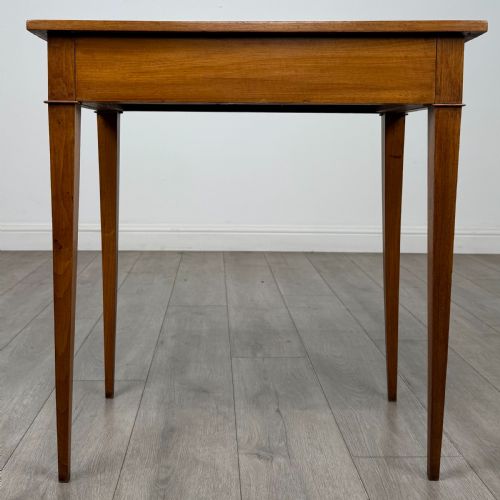
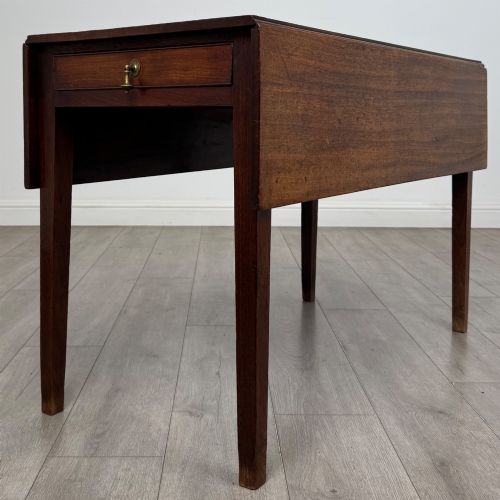
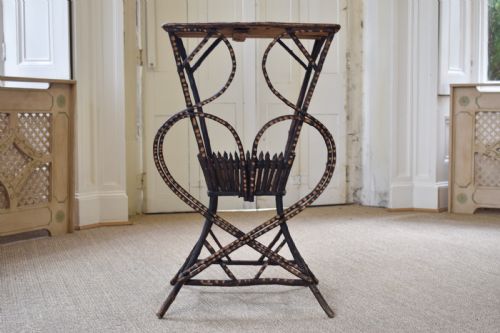
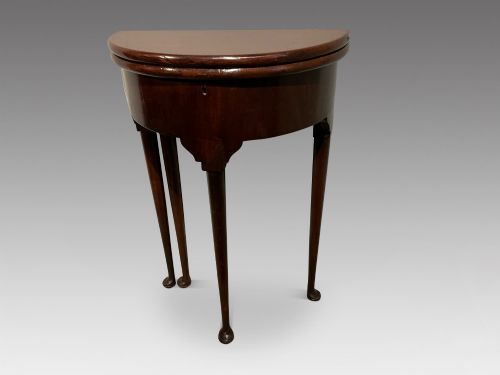
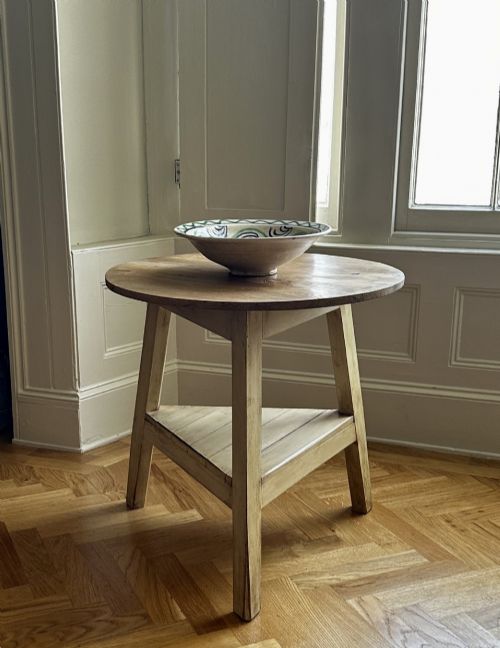
These vintage timber accent table pieces bring character and practical surface space into a room, spanning multiple centuries and global workshops.
Vintage Timber Accent Table
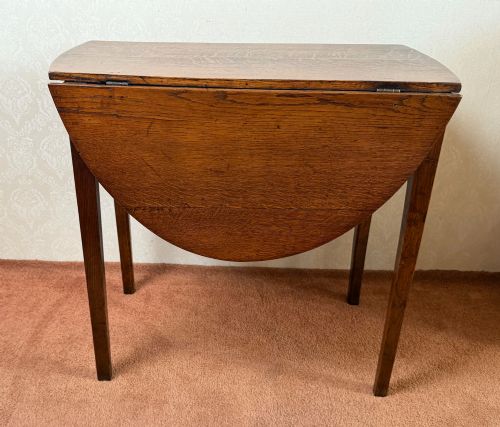
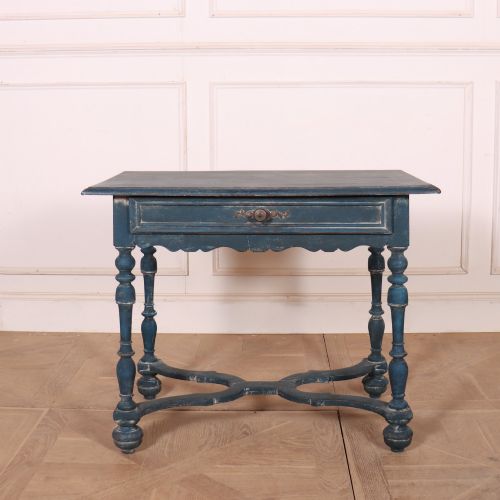
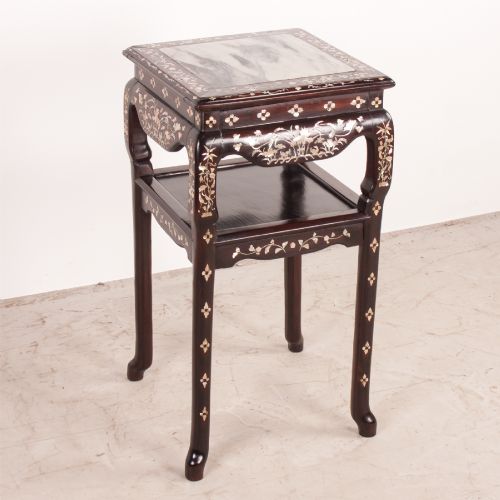
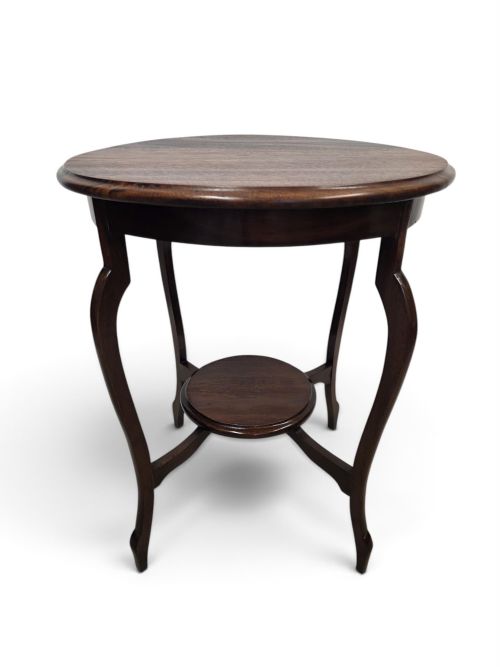
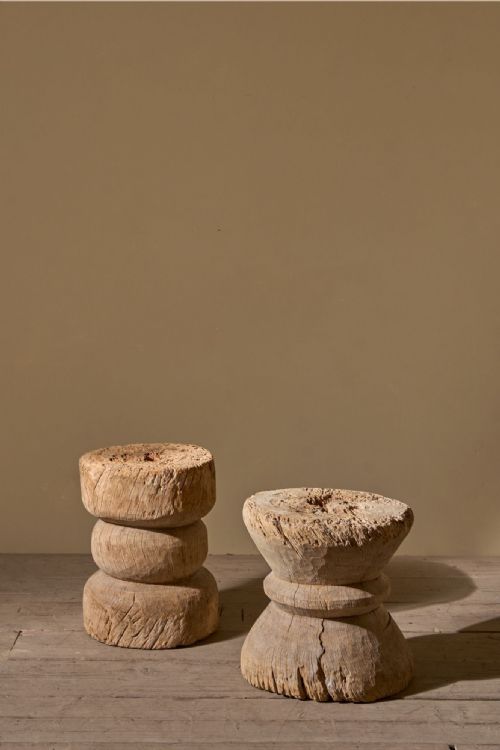
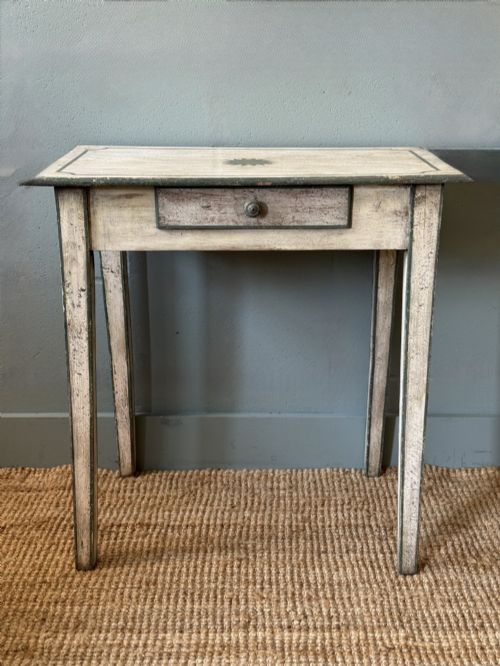
A vintage timber accent table serves as a functional surface in a living space, taking forms such as side tables, occasional tables, coffee tables, and plant stands. When searching for a vintage timber accent table, buyers encounter pieces originating from the nineteenth century through to the 1930s, encompassing Edwardian and Victorian eras.
The selection includes diverse regional styles such as Anglo-Indian Colonial, Chinese Export, English Country, and Industrial designs. Materials span from native timbers and hardwoods to specific regional woods like teak, rosewood, oak, elm, and mahogany.
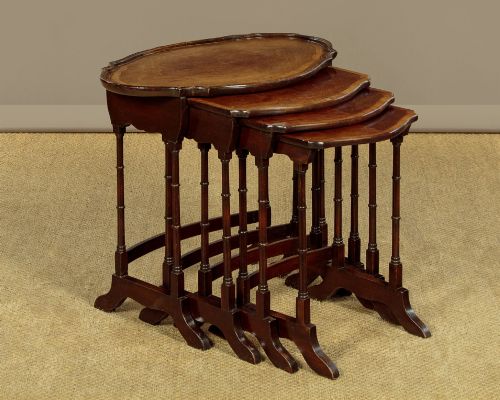
Object variations range from small tripod cricket tables and demi-lune consoles to two-tier occasional tables and carved plant stands. Many examples incorporate brass or iron details alongside the primary wooden construction.
How they were made
Construction relies heavily on solid hardwoods and native timbers, shaped through traditional joinery and hand-carving techniques. Artisans utilised materials such as mahogany, oak, rosewood, elm, and teak to build durable frames and surfaces.
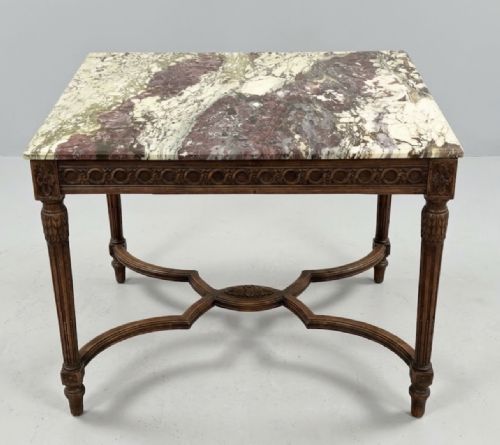
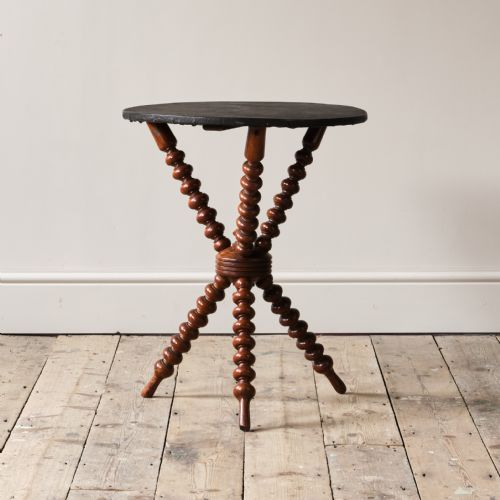
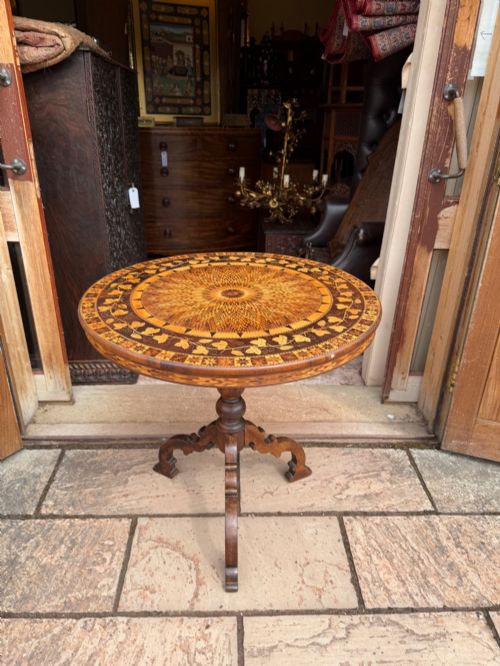
Many items incorporate decorative inlays, including mother of pearl and fruitwood marquetry, alongside hand-painted finishes and turned elements like barley twist legs. Regional traditions introduce specialised techniques, from Chinese root wood carving to Anglo-Indian elephant head motifs.
Vintage Timber Accent Table Retail Price Guide 2026
Typical asking prices for vintage timber accent table among the pieces listed under this phrase on Sellingantiques today, from the lower quarter to the upper quarter. They describe what is for sale here now, not the wider market.
Several tables feature hand-carved elephant heads, proving that nineteenth-century artisans took the concept of trunk space rather literally.
What varies in quality
Quality differences lie in the selection of timber and the precision of hand-carved detailing. Dense hardwoods like rosewood and figured walnut represent superior material choices compared to simpler rustic or folk art constructions.
The refinement of joinery and the complexity of decorative work, such as intricate mother of pearl inlay or hand-carved figural supports, separate standard utility tables from exceptional decorative examples.
Liberty of London·Anton Seuffer
The Vintage Timber Accent Table Glossary
- Cricket table
- A small three-legged wooden table originating from English vernacular traditions, often featuring a round top and triangular shelf underneath.
- Demi-lune table
- A half-moon shaped console or side table designed to sit flush against a wall.
- Lowboy
- A traditional English side table or low dressing table with drawers, typically dating from the eighteenth century or later revival periods.
- Marquetry
- The art and craft of applying pieces of veneer to a structure to form decorative patterns and pictures.
- Tripod table
- A small standalone table supported by a pillar above three legs.
- Veneer
- A thin layer of superior wood glued to a base panel of inferior timber to provide a decorative surface.
Vintage Timber Accent Table: Frequently Asked Questions
What is a vintage timber accent table used for?
These tables provide supplementary surface space for lamps, books, and decorative objects within living areas and hallways.
Their compact sizes allow them to fit easily beside seating arrangements or in narrow corners.
How do I identify a Victorian table?
Victorian pieces frequently display dense woods like rosewood and mahogany, often accompanied by turned legs or elaborate carving.
They generally date between the mid-nineteenth century and the close of the era in 1901.
Are Edwardian tables different from Victorian ones?
Edwardian designs tend to favour lighter woods and simpler lines, reflecting a shift in aesthetic tastes away from heavy Victorian ornamentation.
Many examples from this period incorporate inlaid details and delicate framing.
How should I care for a hardwood accent table?
Maintain the wood surface by keeping it away from direct heat sources and sudden humidity changes.
Regular dusting with a dry cloth preserves the natural finish without requiring heavy polishes.