

Vintage Tilt Mirror
These vintage tilt mirror designs offer adjustable glass for everyday grooming, spanning Edwardian, Victorian, and Art Deco styles.
Vintage Tilt Mirror
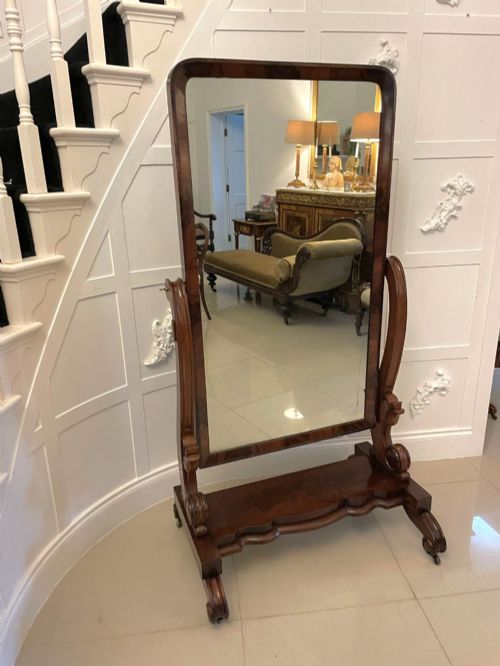
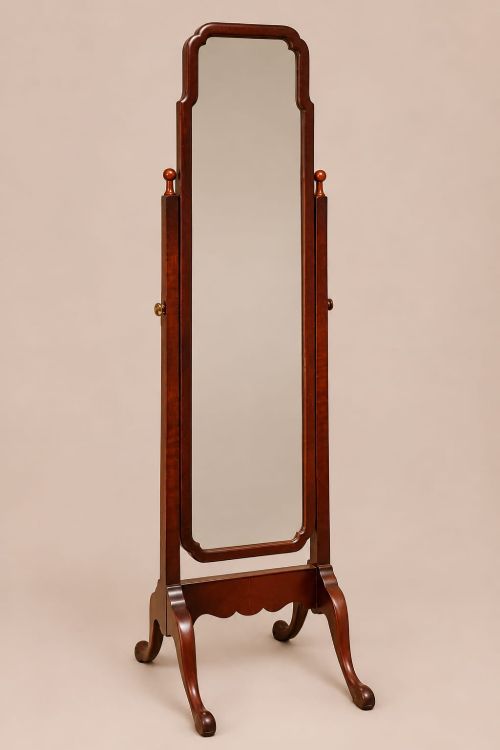
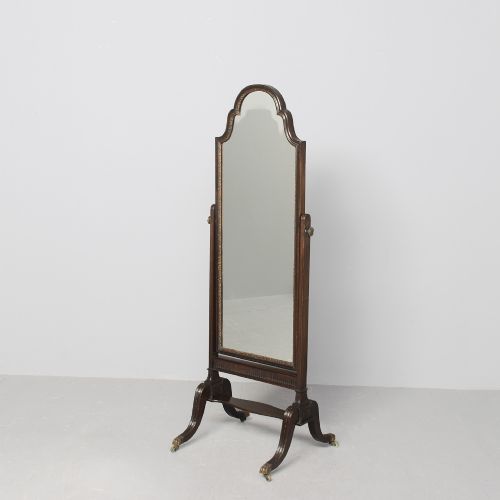
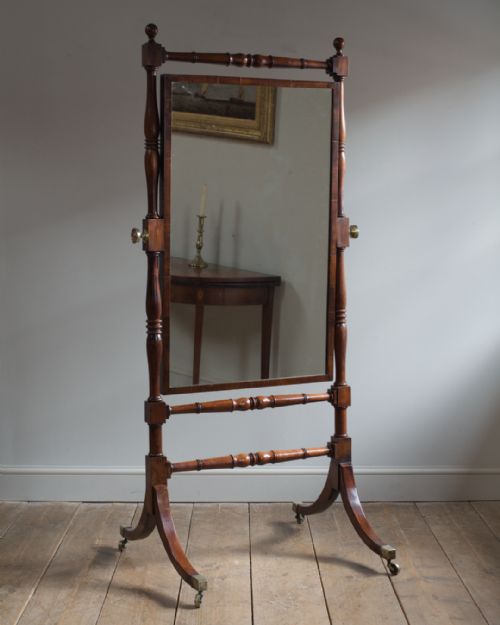
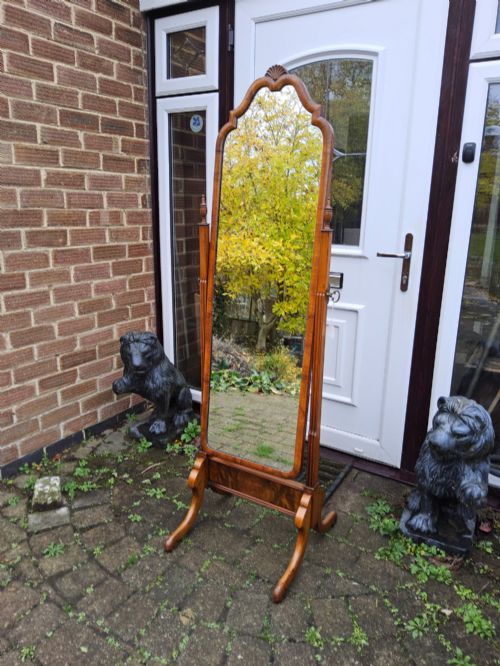
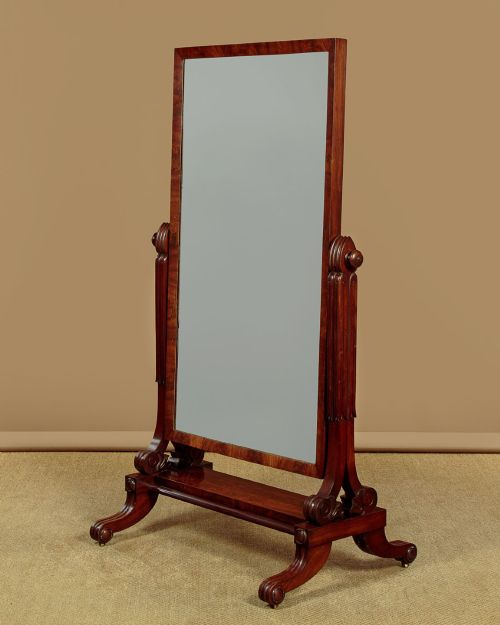
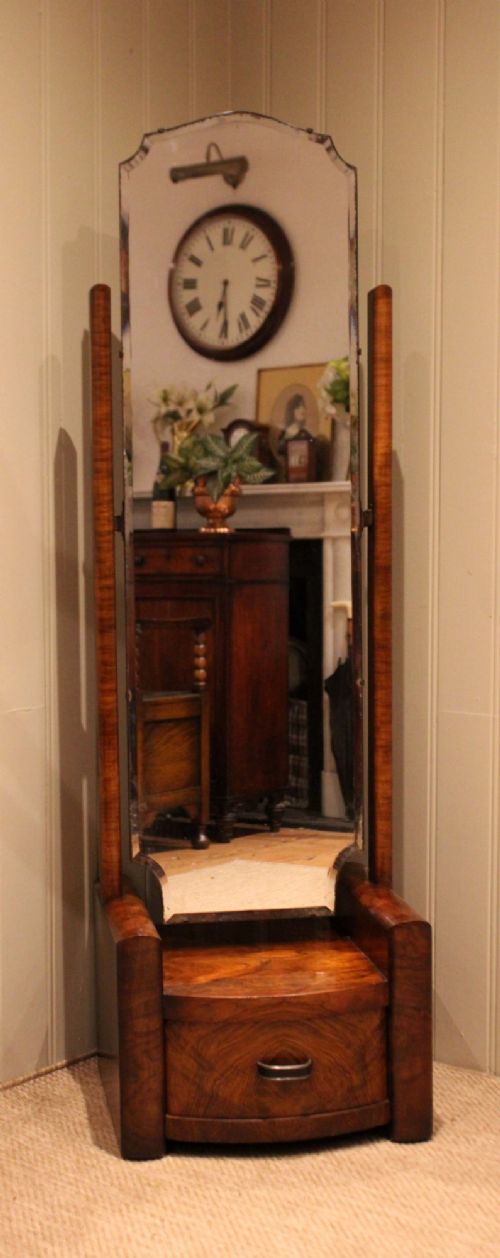
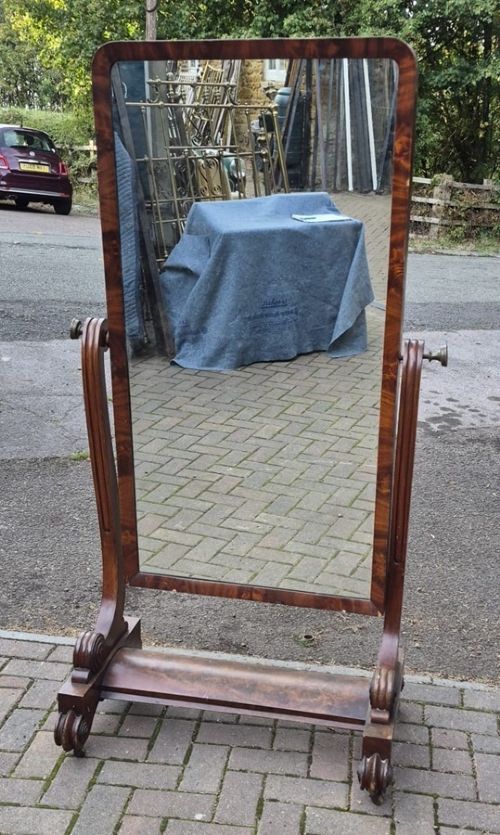
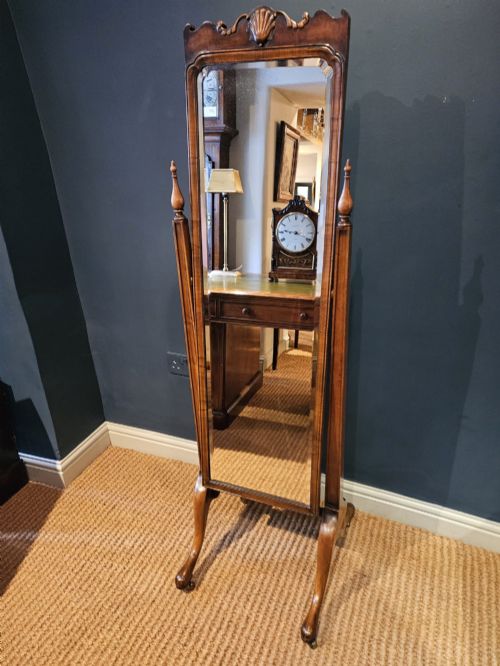
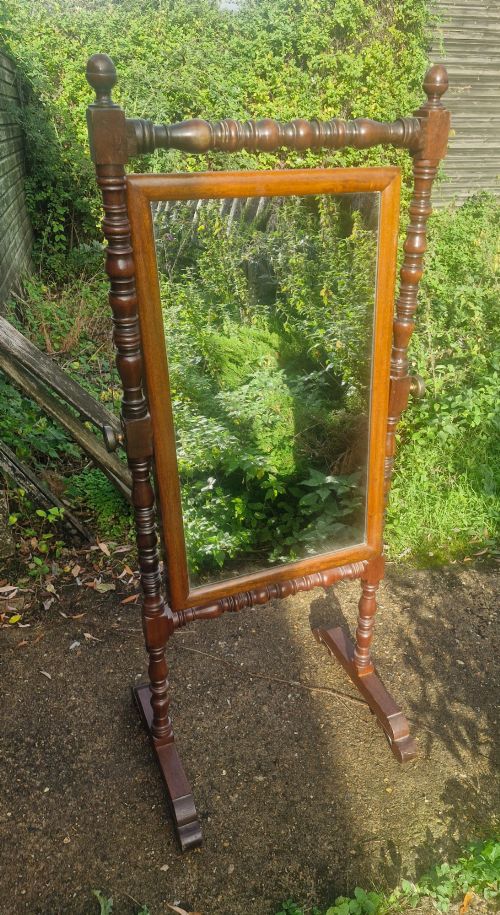
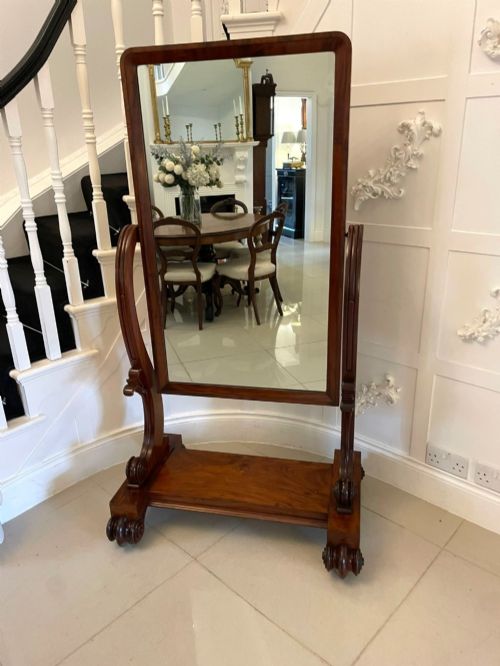
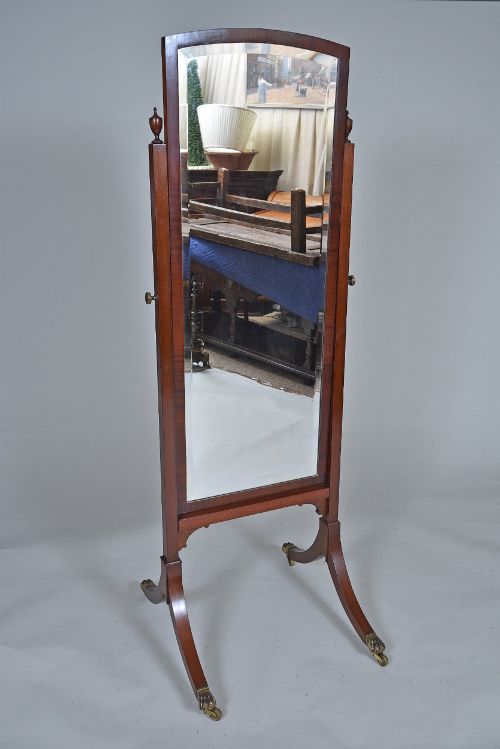
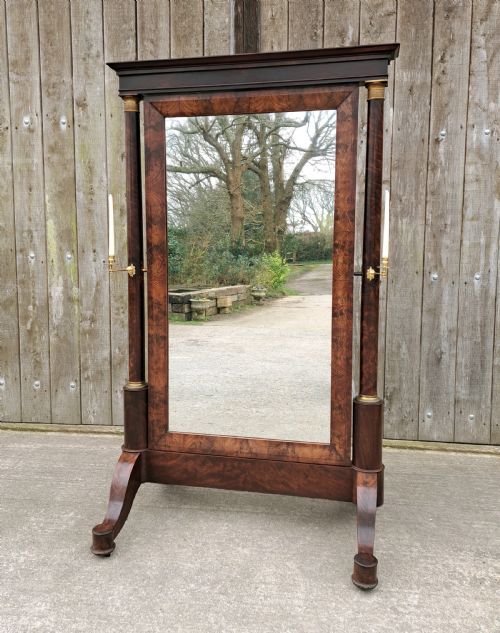
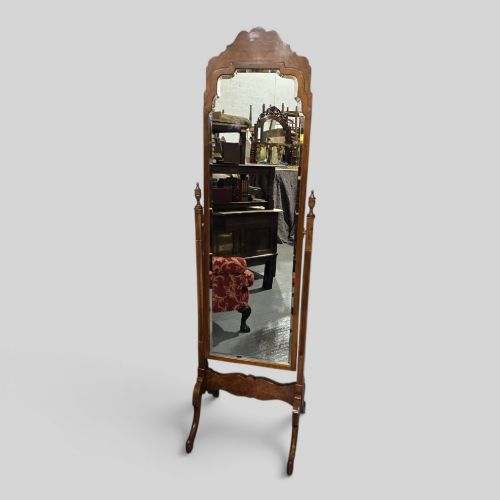
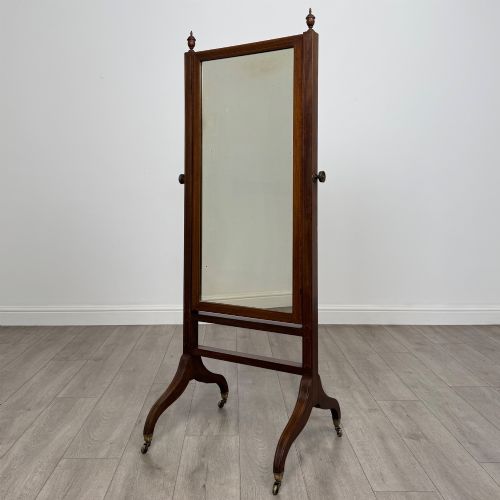
When you search for a vintage tilt mirror, you encounter freestanding cheval mirrors and smaller vanity or dressing table mirrors designed to pivot within a frame. The selection on this page centres heavily on tall cheval mirrors alongside smaller table top variants.
Most examples date from the nineteenth and twentieth centuries, taking influence from Regency, Edwardian, and Art Deco design aesthetics. These pieces serve practical dressing functions while providing substantial decorative presence in a bedroom or hallway.
The dominant form is the full-length cheval glass held by side supports, though compact dressing mirror versions appear frequently. Origins range from British workshops to French, Italian, and American makers.
How they were made
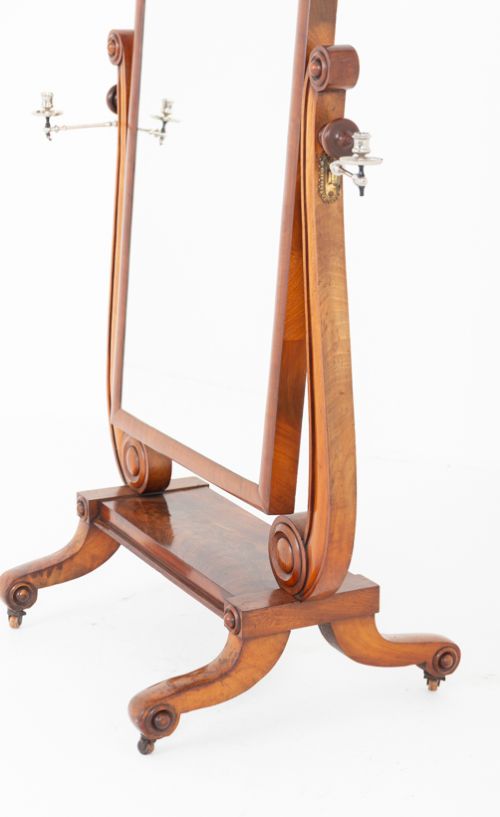
Timbers such as mahogany, walnut, burr walnut, and oak form the primary structural frames, frequently shaped into upright supports and shaped bases. Cabinetmakers utilised rich veneers and delicate inlay work to enhance the timber surfaces.
Metal components including brass sabots, castors, hinges, and occasional chrome plating allow the glass frame to tilt securely. Reflective glass plates are fitted into rebated wooden frames, sometimes accompanied by decorative gilt finishes.
Vintage Tilt Mirror Retail Price Guide 2026
Typical asking prices for vintage tilt mirror among the pieces listed under this phrase on Sellingantiques today, from the lower quarter to the upper quarter. They describe what is for sale here now, not the wider market.
Listings feature mahogany, walnut, burr walnut, brass, and chrome across periods spanning the nineteenth and twentieth centuries.
What varies in quality
The sophistication of the timber selection marks the primary distinction in these mirrors, with figured burr walnut and dense mahogany sitting at the upper end. Finer construction shows in the weight of the brass mountings and the smoothness of the pivoting mechanism.
Design detailing distinguishes standard production from bespoke examples, particularly where hand-carved motifs, inlaid stringing, or specific regional styles like Chinoiserie are applied.
Waring and Gillow·Whytock and Reid
The Vintage Tilt Mirror Glossary
- Cheval mirror
- A freestanding full-length mirror mounted on a frame with pivoting side pins. This allows the glass to tilt at various angles.
- Sabot
- A metal shoe or sleeve fitted to the foot of a furniture leg. These are commonly cast in brass.
- Castor
- A small wheel attached to the base of furniture to aid movement. They frequently appear on nineteenth-century cheval frames.
- Veneer
- A thin layer of superior wood applied to a base timber surface. Burr walnut veneers are typical of high-status pieces.
- Chinoiserie
- European decorative style reflecting Chinese artistic motifs. It is often found on lacquered or painted mirror frames.
Vintage Tilt Mirror: Frequently Asked Questions
Where should I place a cheval mirror?
These tall freestanding mirrors suit bedrooms, dressing rooms, and spacious hallways where full-length reflections are useful. Their pivoting design helps direct natural light around the room.
Position the piece away from direct, harsh sunlight to protect timber veneers and polished finishes from fading over time.
How do I identify an Edwardian mirror?
Edwardian pieces often feature lighter mahogany or inlaid timber decoration, reflecting the refined tastes of the early twentieth century. They frequently adopt slender proportions compared to heavier Victorian predecessors.
Look for clean lines, subtle string inlay, and light brass hardware that mark the transition away from ornate nineteenth-century styling.
What is the difference between a cheval and a vanity mirror?
A cheval mirror stands tall on the floor, designed to show a full-length reflection of an adult. A vanity or dressing table mirror is much smaller and sits on top of a piece of furniture.
Both types share the pivoting tilt mechanism, but their scale and placement within a room serve entirely different practical purposes.