



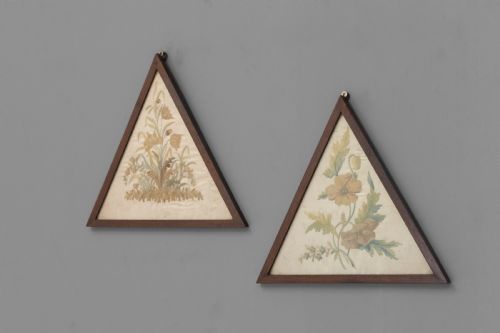


Vintage Textile Picture
A vintage textile picture brings needlework, tapestry and embroidery directly to the wall, offering centuries of hand-stitched artistry.
Vintage Textile Picture
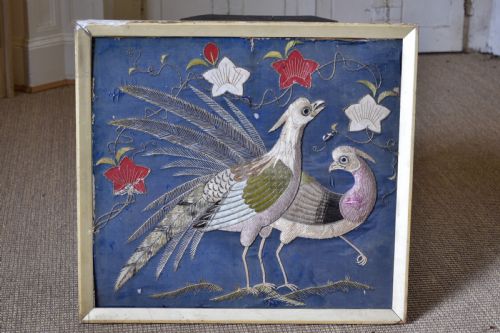
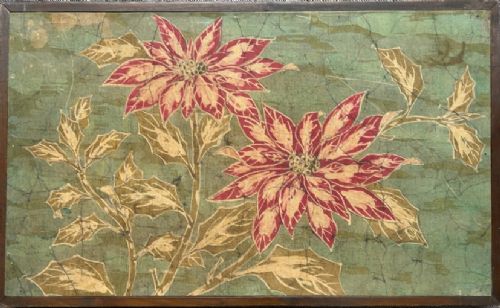
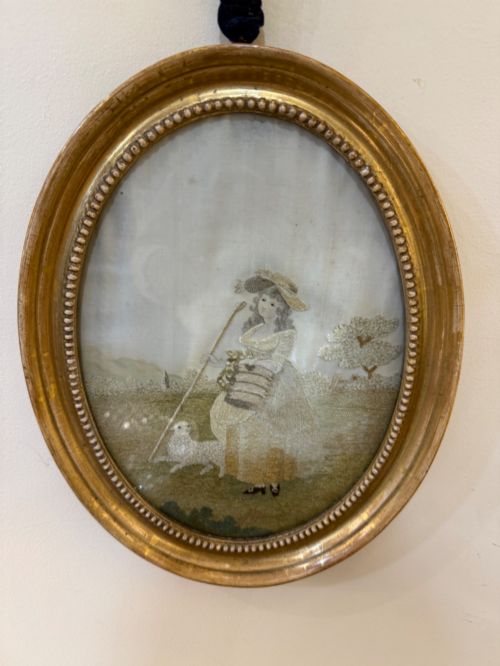
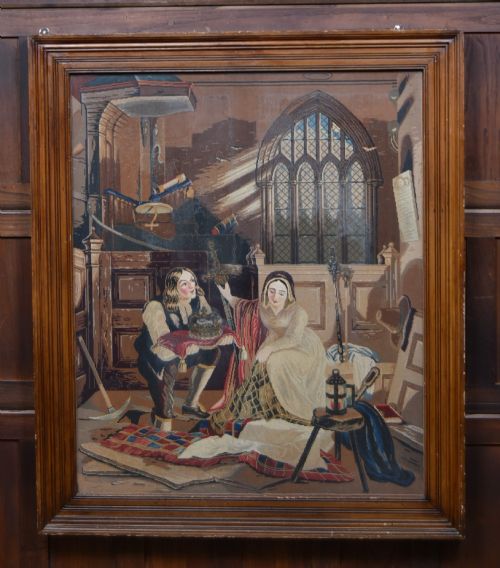
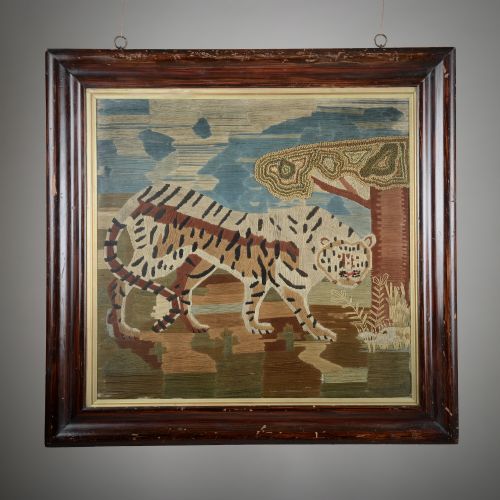
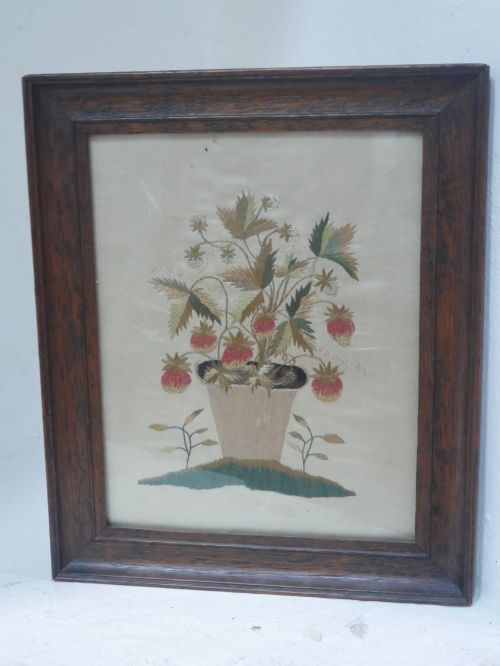
A vintage textile picture encompasses wall art created through needlework, embroidery, tapestry, and sampler stitching. These works range from early seventeenth-century fragments and eighteenth-century pastoral scenes to nineteenth-century wool work and mid-century batik panels.
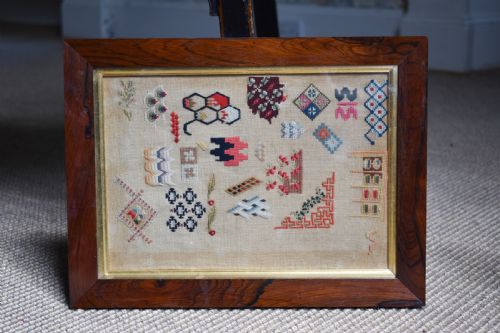
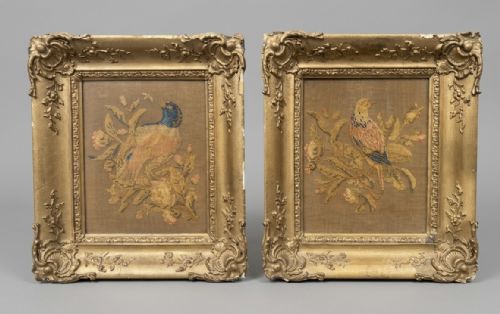
Buyers encounter framed samplers, pictorial wool work depicting animals or figures, and silk panels mounted behind glass in wood or gilt frames. The selection spans English, French, American, Chinese, and Japanese origins across multiple historic periods.
Materials and construction methods
Needlework pictures rely on wool, silk, linen, and canvas as foundations for intricate stitching techniques including gros-point, crewel work, and beadwork. Artisans utilised coloured threads to build pictorial depth, botanical accuracy, and narrative detail.
Finished textiles find protection behind glass within wooden frames, frequently enhanced with gilt wood or simple moulded surrounds. The physical weight of the timber and the tightness of the weave define the structural integrity of each panel.
Nineteenth-century sailors with idle hours at sea stitched woolie pictures of ships, proving that even the roughest hands made delicate art.
Distinctions in quality and execution
Execution rests upon the precision of the stitch work, the complexity of the subject matter, and the preservation of the fibres. Tighter stitching and sophisticated pictorial composition separate accomplished needlework from simpler domestic efforts.
Material choice and framing integrity further influence the character of the piece. Intact silk threads, stable canvas grounds, and period-appropriate wooden or gilt frames contribute to the overall presence of the artwork.
The Vintage Textile Picture Glossary
- Sampler
- A piece of needlework demonstrating various stitches and alphabets, often worked by young makers to evidence skill. These exercises frequently include dates, names, and decorative motifs.
- Gros-point
- A type of needlepoint embroidery worked on a coarse canvas using wool yarn in a counted stitch. This technique creates durable, textured surfaces suitable for pictorial wall hangings.
- Crewel work
- Embroidery executed using wool yarn on a fine linen or cotton twill fabric. The method employs varied stitches to render flowing floral and faunal designs.
- Woolie
- A colloquial term for embroideries created by nineteenth-century sailors using coloured wool threads. These pictures typically depict maritime scenes and ships.
- Batik
- A wax-resist dyeing technique applied to cloth to produce patterned panels. Mid-century examples utilise this method for bold floral and botanical compositions.
Vintage Textile Picture: Frequently Asked Questions
How should I hang a textile picture?
Mount textile pictures away from direct sunlight to protect delicate wool and silk threads from fading. Keep them in rooms with stable humidity levels to preserve the fabric and wooden frames.
Ensure the wall fixings match the weight of the framed panel. Secure hanging wire or brackets firmly to the back of the wood or gilt frame.
What is the difference between a sampler and a tapestry?
A sampler is a练习 piece featuring alphabets, numbers, and various stitches worked to demonstrate needle skills. They often record the name of the maker and a date.
A tapestry is a pictorial textile designed specifically as a wall hanging or cushion cover. These feature complex imagery such as portraits, scenes, and animals rather than practice alphabets.
How do I date an antique needlework picture?
Examine the stitched details for dated inscriptions, maker names, or stylistic clues tied to periods like the Georgian or Victorian eras. Samplers frequently display precise years worked by children.
Consider the materials and frame construction alongside the subject matter. Eighteenth-century pieces often utilise specific linen grounds and distinct needlework techniques compared to later nineteenth-century wool work.
Are these textile pictures framed?
Most textile pictures arrive mounted behind glass within wooden or gilt frames to protect the delicate fabric from dust and handling. The framing helps preserve the stitched surface for display.
Some pieces retain period frames that complement the age of the needlework. Others feature later mounts chosen to suit modern interiors while keeping the textile secure.